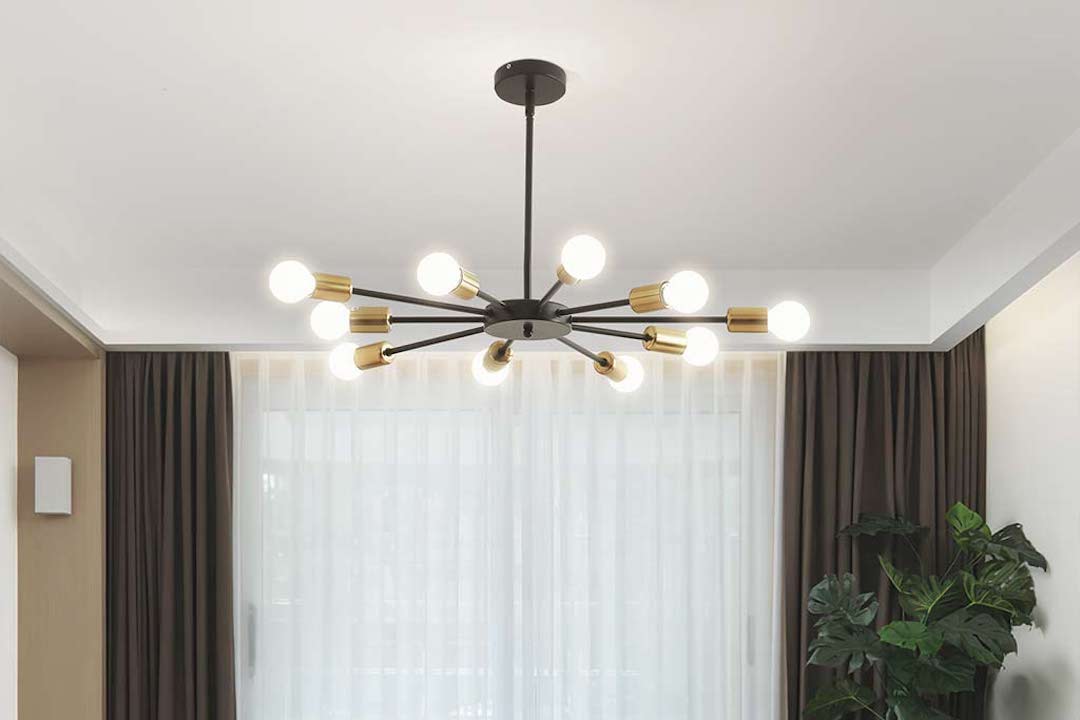



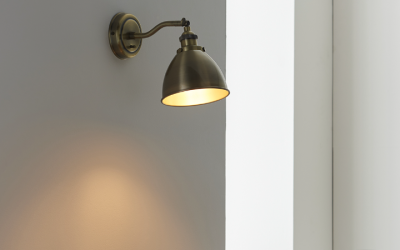
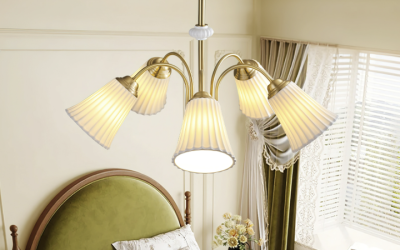






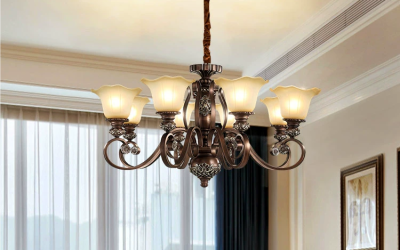



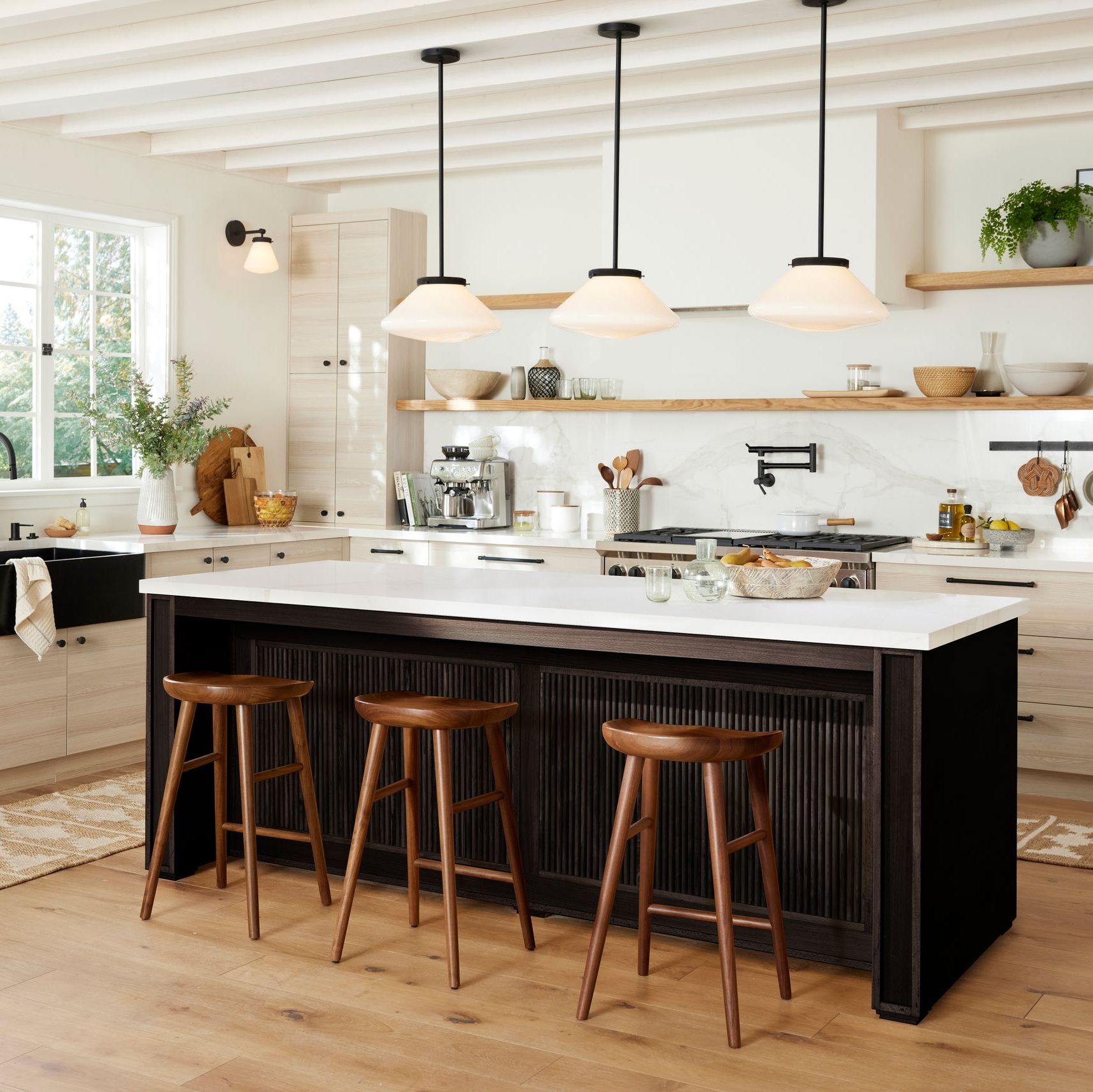
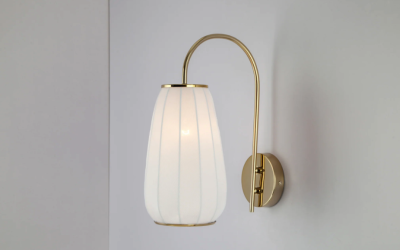


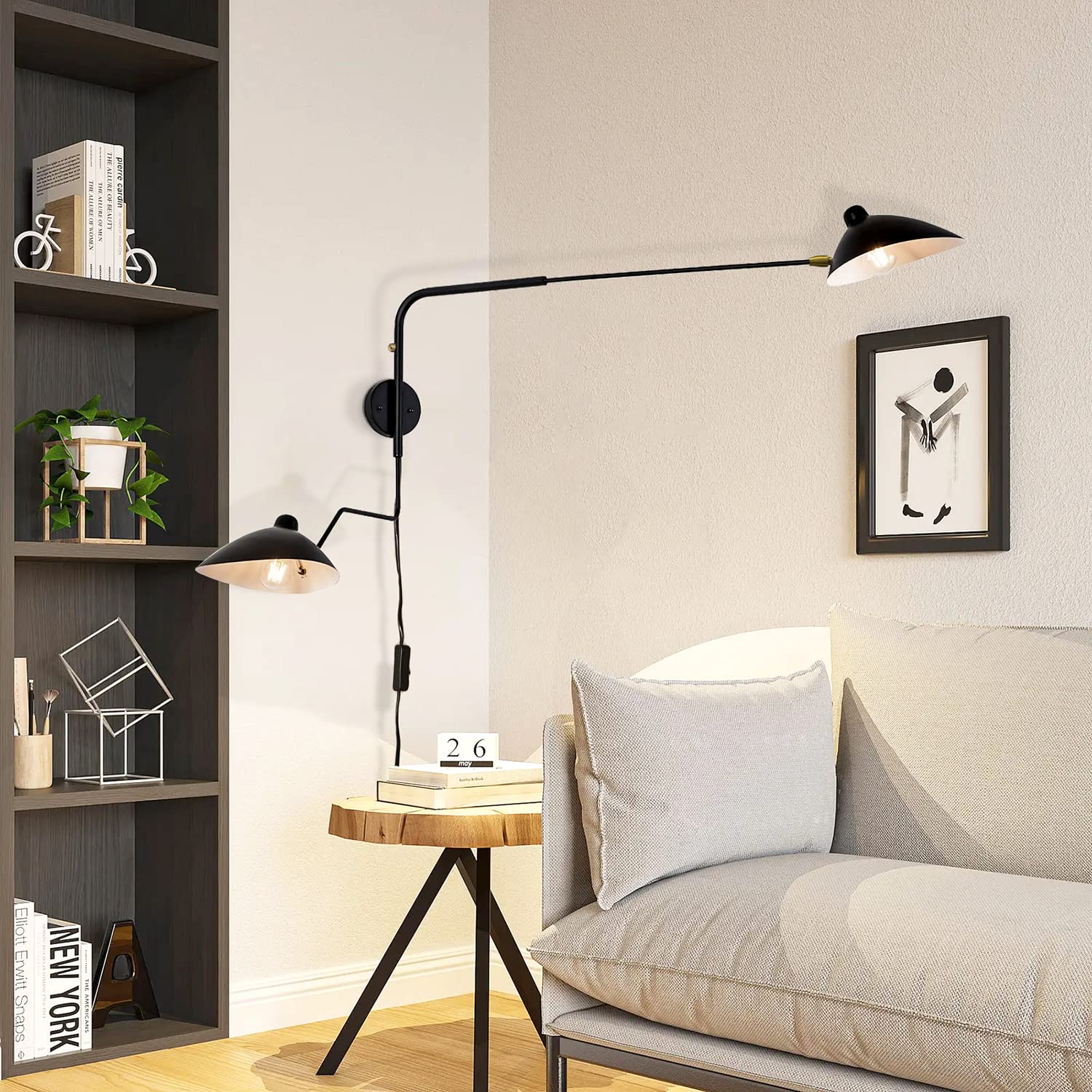
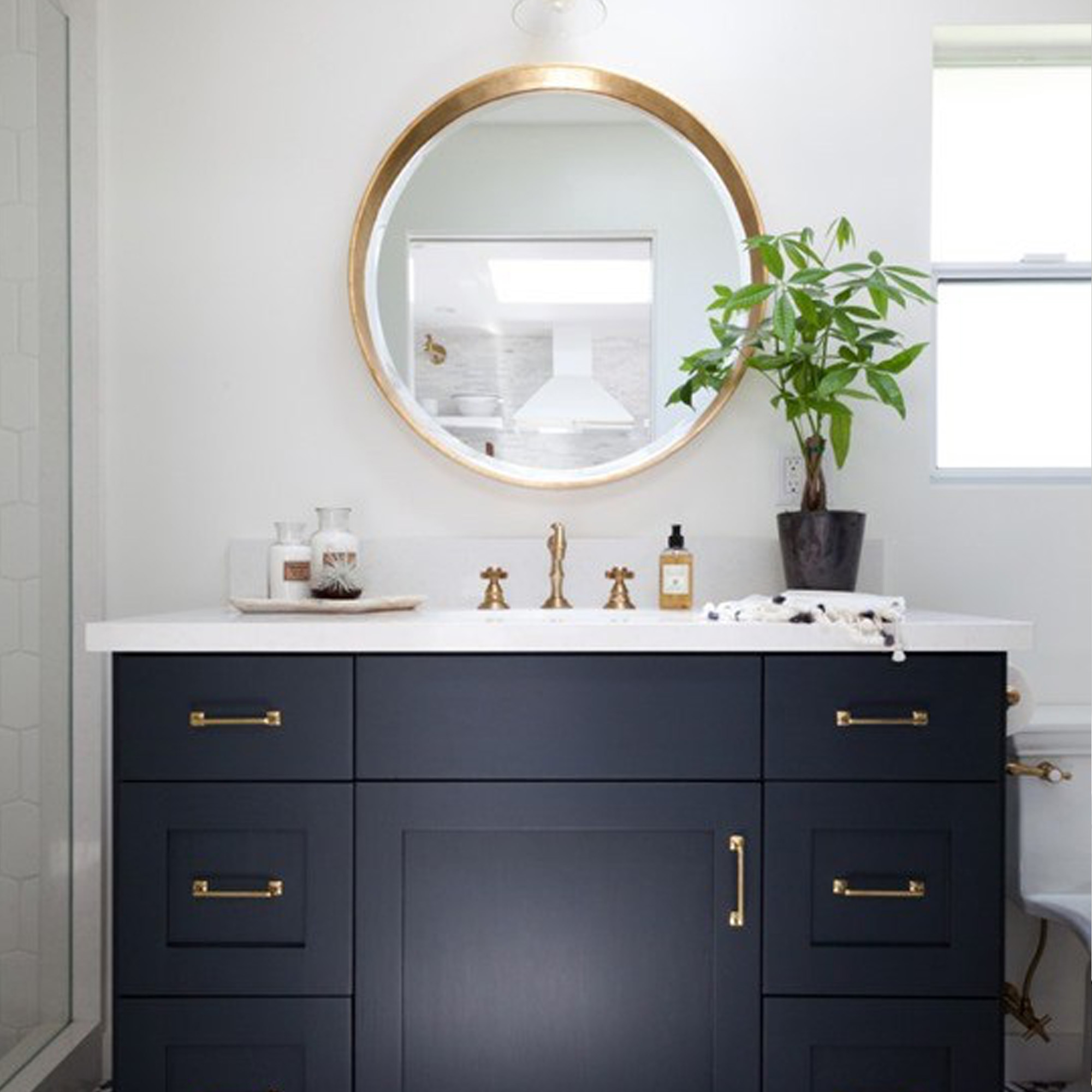
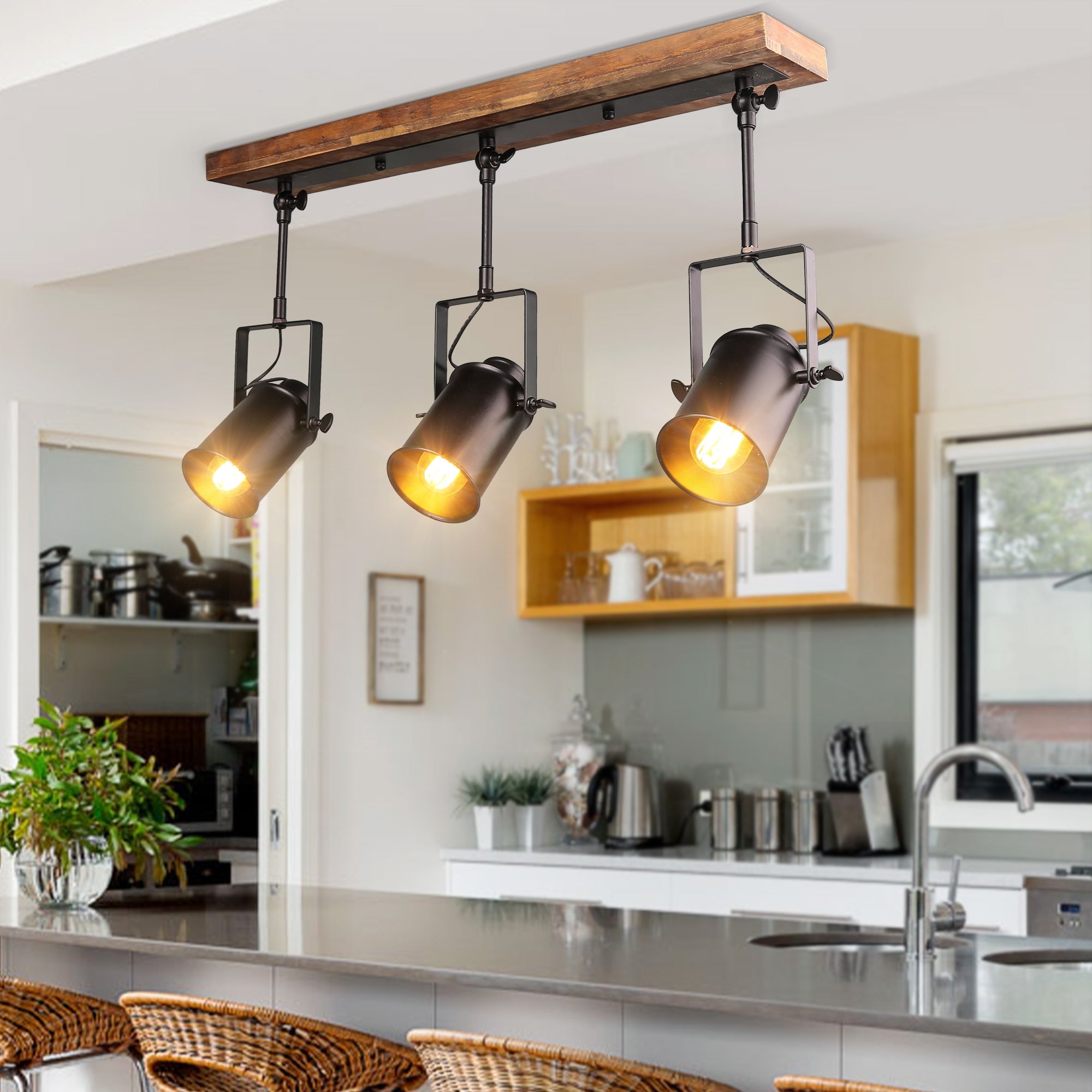



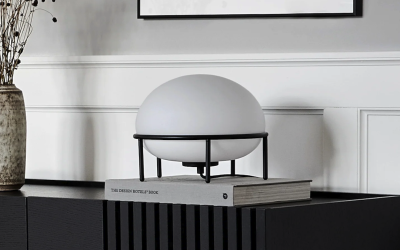


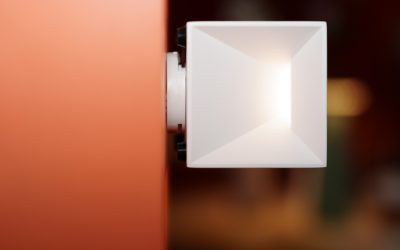
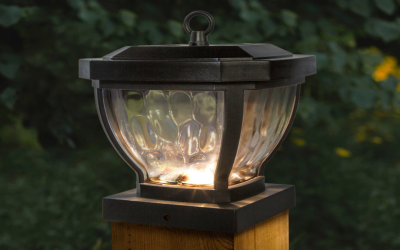
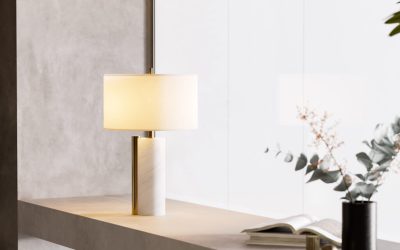
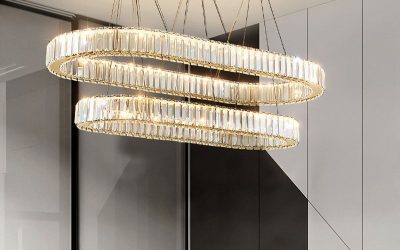

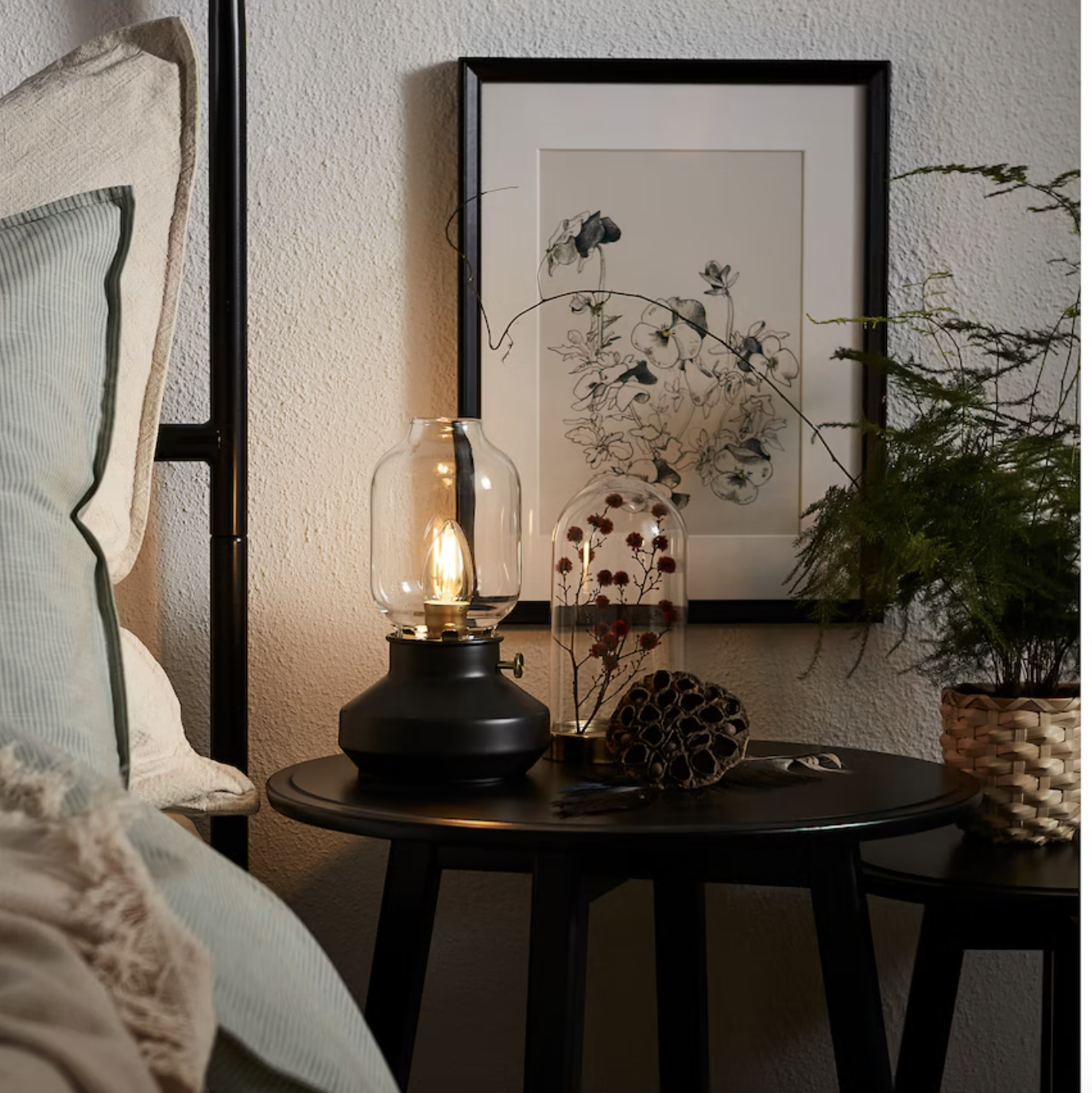
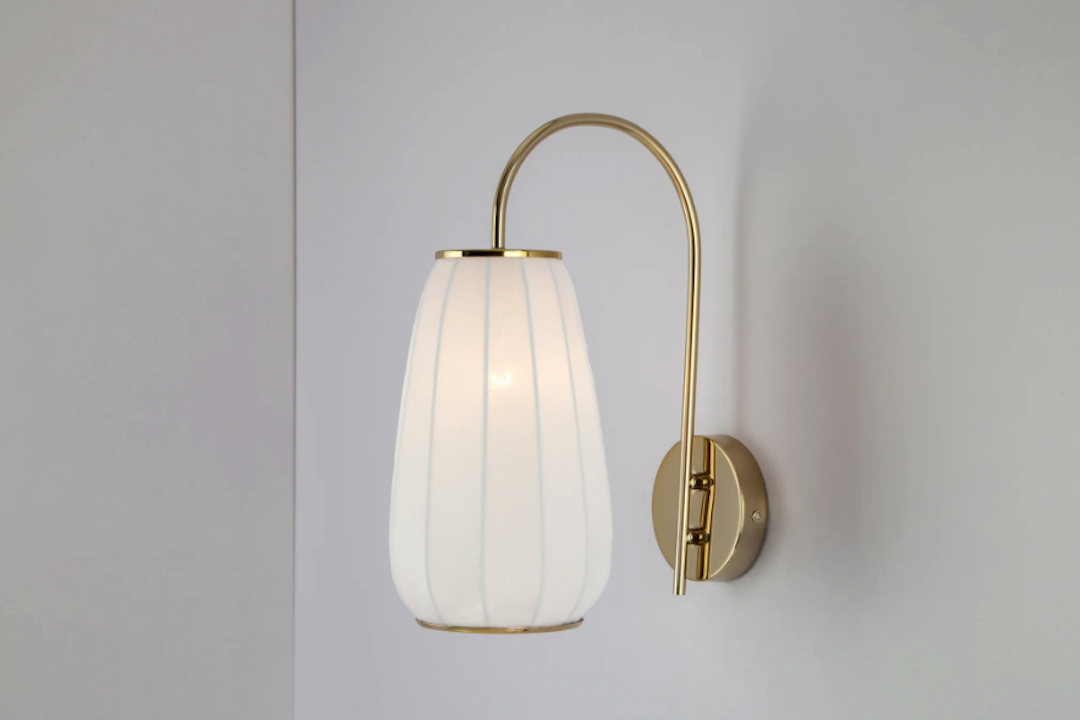
The “Premium White Fabric Lampshade for Elegant Wall Lighting” refers to a category of lighting accessories designed to diffuse and direct light emitted from wall-mounted fixtures. These lampshades are characterized by their construction from white fabric materials, which play a significant role in their aesthetic and functional properties. Their primary purpose is to integrate with existing or new wall lighting systems, contributing to both the visual appeal and the quality of illumination within a given space.
The materials and design of these lampshades Litlightings are fundamental to their performance and aesthetic integration. Understanding these aspects is crucial for appreciating their role in interior lighting.
Fabric Type and Composition
The term “fabric” encompasses a range of textile materials, each with unique light transmission and diffusion characteristics. Common choices for premium white lampshades often prioritize durability, light quality, and a refined appearance.
- Cotton and Linen Blends: These natural fibers are frequently employed for their soft texture and excellent light diffusion properties. Cotton offers a smooth, even surface, while linen can introduce a subtle texture, adding depth to the light. Blends combine the strengths of both, often enhancing durability and reducing creasing.
- Polyester and Microfiber Synthetics: Synthetic fabrics offer advantages in terms of resistance to fading, shrinking, and creasing. They can be engineered to achieve specific levels of light transmission and opaqueness, providing consistent performance over time. Microfiber, in particular, offers a very smooth finish and a tight weave, resulting in uniform light distribution.
- Silk and Silk Blends: Often considered a premium option, silk provides a luxurious sheen and a soft, warm glow. Its natural luster can enhance the elegance of a lighting fixture, though it may require more delicate care. Blends with other fibers can improve its durability and reduce cost while retaining much of its aesthetic appeal.
Frame Structure and Support
The internal frame provides the structural integrity of the lampshade. Its design directly impacts the shade’s shape retention and ease of installation.
- Metal Wire Frames: Typically constructed from steel or aluminum, these frames offer robustness and resistance to deformation. They are often powder-coated or painted white to prevent rust and to be discreet within the shade. The gauge and number of wires influence the overall rigidity and support.
- Spider Fitter: This common fitting system consists of wires converging at the center, terminating in a washer or ring that sits atop the lamp’s harp or socket. The “drop” of the spider, the distance between the top of the shade and the ring, affects how high or low the shade sits on the fixture.
- Clip-on Fitter: Smaller shades, particularly for chandelier-style wall sconces, may utilize a clip-on fitter. This system clips directly onto a standard bulb, offering a simple installation method but potentially limiting the size and weight of the shade.
- Uno Fitter: In this system, the ring of the lampshade screws onto the lamp socket itself, providing a secure and stable attachment point. This design is common for shades that do not use a harp.
Diffuser Linings and Backings
Beyond the exterior fabric, many premium lampshades incorporate internal linings to further control light and enhance durability.
- White Styrene or PVC Lining: A thin layer of white styrene or PVC is often laminated to the inner surface of the fabric. This material provides significant benefits: it makes the shade more opaque, directing light predominantly downwards and upwards, prevents light leakage through the fabric weave, and offers structural support, preventing the fabric from sagging or wrinkling over time. It also serves as a fire-resistant barrier in many cases, meeting safety standards.
- Fabric Backing: Some designs opt for a second layer of fabric on the inside, particularly for shades aiming for a softer overall appearance. This can create a more diffuse glow, softening the contrast between the lit interior and the unlit exterior.
Light Diffusion and Illumination Characteristics
The primary function of a lampshade is to modify the light emitted from a bulb. White fabric lampshades excel in creating a specific quality of illumination.
Softening and Spreading Light
The fabric acts as a filter, preventing the harsh glare of a bare light bulb. It serves as a gentle intermediary, transforming a concentrated point source of light into a broader, more diffused emanation.
- Glare Reduction: Without a shade, a bare bulb can be intensely bright, causing discomfort and visual fatigue. The fabric scatters light photons in multiple directions, significantly reducing direct glare and creating a more comfortable visual environment.
- Even Light Distribution: The diffusion process results in a more uniform spread of light across a surface or within a room. Instead of sharp, defined shadows, light transitions become smoother, enhancing the perception of space and reducing high-contrast areas. This is akin to how a cloud diffuses sunlight, softening its intensity across the landscape.
Color Temperature Impact
While white fabric itself is generally neutral in color, its interaction with different bulb color temperatures is noteworthy.
- Neutral Shade Role: A white fabric lampshade, assuming it has no inherent color tint, will largely preserve the color temperature of the light source. A warm white bulb (e.g., 2700K) will appear warm through the shade, and a cool white bulb (e.g., 4000K) will appear cool. The shade acts as a transparent window regarding color, faithfully transmitting the lamp’s intended hue.
- Enhanced Warmth/Coolness: In certain instances, particularly with materials like silk, there can be a subtle amplification of the light’s inherent warmth due to intrinsic material properties, though this effect is generally minimal with most white fabrics. The perceived warmth or coolness is primarily dictated by the chosen light bulb.
Up-lighting and Down-lighting Effects
The design of the lampshade, particularly whether it’s open at the top and bottom, dictates the direction of light.
- Up-lighting: When the top of the shade is open, a portion of the light is directed upwards, casting light on the ceiling and upper walls. This can create a sense of height and expand the perceived size of a room. It contributes to ambient lighting, washing the upper parts of the space with a soft glow.
- Down-lighting: An open bottom allows light to directly illuminate surfaces below the fixture, such as a table, artwork, or the floor. This provides functional task lighting or accent lighting, highlighting specific areas. The shade acts as a funnel, directing the light’s journey.
- Combined Effect: Many wall sconces with fabric shades allow for both up and down-lighting, creating a balanced wash of light that contributes to both ambient and accent illumination.
Aesthetic Integration and Style Contribution
Beyond their functional role, these lampshades are significant contributors to the overall aesthetic of an interior space. They are often chosen for their ability to complement diverse design schemes.
Versatility in Interior Design
White fabric lampshades are considered a design chameleon due to their neutral color and adaptable forms.
- Contemporary Interiors: In modern and contemporary settings, their clean lines and understated elegance can reinforce minimalist aesthetics, offering a sophisticated contrast to geometric forms and sleek finishes. They allow other design elements to take center stage without competing visually.
- Traditional and Classic Decor: Within traditional spaces, they can blend seamlessly, providing a subtle touch of refinement. Their soft texture and classic forms often complement ornate details, rich wood tones, and upholstered furniture.
- Transitional Styles: For spaces that bridge traditional and contemporary elements, white fabric shades serve as a unifying component. They offer a sense of timelessness, adapting to varied textures and finishes without discord.
- Coastal and Scandinavian Themes: Their light, airy quality makes them well-suited for coastal themes, evoking a sense of freshness and calm. In Scandinavian design, they align with the principles of simplicity, functionality, and natural light.
Shape and Form Options
The silhouette of the lampshade profoundly influences its visual impact and how it interacts with the wall fixture’s design.
- Drum Shades: Cylindrical in shape, drum shades offer a clean, contemporary aesthetic. They provide a broad, even diffusion of light and are particularly effective for creating a minimalist profile. Their uniform circumference creates a balanced visual presence.
- Empire Shades: Characterized by their tapered form, wider at the bottom than the top, empire shades present a more classic and traditional appearance. They provide a directed downward light spread while softening the upward light, creating a gentle cascade of illumination.
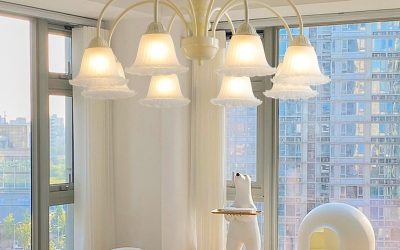
- Bell Shades: Flaring outwards significantly from a narrow top, bell shades offer a highly traditional and often ornate look. They are frequently used with more decorative wall sconces, their shape mimicking the form of a bell or flower.
- Rectangular and Square Shades: For more angular or architectural fixtures, rectangular and square shades can provide a cohesive design. They reinforce geometric themes and can offer a more structured light distribution, casting clean lines of light and shadow.
- Other Geometric Shapes: Beyond the common types, custom or specialized designs might include oval, conical, or multi-faceted shades, each offering unique visual characteristics and light distribution patterns.
Maintenance and Care Considerations
Proper care ensures the longevity and continued aesthetic appeal of premium white fabric lampshades. Neglect can lead to degradation of materials and diminished light quality.
Dusting and General Cleaning
Regular maintenance is key to preserving the pristine appearance of white fabric. Dust accumulation can cause discoloration and reduce light output.
- Soft Brush or Lint Roller: For routine dusting, a soft-bristle brush, such as a paint brush or a dedicated lampshade brush, can gently dislodge dust without damaging the fabric. A lint roller is effective for picking up surface dust and fibers.
- Vacuum Cleaner with Brush Attachment: For more thorough dusting, a vacuum cleaner with a soft brush attachment, set to a low suction power, can be used. Care should be taken to avoid direct contact with the fabric, which could cause wrinkles or tears. Work in gentle, sweeping motions.
- Microfiber Cloth: A clean, dry microfiber cloth can be used to gently wipe down the surface. Its electrostatic properties help attract and hold dust particles.
Stain Removal Techniques
Addressing stains promptly is crucial, as white fabric can be prone to visible discoloration. The appropriate method depends on the stain type.
- Spot Cleaning: For minor, fresh stains, immediate action is recommended. A clean white cloth lightly dampened with plain water or a very mild, diluted fabric cleaner (test in an inconspicuous area first) can be used. Blot, do not rub, the stain to avoid spreading it or damaging the fabric weave.
- Specialized Fabric Cleaners: For stubborn or old stains, a cleaner specifically formulated for upholstery or delicate fabrics may be necessary. Always follow the product instructions carefully and test on an unseen area to ensure no discoloration or damage occurs. Avoid harsh chemicals or bleaches, which can irreparably damage white fabric.
- Professional Cleaning: For delicate or valuable lampshades, or for significant stains, professional lampshade cleaning services are the most reliable option. They possess specialized knowledge and equipment to clean delicate fabrics without causing damage.
Environmental Considerations and Sustainability
The production and disposal of lampshades, even seemingly simple fabric ones, have environmental implications. Manufacturers are increasingly adopting practices to mitigate these impacts.
Material Sourcing and Production Footprint
The choice of fabric and frame materials, as well as manufacturing processes, contributes to the overall environmental impact.
- Natural vs. Synthetic Fibers: Natural fibers like organic cotton or linen, when sustainably sourced, can have a lower environmental footprint compared to some synthetic options, particularly regarding petrochemical use and microplastic shedding. However, conventional cotton production can be resource-intensive (water, pesticides). The lifecycle assessment of each material is complex.
- Recycled Content: Some manufacturers incorporate recycled materials, such as recycled polyester, into their fabrics. This reduces the demand for virgin resources and diverts waste from landfills.
- Adhesives and Backings: The adhesives used to laminate fabric to styrene or other backings can contain volatile organic compounds (VOCs). Environmentally conscious manufacturing aims to use low-VOC or water-based adhesives.
- Local Production: Sourcing materials and manufacturing locally can reduce the carbon footprint associated with transportation.
Longevity and End-of-Life Management
The durability of a lampshade directly influences its environmental impact; a longer lifespan means fewer replacements and less waste.
- Durability and Repairability: Premium lampshades are designed for durability, using robust frames and high-quality fabrics that resist wear and tear. The ability to repair minor damage, such as a detached seam, can extend the product’s life.
- Disassembly and Recycling: At the end of its life, the ease with which a lampshade can be disassembled into its constituent materials (metal frame, fabric, styrene lining) affects its recyclability. Mixed materials are often difficult to separate and recycle effectively.
- Biodegradable Materials: Research and development are ongoing to incorporate more biodegradable materials into lampshade components, such as frames made from bio-plastics or natural composites, and fabrics that fully decompose. This aligns with circular economy principles, striving for products where materials can be returned to nature without harm.
In conclusion, the “Premium White Fabric Lampshade for Elegant Wall Lighting” is more than a simple accessory. It represents a confluence of material science, design principles, and functional considerations. Its choice is an intentional step in curating the illumination and aesthetic character of an interior space, serving as a subtle yet significant element within the broader narrative of interior design.