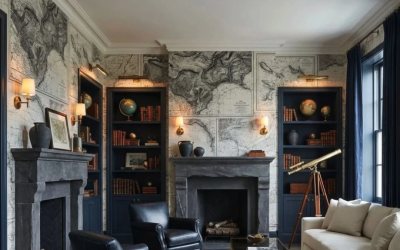
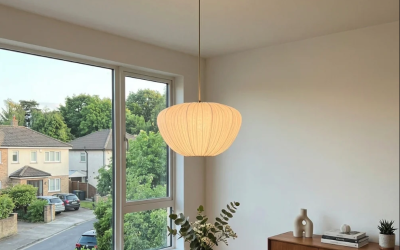
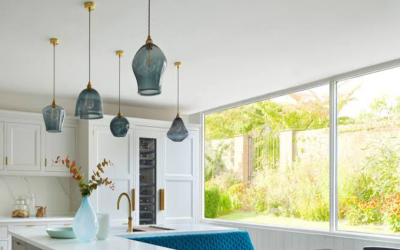
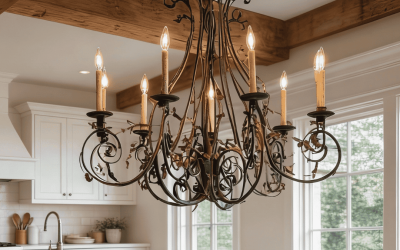
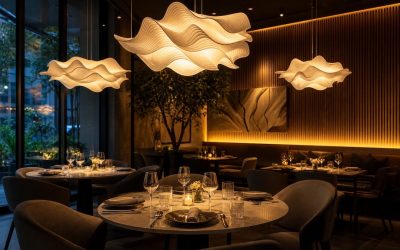
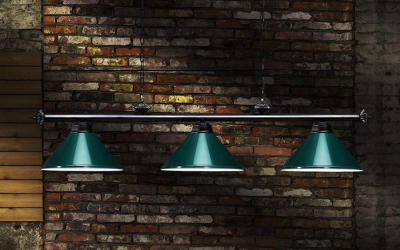
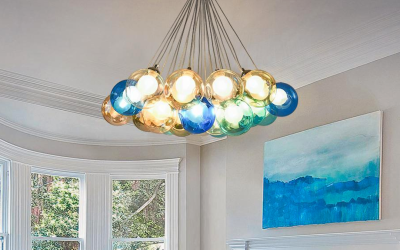
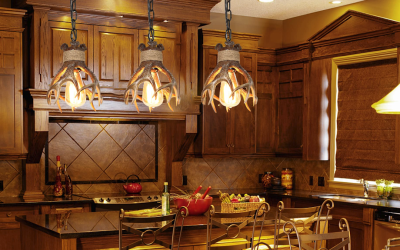
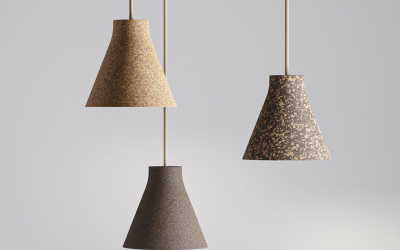
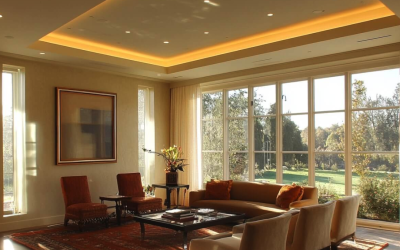
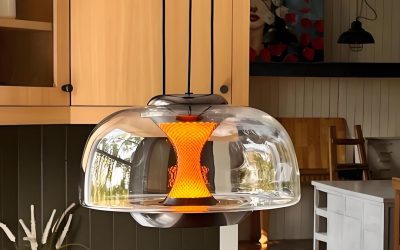


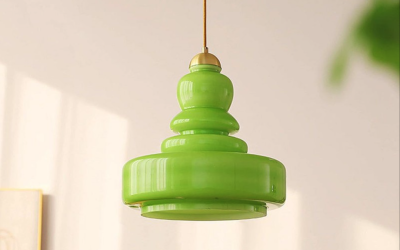
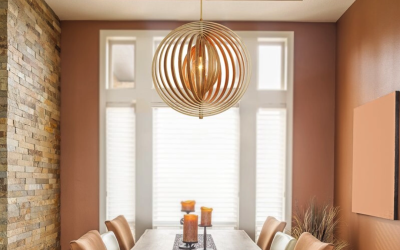
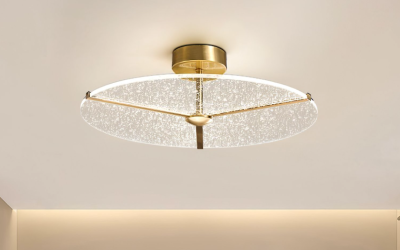
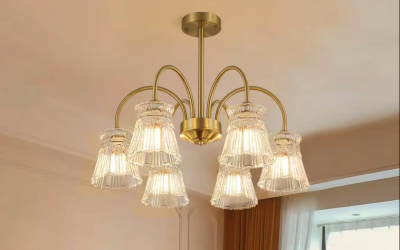

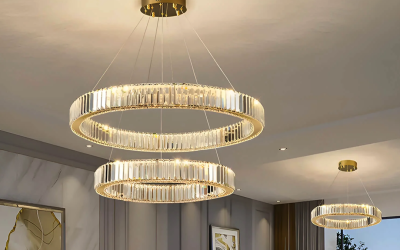
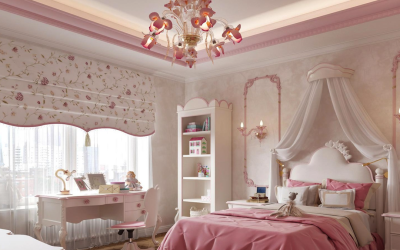
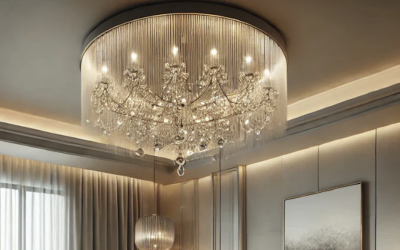
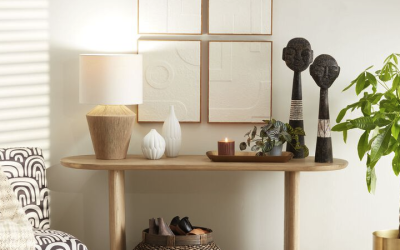
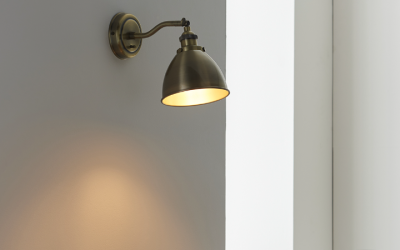

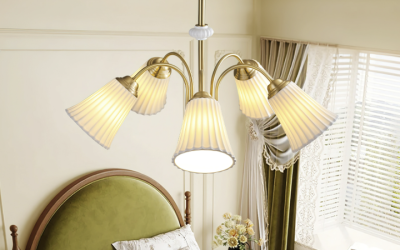
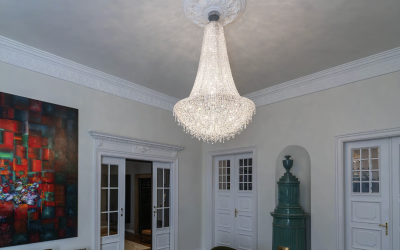
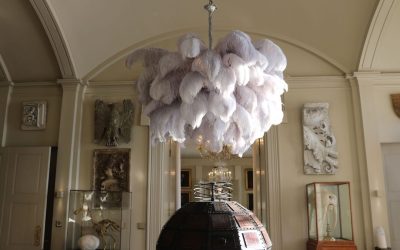
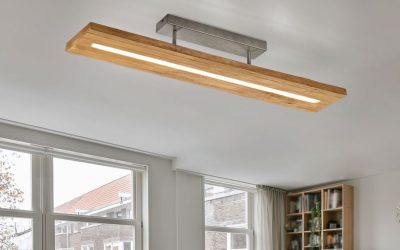
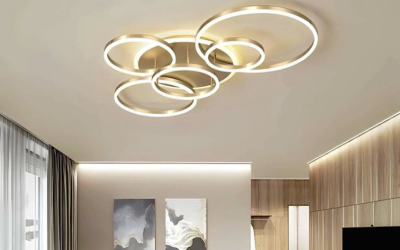
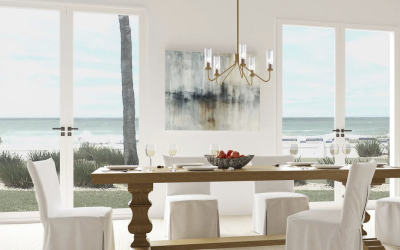


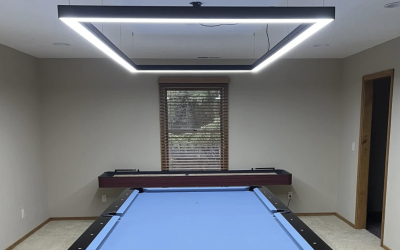
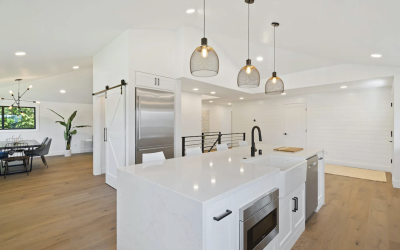
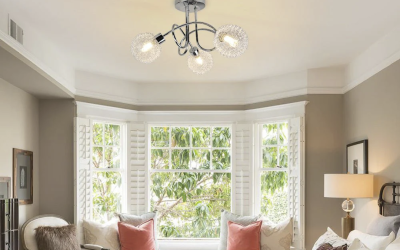





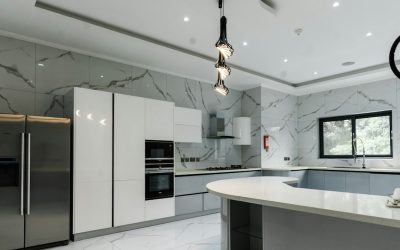
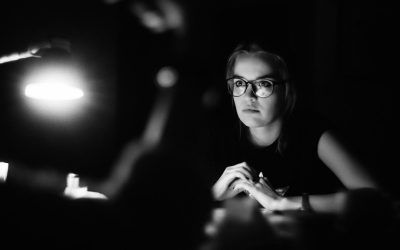


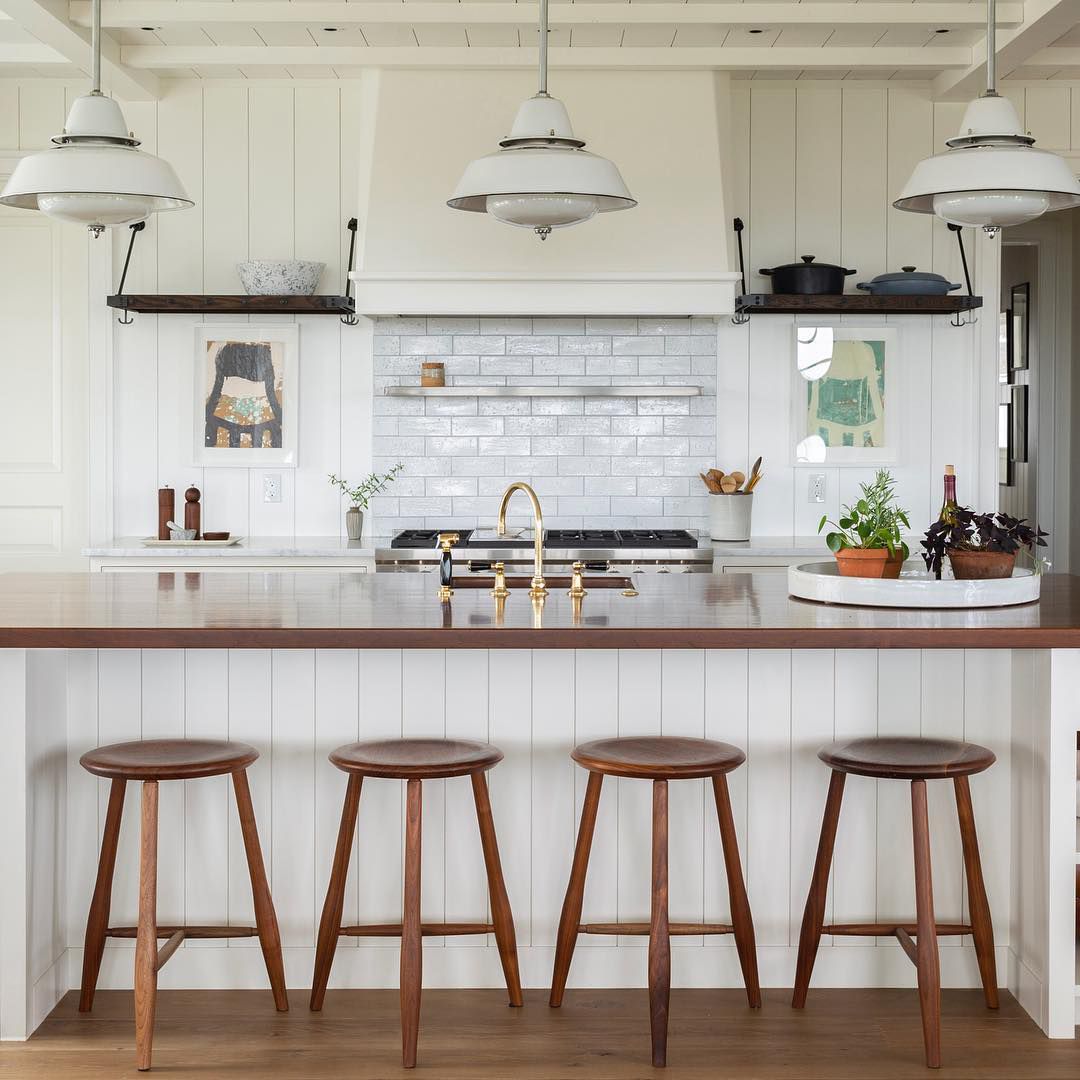
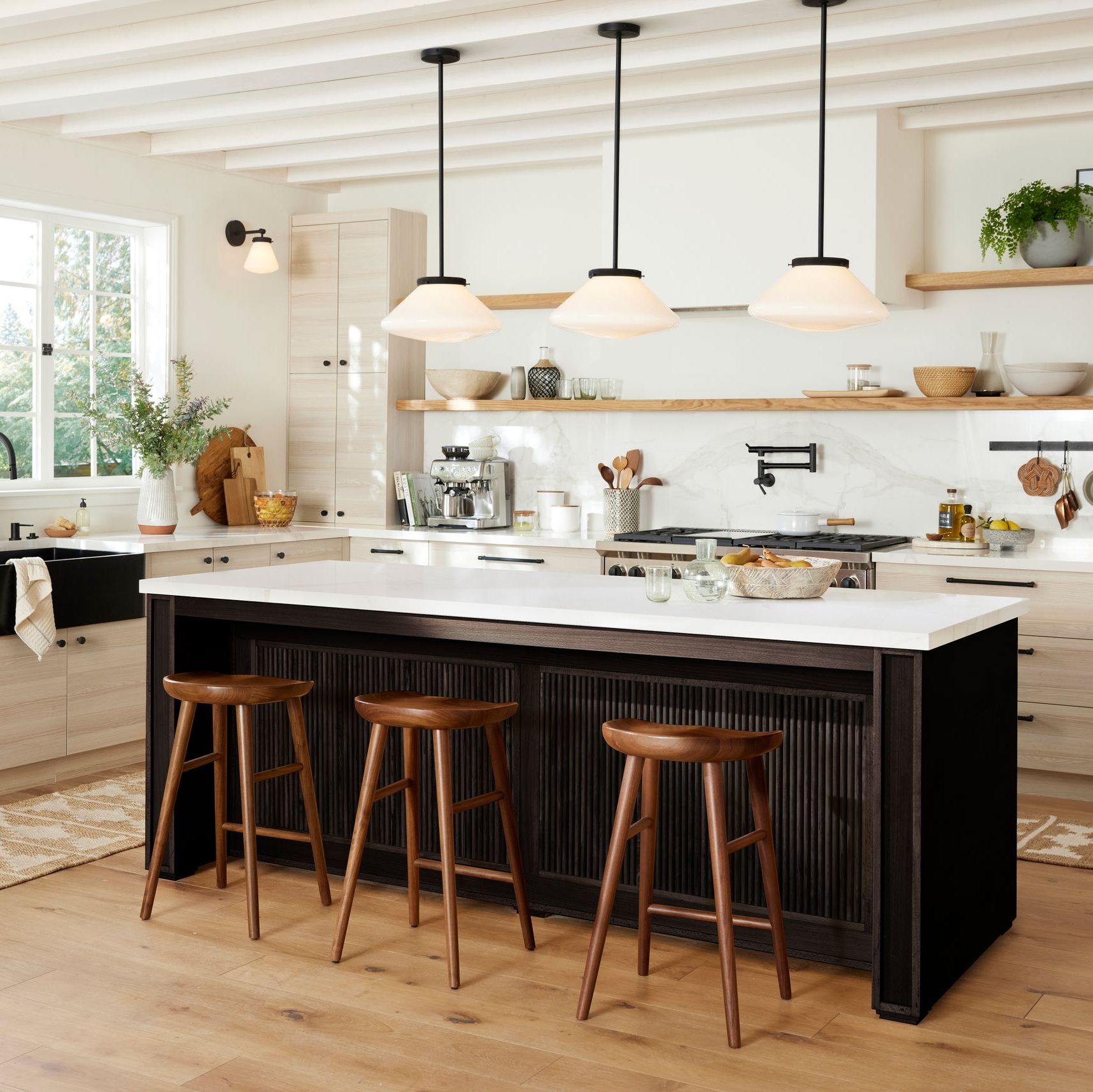


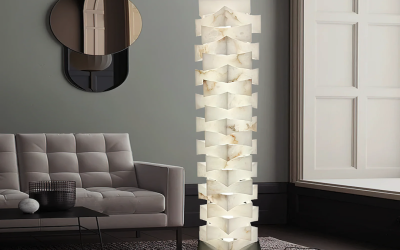
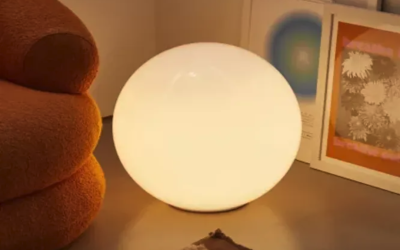
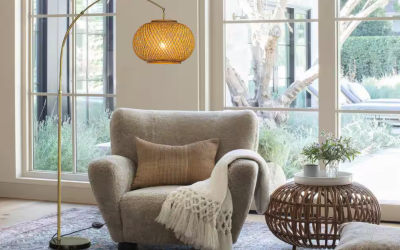
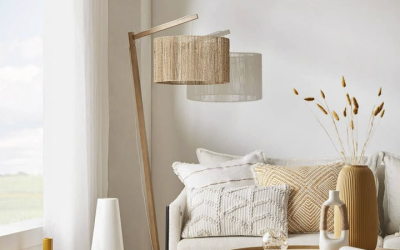






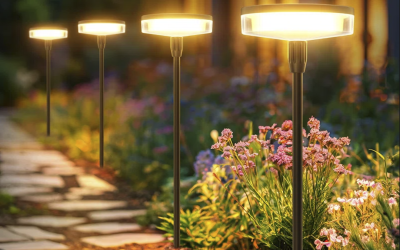
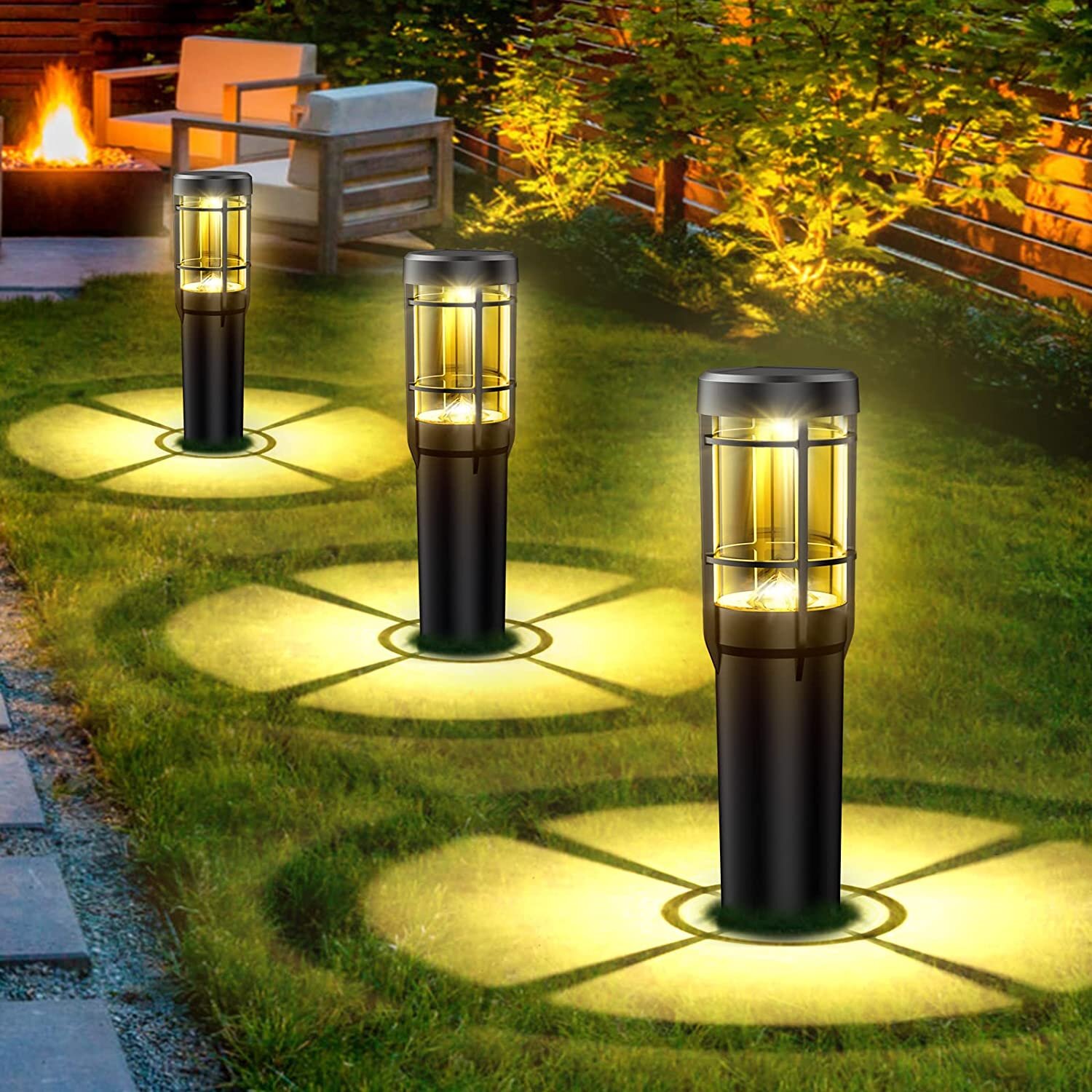

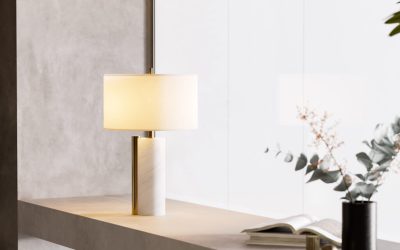
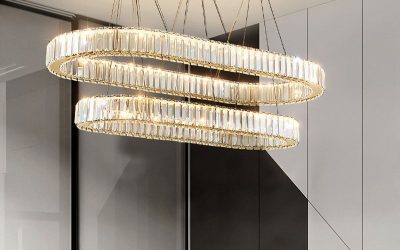
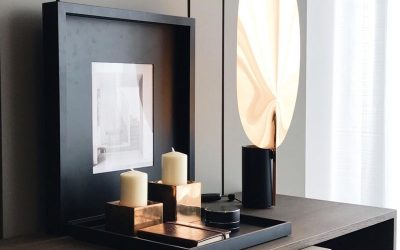
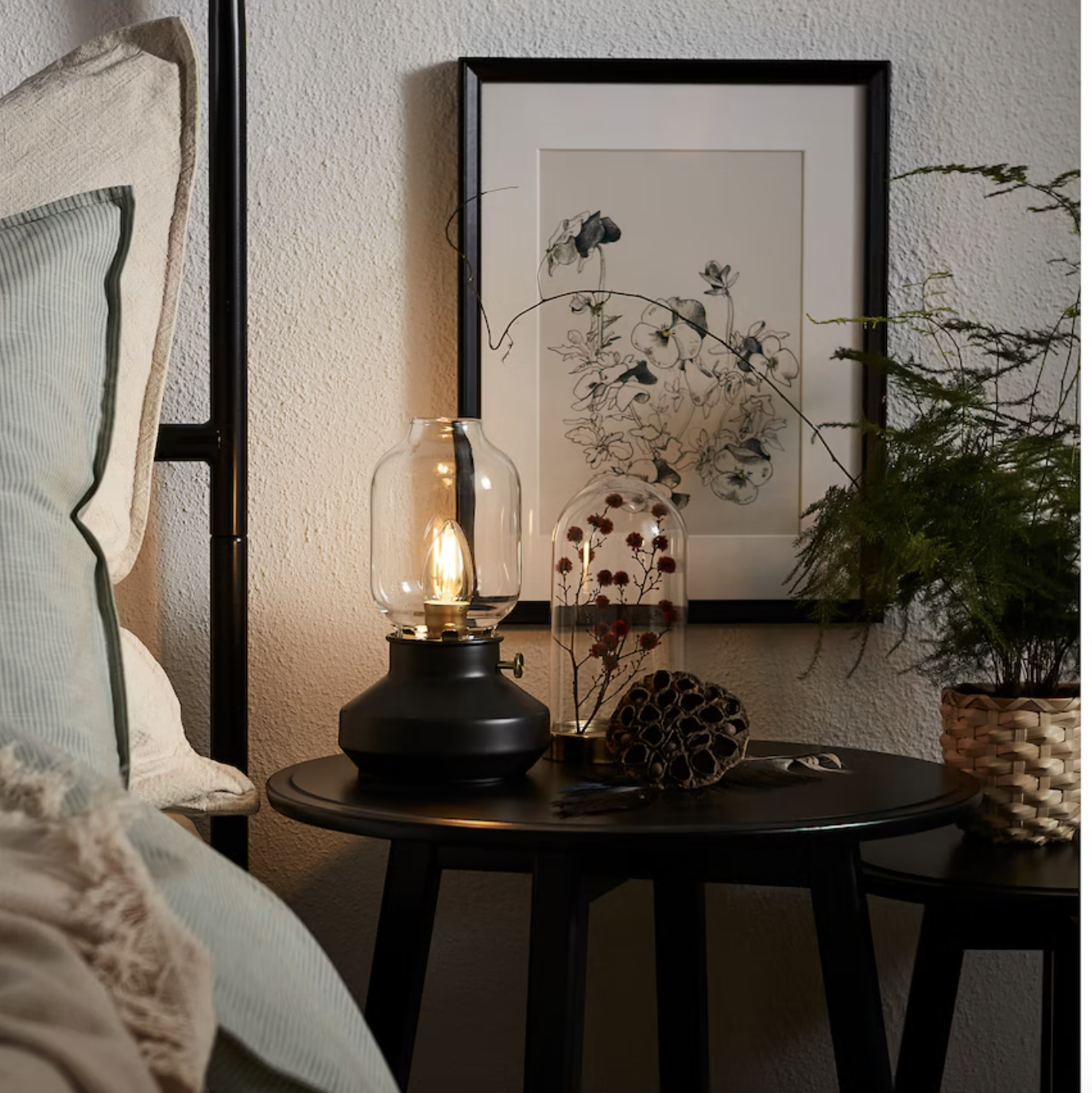

Lighting plays an integral role in shaping the perception and experience of a space. While bright, task-oriented lighting is essential for functionality, softer, ambient lighting contributes significantly to the creation of a relaxing atmosphere. This type of lighting aims to provide a gentle illumination that fosters a sense of calm, comfort, and well-being.
Ambient lighting is the foundational layer of illumination in a room. Its primary purpose is to provide a general level of light Mosundesign that allows for safe navigation and basic visibility. Unlike accent lighting, which highlights specific features, or task lighting, which illuminates areas for specific activities, ambient lighting seeks to bathe the entire space in a soft, diffused glow.
The Spectrum of Light and Its Impact
The color temperature of light, measured in Kelvin (K), significantly influences the perceived warmth or coolness of a space.
- Warm light (typically below 3300K) emits a yellowish, orange, or reddish hue, akin to candlelight or a sunset. This can evoke feelings of coziness and relaxation.
- Cool light (typically above 5000K) emits a bluish-white hue, resembling daylight. This can promote alertness and focus.
- Neutral light (between 3300K and 5000K) provides a balance between warm and cool, offering a clear and natural illumination.
For creating a relaxing atmosphere, warmer color temperatures are generally preferred. The human eye perceives warm light as less harsh and more inviting, contributing to a reduction in visual stress. Think of how the fading sunlight of dusk gently signals the end of the day, prompting a shift towards rest.
The Role of Brightness and Intensity
The intensity or brightness of light, measured in lumens, is another crucial factor. Dim lighting can contribute to a relaxed mood, but excessively dim light can be impractical and even disorienting. The goal is to achieve a level of illumination that is sufficient for comfort without being intrusive.
- Dimmer switches offer a practical solution for controlling light intensity, allowing for adjustment based on the time of day and the desired mood. They act as a dial for your room’s mood, allowing for subtle adjustments rather than broad strokes.
- Layering light at different intensities can create depth and visual interest, preventing the space from feeling monotonous or overly dark.
The Importance of Diffusion
Direct, harsh light can be jarring and create strong shadows, which is counterproductive to a relaxing environment. Diffusion softens the light, spreading it evenly and reducing glare.
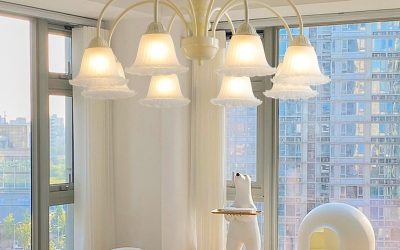
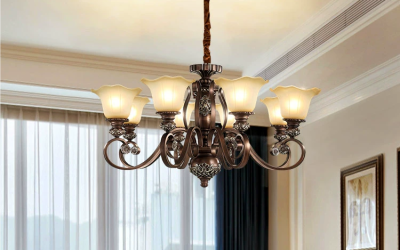
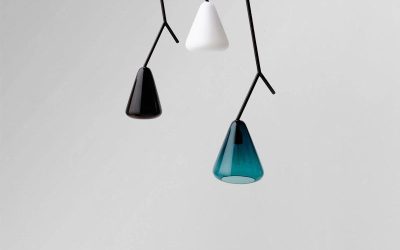
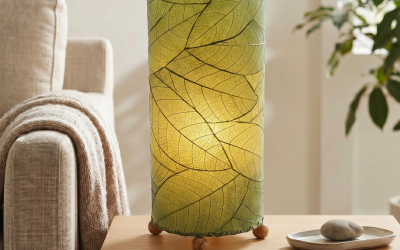
- Lampshades made from opaque or translucent materials, such as fabric, frosted glass, or paper, are common diffusion methods. These act as filters, transforming sharp rays into a gentle haze.
- Indirect lighting, where light sources are hidden and their beams are bounced off walls or ceilings, is an effective way to achieve diffusion. This creates a soft, ambient wash of light without a visible source, mimicking the natural way light illuminates a landscape.
Strategies for Implementing Soft Ambient Lighting
Creating a relaxing atmosphere through lighting involves a thoughtful approach to the types of fixtures used, their placement, and their control. It’s about building a sensory experience, much like composing a piece of music where each note contributes to the overall harmony.
Layering Light Sources
Relying on a single overhead fixture can often result in a flat, uninviting light. Instead, layering multiple light sources at different heights and intensities provides a more dynamic and inviting ambiance.
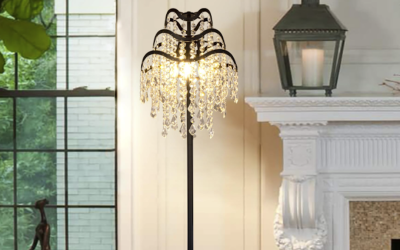
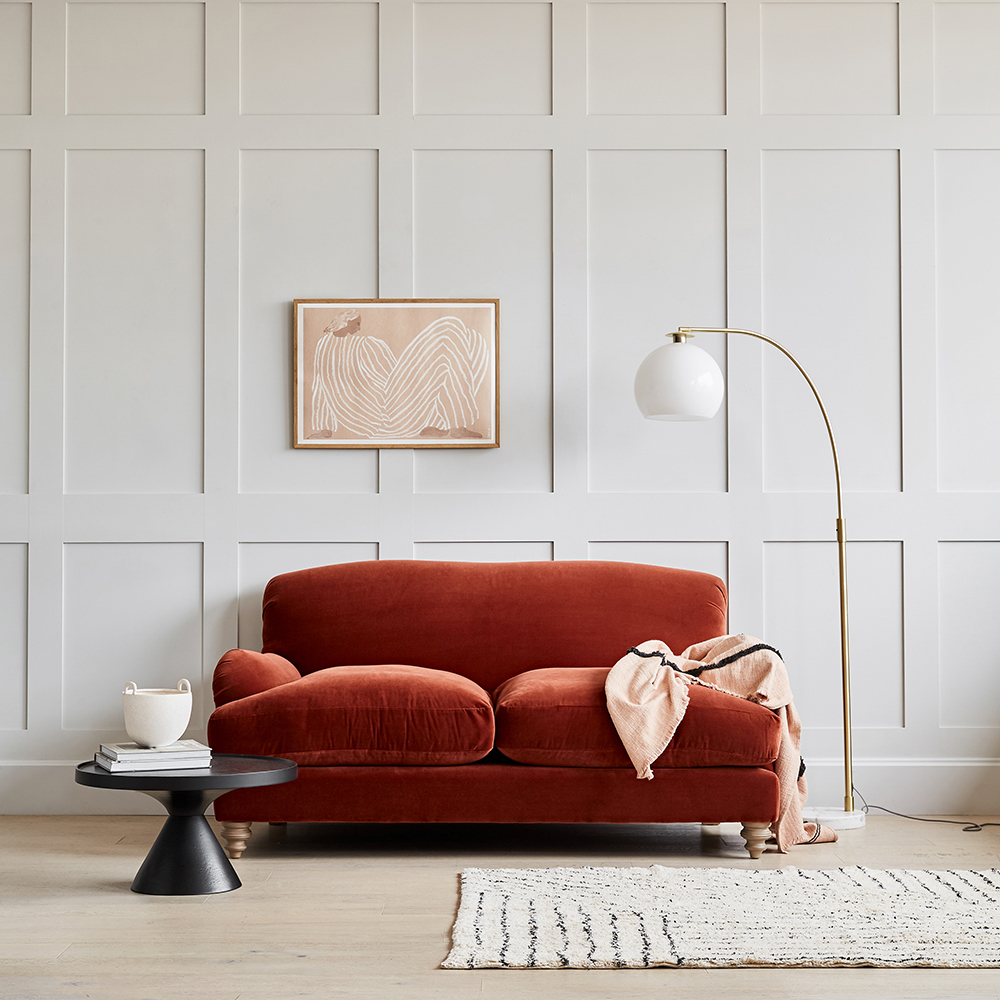
- Floor lamps positioned in corners or behind furniture can cast a soft upward or downward glow.
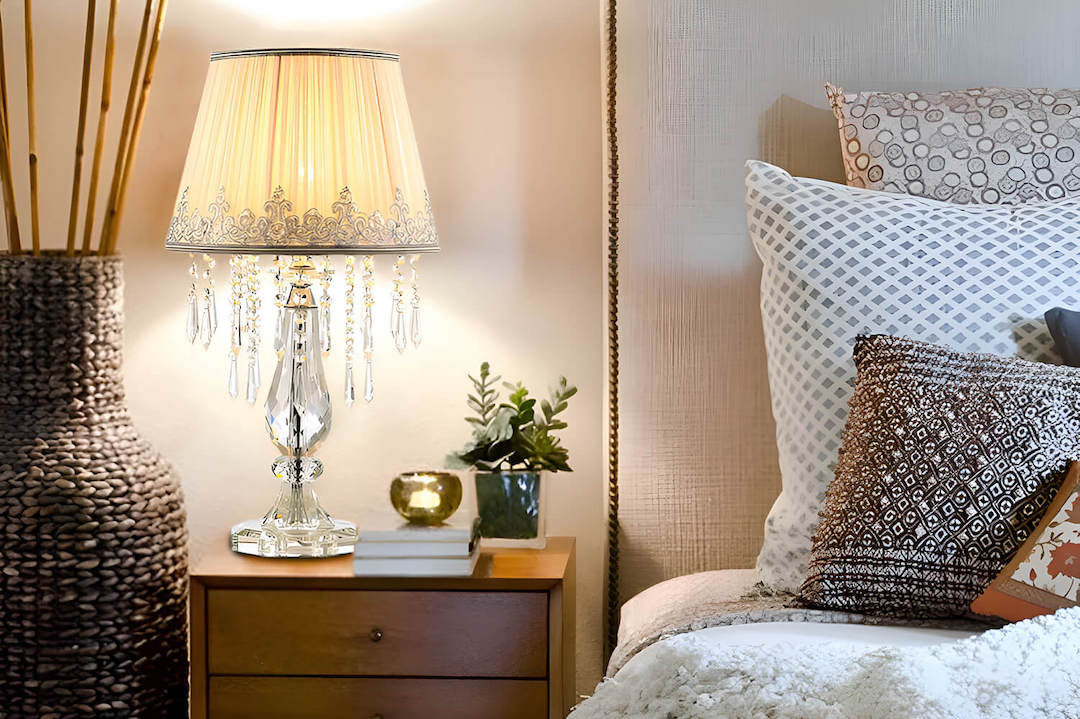
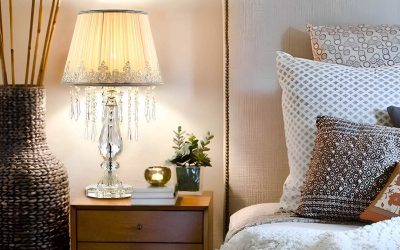
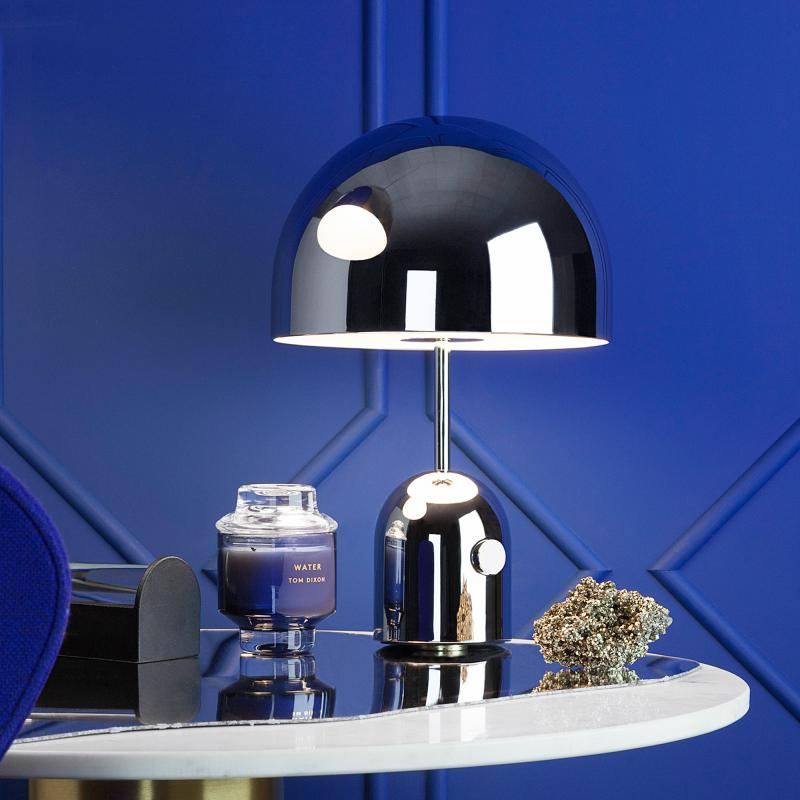
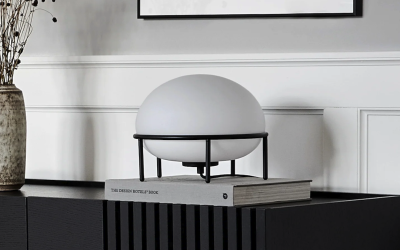
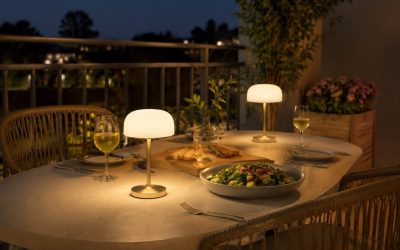
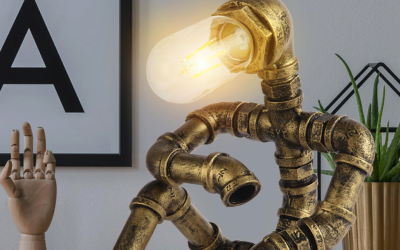
- Table lamps placed on side tables, desks, or consoles add localized pools of light, creating intimacy and warmth. These act as smaller, more intimate suns within the larger illumination.
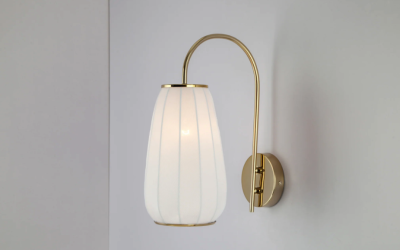
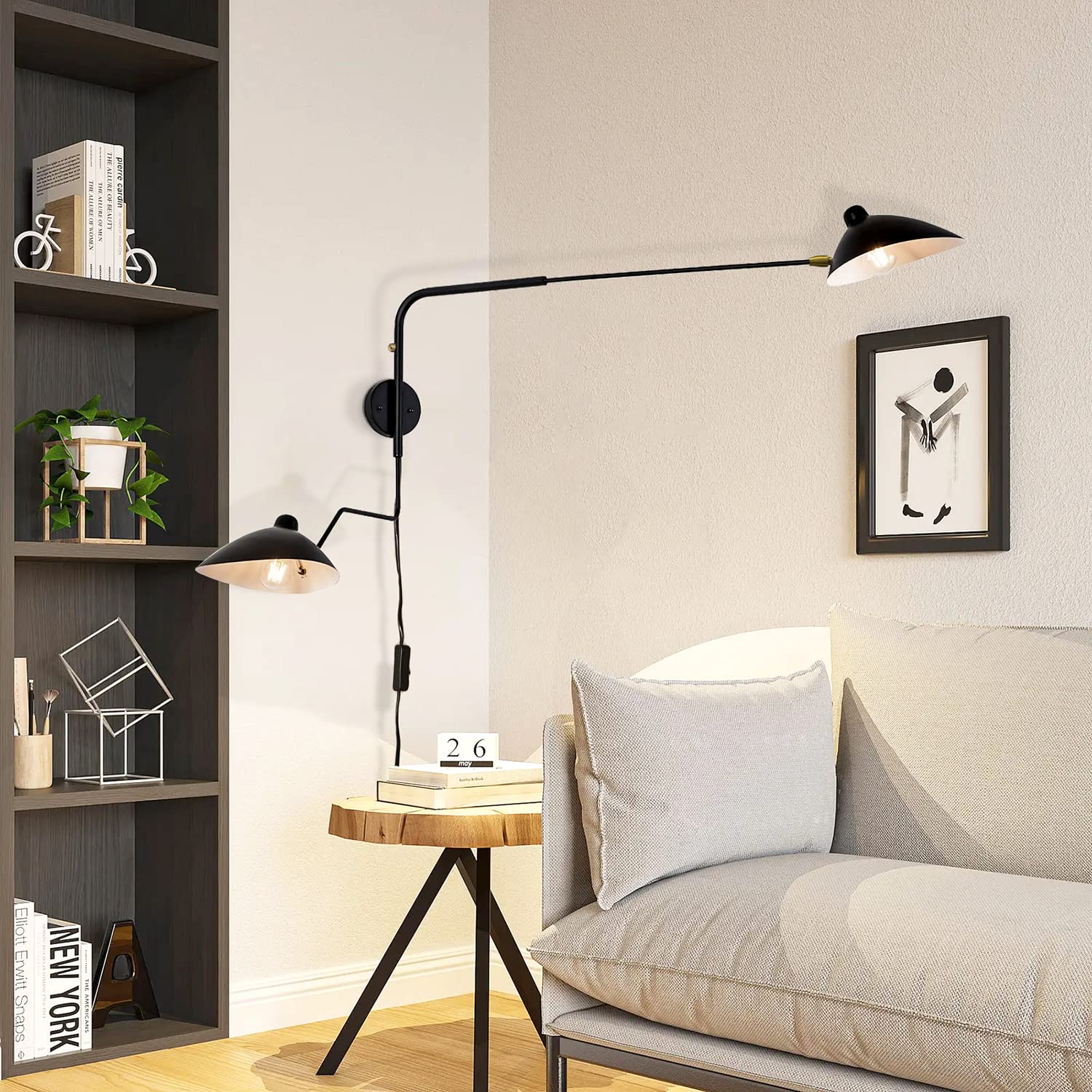
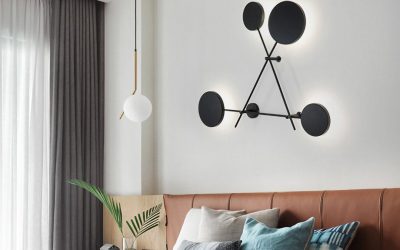
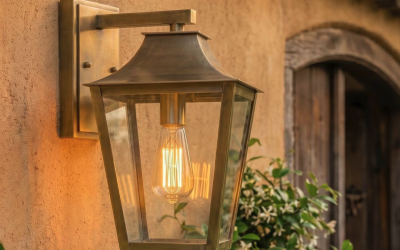
- Wall sconces can provide a gentle illumination that guides the eye and adds a decorative element.
Utilizing Natural Light
While this article focuses on artificial lighting, it’s important to acknowledge the significant role of natural light in creating a relaxing atmosphere.
- Maximizing daylight through the strategic placement of windows and the use of sheer or light-filtering curtains can contribute to a sense of well-being.
- Bringing the outdoors in with plants and natural materials can further enhance the connection to nature, which is often associated with relaxation.
Employing Dimmable Fixtures
The ability to control the intensity of light is paramount for tailoring the atmosphere to specific needs.
- Installing dimmer switches on existing light fixtures provides immediate flexibility. This allows you to adjust the light from a brighter setting for reading or conversation to a dimmer, more subdued setting for quiet contemplation.
- Choosing lamps with built-in dimmers offers a convenient and integrated solution for individual light sources.
Incorporating Warm Color Temperatures
As discussed earlier, warm light is generally more conducive to relaxation.
- Selecting bulbs with a low Kelvin rating (e.g., 2200K to 2700K) will produce a soft, yellowish light.
- Using colored bulbs sparingly can introduce subtle pops of warmth or color, but moderation is key to avoid creating a circus-like effect. Think of a single warm note in a melody rather than a cacophony.
Specific Applications of Soft Ambient Lighting
The principles of soft ambient lighting can be applied to various areas of the home to enhance comfort and promote relaxation.
Living Spaces
In the living room, where relaxation and social interaction often occur, soft ambient lighting is essential.
- Strategically placed floor lamps in corners can provide general illumination without overpowering the room.
- Table lamps on end tables offer localized light for reading or conversing, creating intimate zones.
- Dimmable ceiling lights can serve as the primary light source, allowing for adjustment based on the occasion. A gentle dimming of the room can be like drawing a soft curtain around your activities.
Bedrooms
The bedroom is a sanctuary for rest and rejuvenation, making soft ambient lighting particularly important.
- Bedside lamps with warm-toned bulbs and fabric shades provide a comforting glow for reading or winding down.
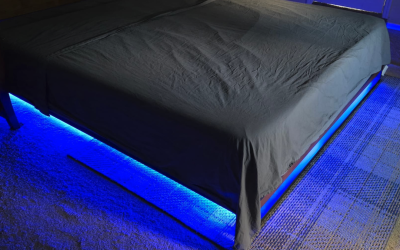
- Indirect cove lighting installed along the ceiling or behind the headboard can create a serene and ethereal ambiance.
- Avoid harsh overhead lighting that can disrupt the natural sleep cycle. The goal is to create an environment that whispers “rest” rather than shouting “awake.”
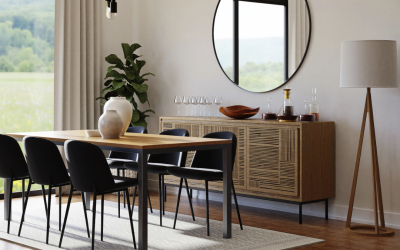
Dining Rooms
While dining often involves a need for sufficient light to appreciate the food, ambient lighting can also contribute to a pleasant dining experience.
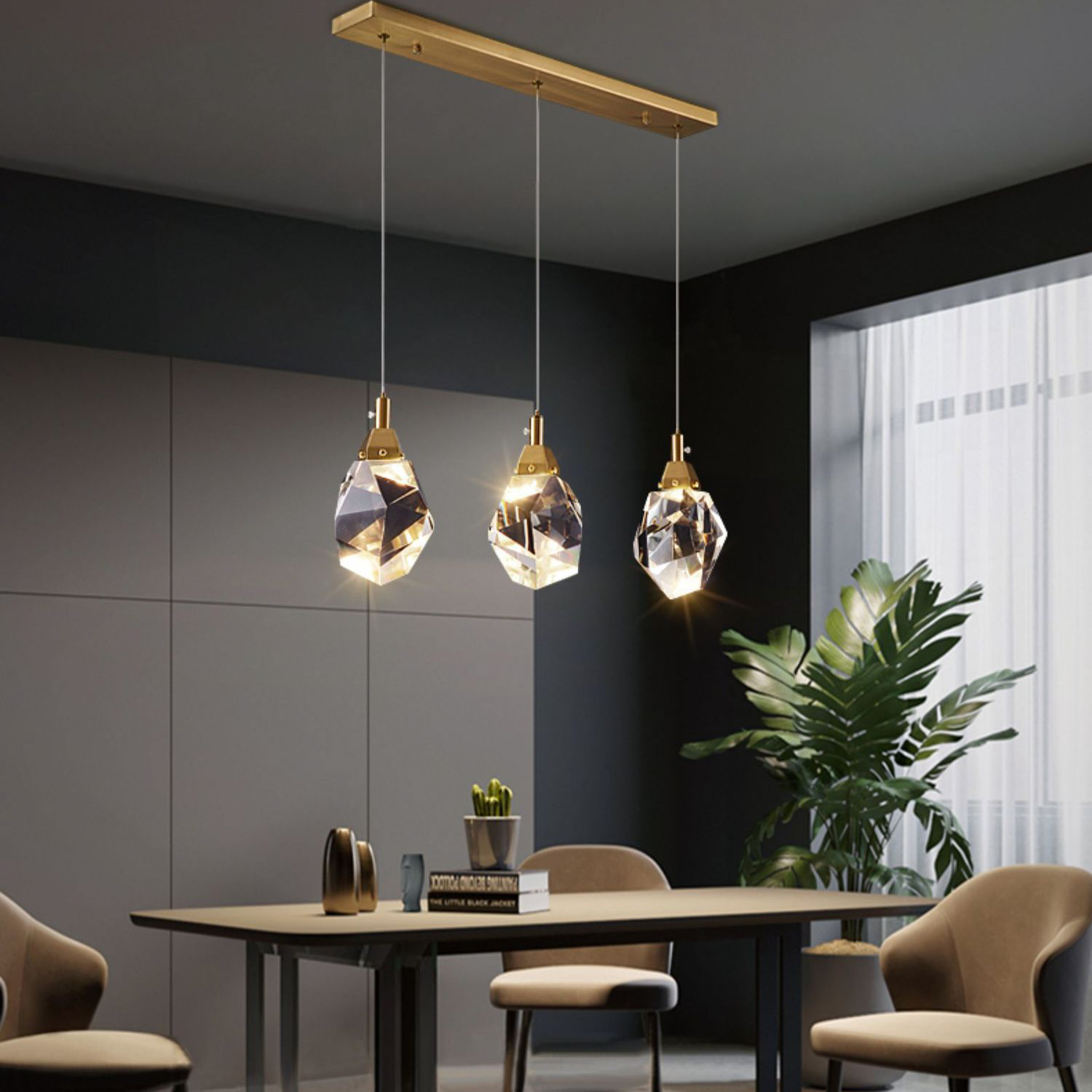
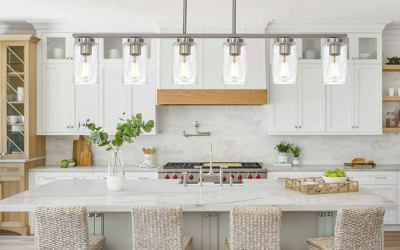
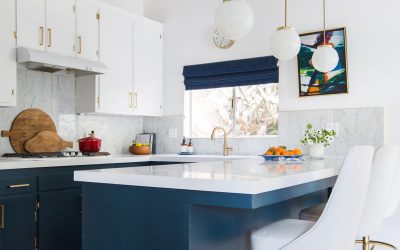
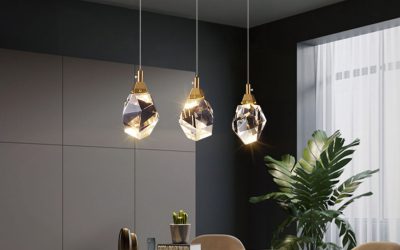
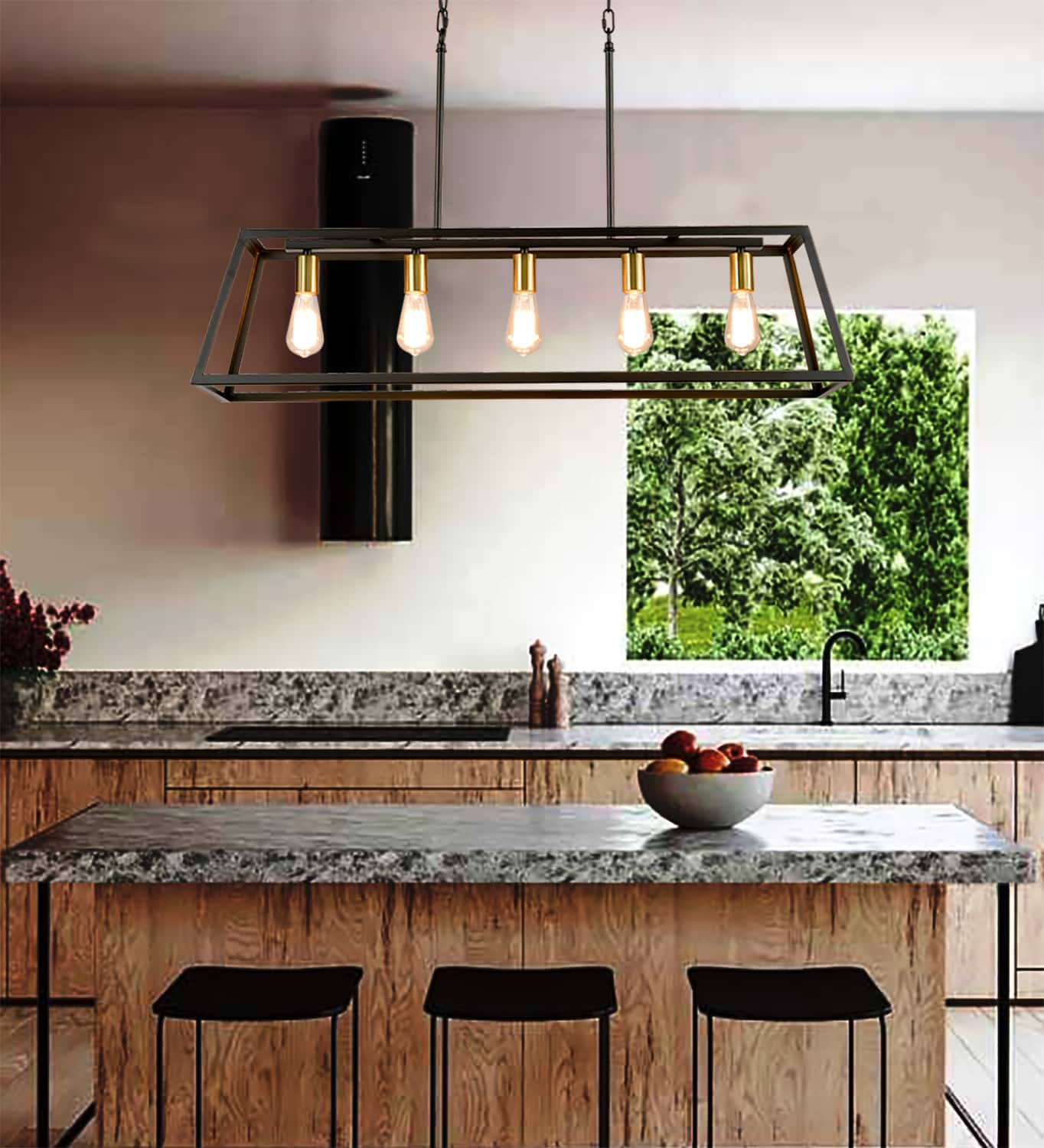
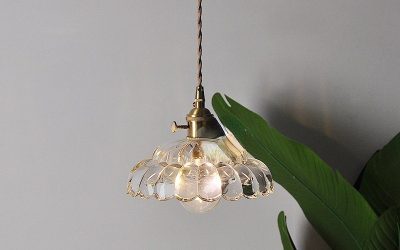
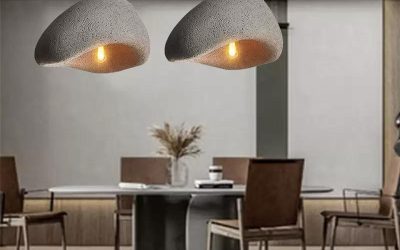
- Dimmable pendant lights over the dining table allow for adjustment from brighter settings for meal preparation to softer settings for conversation and enjoyment.
- Table lamps on buffets or sideboards can add a warm glow and supplement the overhead lighting. This creates a balance, ensuring visibility while fostering a more intimate atmosphere for shared meals.
Bathrooms
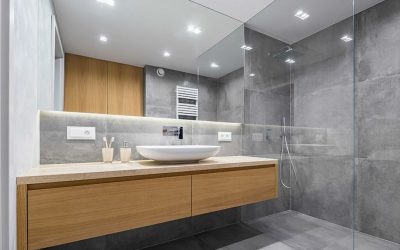
Even in task-oriented spaces like bathrooms, soft ambient lighting can enhance the experience.
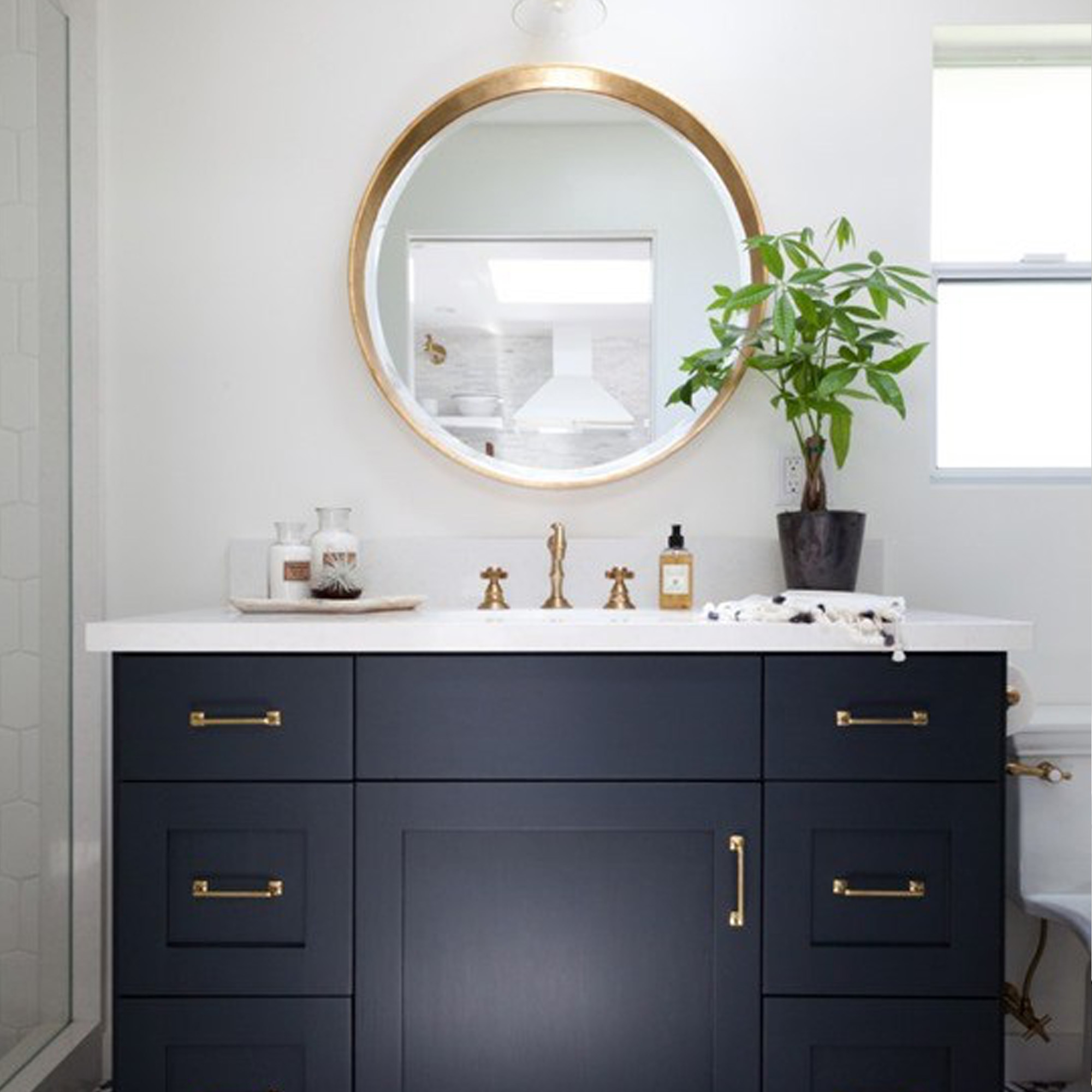
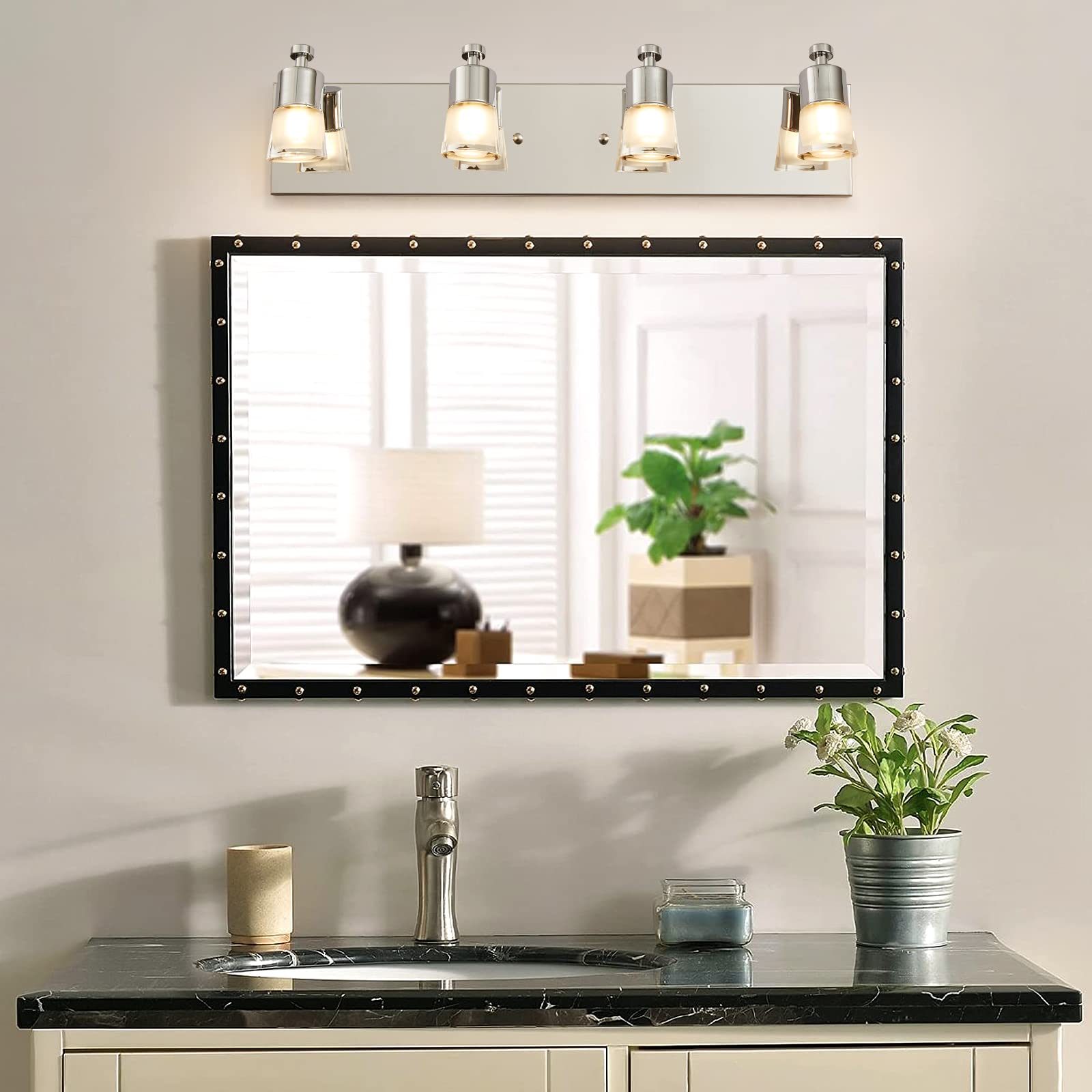
- Sconces on either side of the mirror provide flattering illumination for grooming, but choosing ones with diffused light can prevent harsh shadows.
- Dimmer switches on main bathroom lights allow for a more relaxing ambiance during baths or unwinding. Imagine the bathroom transforming from a functional space to a spa-like retreat.
Choosing the Right Fixtures and Bulbs
The selection of light fixtures and bulbs plays a crucial role in achieving the desired ambient lighting effect.
Types of Light Fixtures
The design and material of a light fixture significantly influence how light is distributed.
- Fabric shades are excellent for diffusing light, creating a soft and warm effect. They act like veils, softening the light’s intensity.
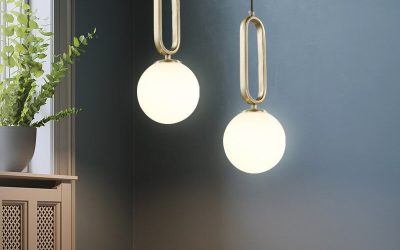
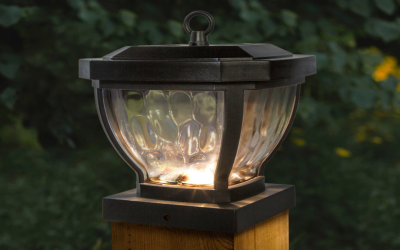
- Frosted glass or acrylic can also diffuse light effectively, offering a more contemporary look.
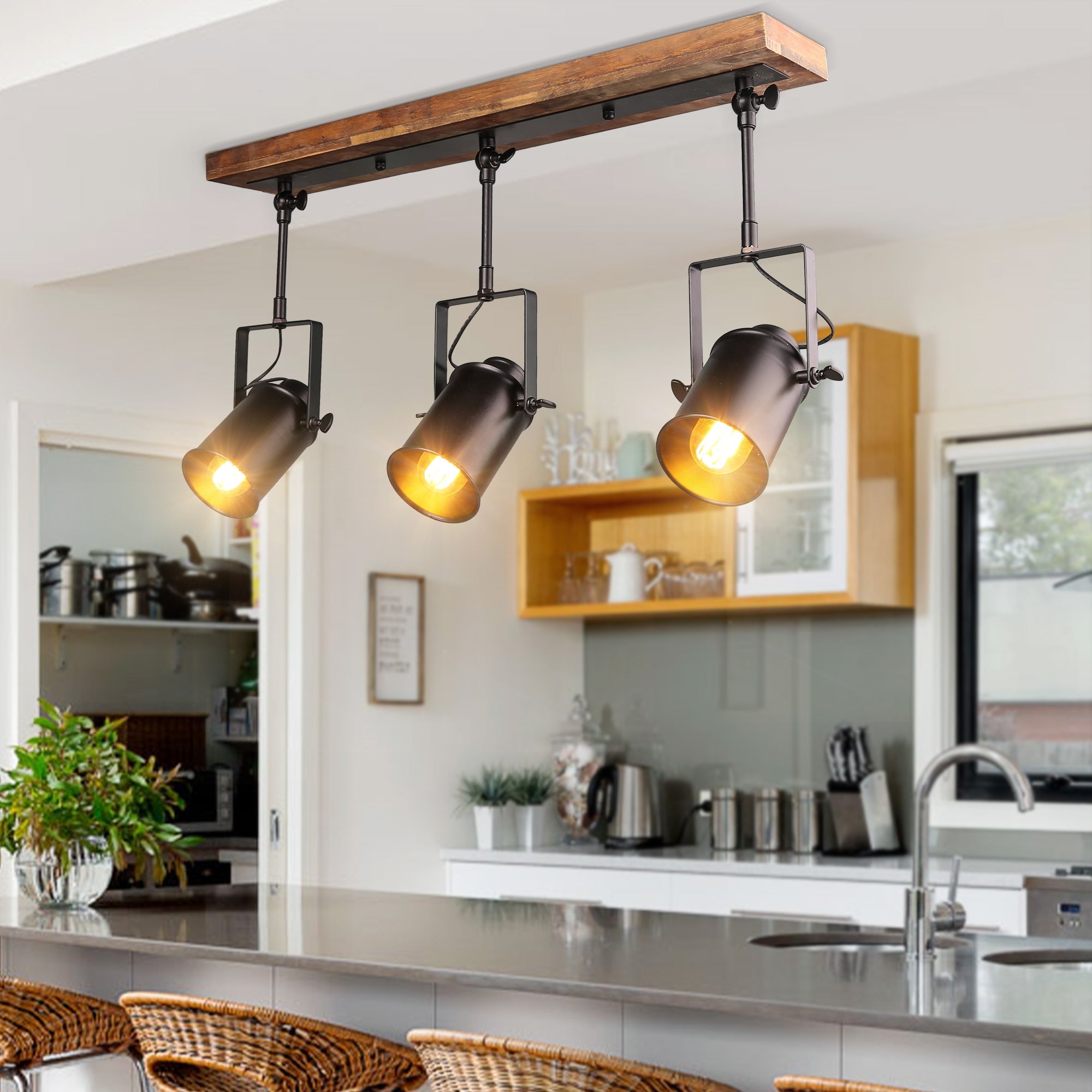
- Caged or louvered fixtures can direct light in specific patterns, which may not always be conducive to a universally relaxing atmosphere, so careful consideration of their application is needed.
Bulb Technologies
The evolution of lighting technology offers various options for achieving soft ambient light.
- Incandescent bulbs are known for their warm, dimmable quality, but they are less energy-efficient.
- LED bulbs are highly energy-efficient and offer a wide spectrum of color temperatures. Look for LEDs labeled as “warm white” or with a Kelvin rating below 3000K.
- Smart bulbs provide advanced control over brightness, color temperature, and even color, allowing for highly customizable ambient lighting scenes. They are like digital conductors, allowing you to orchestrate the mood of your space with precise control.
Placement and Direction
The strategic placement and direction of light sources are critical for creating a layered and inviting ambiance.
- Uplighting, where light is directed upwards towards the ceiling, creates a soft, diffused glow that bounces back into the room. This is like sunlight gently illuminating a vast dome.
- Downlighting, when diffused and at a lower intensity, can create pools of warmth.
- Avoiding direct glare is paramount. Light sources should ideally be shielded or indirect to prevent visual discomfort.
The Psychological and Physiological Effects of Soft Lighting
The influence of lighting extends beyond aesthetics, impacting our mood, emotions, and even our physical well-being.
Impact on Mood and Emotion
Soft, warm lighting is often associated with feelings of:
- Comfort and security: The gentle illumination can create a sense of being sheltered and safe, reducing feelings of anxiety.
- Relaxation and tranquility: The absence of harsh glare and the presence of warm hues can promote a state of calm.
- Intimacy and connection: In social settings, softer lighting can encourage closer interactions and deeper conversations.
Influence on Sleep Cycles
Exposure to light, particularly blue light emitted from screens and bright artificial lights, can suppress the production of melatonin, a hormone crucial for regulating sleep.
- Reducing exposure to bright, cool-toned light in the hours leading up to bedtime can help signal to the body that it is time to wind down.
- Opting for warm, dim lighting in the evening can promote relaxation and prepare the body for sleep. This gentle shift in illumination is like a lullaby for your circadian rhythm.
Reducing Visual Stress
Bright, exposed light sources can cause eye strain and headaches.
- Diffused and indirect lighting minimizes glare and reduces the effort required for the eyes to adjust, leading to a more comfortable visual experience.
- Dimmer switches allow for the adjustment of light intensity to suit individual preferences and reduce visual fatigue.
Considerations for Different Room Types and Purposes
While the general principles of soft ambient lighting remain consistent, specific adaptations can optimize its effectiveness in different environments.
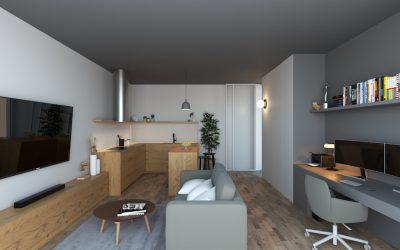
Home Offices and Creative Spaces
While relaxation is the primary goal in mind, even in spaces dedicated to work or creativity, elements of soft lighting can be beneficial.
- Task lighting is still essential for functionality, but it can be complemented by softer ambient sources to prevent the space from feeling sterile. A gentle warmth can combat the starkness that can sometimes accompany focused work.
- Dimmable options allow for transitioning from a more focused work environment to a more relaxed state when needed. This might involve reducing the overall light intensity and relying on softer accent pieces.
Entertainment Areas
In rooms designed for entertainment, such as home theaters or media rooms, controlling light is crucial for optimal viewing experiences.
- Minimizing glare on screens is a priority. Soft, indirect lighting can be used to illuminate the perimeter of the room without distracting from the visual content.
- Creating specific lighting scenes for different types of entertainment, such as a dim, cozy setting for watching movies or a slightly brighter setting for playing board games, can be achieved with smart lighting systems.
Transitional Spaces (Hallways and Entryways)
These areas, often overlooked, can benefit from soft ambient lighting to create a welcoming and calming transition.
- Low-level lighting such as wall sconces or strategically placed floor accents can provide guidance and warmth.
- Slightly dimmer settings than the main living areas can signal a shift towards a more relaxed state upon entering the home. This is the gentle handshake of your home, welcoming you in.
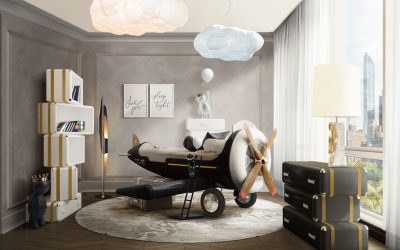
Bedrooms and Nurseries
The emphasis on calm and rest is paramount in these spaces.
- In bedrooms, the goal is to create a serene environment conducive to sleep. Soft, warm lighting is ideal.
- For nurseries, while safety and visibility are important, overly bright or stimulating lights should be avoided. Gentle night lights with warm tones can provide reassurance without disrupting sleep patterns. The soft glow is a gentle reminder that you are there, a silent guardian.
Conclusion
Soft ambient lighting is a powerful tool for shaping the atmosphere of any space. By understanding the principles of light, color temperature, diffusion, and layering, individuals can transform their homes into havens of relaxation and well-being. It is about creating an environment that nurtures the senses, reduces stress, and fosters a sense of peace. The deliberate application of soft ambient lighting is an investment in comfort, inviting a sense of tranquility that pervades the entire living experience, much like a gentle melody that soothes the soul.