









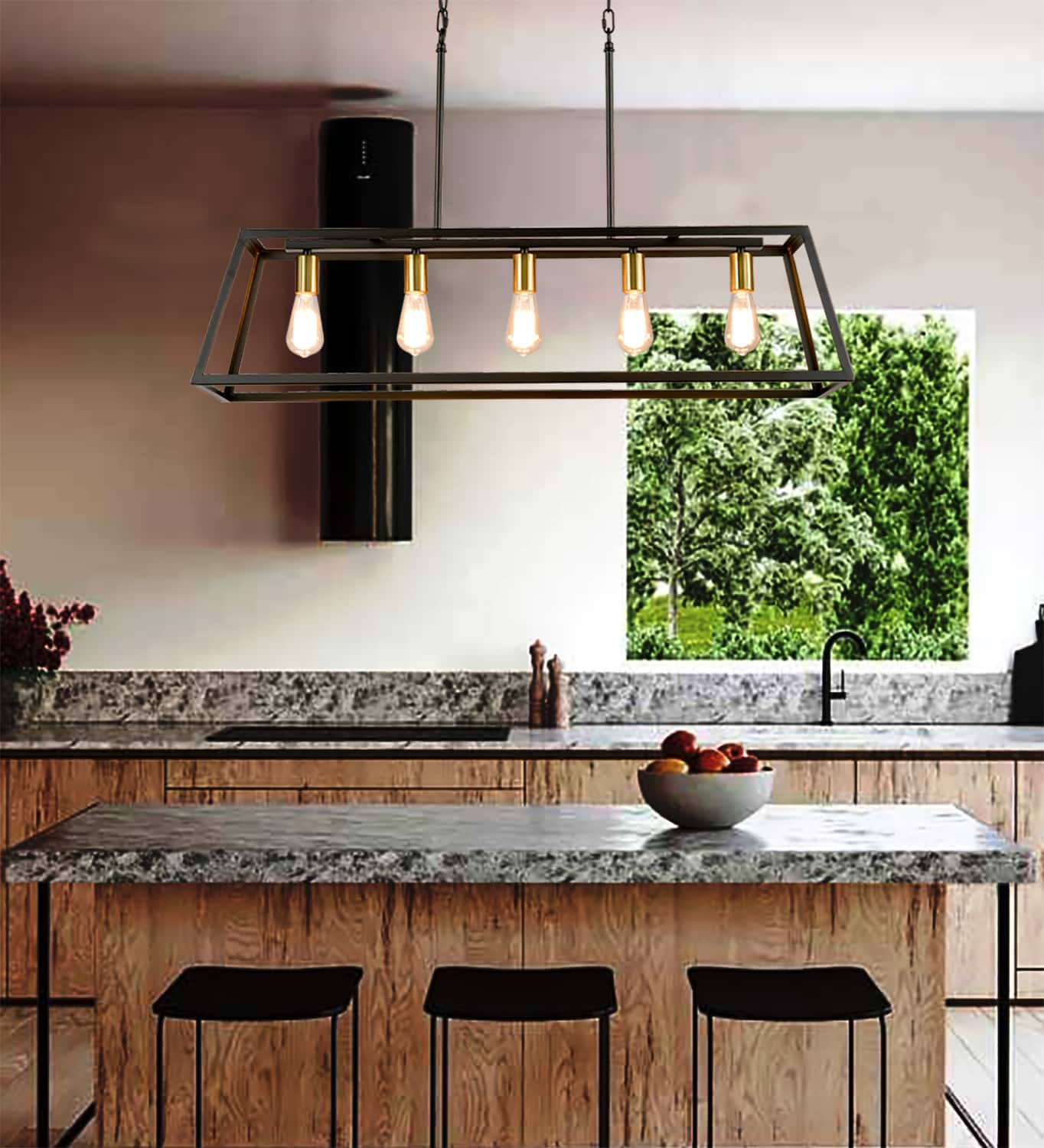
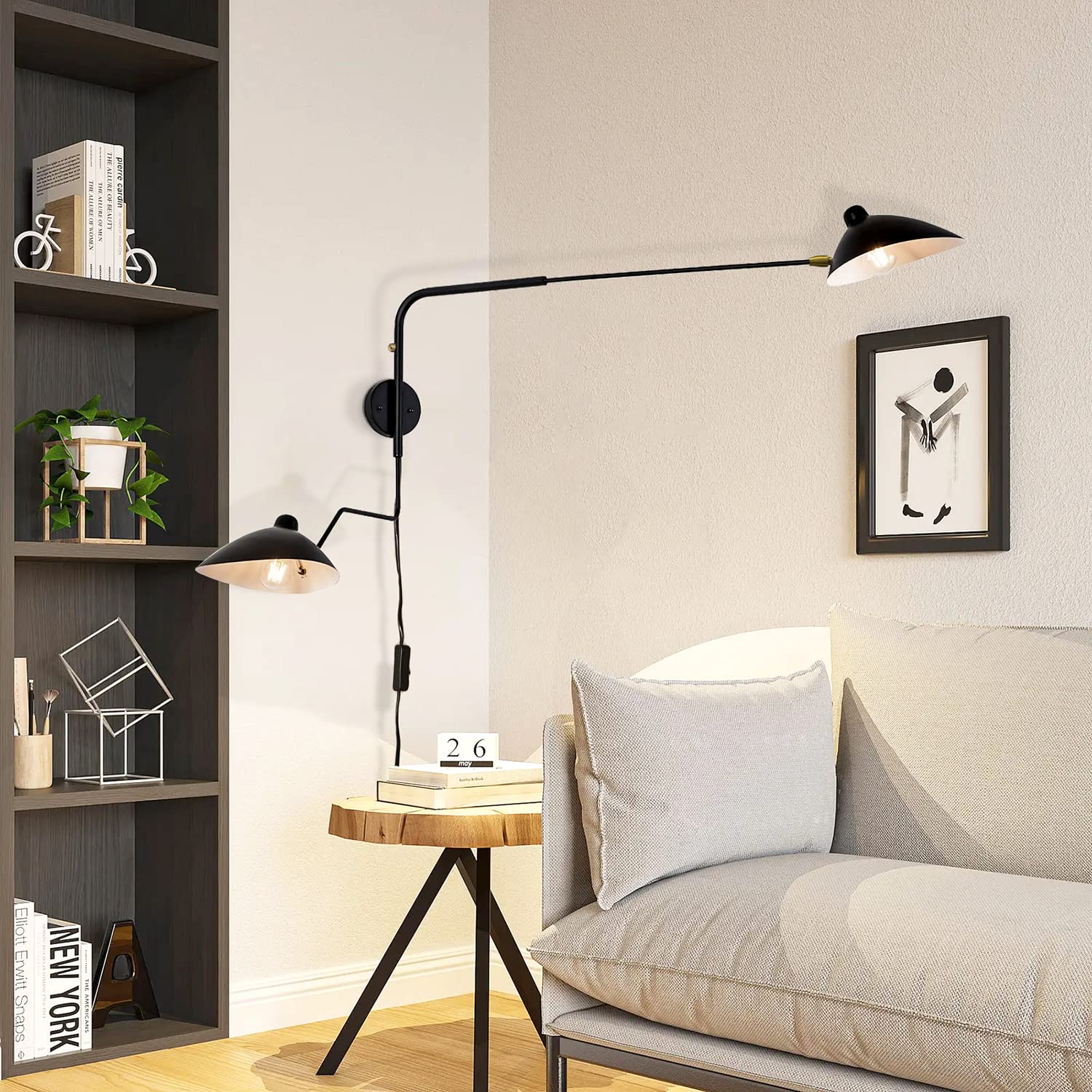




Outdoor wall lights serve practical and aesthetic purposes for residences. They illuminate entryways, pathways, and architectural features, thereby enhancing safety and curb appeal. The selection and placement of these fixtures contribute significantly to the overall ambiance and functionality of the exterior of a home. This article will explore various aspects of using warm outdoor wall lights to enhance a residence, covering their functional benefits, aesthetic considerations, types of fixtures, installation, and maintenance.
Outdoor wall lights provide a tangible increase in safety and security around a residential property. Poorly lit areas can become hazards, increasing the risk of trips and falls, especially for elderly residents or visitors. Well-placed lights create illuminated zones that make movement at night safer and more accessible.
Enhancing Safety and Security
Exterior lighting acts as a deterrent to potential intruders. Homes that are visibly lit are perceived as occupied and more difficult targets. Motion-sensor lights, in particular, can startle unwelcome visitors, prompting them to leave the premises. Illuminated entryways ensure that residents and guests can navigate their surroundings without fear or uncertainty. This applies to not only main entrances but also to side doors, garage access, and any other points of entry.
Illuminating Entryways and Pathways
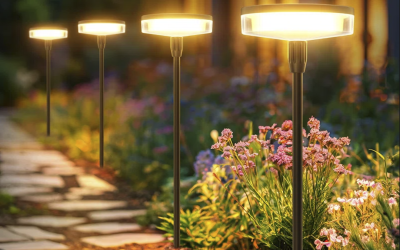
The primary entryway of a home is often the first impression a visitor receives. Warm wall lights can warmly welcome guests, making the entrance feel inviting rather than stark. Similarly, pathways leading to the front door, garden gates, or other areas of the property become navigable and safe. Garden paths, especially those that may be uneven or have steps, benefit greatly from strategic lighting to prevent accidents. Walkway lights and step lights, often complementing wall-mounted fixtures, work in tandem to create a cohesive and safe outdoor experience.
Deterring Intruders
The psychological impact of lighting on potential criminals is significant. A dark house can appear abandoned, even if it is not. Activated lights, especially those that turn on unexpectedly due to motion detection, can create the impression of activity and presence. This proactive measure can save homeowners from the distress and financial burden of burglary. The visibility provided by outdoor wall lights allows for easier identification of individuals approaching the property, which can be an asset for personal safety.
Illuminating Architectural Features and Landscaping
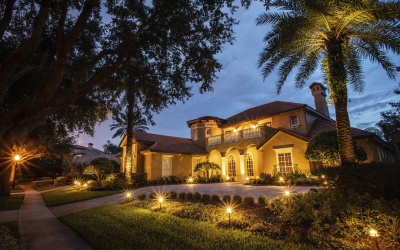
Beyond security, outdoor wall lights are a powerful tool for highlighting the aesthetic qualities of a home. They can draw attention to the architectural details that make a house unique, such as textured brickwork, decorative trim, or interesting rooflines. The play of light and shadow can transform the appearance of a building after dark, giving it a dramatic and sophisticated look.
Showcasing Architectural Details
The facade of a house is its face to the world. Uplighting or downlighting from wall fixtures can accentuate the volume and texture of materials like stone or wood. Highlighting columns, archways, or window frames can add a sense of grandeur and depth. This is akin to a painter using light and shadow to bring a canvas to life, but in this case, the canvas is the exterior of the home.
Uplighting and Downlighting Techniques
Uplighting, where a fixture directs light upwards, can accentuate the height and features of a wall or tree. Downlighting, conversely, casts light downwards, often creating a more functional and inviting glow. Combining these techniques can create complex and visually appealing lighting schemes. For instance, a downlight above a doorway welcomes visitors, while an uplight on a textured wall behind it adds visual interest.
Accent Lighting for Gardens and Patios
Outdoor wall lights are not limited to illuminating the immediate vicinity of the house. They can also be used to create ambiance in garden settings or on patios and decks. Strategically placed fixtures can illuminate seating areas, water features, or specimen plants, extending the usability of these outdoor spaces into the evening hours. This transforms the garden from a daytime retreat to a captivating nighttime environment.
Aesthetic Considerations for Warm Outdoor Wall Lights
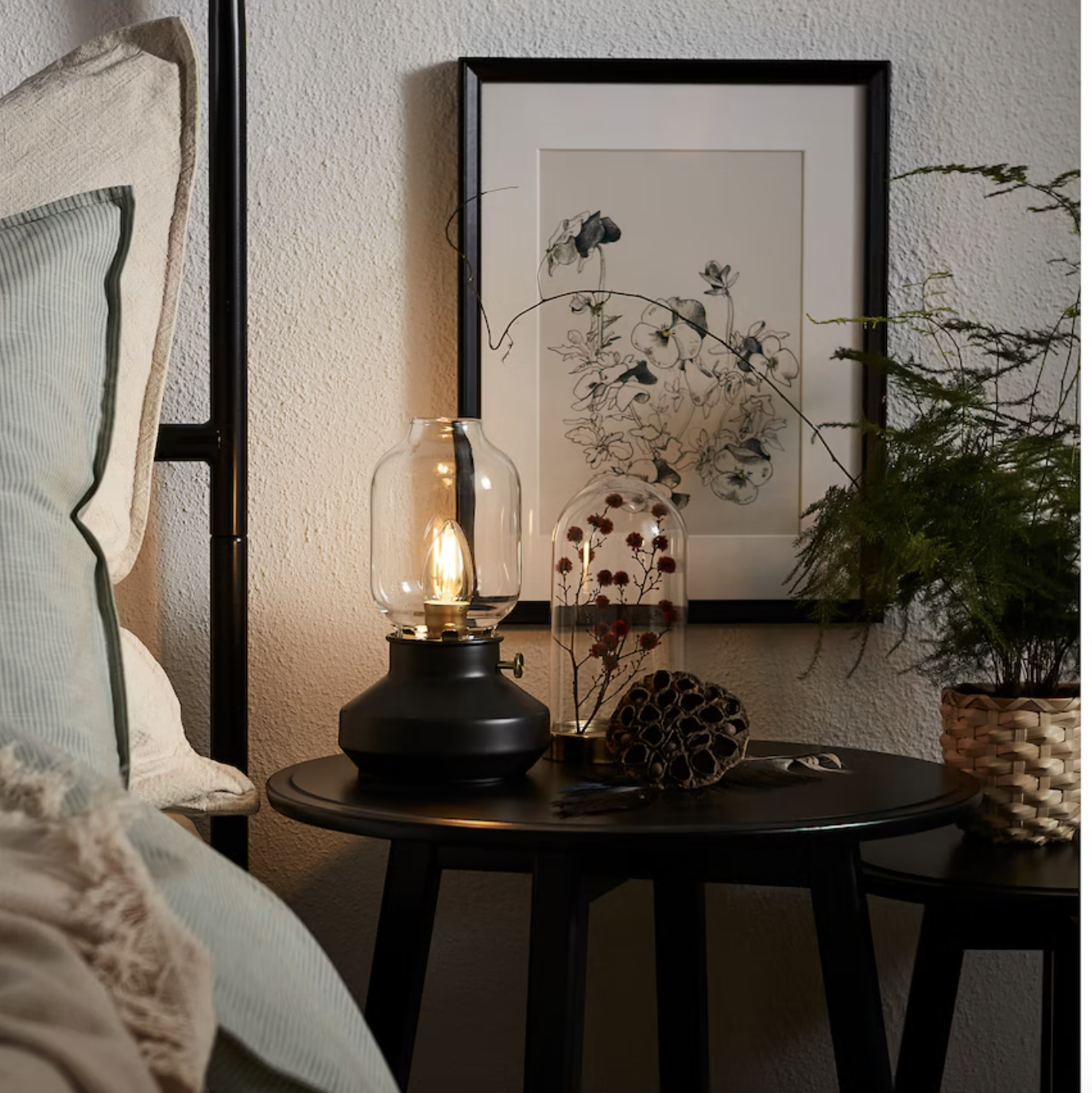
The term “warm” in outdoor wall lights refers to the color temperature of the light emitted. This is typically measured in Kelvin (K), with lower Kelvin values indicating warmer, more yellowish light, and higher values indicating cooler, bluer light. Warm light, generally in the range of 2700K to 3000K, creates a more inviting and natural atmosphere compared to cooler, harsher lighting.
Understanding Color Temperature and Brightness
The choice of color temperature is crucial for setting the desired mood. Cool white light can sometimes appear sterile or clinical, while warm light fosters a sense of comfort and relaxation. This is why living rooms and bedrooms often feature warm lighting. The same principle applies to the exterior of a home, where a welcoming and hospitable atmosphere is often desired.
The Impact of Kelvin (K) on Ambiance
A 2700K bulb, for example, will produce a soft, yellowish glow reminiscent of incandescent bulbs. As the Kelvin rating increases, the light becomes whiter. For outdoor residential lighting, leaning towards the lower end of the Kelvin scale is generally recommended for creating a warm and inviting aesthetic. This is not about scientific measurement alone, but about the emotional response the light evokes.
Lumens and Illuminance Levels
While color temperature defines the hue, lumens measure the total amount of visible light emitted by a source. The appropriate lumen output for an outdoor wall light will depend on the intended purpose. A light illuminating a small porch may require fewer lumens than a fixture designed to flood a large yard. Overly bright lights can create glare and be counterproductive, while too-dim lights may not provide sufficient illumination for safety. Balancing lumens with the desired effect is key.
Harmonizing Lights with Home Design and Landscaping
Outdoor lighting should not be an afterthought but an integral part of the overall design of the home and its surroundings. Fixtures should complement the architectural style of the house and the natural elements of the landscape.
Matching Fixture Style to Architectural Period
A modern minimalist home might benefit from sleek, geometric fixtures made of materials like brushed nickel or dark bronze. A traditional or Victorian-style home would likely fare better with more ornate fixtures, perhaps featuring details like scrollwork or seeded glass. The goal is for the lights to appear as a natural extension of the building’s design, not an imposition.
Integrating Lights with Landscaping Elements
Wall lights can be positioned to highlight trees, shrubs, or garden beds. The light can draw the eye towards specific features, adding layers of visual interest to the landscape. Consider how the light will interact with the textures of foliage and the shapes of plants. A well-placed light can transform a simple bush into a dramatic sculptural element after dark.
Creating Zones of Light and Shadows
Effective outdoor lighting is not about illuminating every inch of the property uniformly. It’s about strategically placing lights to guide the eye, create focal points, and define different areas. The interplay of light and shadow can add depth and dimension to the exterior.
Guiding the Eye and Creating Focal Points
By concentrating light on specific features, you can direct attention to them. This could be a particularly beautiful tree, a piece of garden art, or the entrance to a patio. These focal points become illuminated stages in the evening.
Defining Outdoor Living Spaces
Patios, decks, and outdoor seating areas can be made more inviting and functional by strategically placed wall lights. These lights can subtly define the perimeter of these spaces, making them feel more intimate and enclosed, whilst also providing adequate illumination for socializing or dining.
Types of Warm Outdoor Wall Lights
The market offers a diverse range of outdoor wall light fixtures, each designed for specific applications and aesthetic preferences. Understanding these options is crucial for making an informed choice.
Wall Sconces for Entryways and Garages
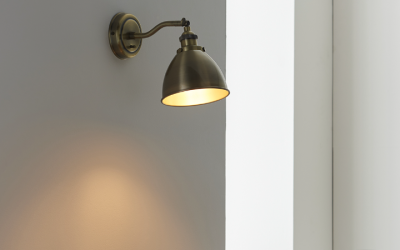
Wall sconces are a classic and popular choice for illuminating entryways, porches, and garage doors. They are mounted directly to the exterior wall and typically project outwards, directing light downwards or in a specific pattern.
Traditional and Contemporary Designs
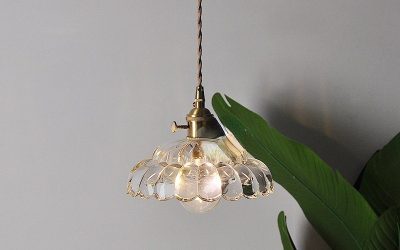
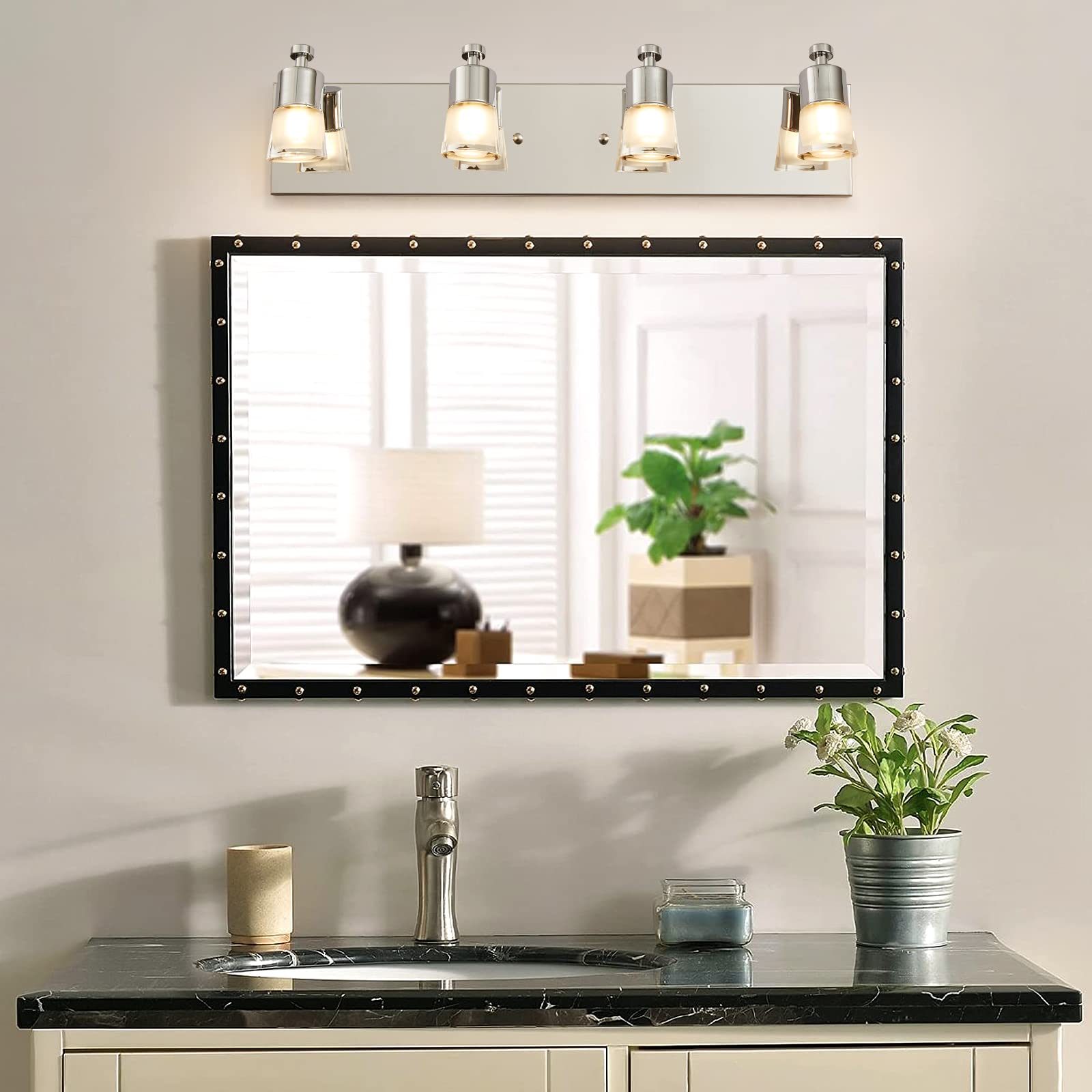
Sconces come in an extensive variety of styles. Traditional designs might feature materials like brass or wrought iron with frosted or seeded glass. Contemporary sconces often utilize clean lines, geometric shapes, and materials such as stainless steel or aluminum. The choice will depend on the overriding architectural style of the home.
Lantern-Style and Frosted Glass Options
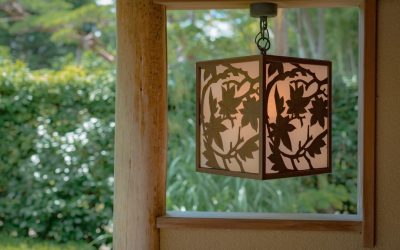
Lantern-style sconces evoke a charming, traditional feel, often featuring clear or seeded glass to reveal the bulb. Frosted glass sconces provide a more diffused and softened light, reducing glare and creating a gentler illumination.
Pathway Lights and Step Lights
While not strictly wall lights, pathway and step lights are essential complements to a well-lit exterior and are often discussed in conjunction with wall-mounted fixtures. They are designed to illuminate circulation routes safely.
Illuminating Walkways and Garden Paths
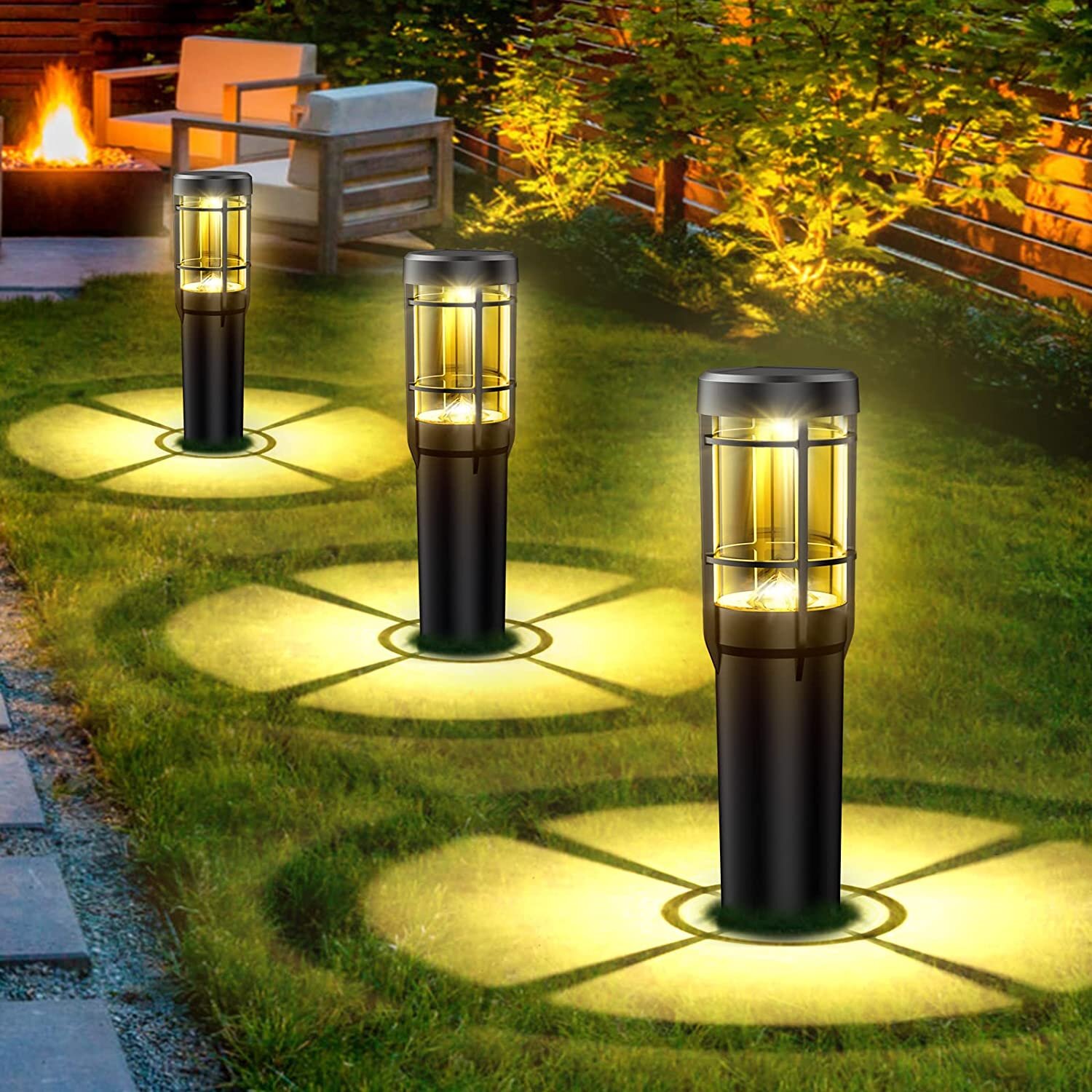
Low-profile lights placed along the edge of pathways ensure that pedestrians can navigate the property without tripping. These lights are typically spaced at intervals to provide consistent illumination without creating glare.
Ensuring Safety on Stairs and Landings
Steps and landings are particularly prone to accidents. Small, unobtrusive lights installed directly on risers or walls adjacent to stairs provide critical illumination for safe ascents and descents.
Up/Down Lights and Wall Washers
These fixtures are designed to create specific lighting effects on walls and architectural features. Up/down lights cast light in both directions from a single fixture, while wall washers are designed to evenly illuminate a large vertical surface.
Accentuating Textured Surfaces
Wall washers are excellent for highlighting the texture of brick, stone, or stucco walls, bringing out the inherent character of the materials. The light can reveal subtle nuances that are not apparent during the day.
Creating Dramatic Uplighting Effects
Up lights, whether standalone or integrated into up/down fixtures, can dramatically illuminate trees, pillars, or the upper portions of a building facade, creating a sense of grandeur and drama.
Installation and Placement of Warm Outdoor Wall Lights
The effectiveness of outdoor wall lights relies heavily on their proper installation and strategic placement. Incorrect placement can lead to glare, uneven illumination, or wasted energy.
Professional Installation vs. DIY
While some basic outdoor lighting installations can be undertaken by a DIY enthusiast, more complex systems, especially those involving wiring, should ideally be handled by a qualified electrician. This ensures safety, compliance with electrical codes, and optimal performance.
Electrical Safety and Code Compliance
Working with electricity outdoors presents unique safety challenges. Ensuring that all wiring is properly insulated, waterproofed, and meets local building codes is paramount to preventing electrical hazards and potential damage to the system.
Planning for Wiring and Power Access
Before purchasing fixtures, it is essential to assess the availability of power sources. This might involve extending existing circuits or installing new ones. Careful planning of wiring routes, considering aesthetics and protection from the elements, is crucial.
Strategic Placement for Optimal Illumination
The actual positioning of wall lights is as important as the type of fixture chosen. The goal is to provide adequate light where it is needed without causing glare or light pollution.
Height and Spacing Recommendations
For entryways, lights are typically mounted at a height that illuminates the porch without shining directly into the occupants’ eyes. For pathways, spacing depends on the width of the path and the desired level of illumination. Too close, and the lights can be overwhelming; too far apart, and gaps in coverage can create hazards.
Avoiding Glare and Light Spill
Directing light where it is needed is key. Fixtures with carefully designed hoods or shields can direct light downwards or onto a specific surface, preventing it from scattering outwards and causing glare or contributing to light pollution. Consider the surrounding environment; excessive light spill can affect neighbors and nocturnal wildlife.
Using Smart Technology and Timers
Modern outdoor lighting systems can incorporate smart technology for enhanced control and efficiency. Timers, photocells, and smart home integration offer customizable lighting schedules and responsive illumination.
Programmable Timers for Scheduled Lighting
Timers allow you to set specific times for your lights to turn on and off, ensuring that your property is illuminated during the hours you are most likely to need it, such as dusk until dawn.
Motion Sensors for Security and Efficiency
Motion-sensor lights are an excellent addition to security lighting. They activate only when movement is detected, conserving energy and startling potential trespassers. This can be particularly effective for illuminating the perimeter of the property or less-frequented areas.
Smart Home Integration and App Control
Many outdoor light fixtures can now be controlled via smartphone apps. This allows for remote control, scheduling adjustments, and even dimming capabilities, offering a high degree of flexibility and convenience.
Maintenance and Longevity of Warm Outdoor Wall Lights
Proper maintenance ensures that your outdoor wall lights continue to function effectively and retain their aesthetic appeal over time. This involves regular cleaning, bulb replacement, and periodic checks for damage.
Cleaning and Bulb Replacement
Dust, dirt, and grime can accumulate on outdoor light fixtures, dimming their output and detracting from their appearance. Regular cleaning is essential for maintaining optimal performance.
Cleaning Fixture Housings and Lenses
Using a soft cloth and mild soap or detergent, gently wipe down the exterior of the fixtures. For glass lenses, a glass cleaner can be used. Ensure that the power is turned off before cleaning to avoid any electrical hazards. Residue from dried leaves or bird droppings should be addressed promptly.
Choosing Energy-Efficient Bulbs (LEDs)
When it comes to bulb replacement, consider using LED (Light Emitting Diode) bulbs. LEDs are highly energy-efficient, have a significantly longer lifespan than traditional incandescent bulbs, and are available in a wide range of warm color temperatures. This not only reduces energy consumption but also minimizes the frequency of bulb changes.
Inspecting for Damage and Wear
Regularly inspecting your outdoor wall lights for any signs of damage is crucial for preventing potential problems and ensuring safety.
Checking for Corrosion and Rust
Outdoor environments can be harsh. Metal components of light fixtures can corrode or rust over time, especially in coastal or high-humidity areas. Addressing minor corrosion early with appropriate treatments can extend the life of the fixture.
Ensuring Secure Mounting and Wiring Integrity
Periodically check that the fixtures are securely mounted to the wall. Loose fixtures can be a safety hazard. Also, examine exposed wiring for any signs of damage, fraying, or corrosion. Any compromised wiring should be addressed by a qualified professional.
Protecting Against Environmental Factors
Outdoor lights are exposed to the elements, including rain, snow, wind, and UV radiation. Understanding how to protect them can prolong their lifespan.
Selecting Weather-Resistant Materials
When purchasing outdoor lights, prioritize fixtures made from weather-resistant materials such as powder-coated aluminum, stainless steel, or high-quality, UV-resistant plastics. These materials are designed to withstand the rigors of outdoor exposure.
Considering Protective Covers During Extreme Weather
In areas with particularly harsh weather conditions, such as heavy snowfall or strong winds, temporary protective covers can be used to shield the lights when not in use. However, ensure that any cover does not impede ventilation, which is necessary for preventing heat buildup.