















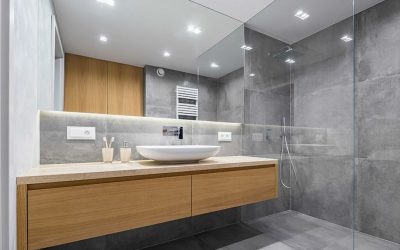



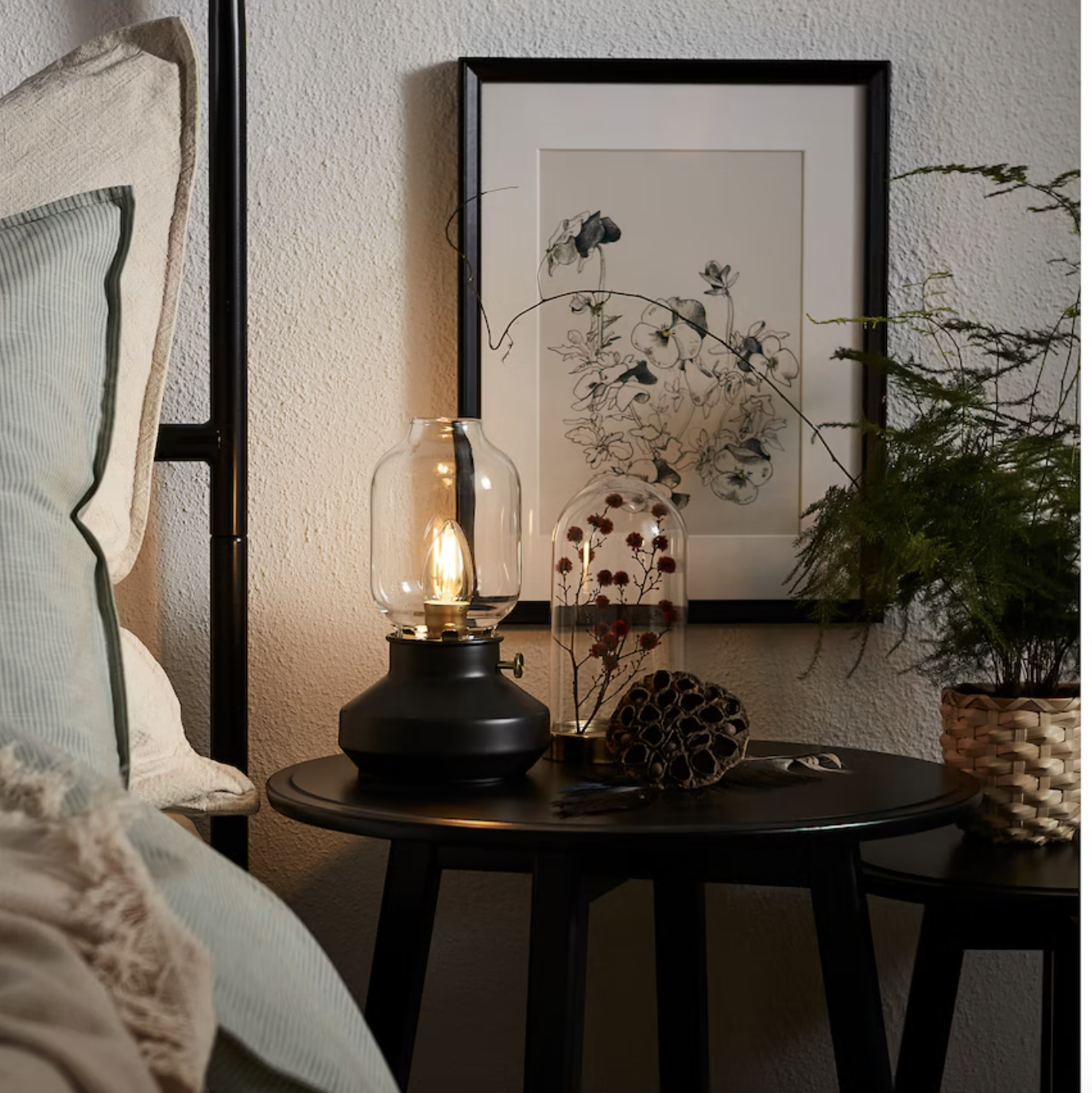
Cove lighting panels are essentially pre-fabricated, modular systems designed to integrate lighting discreetly into a space, typically along the juncture of a wall and ceiling or within architectural features. They offer a refined way to diffuse light, creating a soft, ambient glow rather than direct, harsh illumination. Think of them as a cleaner, more consistent alternative to building traditional coves from scratch on-site, offering both efficiency and a polished finish.
Architectural cove lighting panels are sophisticated, ready-to-install units that house light sources, most commonly LED strip lights, within a designed channel. These channels are engineered to direct light upwards or outwards, washing a surface (like a ceiling or wall) with indirect illumination. They’re more than just a place to hide lights; they’re an integral part of the building’s aesthetic.
Beyond Simple Concealment
It’s easy to think of cove lighting as just concealing a light source, but these panels go further. They are carefully designed to optimize light distribution, minimize glare, and create a visually appealing architectural detail, even when the lights are off. Think of the difference between a rough, unfinished wooden box housing a light, and a beautifully crafted, precisely angled panel that becomes part of the room’s design.
Materials and Construction
Cove lighting panels are typically manufactured from materials like gypsum (drywall), aluminum, or various composites. Gypsum panels are often pre-finished to match existing drywall, offering a seamless integration. Aluminum options provide durability and can be lightweight, while composites might offer specific fire ratings or moisture resistance for certain applications. The choice of material often depends on the project’s specific requirements, budget, and desired aesthetics.
Modular vs. Custom
While many panels are modular, meaning they come in standard lengths and shapes, some manufacturers offer custom fabrication. Modular systems are great for straightforward applications, offering quicker installation. Custom options allow for unique curves, angles, or integration with complex architectural features, though they naturally come with a higher price tag.
Key Benefits of Using Cove Lighting Panels
Beyond their aesthetic appeal, architectural cove lighting panels offer several practical advantages that make them a compelling choice for various projects. These benefits extend to installation efficiency, light quality, and long-term maintenance.
Streamlined Installation Process
One of the stand-out benefits of using pre-fabricated panels is the significant reduction in on-site labor and complexity. Traditional cove lighting often involves meticulous framing, drywall installation, taping, mudding, and sanding – all time-consuming and often messy tasks.
Reduced Labor Costs
Because the panels are ready-made, much of the fabrication work is shifted off-site to the manufacturer. This translates directly to fewer hours spent by skilled tradespeople on the job site, reducing overall labor costs and accelerating project timelines. It’s often the difference between weeks of finishing work versus a few days of installation.
Consistent Quality and Finish
Fabricating coves by hand inevitably introduces variations. Pre-fabricated panels ensure a consistent, factory-grade finish across the entire installation. This consistency is crucial for achieving a polished, high-end look, especially in large or multi-room projects where visual uniformity is key. You’re less likely to find small imperfections or inconsistencies that can detract from the overall aesthetic.
Superior Light Diffusion and Quality
Cove lighting is celebrated for its ability to create soft, uniform illumination, and panels are designed to optimize this effect. They act as sophisticated reflectors, ensuring light is distributed evenly and without harsh spots.
Glare Reduction
By bouncing light off a surface (usually the ceiling), cove lighting panels effectively eliminate direct glare. This is particularly important in spaces where visual comfort is paramount, such as offices, reading areas, or living rooms. The absence of direct light sources means no distracting hotspots or uncomfortable brightness.
Enhanced Ambiance
The soft, indirect light created by cove panels fosters a sense of warmth, spaciousness, and calm. It can make a room feel larger and more inviting, contributing significantly to the overall atmosphere. This type of lighting is excellent for setting a relaxing mood or highlighting architectural details without overt brilliance.
Long-Term Durability and Maintenance
The construction and materials used in architectural cove lighting panels contribute to their longevity and ease of upkeep.
Protection of Light Sources
Housing LED strips within a panel protects them from dust, physical damage, and moisture (in appropriate applications). This protective enclosure extends the lifespan of the lighting elements, reducing the frequency of replacements.
Easy Access for Maintenance
Many panel systems are designed with accessibility in mind, allowing for straightforward replacement of LED strips or drivers should maintenance be required. Unlike fully enclosed traditional coves that might require destructive access, panels often have removable sections or channels that simplify the process, keeping future costs down.
Design Considerations and Aesthetic Integration
Integrating architectural cove lighting panels effectively requires thoughtful design. It’s not just about placing them; it’s about making them an integral part of the space’s visual language.
Ceiling and Wall Integration
The most common placement for cove lighting is at the junction of the wall and ceiling, where it creates a floating ceiling effect or highlights the perimeter of a room. However, their application extends further.
Recessed vs. Surface Mount
Panels can be recessed into a ceiling or wall, making them virtually invisible until the lights are on, offering a very clean, minimalist look. Alternatively, surface-mounted options can create a decorative frieze or crown molding effect, adding architectural interest even when unlit. The choice depends on the desired aesthetic and existing architectural conditions.
Creating False Ceilings or Soffits
Cove panels are often used in conjunction with false ceilings or soffits. This allows for dedicated channels and cavities to house the panels, providing a seamless and intentional design element. This approach also offers opportunities to conceal HVAC ducts or electrical wiring within the same structure.
Complementing Other Lighting Layers
Cove lighting is rarely used as the sole light source. Its strength lies in complementing other layers of light.
Ambient Layer Foundation
Cove lighting excels as an ambient layer, providing a soft foundational glow that reduces shadows and harshness from task or accent lighting. It creates a comfortable base lighting level that can be built upon.
Highlighting Architectural Elements
By strategically placing cove lighting panels, you can draw attention to specific architectural features, such as coffers, tray ceilings, wall textures, or alcoves. The indirect light accentuates forms and textures without creating sharp contrasts.
Material and Finish Selection
The material and finish of the cove panels themselves play a significant role in the overall aesthetic.
Matching Room Finishes
Gypsum panels can be painted to match the surrounding walls or ceilings, making them blend seamlessly. This is crucial for achieving an understated, integrated look where the light effect is prioritized over the luminaire itself.
Contrasting for Visual Interest
Alternatively, panels can be chosen in a contrasting material or finish, such as a brushed aluminum or a dark wood veneer, to deliberately stand out as a design feature. This approach works well in contemporary or industrial-style settings where the structure of the lighting is part of the aesthetic statement.
Practical Applications Across Different Environments
Architectural cove lighting panels are versatile and can be effectively deployed in a wide array of settings, from residential homes to commercial and hospitality spaces. Their adaptability allows for varied aesthetic and functional outcomes.
Residential Spaces
In homes, cove lighting panels elevate the living experience by creating inviting and comfortable environments.
Living Rooms and Bedrooms
In living rooms, they can provide ambient lighting for relaxation and entertainment, reducing television glare and creating a soft, welcoming atmosphere. In bedrooms, they offer a gentle, non-intrusive light source that’s perfect for winding down, avoiding the harshness of direct overhead fixtures.
Kitchens and Dining Areas
While not typically used as primary task lighting in kitchens, cove panels can contribute to the overall ambient light, especially in open-plan designs. In dining areas, they create an elegant and intimate setting, making meals feel more special without overpowering the table with direct light.
Commercial and Office Environments
In professional settings, cove lighting panels contribute to a productive and comfortable environment, often improving user experience and perceived value.
Improving Workplace Comfort
In offices, the glare-free illumination provided by cove panels can reduce eye strain and improve overall visual comfort, supporting employee well-being and productivity. They can soften the often stark brightness of functional task lighting.
Enhancing Retail and Hospitality Appeal
In retail, cove lighting can highlight product displays by washing walls with light, making merchandise more appealing. In hospitality, such as hotels and restaurants, they contribute significantly to the ambiance, creating sophisticated and welcoming spaces that encourage lingering and positive customer experiences. Think of an elegant hotel lobby where cove lighting adds depth and warmth.
Healthcare and Educational Facilities
Even in more functional environments, cove lighting panels offer tangible benefits.
Calming Healthcare Settings
In healthcare, soft, indirect lighting can contribute to a more calming and less clinical environment for patients, helping to reduce anxiety. It avoids the institutional feel often associated with harsh fluorescent lighting.
Flexible Learning Environments
In educational settings, especially in common areas or libraries, cove lighting can provide comfortable ambient light, supporting flexible learning environments and reducing visual fatigue over long periods of study. It creates a softer, more inviting space than stark overhead lighting.
Choosing the Right Cove Lighting System
Selecting the appropriate architectural cove lighting panel system involves considering various technical specifications and design factors. It’s not a one-size-fits-all decision, and understanding the nuances will lead to a more successful outcome.
Light Source Selection
The type of light source housed within the panels is a crucial decision, with LED being the dominant choice for modern installations.
LED Strip Lights
LED strip lights are virtually synonymous with modern cove lighting. Their flexibility, small size, energy efficiency, long lifespan, and dimmability make them ideal. When selecting LED strips, consider color temperature (CCT – warm to cool, e.g., 2700K-5000K), color rendering index (CRI – how accurately colors are perceived, 90+ is excellent), and lumen output (brightness) per foot or meter based on the desired illumination level.
Tunable White or RGBW Options
For spaces requiring dynamic lighting, tunable white LEDs allow users to adjust the color temperature from warm to cool, adapting the ambiance throughout the day. RGBW (Red, Green, Blue, White) strips offer a full spectrum of color options, ideal for creating specific moods or effects in hospitality or entertainment venues. However, these often require more complex control systems.
Dimming and Control Systems
The ability to control the light output is often as important as the light itself.
Standard Dimming (0-10V, DALI, Phase Cut)
Most LED drivers are dimmable using common protocols like 0-10V, DALI, or phase-cut leading/trailing edge dimming. The choice depends on the existing electrical infrastructure and the desired level of control. 0-10V and DALI typically offer smoother dimming and more advanced integration capabilities.
Smart Home and Building Automation Integration
For integrated smart environments, ensure the chosen lighting system is compatible with building automation systems (BAS) or popular smart home platforms (e.g., Casambi, Lutron, Control4). This allows for scheduling, scene creation, and remote control, enhancing user convenience and energy management.
Panel Profile and Projection
The physical dimensions and shape of the cove lighting panels are critical for both aesthetics and functional light distribution.
Depth and Height Requirements
The internal dimensions of the panel must be sufficient to house the chosen LED strips and their power supplies, allowing for proper heat dissipation. The external profile dictates how much the panel protrudes from the wall or ceiling, affecting the overall visual impact and how discreet the light source remains.
Light Throw and Distribution
Different panel profiles are designed to achieve various light throws. Some will create a tight wash close to the wall, while others will project light further across a ceiling. Consider the distance of the light throw needed to achieve the desired effect – a narrow cove might be suitable for highlighting a wall accent, while a wider cove might be needed to adequately illuminate a large ceiling. Ensure the chosen profile directs light effectively without creating harsh shadows or uneven coverage on the illuminated surface.