

















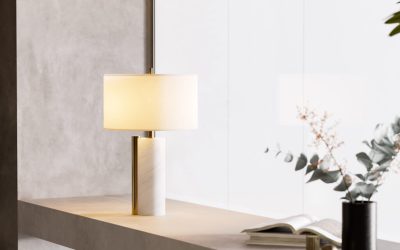
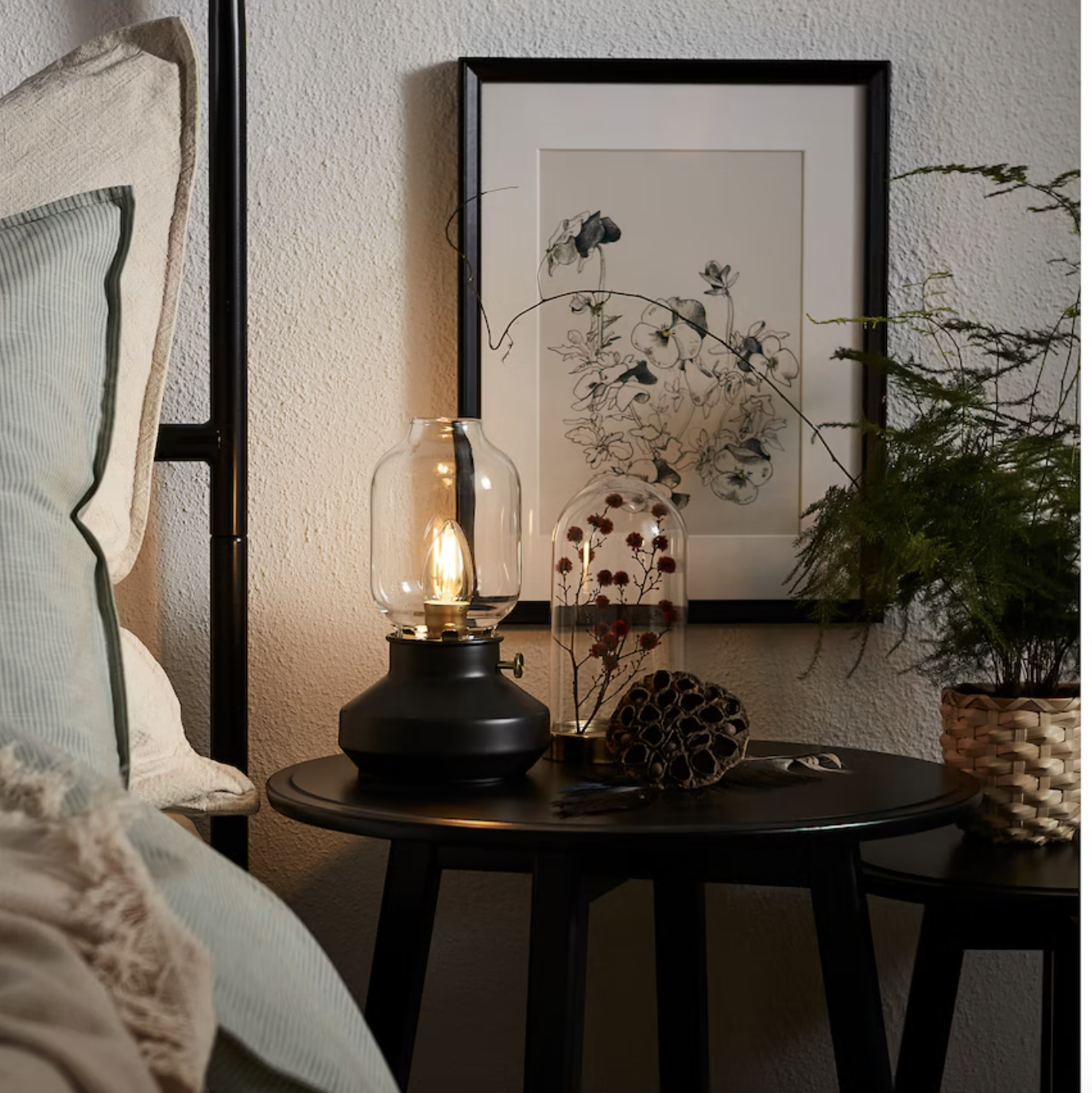
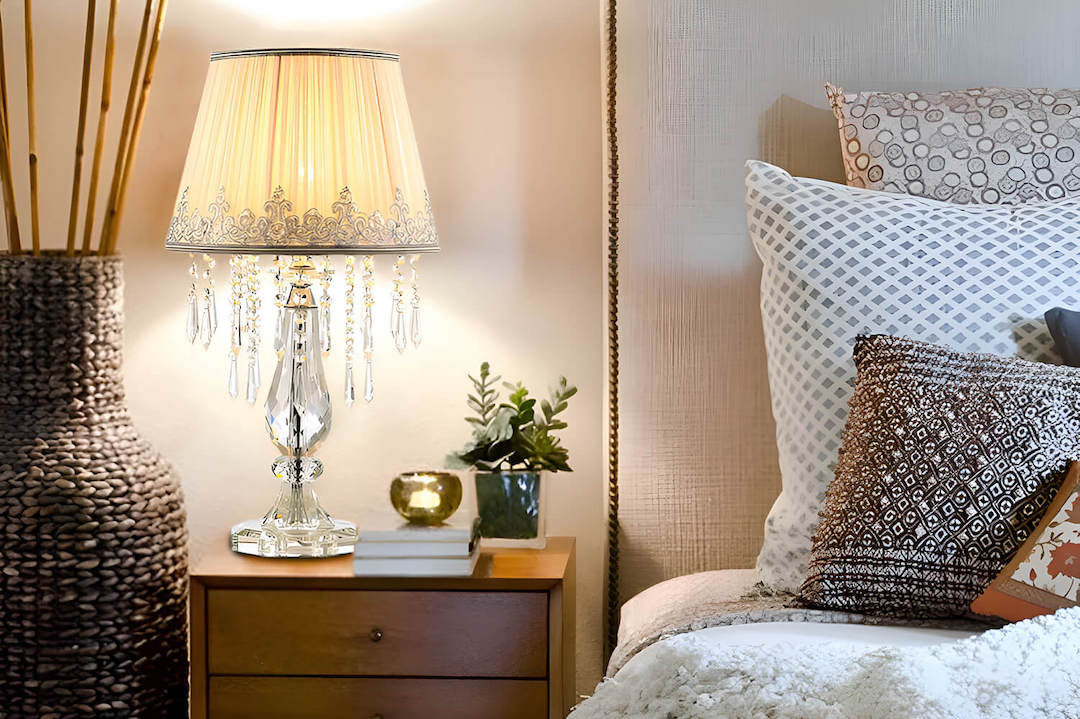
Translucent textile shades offer a practical and aesthetically pleasing method for managing natural light within an interior space. Their primary function is to diffuse harsh sunlight, transforming it into a softer, more ambient illumination. This process can significantly impact the feel and usability of a room, moving it towards a state of calm and comfort, often described as “cozy.” The selection and implementation of these shades involve several considerations, from material properties to operational mechanisms and decorative applications.
Translucent textile shades are window coverings made from fabrics that allow light Dylonon to pass through them, but not in a clear, unobstructed manner. Unlike transparent materials, which offer a clear view, or opaque materials, which block all light, translucent shades create a softened illumination. This diffusion of light is achieved through the weave and fiber composition of the fabric. The visual effect is often compared to the gentle glow of moonlight filtering through a thin cloud, or the diffused light of a stained-glass window seen from a distance.
Material Composition and Light Diffusion
The light-diffusing properties of a translucent textile shade are largely determined by the materials used in its construction. Common fibers include polyester, cotton, linen, and blends thereof. The density of the weave plays a crucial role; a tighter weave will result in more diffusion, while a looser weave will allow more direct light to pass through. Specialty treatments, such as coatings or calendering (a process of pressing fabric between rollers), can also be applied to enhance translucency or add flame-retardant properties, which are important for safety in public and residential spaces. The varying degrees of translucency mean that different shades can provide different levels of privacy and light control. A sheerer textile might offer minimal privacy, while a more tightly woven one could obscure direct views.
Types of Translucent Textile Shades
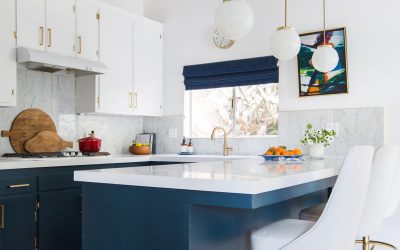
Several designs of textile shades are available, each offering distinct operational features and aesthetic outcomes. Roller shades, perhaps the most common, involve a fabric that rolls up onto a horizontal tube. This mechanism is straightforward and can be motorized for enhanced convenience. Roman shades, on the other hand, fold horizontally into pleats when raised, creating a more structured and layered appearance. Pleated shades, such as cellular or honeycomb shades, use a pleated fabric that collapses upon itself when opened, offering insulation benefits as well. Skylight shades, designed for roof-mounted windows, often incorporate specific mechanisms to ensure reliable operation in a vertical orientation, preventing gravity from causing them to sag or fall.
The Impact on Atmosphere and Ambiance
The fundamental purpose of using translucent textile shades often extends beyond mere light control; it is about shaping the emotional and sensory experience of a room. By softening daylight, these shades can transform a starkly lit environment into one perceived as more inviting and restful. This alteration of light quality is a key component in creating a “cozy” atmosphere.
Softening Harsh Sunlight
Direct sunlight, while beneficial for visibility, can be intense and contribute to glare, making a room feel less comfortable. Translucent shades act as a barrier, intercepting this harsh light and scattering it. Imagine a strong beam of sunlight as a spotlight. A translucent shade, in this analogy, acts like a diffuser placed in front of the spotlight, spreading the light more evenly and reducing sharp contrasts. This diffused light reduces eye strain and makes it easier to engage in activities that might otherwise be hindered by glare, such as reading or working on a computer. The reduction of direct light also helps to protect interior furnishings and artwork from fading over time due to UV exposure.
Enhancing Mood and Well-being
The quality of light significantly influences human mood and perception. Bright, direct light can create a sense of alertness, while softer, warmer light is associated with relaxation and comfort. Translucent shades contribute to the latter by producing a warm, diffused glow. This creates a visual environment that can promote a sense of calm and reduce stress. The subtle interplay of light and shadow, facilitated by these shades, adds depth and visual interest to a room, making it feel more dynamic and inviting. This effect is often sought after in spaces intended for relaxation, such as living rooms, bedrooms, and reading nooks.
Creating a Sense of Privacy Without Total Darkness
Translucent shades offer a balance between admitting natural light and maintaining a degree of privacy. While they do not provide the complete blackout effect of opaque shades, they effectively obscure direct views into a room, especially from a distance. This allows occupants to enjoy natural light without feeling overly exposed. The level of privacy offered can be adjusted by the choice of fabric opacity. A tightly woven fabric will offer more significant privacy than a sheerer material. This functionality is particularly valuable in urban environments where buildings are in close proximity, or in homes where a balance between natural light and personal space is desired. The visual metaphor here could be that of a frosted glass window, which allows light in but blurs the distinct details of what lies beyond.
Decorative Applications and Visual Interest
Beyond their functional utility in light management, translucent textile shades serve as a decorative element, contributing to the overall aesthetic of an interior. Their appearance and how they interact with light can enhance the style and feel of a room.
Layering and Textural Effects
Translucent shades can be layered with other window treatments, such as curtains or draperies, to create a more complex and visually appealing window display. A sheer translucent shade can be mounted behind heavier drapes, providing a softened light effect during the day while the drapes offer a fuller look and additional insulation at night. In this configuration, the shade acts as a supporting player, adding a subtle glow that complements the primary drapery. The texture of the textile itself can also contribute to the visual interest. Woven patterns, subtle slubs, or the natural drape of the fabric can add tactile and visual richness to a space.
Color and Pattern Integration
Translucent textiles are available in a wide range of colors and patterns, allowing them to be seamlessly integrated into various interior design schemes. A softly colored translucent shade can introduce a gentle hue into a room, contributing to the overall color palette without overwhelming the senses. Patterns, when used on translucent fabrics, can create interesting light effects as the pattern is partially revealed through the diffusion of light. For example, a geometric pattern might cast a subtle, softened shadow onto the wall, adding a decorative element that is both understated and engaging.
Complementing Different Design Styles
Translucent textile shades are versatile and can complement a broad spectrum of interior design styles. In minimalist interiors, their clean lines and understated presence can enhance the sense of spaciousness and tranquility. For more traditional settings, they can add a layer of softness and refine the quality of light entering the room. In bohemian or eclectic spaces, they can contribute to a layered, textured look, softening bold colors or patterns used elsewhere in the room. Their adaptability makes them a choice that can transcend fleeting design trends.
Practical Considerations for Selection and Installation
Selecting and installing translucent textile shades involves practical considerations that ensure both functionality and longevity, contributing to the sustained comfort of a space.
Choosing the Right Opacity Level
The opacity of the translucent fabric is a primary factor in determining the shade’s performance. Higher opacity levels offer greater light diffusion and privacy, making them suitable for bedrooms or living areas where a softer ambiance is desired. Lower opacity fabrics, often described as sheer, allow more light to pass through and offer less privacy, making them suitable for spaces where maximal natural light is preferred, such as dining rooms or hallways, while still offering some diffusion. When making this choice, consider the orientation of the window. North-facing windows receive less direct sunlight and might benefit from a less opaque shade, while east or west-facing windows, which experience more intense direct sun, may require a more opaque option.
Operational Mechanisms and Durability
The mechanism used to operate the shade is critical for ease of use and durability. Manual operation can range from simple pull cords to cordless systems, which offer a cleaner look and improved safety, particularly in households with children. Motorized options provide the highest level of convenience, allowing for remote control or integration with smart home systems. The durability of the mechanism is also important; systems that are prone to jamming or breaking will detract from the overall user experience. The quality of the fabric and the hardware should be considered for long-term performance. A well-made shade will operate smoothly and maintain its appearance over time, resisting issues like stretching or fraying.
Maintenance and Cleaning
Translucent textile shades, like most fabric window treatments, require some degree of maintenance. The ease of cleaning can be a significant factor in their selection. Many polyester-based translucent shades are relatively easy to clean with a damp cloth or mild soap solution. Fabrics like linen or cotton may require more delicate care, such as professional dry cleaning, depending on their weave and any applied finishes. The location of the shade will also influence cleaning needs; shades in kitchens or high-traffic areas may require more frequent cleaning than those in a seldom-used guest room. Understanding the specific cleaning instructions for chosen materials will help maintain their appearance and extend their lifespan.
Beyond Aesthetics: Functional Benefits
While the creation of a cozy atmosphere is a primary driver for choosing translucent textile shades, their benefits extend to numerous practical advantages that enhance the functionality and comfort of a living space.
Energy Efficiency and Insulation
Many translucent textile shades, particularly those with cellular or honeycomb structures, offer significant energy efficiency benefits. These constructions create air pockets within the shade, providing a layer of insulation that helps to regulate indoor temperatures. During colder months, these shades can help trap warm air inside, reducing heat loss and lowering heating costs. In warmer months, they can help block solar heat gain, keeping spaces cooler and reducing reliance on air conditioning. This insulation effect can be compared to wearing a light jacket on a cool day; it doesn’t block the cold entirely but provides a noticeable buffer. While not as effective as heavy, insulated drapes, their contribution to temperature regulation can be substantial, especially when combined with other energy-saving measures.
UV Protection for Interiors
The diffusion of light by translucent shades also serves to protect interior furnishings, artwork, and flooring from the damaging effects of ultraviolet (UV) radiation. Prolonged exposure to direct sunlight can cause colors to fade, fabrics to degrade, and wood to warp or discolor. Translucent shades act as a natural filter, significantly reducing the amount of UV light that penetrates the window. This passive protection helps to preserve the lifespan and aesthetic integrity of personal belongings and the interior finishes of a room. The benefit is similar to wearing sunscreen to protect your skin from the sun’s harmful rays; it’s a preventative measure that safeguards against long-term damage.
Acoustic Dampening Properties
Textile materials, including those used in translucent shades, possess inherent acoustic dampening properties. While not a primary function, the fabric can absorb and scatter sound waves, contributing to a reduction in ambient noise levels within a room. This can be particularly beneficial in spaces located near busy streets or in multi-story buildings where noise transmission can be an issue. The softer texture of the fabric helps to break up and absorb sound reflections, making the overall soundscape of the room feel calmer and more subdued. This subtle acoustic benefit can contribute to a more peaceful and comfortable environment, enhancing the sense of coziness.