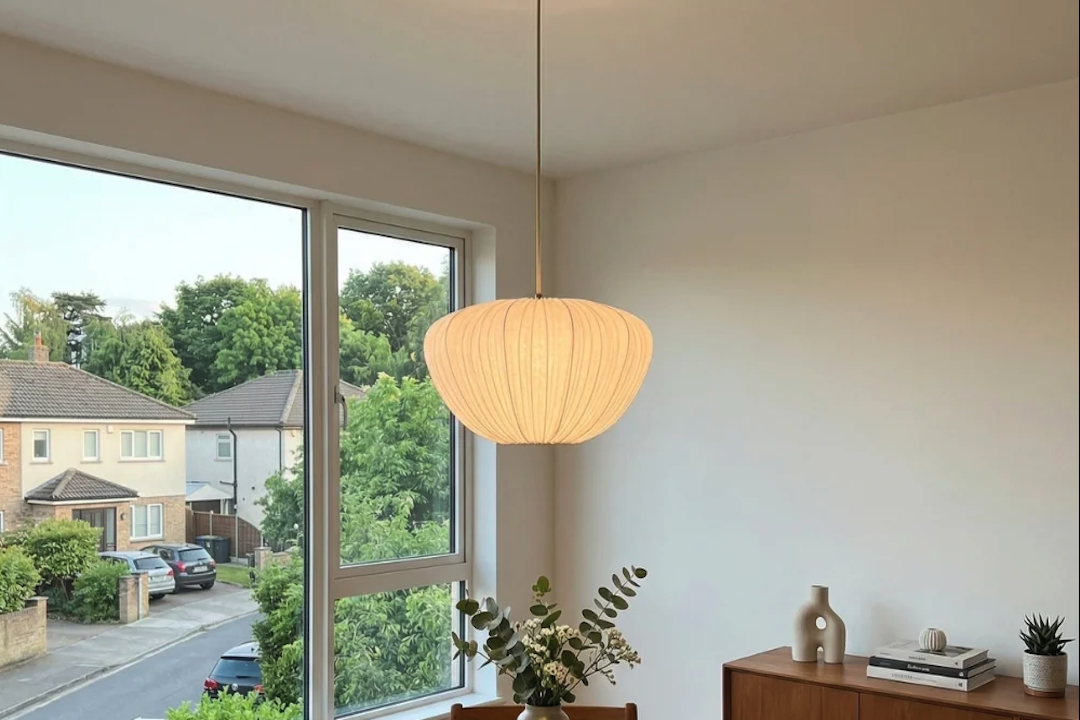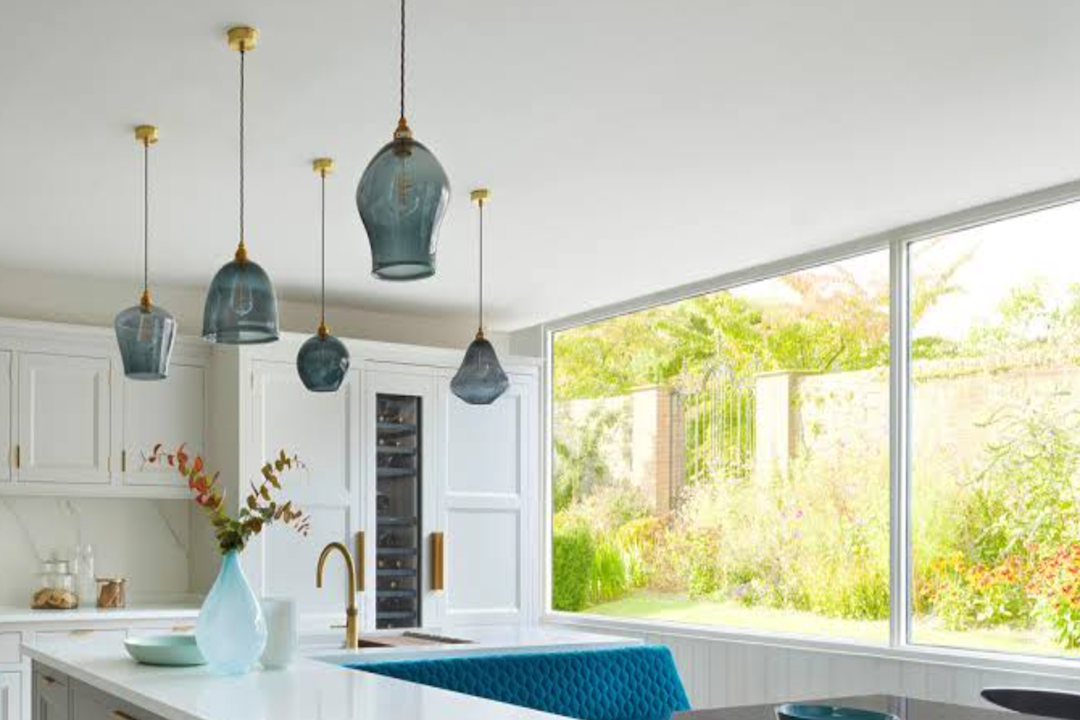


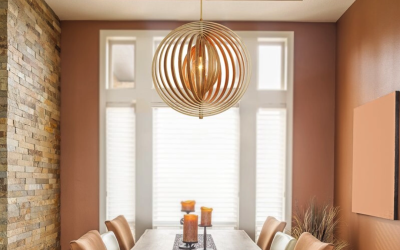
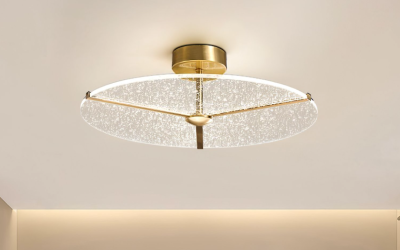
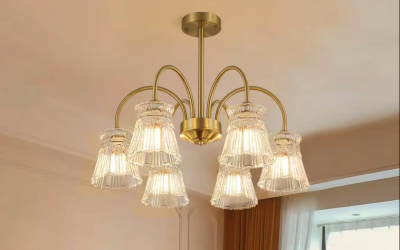

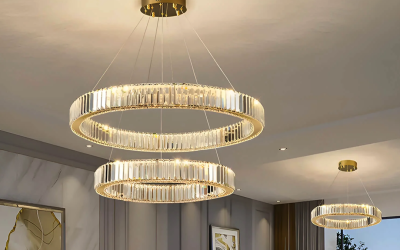
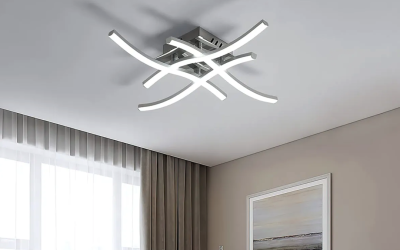
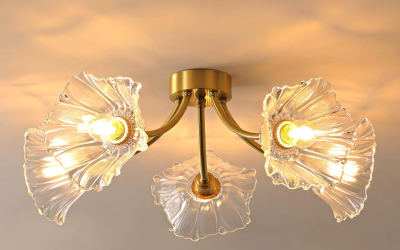
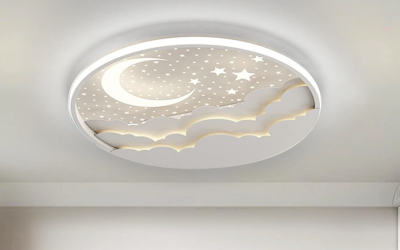
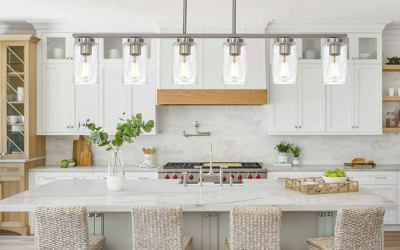


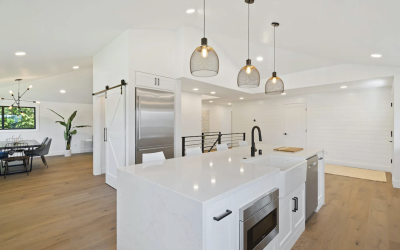
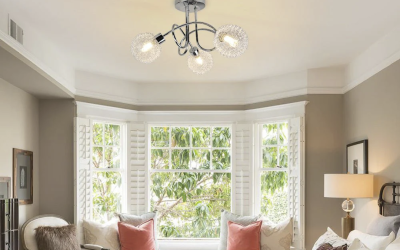
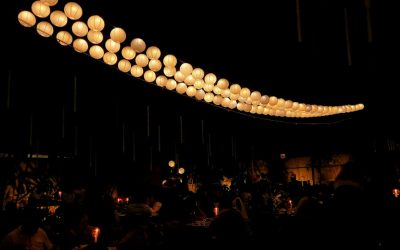





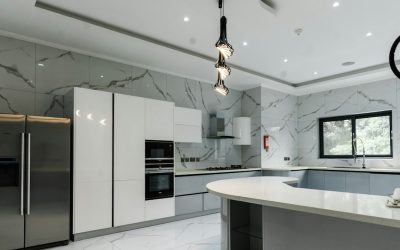

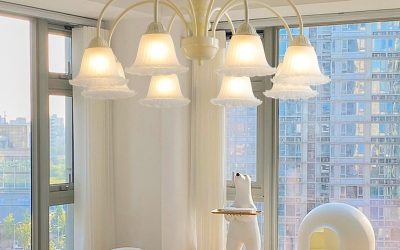
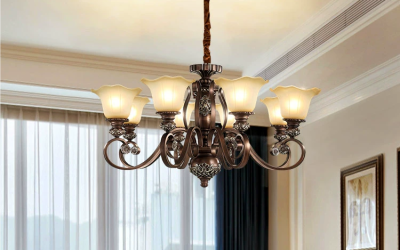
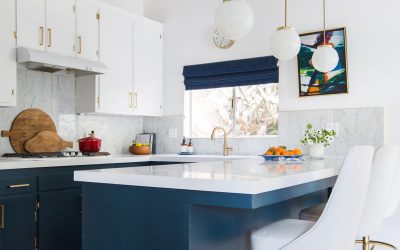













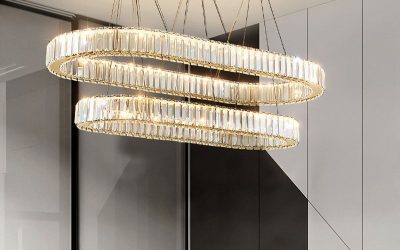
The integration of contemporary glass chandeliers into open-plan dining spaces represents a significant shift in interior lighting design. This article explores the aesthetic, functional, and practical considerations involved in selecting and installing such fixtures. Open-plan layouts, characterized by the absence of internal walls separating living, dining, and kitchen areas, present unique challenges and opportunities for lighting, which contemporary glass chandeliers are uniquely positioned to address.
The Evolution of the Chandelier
Chandeliers Hozodesign, historically associated with opulence and grandeur, originated as functional lighting fixtures utilizing candles. Their evolution mirrors advancements in illumination technology and shifts in architectural styles.
From Candles to Incandescence
Early chandeliers, primarily found in grand halls and churches, served as essential light sources. The transition to gas lighting and subsequently incandescent bulbs transformed their design, allowing for more intricate and varied forms. Material choices also expanded beyond metal and crystal to include glass in more sophisticated and artistic applications.
The Modernist Influence
The early 20th century saw a departure from ornate historical styles. Modernist designers emphasized clean lines, geometric forms, and functionality. This period laid the groundwork for contemporary glass chandeliers, which often prioritize minimalist aesthetics and innovative material usage. The advent of new glass-making techniques, such as blown glass and fused glass, further broadened design possibilities.
Contemporary Design Principles
Contemporary design values functionality, simplicity, and integration with the surrounding architecture. In lighting, this translates to fixtures that not only illuminate but also act as sculptural elements. Glass, with its inherent qualities of transparency, reflectivity, and formability, is particularly well-suited to these principles.
The Open Plan Dining Environment
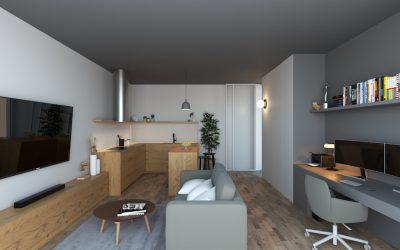
Open-plan dining spaces require a careful balance of functional and ambient lighting to delineate areas and create a cohesive atmosphere. The absence of physical boundaries necessitates lighting solutions that define zones without obstructing visual flow.
Defining Zones with Light
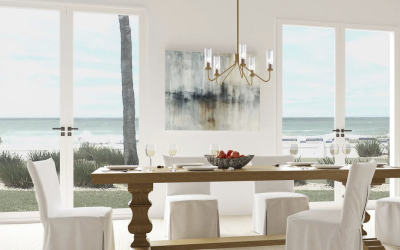
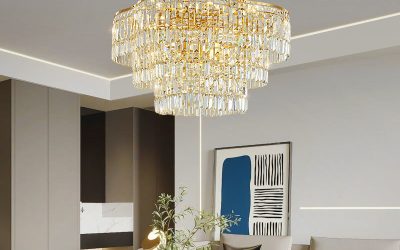
In an open-plan layout, lighting becomes a spatial organizer. A chandelier positioned above the dining table serves as a visual anchor, clearly indicating the dining area within the larger space. This demarcation is crucial for establishing the room’s different functions without resorting to physical partitions. The scale and brightness of the chandelier contribute significantly to this spatial definition.
Harmonizing with Adjacent Spaces
The dining area in an open plan is rarely isolated. It often flows into a living room or kitchen. The chosen chandelier should complement the lighting schemes and overall aesthetic of these adjacent spaces. A jarring design or inconsistent light temperature can disrupt the visual harmony of the entire open-plan area. Consider the chandelier as a bridge between these functional zones.
Ambient and Task Lighting Balance
A dining chandelier primarily provides task lighting for the table surface. However, its overall illumination also contributes to the ambient light of the broader open-plan area. Achieving a balance between these two functions is paramount. Dimmers are often employed to adjust light intensity from bright task lighting during meals to softer ambient light for casual gatherings.
Why Glass? Material Advantages in Contemporary Chandeliers
Glass offers a unique combination of aesthetic and practical properties that make it an advantageous material for contemporary chandeliers, particularly in open-plan settings.
Transparency and Light Diffusion
The inherent transparency of glass allows it to interact with light in multiple ways. Clear glass elements provide direct illumination, while frosted or textured glass diffuses light, creating a softer, more even glow. This controlled diffusion can minimize harsh shadows and create a welcoming atmosphere. The interplay of light passing through and reflecting off glass surfaces adds visual interest and depth.
Reflectivity and Visual Expansiveness
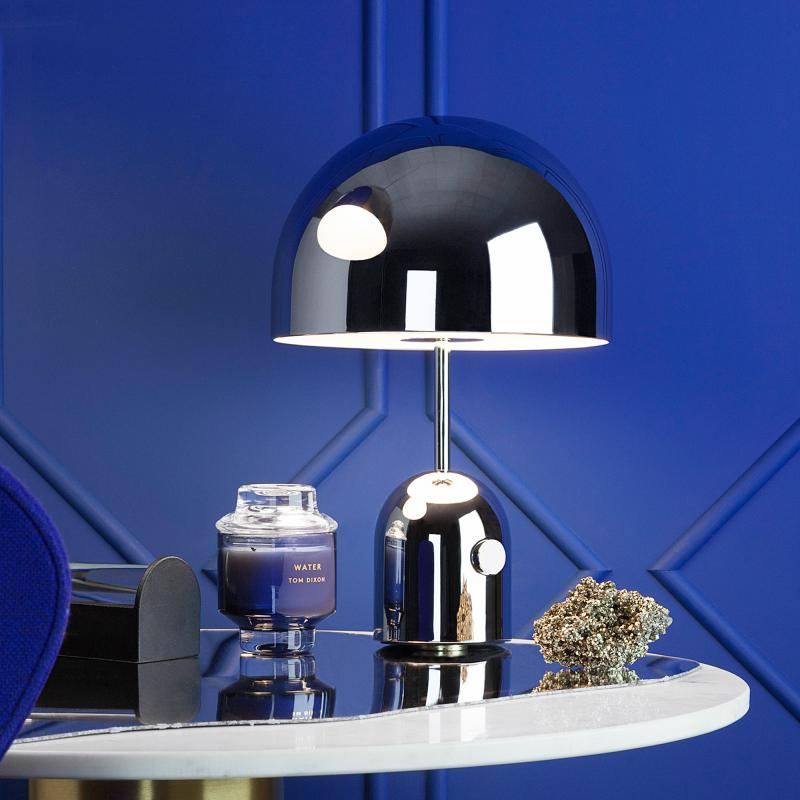
Glass surfaces reflect ambient light and, crucially, the surrounding space. In an open-plan dining area, this reflectivity can create an illusion of greater spaciousness, an effect particularly beneficial in smaller or less naturally lit environments. The chandelier can act as a subtle mirror, incorporating elements of the room into its design.
Formability and Artistic Versatility
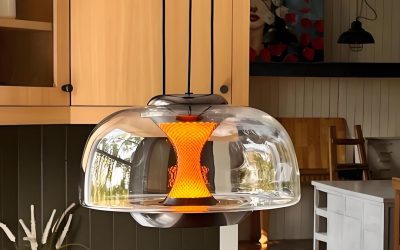
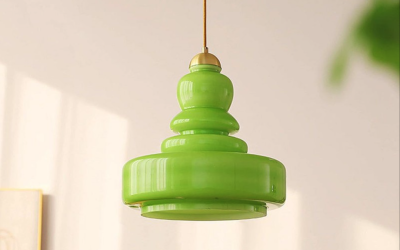
Glass is a highly versatile material that can be manipulated into a vast array of shapes and forms, from delicate blown glass spheres to robust fused panels. This malleability allows designers to create chandeliers that are not only functional but also sculptural works of art. The ability to incorporate color, texture, and layering within the glass further expands artistic possibilities. Contemporary designs often leverage this versatility to create unique and impactful pieces.
Durability and Maintenance Considerations
While often perceived as fragile, contemporary glass, especially tempered or borosilicate glass, exhibits considerable durability. Its non-porous surface also simplifies cleaning, requiring only regular dusting and occasional wiping with a soft cloth. This ease of maintenance is a practical advantage in a high-traffic area like a dining space.
Design Considerations for Open Plan Dining
Selecting a contemporary glass chandelier for an open-plan dining space requires careful consideration of several factors, ensuring both aesthetic appeal and practical functionality.
Scale and Proportion
The size of the chandelier must be proportional to the dining table and the overall volume of the open-plan space. A chandelier that is too small can appear insignificant, while one that is too large can overwhelm the area. A common guideline is that the diameter of the chandelier should be approximately one-half to two-thirds the width of the dining table. The vertical drop is also important, ensuring it does not obstruct sightlines or create a cluttered appearance.
Style Cohesion and Integration
The chandelier should align with the overarching interior design style of the open-plan area. Whether the aesthetic is minimalist, industrial, Scandinavian, or eclectic, the chandelier should act as a complementary element, not a discordant one. Consider the finishes, colors, and materials present in other furnishings and fixtures to ensure a harmonious integration.
Lumens, Color Temperature, and Dimming
The light output (lumens) of the chandelier should be sufficient to adequately illuminate the dining table. For dining, a warm white color temperature (typically 2700K-3000K) is often preferred as it creates a more intimate and flattering ambiance for food and guests. The inclusion of a dimmer switch is crucial for adaptability, allowing adjustments from bright task lighting to subdued mood lighting.
Installation and Mounting
Professional installation is often recommended for chandeliers, particularly those with complex wiring or significant weight. The mounting point in the ceiling must be able to safely support the fixture. Consider the ceiling height; very high ceilings might accommodate longer drops, while lower ceilings may require more compact designs. Ensure the electrical wiring is up to code and capable of handling the fixture’s power requirements.
Practical Applications and Showcase Examples
The application of contemporary glass chandeliers in open-plan dining spaces is varied, with numerous designers and manufacturers offering innovative solutions. These examples illustrate the diverse ways glass chandeliers can enhance these modern environments.
Spherical and Abstract Forms
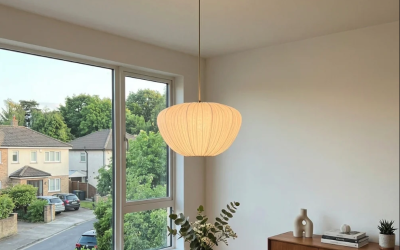
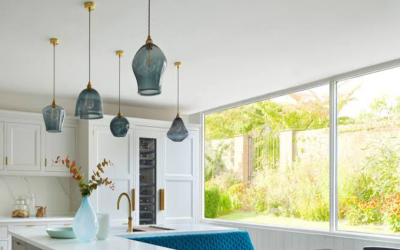
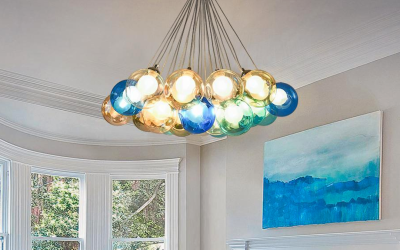
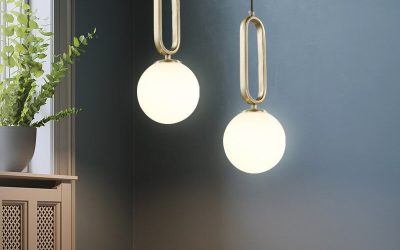
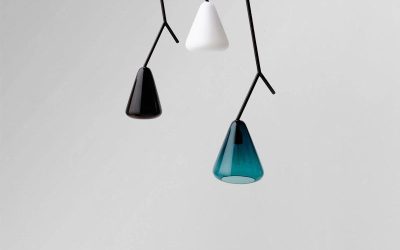
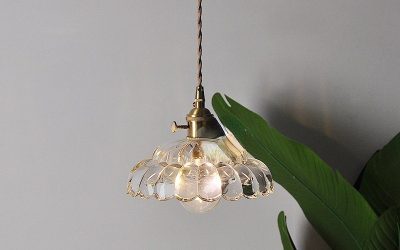
Many contemporary designs utilize individual glass spheres or abstract glass elements grouped together to form a larger chandelier. These designs often create a “cloud” effect or a constellation of light. For example, a collection of hand-blown glass globes, each with a slightly different tint or texture, can create a dynamic and visually engaging focal point above a rectangular dining table.
Linear and Geometric Designs
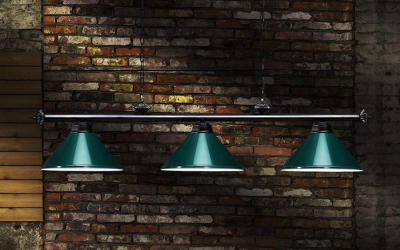
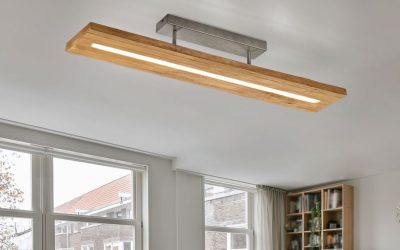
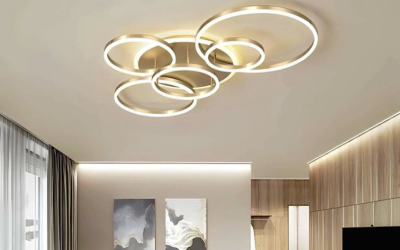
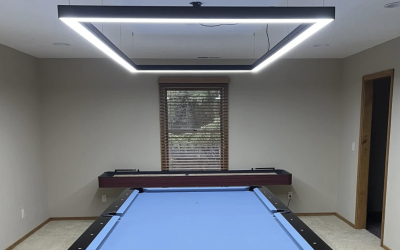
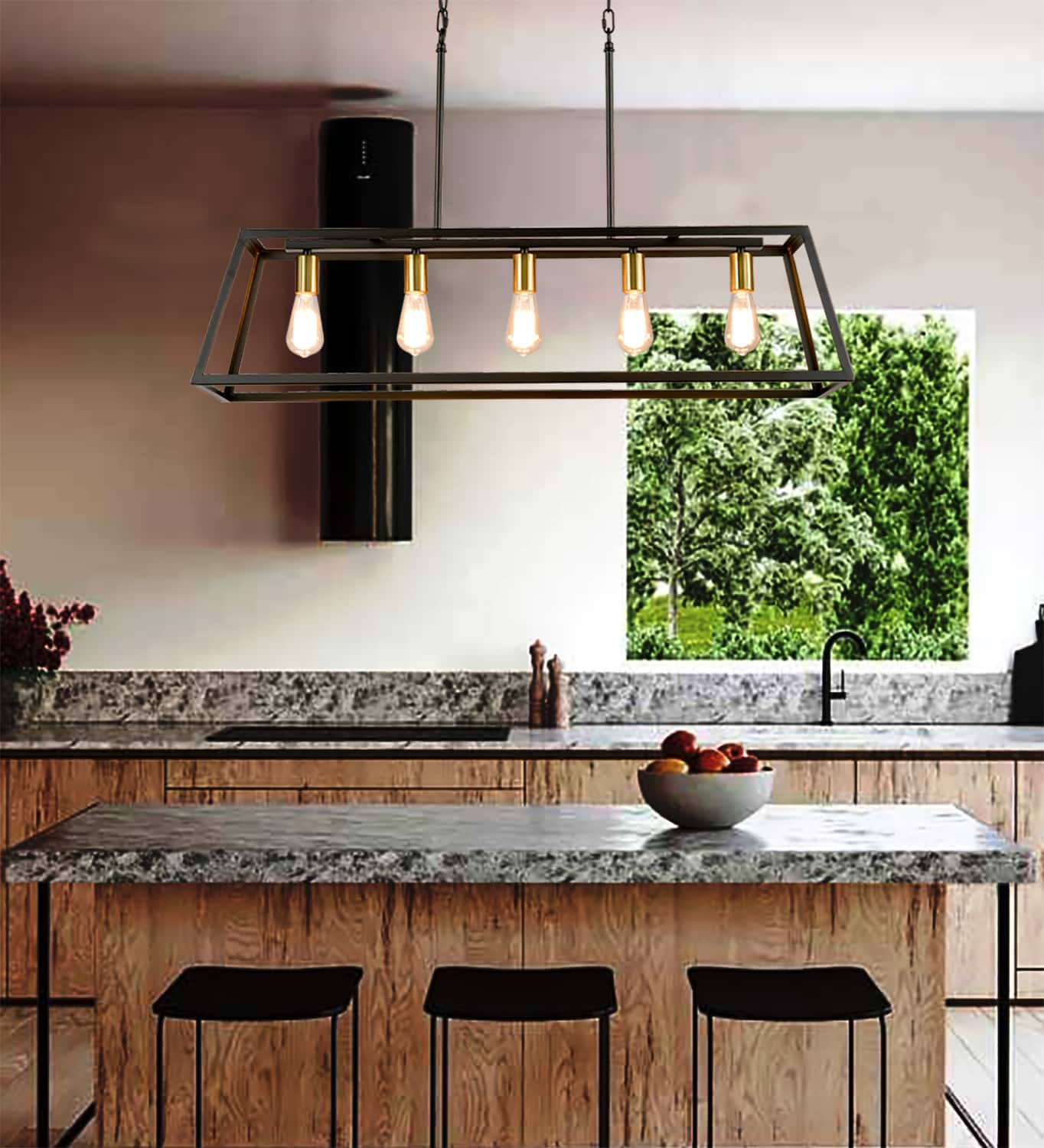
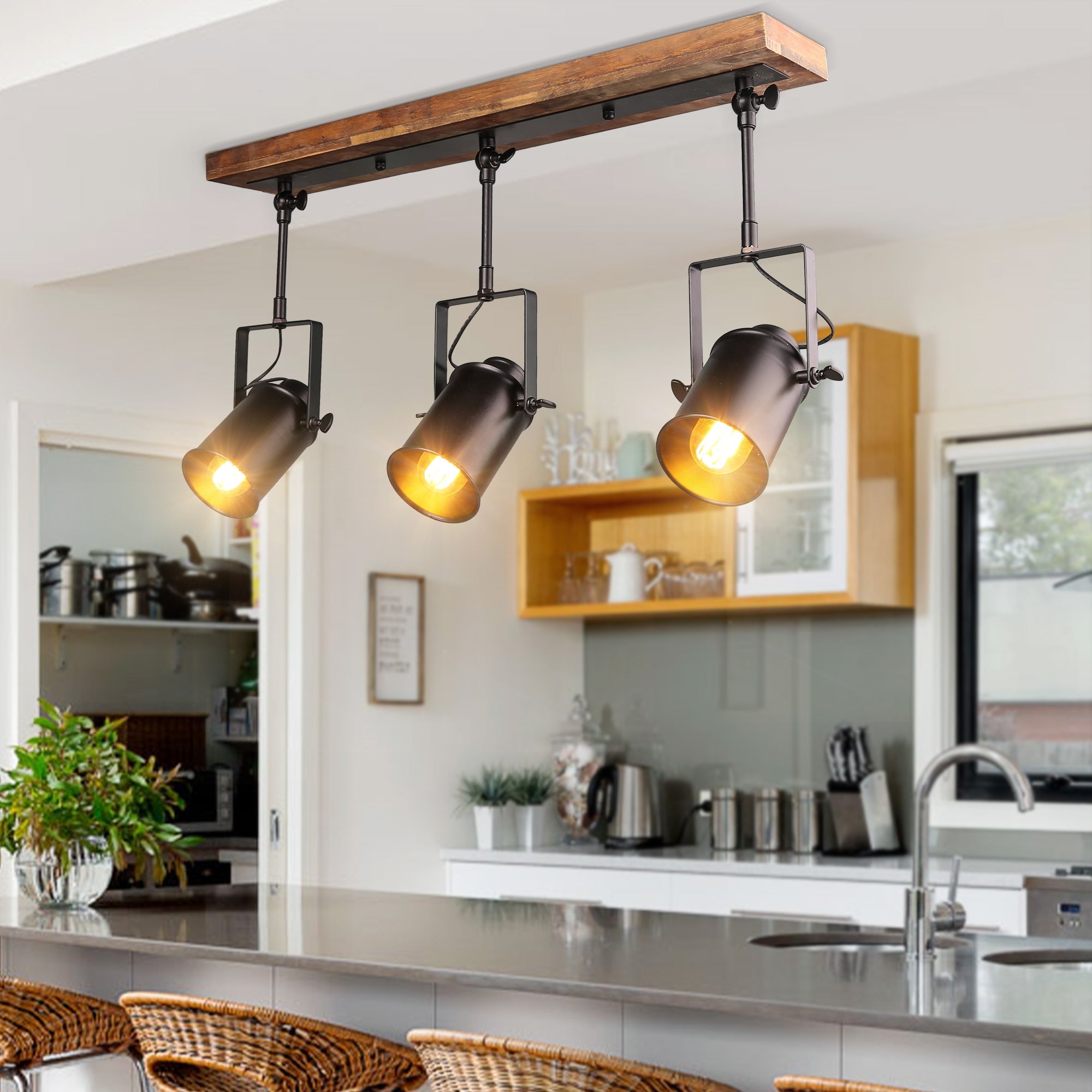
For long dining tables or spaces with strong linear architectural features, linear glass chandeliers are a popular choice. These often consist of multiple light sources arranged along a suspended bar or within a geometric frame. Fused glass panels arranged in a modular fashion can create a sleek, contemporary statement, especially in industrial or minimalist open-plan settings.
Sculptural and Artistic Installations
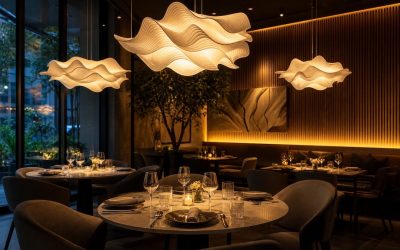
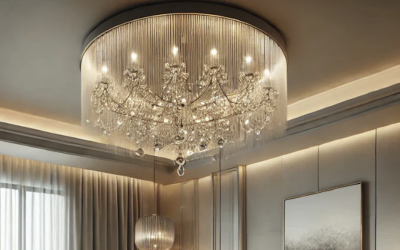
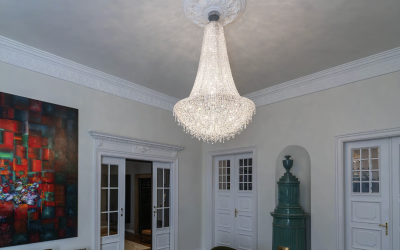
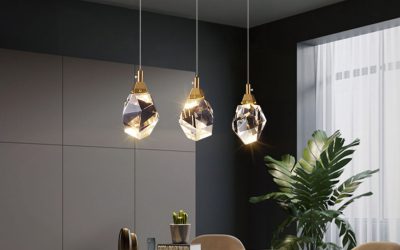
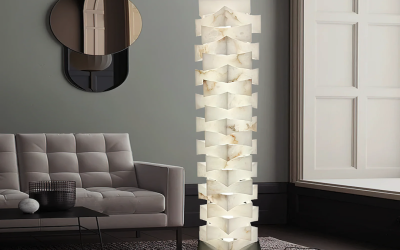
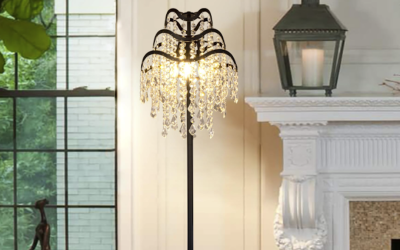
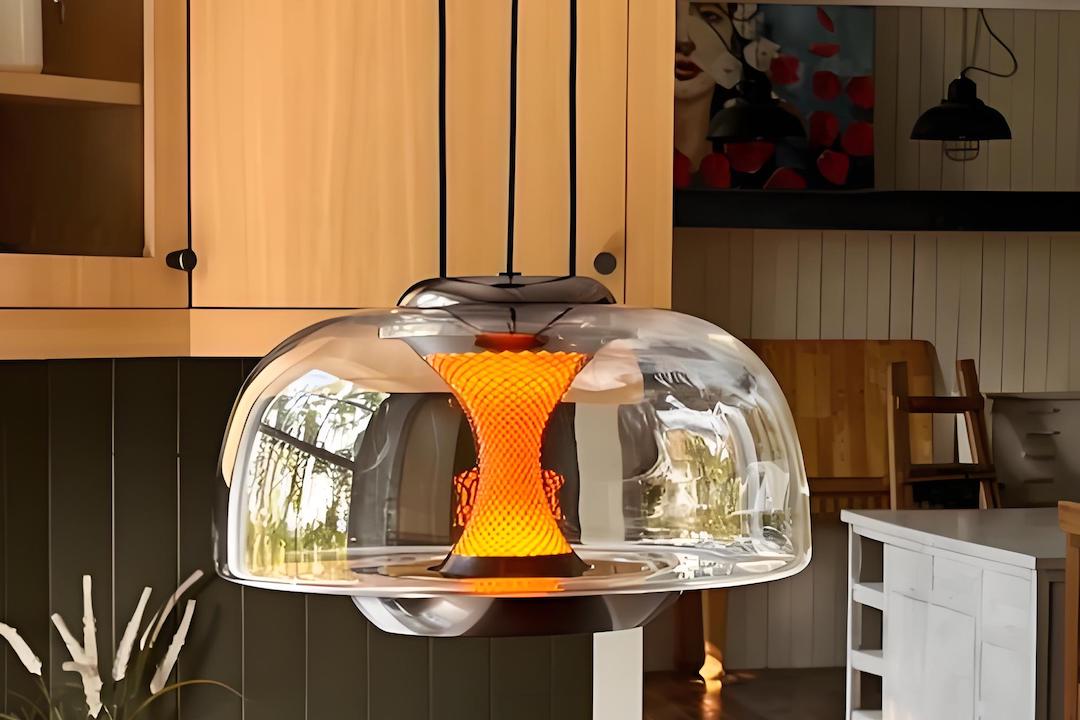
Some contemporary glass chandeliers transcend mere functional lighting to become permanent art installations. These pieces may involve intricate arrangements of custom-blown glass components, often incorporating color and varied finishes. Such designs contribute significantly to the overall aesthetic narrative of the open-plan space, acting as central sculptural elements even when unlit. An organic form, inspired by natural elements like icicles or flowing water, made from numerous interlocking glass elements, can create a breathtaking focal point.
Integrated Smart Lighting Solutions
Modern chandeliers increasingly incorporate smart lighting technology. This allows for remote control, schedule programming, and integration with home automation systems. The ability to adjust brightness, color temperature, and even create dynamic lighting scenes enhances the versatility of glass chandeliers in an open-plan dining environment, adapting to various occasions and moods.
In conclusion, contemporary glass chandeliers offer a sophisticated and functional lighting solution for open-plan dining spaces. Their material properties, combined with responsive design principles, allow them to define zones, enhance ambience, and serve as prominent aesthetic features. Careful consideration of scale, style, and lighting attributes ensures their successful integration into these dynamic environments.