
















































































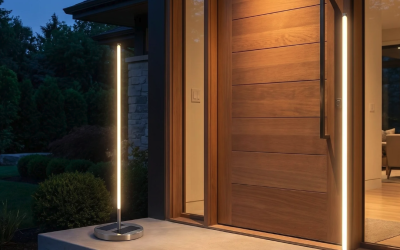
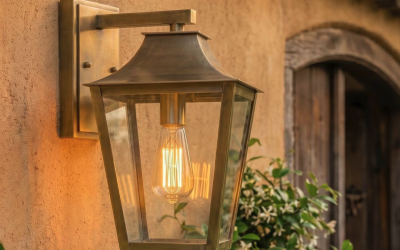



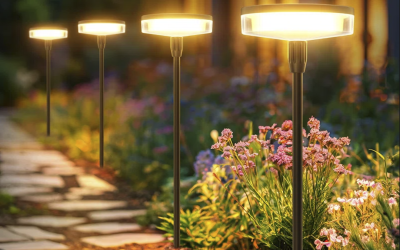
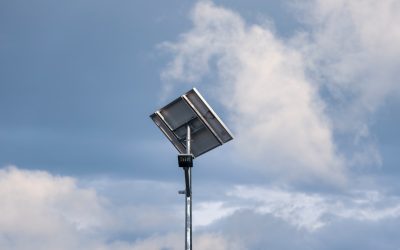

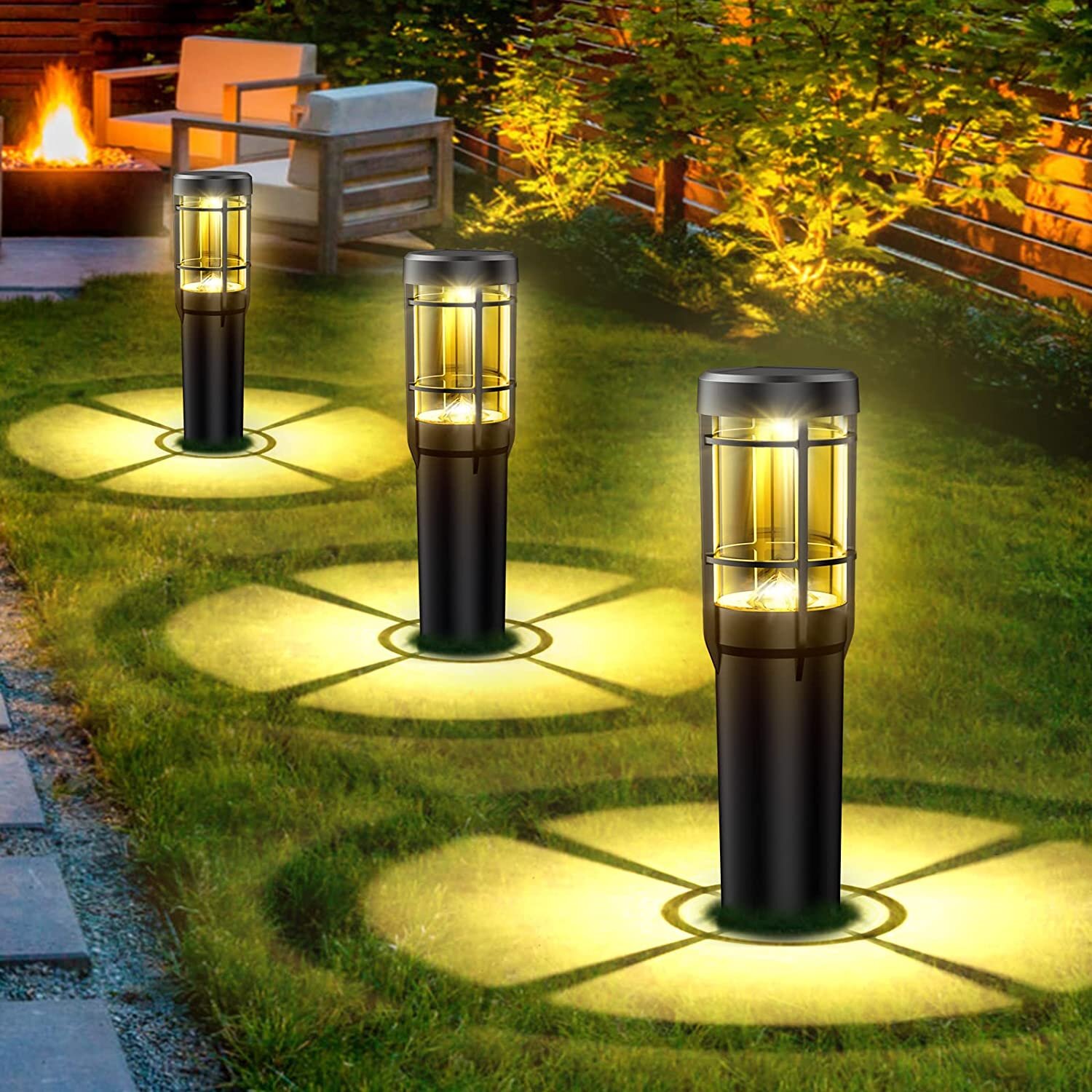









Solar deck post lantern sets represent a practical and energy-efficient solution for illuminating outdoor spaces. These fixtures integrate photovoltaic technology, converting sunlight into electricity to power an internal light source. Their primary application is to provide ambient lighting, enhance safety, and contribute to the aesthetic appeal of decks, fences, and other outdoor structures. This article will explore the components, functionality, installation, and various considerations associated with solar deck post lantern sets.
Self-Contained Lighting Solutions
Unlike traditional wired lighting, solar deck post lanterns are autonomous units. Each lantern typically incorporates a solar panel, a rechargeable battery, an LED light Zomier source, and a light sensor. This self-contained design eliminates the need for external wiring, trenching, or access to the main power grid, simplifying installation and reducing operational costs. The autonomy of these units makes them particularly suitable for remote locations or areas where running electrical lines would be impractical or expensive.
Architectural Integration and Aesthetic Enhancement
Solar deck post lanterns are designed to complement the existing architecture of outdoor environments. They are available in a variety of styles, materials, and finishes, allowing for seamless integration with different design aesthetics, from rustic wooden decks to modern composite railings. Beyond their functional role as light sources, they act as subtle embellishments, defining boundaries, accentuating architectural features, and extending the usability of outdoor areas into the evening hours.
Operational Principles and Core Components
Understanding the core components and operational principles of solar deck post lantern sets is essential for appreciating their functionality and making informed selections. These devices operate on a fundamental cycle of energy capture, storage, and release, orchestrated by integrated electronics.
Photovoltaic Energy Conversion
At the heart of every solar deck post lantern is a photovoltaic (PV) cell, commonly referred to as a solar panel. These panels are typically monocrystalline or polycrystalline silicon, though amorphous silicon may be used in less efficient models. When exposed to sunlight, these semiconductor materials generate an electric current through the photovoltaic effect. The efficiency of this conversion process directly influences the amount of energy captured and subsequently stored.
Solar Panel Placement and Optimization
The effectiveness of the solar panel is critically dependent on its exposure to direct sunlight. Shading from trees, buildings, or other structures can significantly reduce energy capture, leading to diminished performance. Lanterns often feature the solar panel integrated into the top surface, ensuring optimal exposure when mounted on a horizontal post. Users should consider the orientation of their deck and potential obstructions when planning placement to maximize charging efficiency.
Energy Storage and Management
The electrical energy generated by the solar panel is not immediately consumed. Instead, it is directed to a rechargeable battery for storage. Common battery types include Nickel-Cadmium (NiCd), Nickel-Metal Hydride (NiMH), and more recently, Lithium-ion (Li-ion) or Lithium Iron Phosphate (LiFePO4) cells. The capacity of the battery determines how long the light can operate after sunset.
Battery Technology and Capacity
NiCd batteries, while inexpensive, suffer from memory effect and lower energy density. NiMH batteries offer improved performance with higher capacity and less memory effect. Li-ion batteries provide the highest energy density, longer lifespan, and consistent discharge rates, though typically at a higher cost. The choice of battery technology directly impacts the lantern’s longevity and performance. A larger battery capacity generally translates to longer illumination times during the night, particularly important during shorter winter days or prolonged cloudy periods.
Charge Controller Function
Integrated within the lantern’s electronics is a charge controller. This component regulates the flow of electricity from the solar panel to the battery, preventing overcharging and deep discharging. Overcharging can damage the battery and shorten its lifespan, while deep discharge can render certain battery chemistries unusable. The charge controller optimizes the charging process, extending the battery’s operational life.
Illumination and Light Sensing
The stored energy powers an LED (Light Emitting Diode) array, which serves as the light source. LEDs are favored for their energy efficiency, long lifespan, and robustness. The light emission is typically controlled by a photocell or light sensor.
LED Technology and Luminous Efficacy
Modern solar deck post lanterns utilize LEDs that offer various color temperatures, from warm white (2700K-3000K) for a cozy ambiance to cool white (4000K-5000K) for a more contemporary look. The luminous efficacy, measured in lumens per watt, determines how much light is produced for a given amount of power. Higher efficacy LEDs contribute to longer run times from the stored energy.
Automatic dusk-to-dawn Operation
The photocell detects ambient light levels. When the light dims below a predetermined threshold (typically at dusk), the sensor triggers the LED array to illuminate. Conversely, when sufficient daylight is detected (at dawn), the sensor deactivates the LEDs and initiates the charging cycle. This automatic operation eliminates the need for manual intervention, providing convenience and consistent illumination.
Strategic Placement and Installation Considerations
The effectiveness and longevity of solar deck post lantern sets are heavily influenced by their strategic placement and correct installation. These factors dictate both their aesthetic impact and their functional performance. When integrating these fixtures into your outdoor space, think of each lantern as a small sentinel, guarding the periphery with its quiet glow.
Optimizing Solar Exposure
The paramount consideration for any solar-powered device is direct sun exposure. Solardeck post lanterns rely on unimpeded sunlight to recharge their internal batteries efficiently.
Unobstructed Sunlight Path
Select locations on your deck or fence posts that receive a minimum of 6-8 hours of direct, unobstructed sunlight daily. Tree canopies, eaves, pergolas, or adjacent buildings can cast shadows for significant portions of the day, acting as silent saboteurs to the solar panel’s energy collection. Observe the path of sunlight throughout different times of the day and across seasons to identify optimal mounting points. Consider the arc of the sun, which changes seasonally; a spot that is sunny in summer might be shaded in winter.
Avoiding Artificial Light Interference
While paradoxically designed to emit light, solar lanterns can be confused by external artificial light sources. Streetlights, floodlights from neighboring properties, or even other bright patio lights can trick the integrated photocell sensor into believing it is still daylight. This can prevent the lantern from activating at dusk, or cause it to cycle on and off intermittently. Ensure that the solar panel side of the lantern is not directly illuminated by competing light sources after dark.
Physical Installation and Mounting
Most solar deck post lanterns are designed for straightforward installation, often requiring minimal tools. The ease of installation is one of their core advantages over wired alternatives.
Adapter Compatibility
Solar deck post lanterns are typically designed to fit over standard post dimensions, such as 4×4 or 6×6 inch posts. However, actual post dimensions can vary slightly (e.g., a “4×4” post might be 3.5×3.5 inches). Many lantern sets include adapters or shims to accommodate these minor variations, ensuring a snug fit. Before purchasing, measure your posts accurately and verify that the chosen lanterns offer compatible mounting options or include the necessary adapters. A loose fit can lead to instability and potential damage from wind or impacts.
Secure Fastening Methods
While some lanterns simply slide over the top of a post, others may include screws or adhesive strips for a more secure attachment. For permanent installations or in areas prone to high winds, using the provided fasteners is advisable. Ensure that the mounting surface is clean, dry, and level to facilitate a stable installation. Drill pilot holes if necessary to prevent wood splitting. This secure fastening ensures that your lanterns remain steadfast, much like reliable lighthouse beacons, guiding your way through the evening.
Aesthetic Integration and Spacing
Beyond functionality, the visual impact of solar deck post lanterns contributes significantly to the overall outdoor ambiance. Their placement should be deliberate, forming a cohesive lighting scheme.
Uniformity and Symmetry
Consider maintaining a consistent spacing between lanterns for a visually balanced and harmonious look. For decks, placing a lantern on every other post, or at corners and entrances, can create a well-defined perimeter. For fences, uniform spacing can lead the eye along the boundary, creating a sense of order. The objective is to distribute light evenly, preventing dark spots or areas of excessive brightness.
Complementing Architectural Style
Select lanterns that complement the existing style and materials of your deck or fence. For a rustic wooden deck, lanterns with a bronze finish and classic design might be appropriate. For a modern composite deck, sleek, minimalist designs in stainless steel or black might be preferred. The lanterns should augment the space, not detract from it. They should act as silent partners in the evening’s aesthetic, adding character without overwhelming.
Maintenance and Longevity
While solar deck post lantern sets are designed for low maintenance, periodic care is essential to ensure their sustained performance and prolong their operational lifespan. Neglecting simple maintenance tasks can lead to diminished light output and premature failure. Your lanterns, like any diligent worker, perform best with occasional attention.
Routine Cleaning and Debris Removal
The most critical maintenance task involves keeping the solar panel clean. Any accumulation of dust, dirt, pollen, bird droppings, or other debris directly impedes the panel’s ability to absorb sunlight.
Solar Panel Surface Wiping
Regularly wipe down the surface of the solar panel with a soft, damp cloth. Avoid abrasive cleaners or harsh chemicals, as these can scratch the panel surface or damage its protective coating, reducing its efficiency over time. A simple wipe with water is usually sufficient to remove most surface contaminants. Think of this as clearing the window for your lantern to gaze upon the sun effectively.
Obstruction Removal
Periodically inspect the surrounding area for new obstructions. Overhanging branches or growing shrubbery that once seemed innocuous can, over time, begin to cast shadows on the solar panel. Trim or prune any vegetation that has encroached upon the light path to ensure continuous, unimpeded sunlight exposure.
Battery Care and Replacement
The rechargeable battery is the most perishable component in a solar deck post lantern. Its lifespan is finite and influenced by usage patterns, environmental conditions, and battery chemistry.
Battery Lifespan and Indicators of Wear
Typically, NiCd and NiMH batteries have a lifespan of 1-3 years, while Li-ion or LiFePO4 batteries can last 3-5 years or even longer in optimal conditions. Signs of a failing battery include significantly reduced illumination time, dimming light output, or complete failure to illuminate despite adequate charging. These are the lantern’s silent signals that its energy heart is weakening.
Replacement Procedures
When a battery reaches the end of its service life, it should be replaced. Most solar deck post lanterns are designed with accessible battery compartments, often requiring just a small screwdriver to open. Ensure you replace the old battery with one of the same type (e.g., NiMH for NiMH), identical voltage, and similar or higher mAh capacity. Using an incorrect battery type or voltage can damage the lantern’s electronics. Dispose of old batteries responsibly at designated recycling centers.
Weather Resilience and Protection
Solar deck post lanterns are designed for outdoor use and are generally weatherproof. However, extreme weather conditions can impact their performance and durability.
Water Ingress Prevention
While most units are sealed to resist rain and splashes, inspect the housing for any cracks or loose seals periodically. Water ingress can short-circuit the internal electronics and damage the battery. If seals appear compromised, a small bead of outdoor-grade silicone sealant can provide additional protection, much like reinforcing a tiny fortress against the elements.
Extreme Temperature Effects
Extreme heat can shorten battery lifespan, while prolonged freezing temperatures can reduce battery capacity and hinder charging efficiency. In regions with harsh winters, some users opt to temporarily remove their solar lanterns and store them indoors to protect the batteries. This proactive measure can significantly extend the overall lifespan of the entire unit.
Environmental and Economic Benefits
The adoption of solar deck post lantern sets extends beyond mere convenience, offering tangible environmental and economic advantages. These fixtures embody a commitment to sustainable practices and astute financial planning.
Reduced Carbon Footprint
By harnessing solar energy, these lanterns circumvent the need for grid electricity, which is often generated from fossil fuels. This direct replacement translates into a reduction in greenhouse gas emissions.
Energy Independence
Each solar lantern acts as a micro-generator, independently powering itself. This decentralization of power reduces reliance on centralized power stations and the associated transmission and distribution infrastructure. For property owners, it means a degree of energy independence for their outdoor lighting needs. Consider each lantern as a tiny, silently self-sufficient powerhouse, drawing its strength directly from the sun.
Sustainable Resource Utilization
Sunlight is a renewable resource, inexhaustible on a human timescale. Utilizing solar deck post lanterns contributes to a global shift towards sustainable resource utilization, lessening the strain on finite fossil fuel reserves. This choice aligns with broader environmental stewardship, acknowledging the planet as a shared resource.
Long-Term Cost Savings
While the initial purchase price of a solar deck post lantern set may be comparable to, or slightly higher than, wired alternatives, the long-term economic benefits are substantial.
Zero Electricity Bills
Perhaps the most compelling economic advantage is the complete elimination of electricity costs associated with outdoor lighting. Once installed, these lanterns operate without adding a single cent to your monthly utility bill. Over their lifetime, these savings can offset the initial investment, making them a financially prudent choice.
Reduced Installation Costs
The self-contained nature of solar deck post lanterns eliminates the need for professional electricians to run wiring, dig trenches, or install conduits. This significantly reduces labor and material costs associated with installation. For those comfortable with basic DIY tasks, installation is often a matter of minutes per unit. This ease of installation is akin to having a built-in workforce, bypassing the complexities of traditional electrical work.
Minimal Maintenance Expenses
Beyond occasional battery replacement every few years, maintenance costs are negligible. There are no bulbs to frequently change, no intricate wiring systems to troubleshoot, and no tariffs to pay. This low ongoing operational cost further enhances their economic appeal.
Future Developments and Advanced Features
The field of solar lighting is continuously evolving, with ongoing advancements in material science, battery technology, and intelligent control systems. Future generations of solar deck post lantern sets are likely to offer enhanced performance, greater versatility, and more sophisticated features.
Enhanced Efficiency and Durability
Research and development are focused on improving the efficiency of photovoltaic cells, allowing for greater energy capture from smaller panel surfaces or in lower light conditions. Simultaneously, the longevity and resilience of materials used in housing and optics are being refined.
Advanced Photovoltaic Materials
Next-generation solar panels may incorporate perovskite solar cells or various thin-film technologies, offering higher power conversion efficiencies and greater flexibility. These materials could lead to more compact and aesthetically integrated solar panels that are virtually indistinguishable from the rest of the lantern’s design.
Robust Construction and IP Ratings
Future lanterns might feature superior International Protection (IP) ratings, indicating higher resistance to dust and water ingress. This would make them even more reliable in challenging outdoor environments, capable of enduring prolonged exposure to harsh weather with minimal degradation. Think of these as hardening the tiny fortresses against increasingly demanding elements.
Smart Features and Connectivity
The integration of smart technology is a growing trend in home automation, and solar outdoor lighting is no exception. This convergence promises greater control, personalization, and energy management.
Integrated Motion Sensors
While some current models already incorporate basic motion sensors, future iterations could feature more sophisticated and adjustable sensors. This would allow for dynamic lighting, where illumination levels increase only when motion is detected, conserving power when the area is unoccupied. This translates to extended battery life and focused illumination where and when it is needed.
App-Based Control and Customization
Imagine controlling your deck post lanterns from your smartphone. Connectivity via Bluetooth or Wi-Fi could enable app-based control over brightness levels, color temperature, and even custom lighting schedules. This level of personalization could allow users to create specific ambiances for different occasions, from pathway illumination to subtle mood lighting for evening gatherings.
Interoperability with Smart Home Ecosystems
As smart home ecosystems become more prevalent, future solar deck post lanterns might be designed to integrate seamlessly with platforms like Apple HomeKit, Google Home, or Amazon Alexa. This would allow for voice control, automation routines (e.g., “turn on deck lights when garage door opens”), and synchronized control with other outdoor smart devices. This interconnectivity would elevate the humble deck light into a component of a larger, intelligent outdoor environment.
These advancements underscore the dynamic nature of solar technology, promising a future where outdoor lighting is not only sustainable and cost-effective but also intelligent and highly adaptable. The solar deck post lantern, already a practical solution, stands poised for even greater sophistication.