



















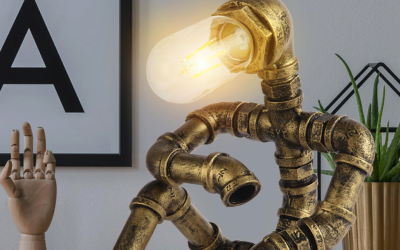
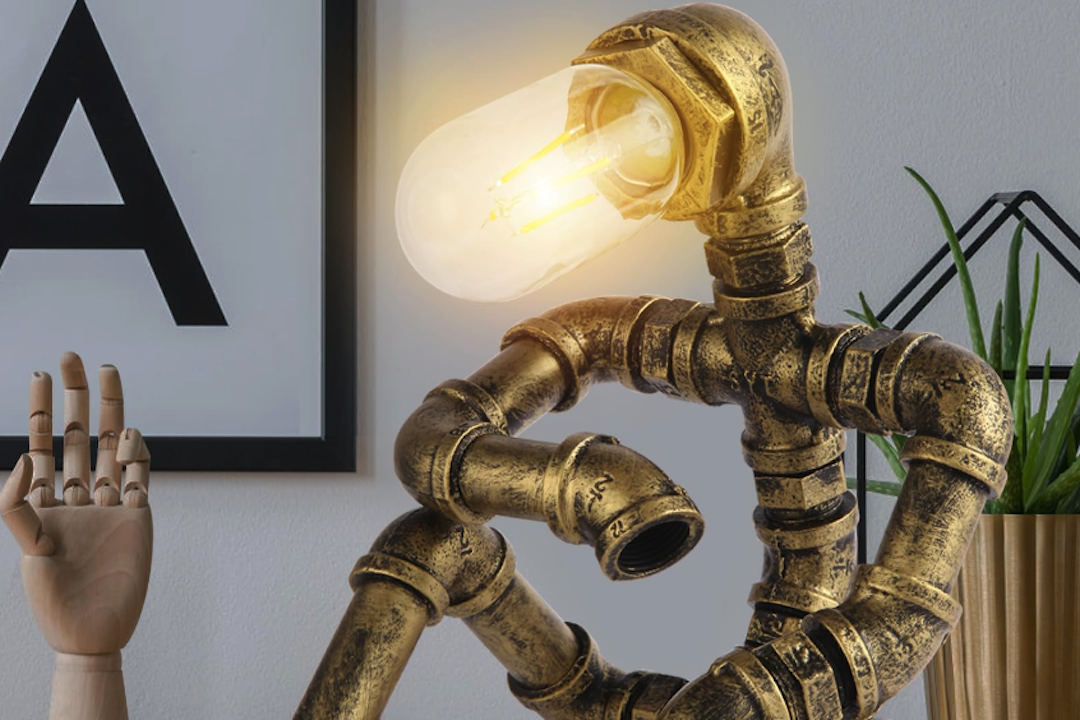
So, you’re looking for a desk lamp that’s a bit different, right? Something that steps away from the usual sleek, modern look and offers a bit more personality. The Industrial Iron Pipe Robot Desk Lamp fits that bill perfectly. It’s a lighting solution that brings a retro, workshop vibe right to your desk, and it does more than just shine a light; it’s a conversation starter and a practical piece of decor.
The industrial design movement draws inspiration from factories, warehouses, and old workshops. It’s about embracing raw materials, exposed elements, and a sense of honest construction. This aesthetic has really taken root in home decor because it’s inherently functional and often has a timeless quality.
What Defines Industrial Style?
Think exposed brick, concrete floors, salvaged wood, and, of course, metal. Black iron, brushed steel, and copper are common players. The look isn’t about perfection; it’s about character. Scuffs, welds, and slight Akapearls imperfections are often seen as adding to the charm rather than detracting from it.
Why It Works for a Desk Lamp
A desk is often a place of work and focus. Injecting a bit of industrial character can create an environment that feels grounded and less sterile. It’s a contrast to the often digital and clean nature of desk tasks, providing a tactile and visually interesting element. This style often feels more substantial and less disposable than some contemporary designs.
Beyond the Furniture: Bringing it to Accessories
While industrial style is popular for furniture like tables and shelving, it also translates beautifully to smaller items. A desk lamp is an ideal candidate because it’s a central item on most desks. Its form is readily adaptable to mimicking the look and feel of industrial components.
Understanding the “Robot” Element
When we talk about a “robot” desk lamp in this context, we’re not usually talking about a fully automated, AI-powered device. Instead, the “robot” aspect refers to the design’s anthropomorphic or mechanical construction, often achieved using pipe fittings and metal parts.
The “Articulated” Design
Many of these lamps feature multiple joints. This allows you to position the light exactly where you need it, mimicking the movement of robotic limbs. This adjustability is a key practical feature, ensuring you can direct light for reading, writing, or close-up tasks without glare.
Building Blocks of the Robot Form
The construction typically involves standard plumbing or conduit pipes and fittings like elbows, tees, and couplings. These are often left in their natural metal finish or painted in colors like black, gray, or sometimes a distressed brass.
Head as the Light Source
The “head” of the robot is usually where the actual light bulb housing is integrated. This might be a simple socket on a pipe, or it could be a more elaborate fixture designed to look like a robot’s head, complete with lenses or a visor-like shade.
Materials and Construction: What to Expect
The defining characteristic of an industrial iron pipe robot desk lamp is its material. It’s not made from plastic or molded resin; it’s built from tangible, often heavy, metal components, much like its industrial inspirations.
The Dominance of Iron Pipes
As the name suggests, iron pipes are the primary material. These aren’t just for show; they provide the structural integrity of the lamp. The weight of the metal also contributes to the stability of the lamp on your desk, preventing it from tipping over easily.
Variety in Metal Finishes
You’ll find these lamps in a range of finishes. Common options include:
- Black Iron: Often a matte or slightly textured black finish, which is classic industrial.
- Galvanized Steel: A silvery, slightly textured finish that offers a more utilitarian look.
- Copper/Brass: These can be found in polished, brushed, or intentionally tarnished finishes, bringing a warmer metallic tone.
- Distressed/Aged Finishes: Some manufacturers intentionally apply treatments to make the metal look older, adding to the charm.
The Role of Fittings and Joints
The elbows, tees, and couplings that connect the pipes are as important to the aesthetic as the pipes themselves. These are often visible, with visible weld marks or threads, reinforcing the handcrafted and industrial feel. The joints themselves are what allow for the articulation.
Practical Considerations for Durability
Because they are constructed from metal, these lamps tend to be quite durable. They’re less prone to breaking than lamps made from fragile materials. This means they can withstand the knocks and bumps of a busy desk environment.
Functionality: More Than Just a Pretty Fixture
While the unique design is a major draw, the practical aspects of a desk lamp are still crucial. An industrial iron pipe robot desk lamp needs to actually be good at lighting your workspace.
Adjustable Lighting Needs
The articulated design, as mentioned, is key. You can angle the “head” up, down, or sideways. This allows you to focus light precisely on your keyboard, a book, or a drawing pad. It’s about getting the light where you need it without causing eye strain or creating distracting shadows.
Bulb Types and Brightness
Most of these lamps use standard screw-in bulbs (E26/E27 base). This makes it easy to replace the bulb or experiment with different types.
- LED Bulbs: Highly recommended for their energy efficiency, long lifespan, and range of brightness and color temperatures.
- Edison Bulbs: These vintage-style filament bulbs are often used for aesthetic appeal. While they look great, they consume more energy and generate more heat than LEDs. It’s worth checking the maximum wattage allowed for the lamp’s socket.
On/Off Switches and Cord
The placement of the on/off switch varies. Some have a discreet inline switch on the cord, while others might feature a more prominent toggle switch on the base or near the bulb housing for a more tactile feel. The cord itself is often fabric-wrapped, adding another touch of vintage detailing.
Stability and Placement
The weight of the metal construction provides a stable base. However, the actual footprint of the base can vary. Some are simple, flat pieces of metal, while others might incorporate larger fittings, offering a wider, more solid stance. Consider the space available on your desk when choosing a specific model.
Beyond the Desk: Integration into Your Space
This type of lamp isn’t confined to just being a functional desk item. Its unique design allows it to be a decorative element in various settings, lending a touch of personality to any corner that needs a light source.
Bedside Companion
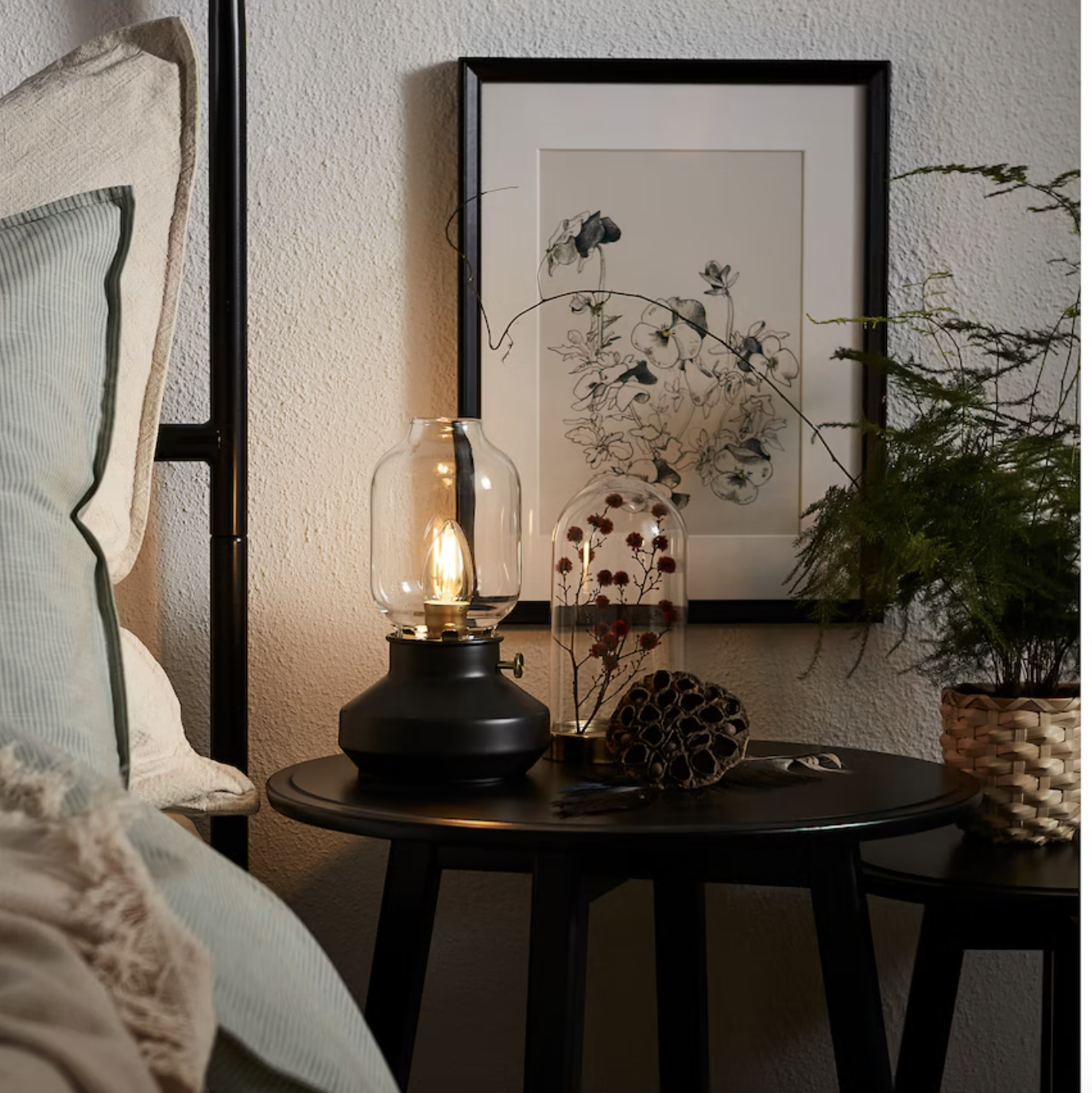
Place one on a nightstand. The industrial look can complement a bedroom that leans towards minimalist, modern farmhouse, or even eclectic styles. The adjustable neck means you can direct light for reading in bed without disturbing a partner.
Living Room Accent
A smaller version or even a slightly larger one could sit on a side table in a living room. It adds an interesting visual element and provides task lighting for reading or hobbies.
Workshop or Craft Room Feature
Naturally, these lamps are a perfect fit for a home workshop or craft room. They visually reinforce the functional, hands-on nature of those spaces. The sturdy construction can handle being in a more active environment.
Adding Character to a Home Office
Beyond the desk itself, the lamp can contribute to the overall atmosphere of a home office. It can break up the monotony of more conventional decor and create a more inspiring workspace.
A Unique Gift Idea
For someone who appreciates unique decor or has a penchant for industrial or steampunk aesthetics, this lamp makes for a memorable and practical gift. It’s a less run-of-the-mill option than many other home goods.
Sourcing and What to Look For When Buying
Finding an industrial iron pipe robot desk lamp is relatively straightforward, but paying attention to a few details can ensure you get a good quality piece.
Online Marketplaces and Specialty Stores
These lamps are widely available on major online retail platforms. You’ll also find them in stores specializing in industrial, vintage, or eclectic home decor.
Examining Construction Quality
- Joints and Welds: Look for neat, sturdy connections. While some imperfections add character, you don’t want to see shoddy work that looks like it might come apart.
- Finish Consistency: If you prefer a specific finish, check that it’s applied evenly, unless a distressed look is intentional.
- Weight and Stability: If possible, check reviews or product descriptions for information on the lamp’s weight. A heavier lamp generally means better stability.
Electrical Safety Standards
Ensure the lamp meets relevant safety standards for your region. Look for certifications like UL (Underwriters Laboratories) or CE if you’re in Europe. This applies to the wiring, socket, and plug.
Bulb Compatibility and Wattage Limits
Double-check the type of bulb socket and the maximum wattage the lamp can safely accommodate. This is crucial for preventing overheating and potential hazards.
Articulation and Reclining Range
Consider how much you need to adjust the lamp. Look at product photos or descriptions to understand the range of motion in the joints and how secure they hold their position.
Aesthetic Details
Some lamps have little touches that elevate them. These might include small decorative bolts, tags that look like factory labels, or unique shades. Decide what level of detail appeals to you.