
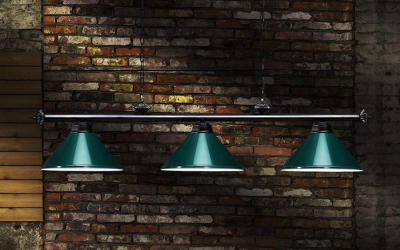
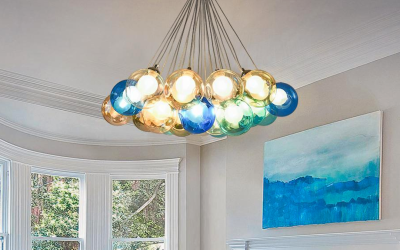
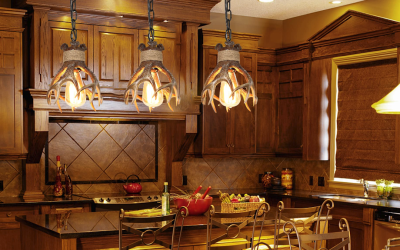
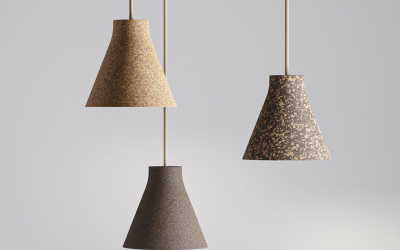
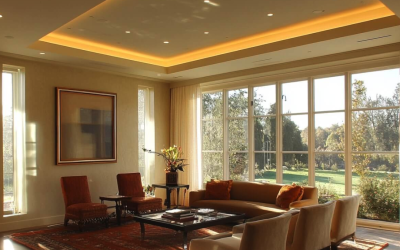



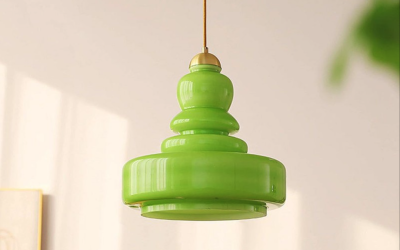
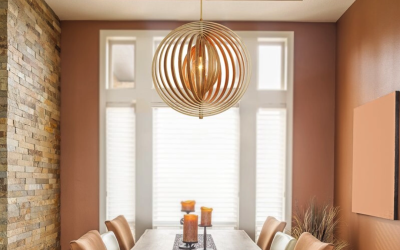
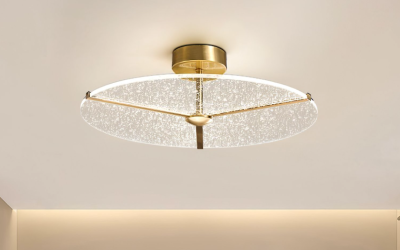
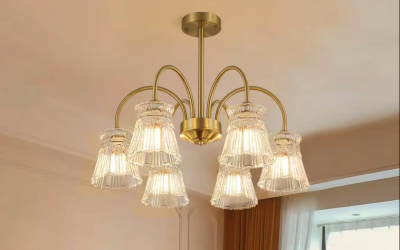

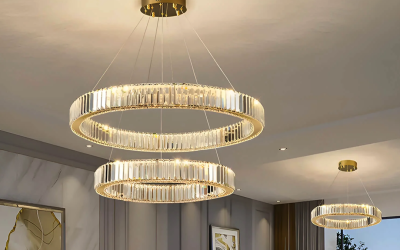
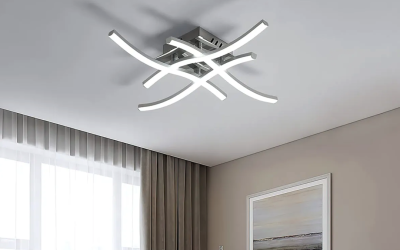
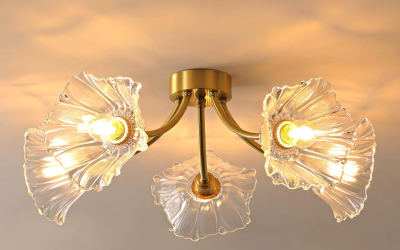




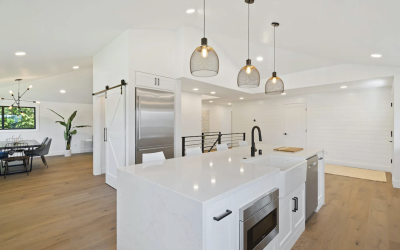
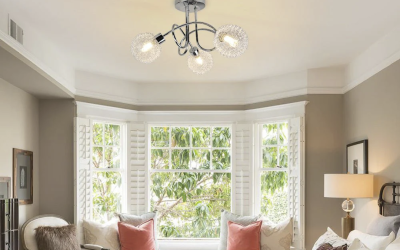






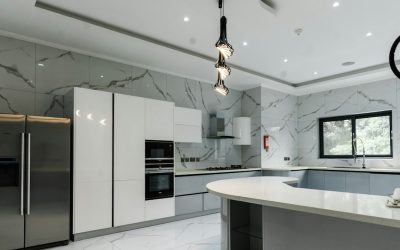

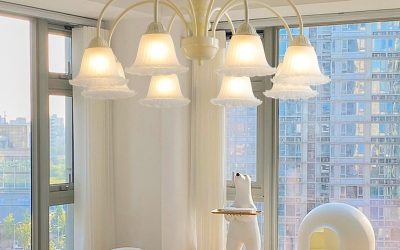
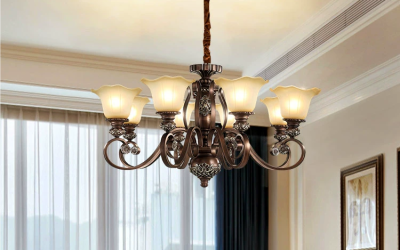
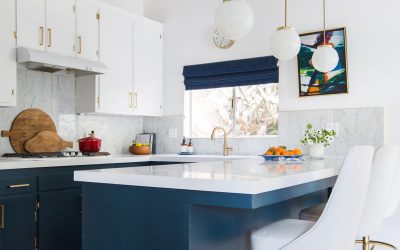


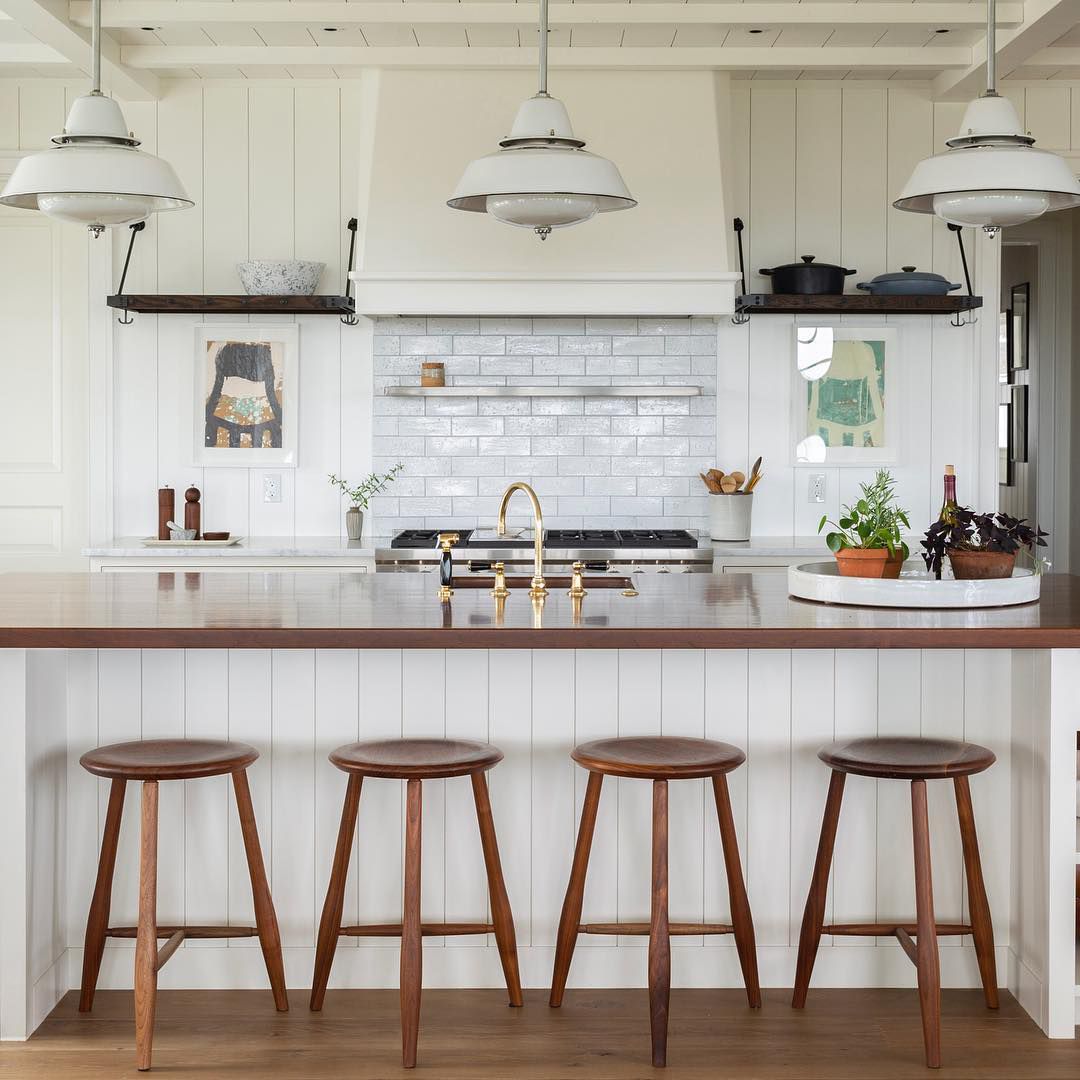
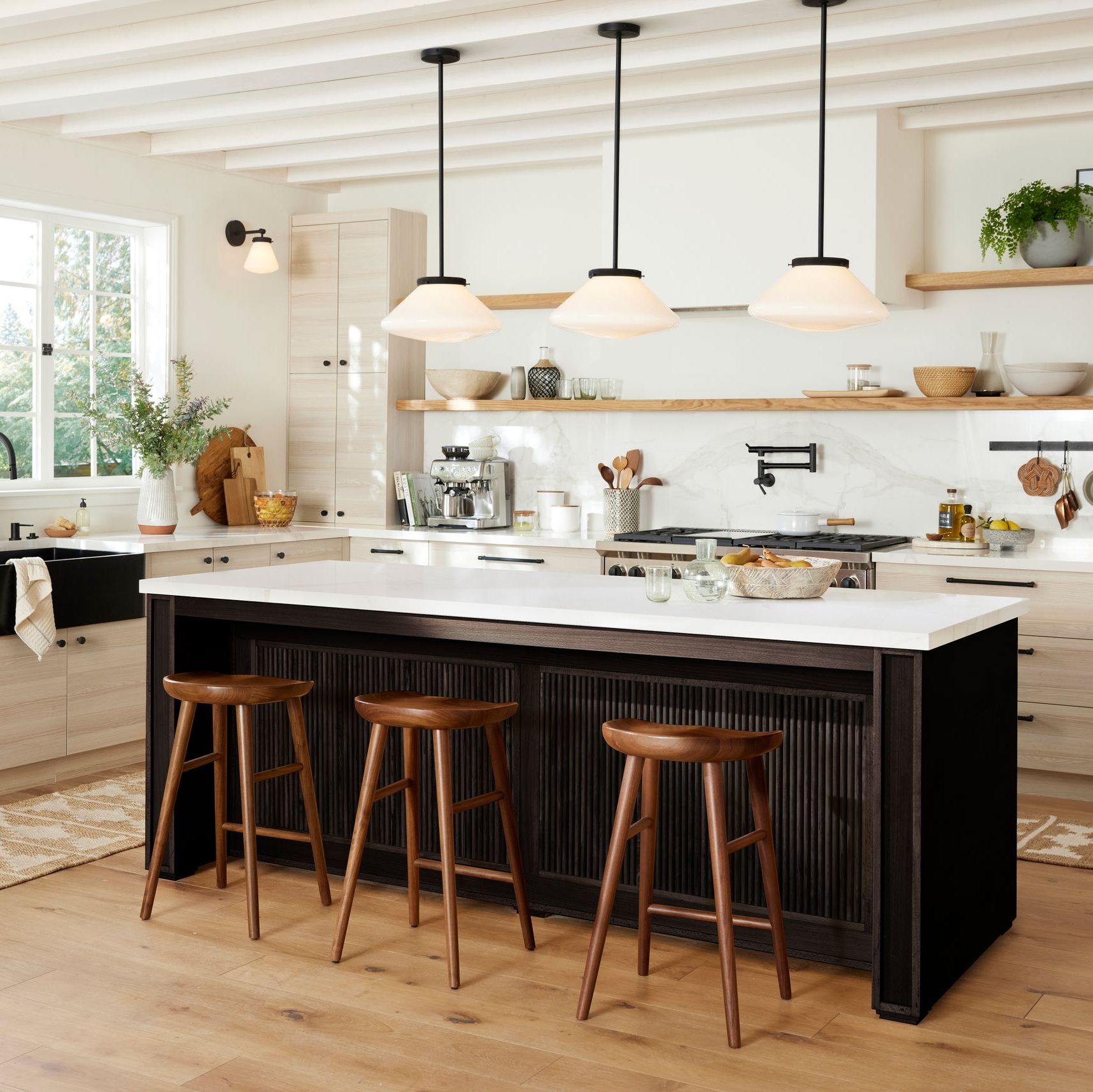













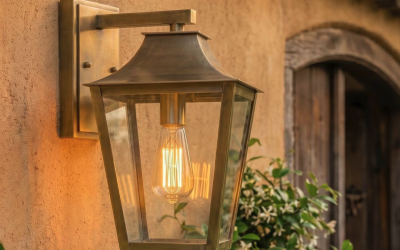


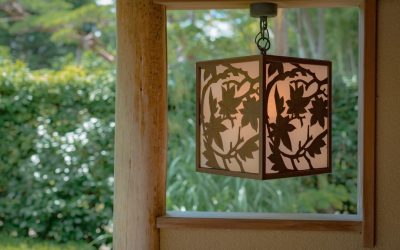


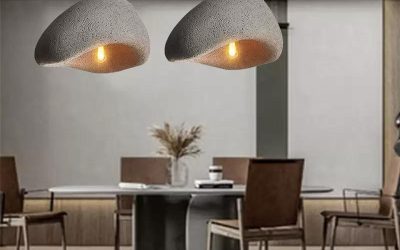

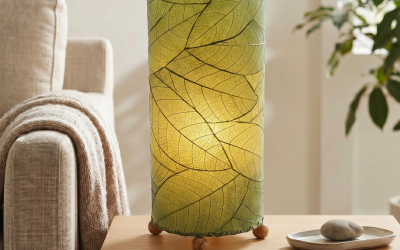



So, you’ve got a room that’s leaning a little too much towards the pale side? Maybe it feels a bit washed out, lacking a certain oomph. You’re wondering if charcoal lighting can be the secret ingredient to keeping it grounded, giving it that anchor it needs. The short answer? Absolutely. Charcoal lighting, used thoughtfully, can be a fantastic way to introduce depth, sophistication, and a sense of coziness without overwhelming a light-filled space. It’s all about balance.
The Nuance of Charcoal
Before we dive into how to use it, let’s talk about what charcoal lighting Dylonon actually is. We’re not talking about literal smoldering coals, of course! In the context of interior design, “charcoal” refers to a deep, rich, almost black shade of grey. It’s a color that has a grounding presence, a sense of weight and substance. Think of it as the sophisticated cousin of black. It’s softer, more nuanced, and less stark, which makes it incredibly versatile. It can absorb light in a way that creates a cozy intimacy, or it can be used as a bold accent to define architectural features or add a dramatic flair. Its beauty lies in its ability to provide contrast and definition, preventing a space from feeling flat or ephemeral.
Why Pale Rooms Need Grounding
Pale rooms, while often airy and bright, can sometimes suffer from a lack of definition. Imagine a canvas that’s entirely white – it’s pure and open, but without any focal points or anchors, it can feel a bit sterile or even overwhelming. Similarly, a room dominated by light colors can lack a sense of place, a feeling of being truly lived in. Grounding a room means giving it a visual foundation, something that anchors the eye and creates a sense of stability and comfort. It’s about introducing elements that provide depth, contrast, and a feeling of substance, preventing the space from floating away.
How Charcoal Lighting Achieves This
Charcoal lighting, whether it’s through actual light fixtures or decorative elements that evoke charcoal, works by introducing this much-needed contrast. It’s a visual anchor. The deep, dark tones absorb light and create shadows, adding dimension and visual interest. This is especially effective in rooms with a lot of natural light, where the contrast between bright areas and darker accents becomes more pronounced and impactful. It’s like a well-placed dark wood coffee table in a cream-colored living room – it’s not about overwhelming the space, but about providing a solid, grounding element.
When we talk about charcoal lighting, the most direct application is often through the fixtures themselves. The material and finish of your lamps, chandeliers, and sconces can play a huge role in establishing that grounded feel. It’s not just about the light they emit, but also their physical presence in the room.
Material Matters: From Matte to Metallic
The material of your charcoal-toned lighting fixtures will significantly influence the overall mood and how the color is perceived.
Matte Finishes: The Soft Embrace
Matte charcoal finishes are excellent for a subtler, more understated approach to grounding. They absorb light rather than reflect it, which can create a softer, more diffused shadow and a less harsh contrast.
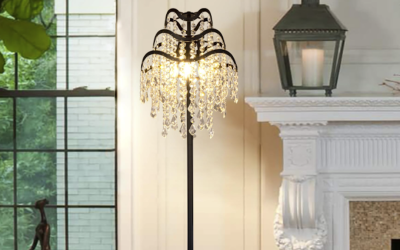
- Powder-Coated Metals: Many modern fixtures are finished with a matte powder coating in charcoal grey. This offers durability and a sophisticated, non-reflective surface. Think of a sleek floor lamp with a matte charcoal base and stem. It will have a strong presence without being overpowering.
- Ceramics and Concrete: For a more organic or industrial feel, matte charcoal ceramic or concrete fixtures can be a fantastic choice. A pendant light with a matte charcoal ceramic shade, for example, will bring a weighty, earthy quality to the space.
Metallic Finishes: A Touch of Sophistication
While often associated with shine, charcoal can also be found in metallic finishes, offering a more refined and sometimes industrial aesthetic.
- Brushed or Antiqued Charcoal: Instead of a high-gloss black, look for brushed or antiqued charcoal metal finishes. These have a subtle sheen that catches the light in a sophisticated way, adding depth without being overly reflective. This is great for a more traditional or vintage-inspired look.
- Dark Bronze or Pewter: These metallic tones often lean towards a deep, charcoal-like hue. A dark bronze pendant light might have enough grey undertones to serve as your grounding element, especially when contrasted with lighter surroundings.
Fixture Styles: From Statement Pieces to Subtle Accents
The style of your lighting fixture will also dictate how much of a grounding statement it makes.
Bold and Architectural Designs
For a room that needs a significant anchor, consider fixtures with strong, geometric shapes.
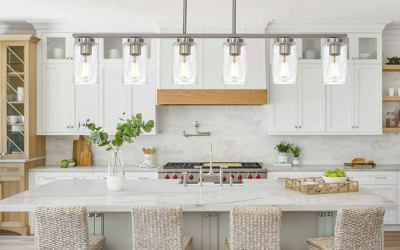
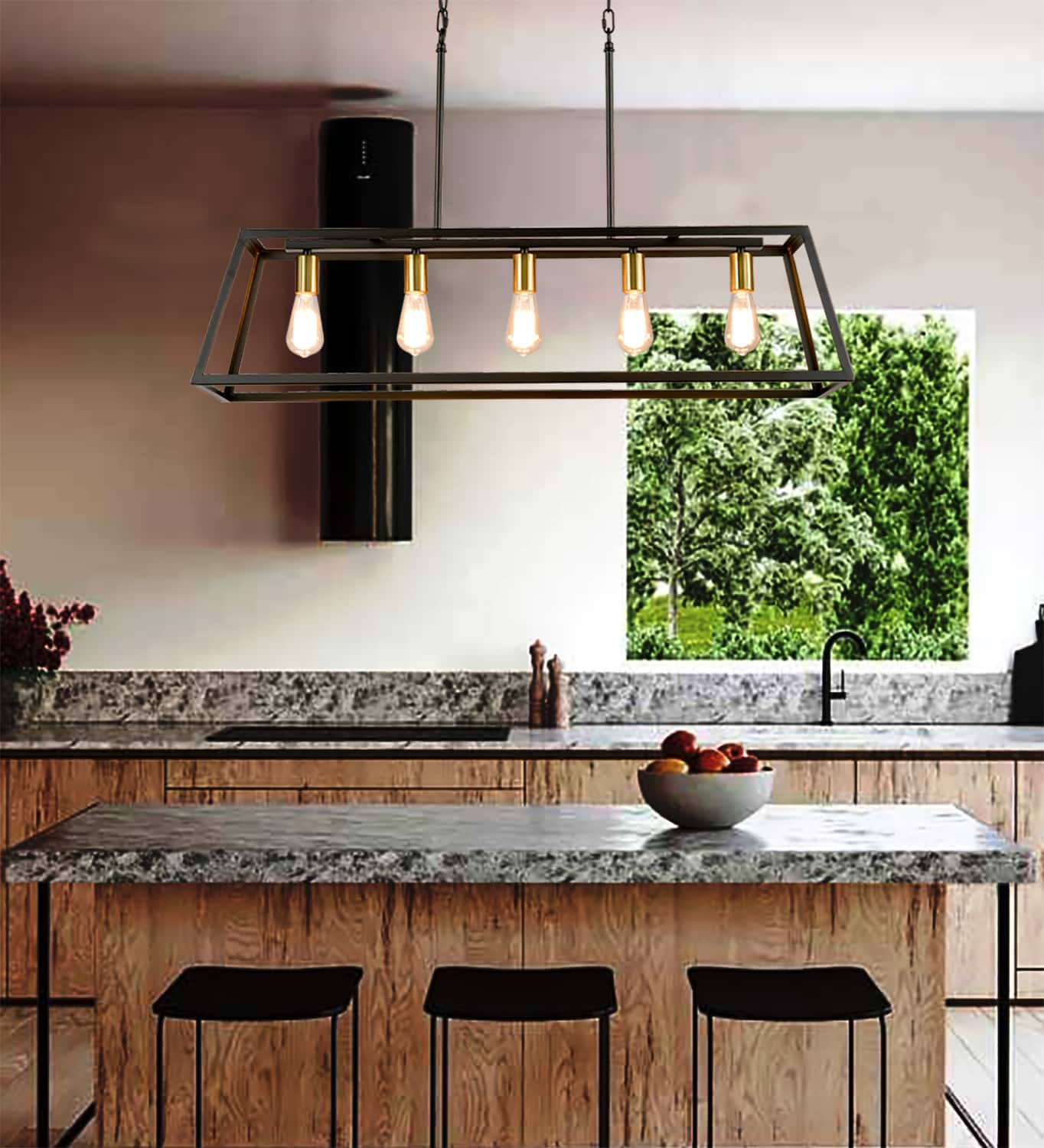
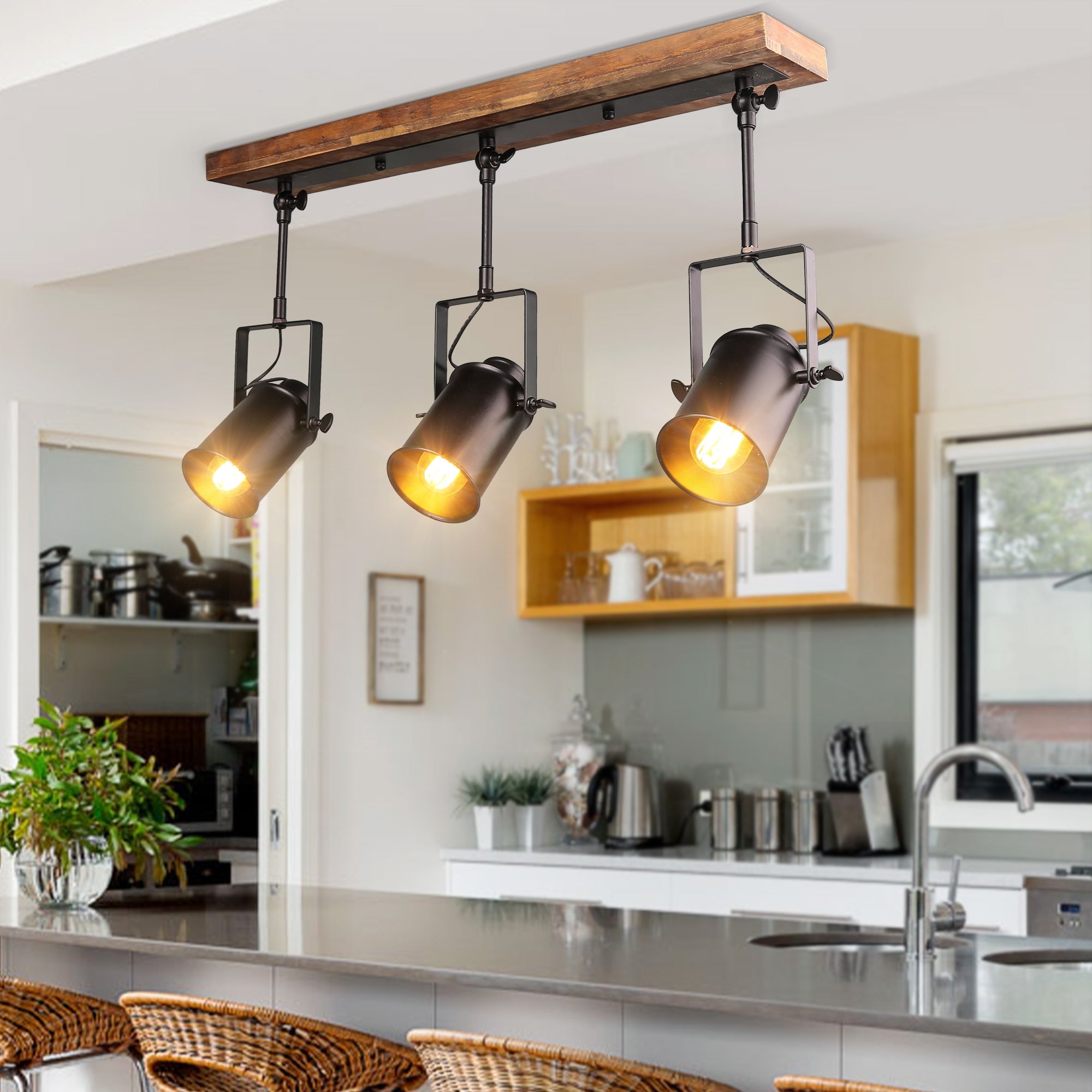
- Linear Pendants: A long, linear pendant light with a charcoal frame can draw the eye and define a specific area, like a dining table or kitchen island. The length and darkness create a strong visual line.
- Cage or Geometric Lanterns: These often feature open, angular frames in dark finishes. They allow light to pass through while their structure provides a sense of solidity and definition.
Subtle and Supportive Fixtures
Sometimes, you don’t need a dramatic centerpiece. Subtle charcoal elements can still provide that grounding effect.
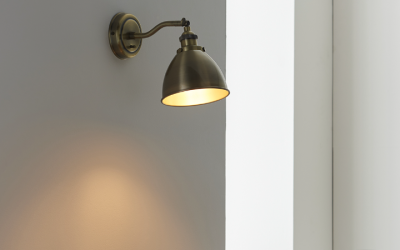
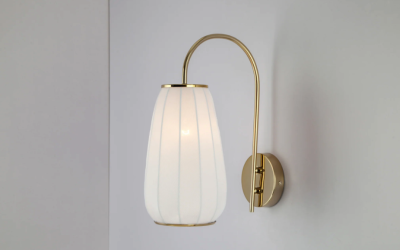
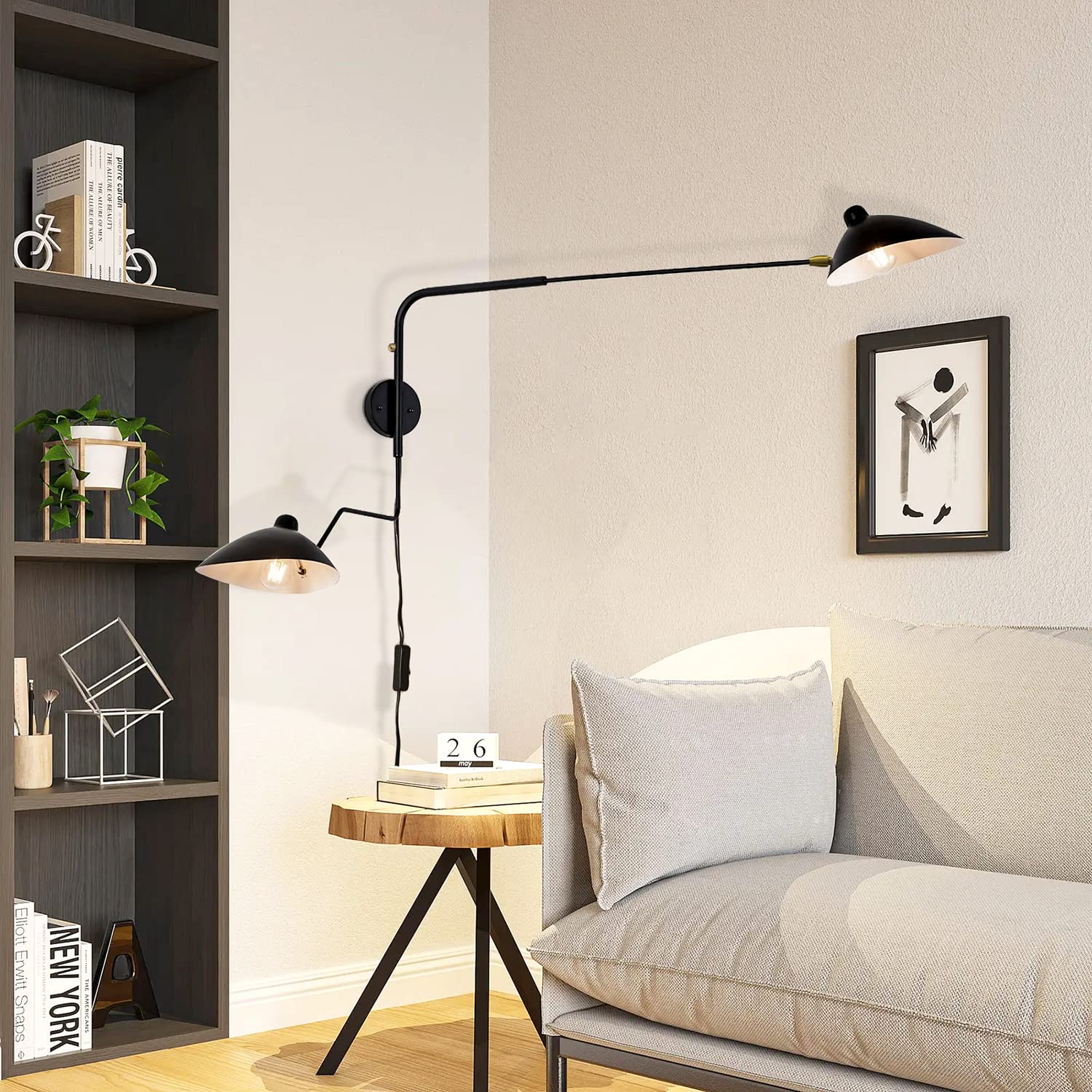
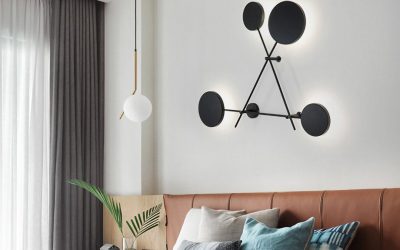
- Minimalist Sconces: A simple wall sconce with a charcoal metal arm and a small, dark shade can add just enough visual weight to a corner or hallway.
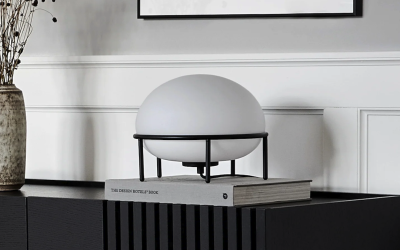
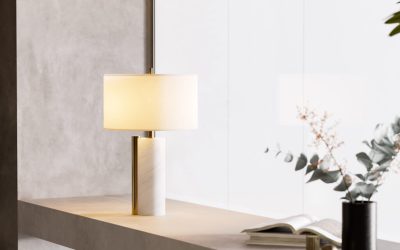
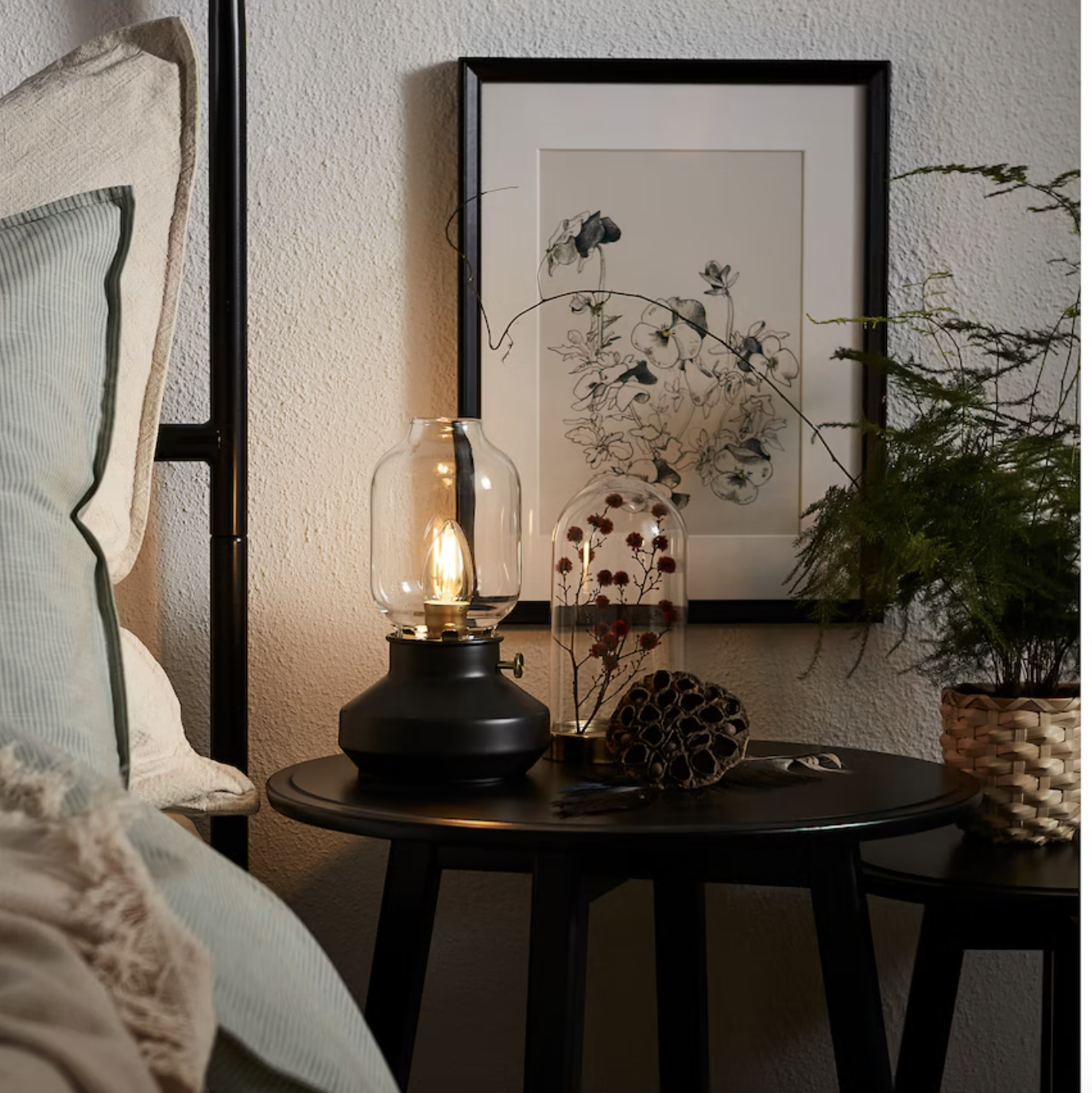
- Small Table Lamps: A small table lamp with a charcoal base and a complementary dark shade can provide localized grounding on a side table or console. It’s about layering these smaller moments of depth.
Integrating Charcoal Accents for Grounding
Beyond the fixtures themselves, charcoal can be woven into your decor in other ways to support the lighting and further anchor your pale room. These accents work in tandem with your light sources to create a cohesive and grounded atmosphere.
The Power of Textiles
Soft furnishings are a fantastic way to introduce color and texture without a major renovation. Charcoal in textiles can bring warmth and depth.
Cushions and Throws: Easy Updates
This is perhaps the most accessible way to bring charcoal into your space.
- Textured Cushions: A few charcoal-grey cushions in velvet, linen, or a chunky knit can instantly add a sophisticated depth to a pale sofa or armchair. The texture will catch the light differently, adding visual interest.
- Cozy Throws: A charcoal throw draped over the arm of a sofa or folded at the end of a bed provides a tactile element of grounding. It’s an invitation to snuggle up.
Rugs: Defining Your Space
A rug is a fundamental grounding element in any room, and a charcoal rug can be incredibly effective in a pale space.
- Low-Pile Charcoal Rug: A low-pile rug in a solid charcoal or with a subtle pattern can anchor your seating area or dining space. It creates a defined zone and prevents the floor from feeling too vast or disconnected.
- Patterned Rugs with Charcoal Accents: If a solid charcoal rug feels too bold, look for a rug with a pattern that incorporates charcoal as one of its colors. This can tie in with other charcoal elements in the room.
Decorative Objects: The Finishing Touches
Small, thoughtfully placed decorative items can have a surprising impact on the overall groundedness of a room.
Vases and Planters
These are excellent opportunities to bring in the charcoal tone.
- Matte Charcoal Vases: A collection of matte charcoal vases on a shelf or console can absorb light and create visual weight. They look particularly striking when filled with lighter-colored flowers or greenery.
- Dark Planters for Greenery: Introduce plants into your pale room, and house them in charcoal planters. The dark color of the pot will make the vibrant green of the plants pop and provide a grounded contrast.
Picture Frames and Artwork
The edges of your visual world can also contribute to grounding.
- Charcoal Frames: If you have artwork or photographs, consider framing them in charcoal. This creates a defined border and adds a touch of sophistication.
- Artwork with Charcoal Tones: Select pieces of art that incorporate charcoal or very dark grey tones. This can act as a visual anchor within the artwork itself, drawing the eye.
Strategic Placement: Where to Use Charcoal for Maximum Impact
The effectiveness of charcoal lighting and accents isn’t just about what you use, but where you place it. Strategic placement is key to achieving that desired grounded feeling without making the room feel heavy or dark.
Anchoring Key Areas
Certain areas of a room are natural focal points, and introducing charcoal here will have a significant impact.
Around Seating Areas
Your sofa and chairs are often the heart of a living room.
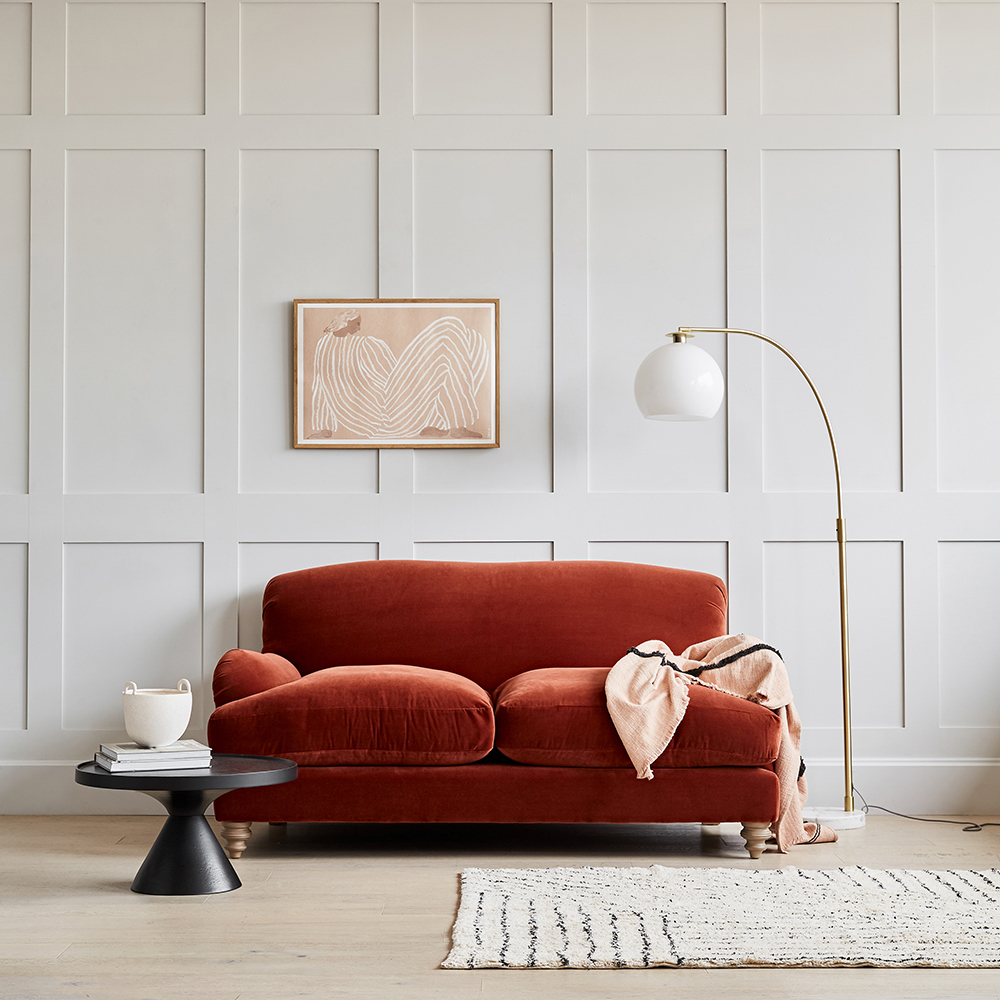
- Floor Lamps Behind Sofas: A floor lamp with a charcoal base or shade placed behind or beside a pale sofa can create a warm pool of light and add a sense of depth to the arrangement.
- Charcoal Coffee Tables or Side Tables: A coffee table or side table in a dark wood or with a charcoal finish can be a significant grounding element. It provides a visual stop for the eye and a practical surface.
- Area Rugs: As mentioned, a charcoal rug beneath your seating arrangement is a powerful way to define the space and anchor it to the floor.
Dining and Entertainment Zones
These are often areas where you want a sense of cohesion and purpose.
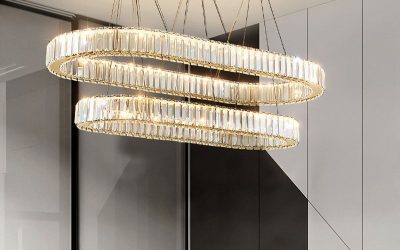
- Pendant Lights Above Dining Tables: A charcoal pendant light or chandelier suspended over a dining table can create a sense of intimacy and focus. The dark fixture draws the eye down, making the dining area feel more defined.
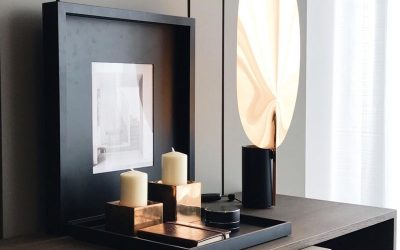
- Charcoal Console Tables: A console table behind a sofa or against a wall in a dining area can be enhanced with charcoal accents. Place charcoal decorative objects or a charcoal lamp on it for added depth.
Creating Visual Flow and Definition
Charcoal can be used to guide the eye and differentiate different zones within an open-plan space.
Hallways and Entryways
These are the first impressions, and they set the tone for the rest of the house.
- Charcoal Wall Sconces: In a pale hallway, charcoal wall sconces can provide both illumination and a sense of direction. They punctuate the walls and make the space feel more intentional.
- Dark Entryway Table: A dark wood or charcoal-finished console table in an entryway provides a place to drop keys and a visual anchor as you enter.
Defining Architectural Features
Use charcoal to highlight or ground existing architectural elements.
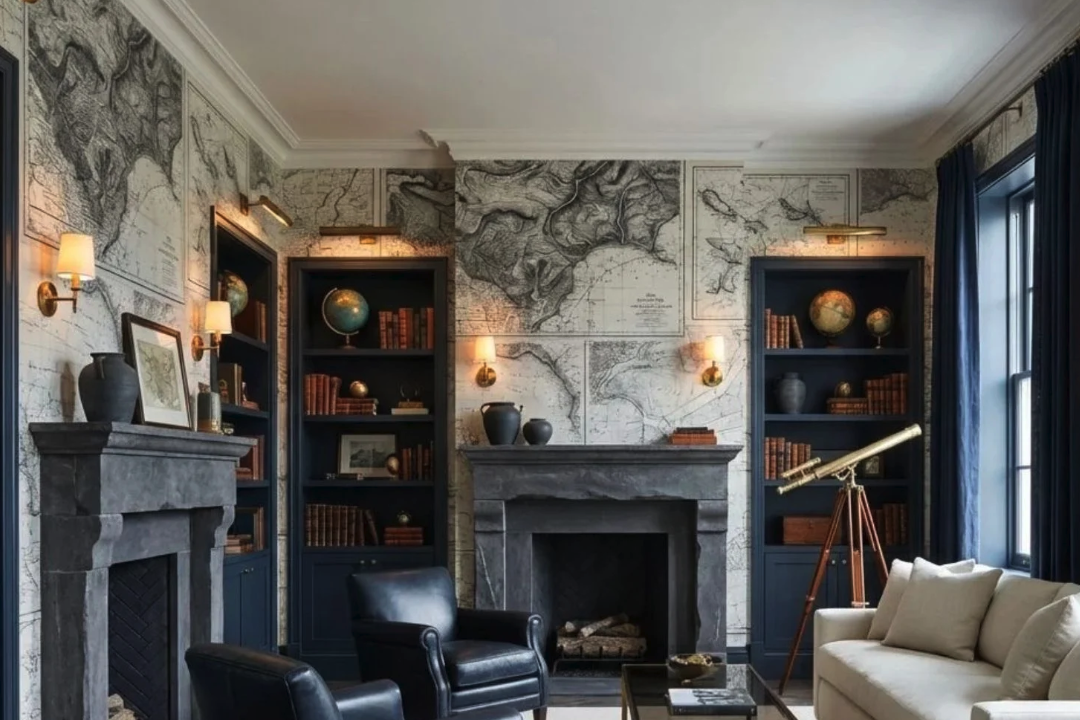
- Around Fireplaces: If you have a fireplace, consider incorporating charcoal elements nearby. A pair of charcoal floor lamps flanking the fireplace, or charcoal-colored artwork above the mantel, can draw attention to this central feature.
- Highlighting Bookcases: If you have a pale bookcase, consider painting the back panel a deep charcoal or lining it with charcoal-toned wallpaper. This will make your books and decorative items pop and give the bookcase a more substantial presence.
Balancing Charcoal with Other Colors and Light
The key to successful charcoal lighting in a pale room is balance. You don’t want to overwhelm the lightness; you want to complement it. This means carefully considering how charcoal interacts with other colors and, of course, the light itself.
Working with Your Existing Palette
Think about the other colors present in your pale room. Are they cool beiges, warm creams, or off-whites?
Warm Tones: Adding Depth and Richness
If your pale room has warmer undertones (creamy whites, beige), charcoal can add a sophisticated contrast without feeling cold.
- Pairing with Brass or Gold Accents: Charcoal and warm metallics like brass or gold are a classic pairing. A charcoal lamp with a brass base, or charcoal cushions with gold embroidery, can elevate the space.
- Wood Tones: Natural wood tones, especially medium to dark woods, pair beautifully with charcoal. They bring an organic warmth that prevents charcoal from feeling too stark.
Cool Tones: Enhancing Sophistication
If your pale room leans towards cooler tones (crisp whites, very light greys), charcoal can create a chic, modern, and grounded aesthetic.
- Pairing with Silver or Chrome: Cool metallics like silver or chrome can complement charcoal in a cool-toned pale room, enhancing its modern and sophisticated feel.
- Monochromatic Schemes: Within a predominantly pale scheme, introducing charcoal can create subtle variations in tone, adding depth without introducing competing colors.
The Role of Natural and Artificial Light
How light interacts with charcoal is crucial.
Maximizing Natural Light
In a pale room, you likely have plenty of natural light. This is your ally when using charcoal.
- Contrast Play: The brighter your room, the more pronounced the contrast will be with charcoal elements. This creates dynamic shadows and highlights, adding visual interest.
- Daylight vs. Artificial Light: Be mindful that charcoal can appear slightly different under natural daylight versus artificial light. What looks grounding in the afternoon might appear more intense at night.
Layering Artificial Light
Don’t rely on a single light source. Layering is key to creating a balanced and inviting atmosphere.
- Task Lighting: Use charcoal task lighting (like a desk lamp or reading lamp) to provide focused light where needed, while still contributing to the room’s overall grounded feel.
- Ambient Lighting: Ensure you have sufficient ambient lighting to prevent the charcoal elements from making the room feel too dark. This can be achieved through other, lighter-toned fixtures or dimmer switches.
- Dimmer Switches: Installing dimmer switches on your charcoal lighting fixtures allows you to control the intensity of the light and adjust the mood. This is invaluable for fine-tuning the grounded feel.
Beyond the Obvious: Unexpected Ways to Incorporate Charcoal
Sometimes the most effective grounding comes from subtle, unexpected applications of charcoal. These are the details that add layers of sophistication and prevent your design from feeling predictable.
Textural Depth with Charcoal
Think beyond flat color. Charcoal’s depth is amplified by texture.
Charcoal Upholstery or Accent Chairs
While a full charcoal sofa might be a big commitment, a single accent chair in a charcoal fabric can be a powerful grounding element.
- Textured Fabrics: Look for chairs upholstered in textured charcoal fabrics like boucle, tweed, or a subtle slub linen. The texture will add another layer of visual interest and depth, making the grounding effect more nuanced.
- Leather or Faux Leather: A charcoal leather or faux leather chair can bring a sleek, modern, and grounded feel to a pale room.
Architectural Details and Finishes
Consider how charcoal can be integrated into the very structure of your room.
Charcoal Doors or Trim
This is a bolder move, but incredibly effective for creating a strong sense of grounding.
- Interior Doors: Painting interior doors a deep charcoal can create a dramatic contrast against pale walls, visually defining different spaces and adding a sophisticated edge.
- Window or Door Trim: Even just the trim around windows or doors in a charcoal finish can provide subtle definition and anchor the walls.
Flooring Accents
While a full charcoal floor might be too much, subtle flooring elements can work wonders.
- Charcoal Grout: If you have lighter-colored tiles (e.g., in a kitchen or bathroom), using charcoal grout can create a subtle grid pattern that adds definition and anchors the floor.
- Dark Wood or Laminate Flooring with Charcoal Undertones: Some darker wood or laminate flooring options have deep grey or charcoal undertones that can provide a grounding effect without being overwhelmingly dark.
The Subtle Art of Shadow Play
Charcoal lighting isn’t just about the color; it’s about how it manipulates light and shadow.
Strategic Accent Lighting
Use subtle accent lights to create defined pools of shadow around charcoal elements.
- Uplighting: Placing a small uplight at the base of a charcoal floor lamp or beside a charcoal accent chair can create dramatic shadows that add depth and a sense of solidity to the object.
- Downlighting: Strategically placed downlights can highlight charcoal decorative objects on shelves or tables, making them feel more substantial and grounded.
Ultimately, keeping a pale room grounded with charcoal lighting is about using this deep, sophisticated hue as a tool for definition, depth, and comfort. It’s not about making the room dark, but about creating a richer, more layered, and inviting space. By thoughtfully incorporating charcoal through your fixtures, textiles, and decorative accents, and by considering its placement and interaction with light, you can transform a washed-out room into a sanctuary of grounded elegance.