
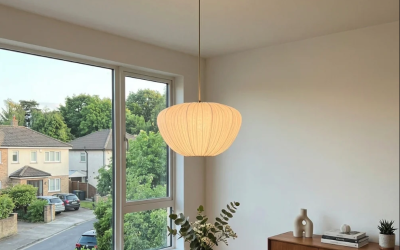



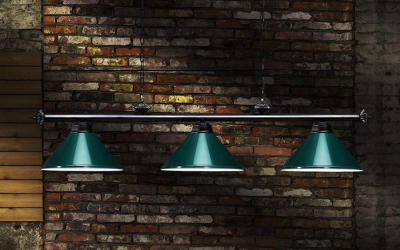
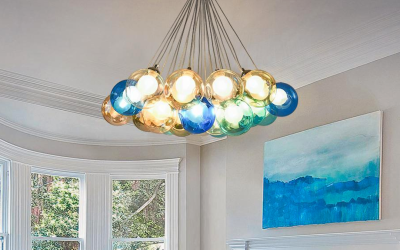
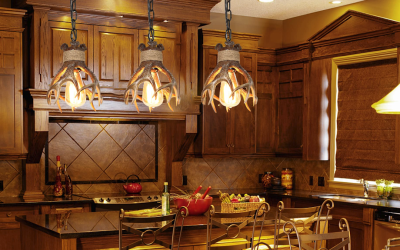
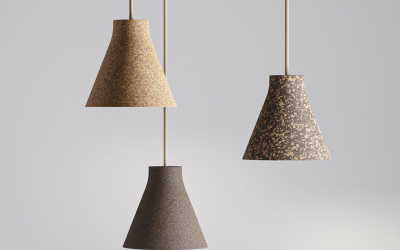




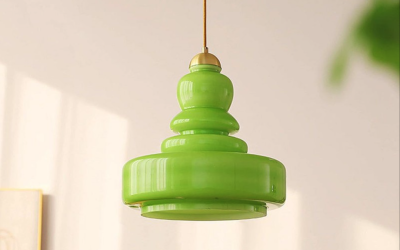
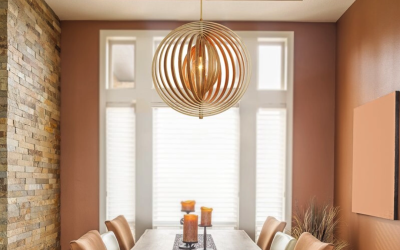
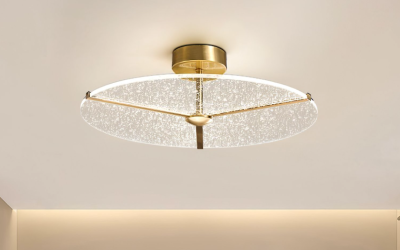
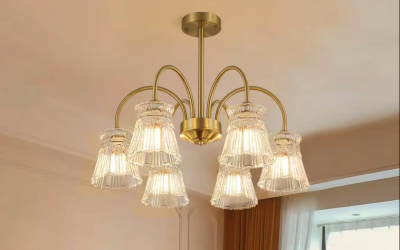

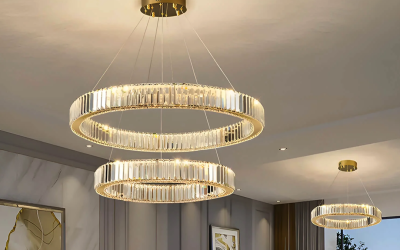
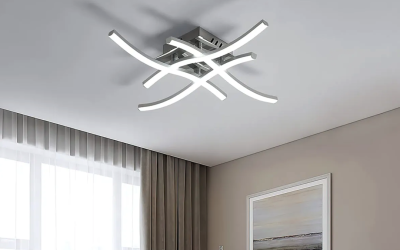
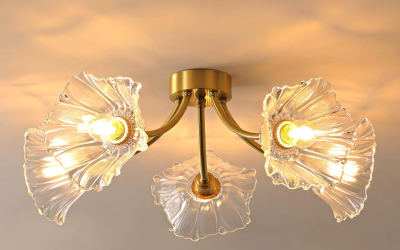

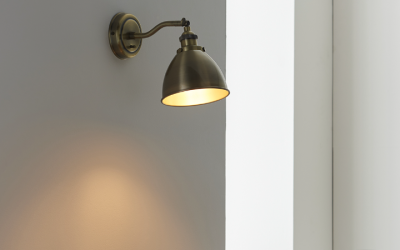

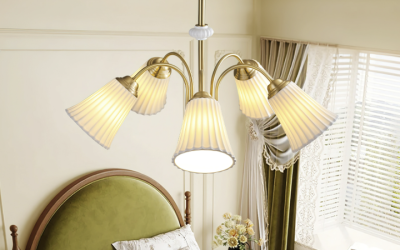
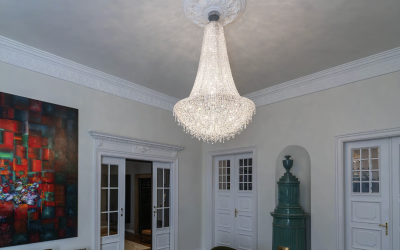
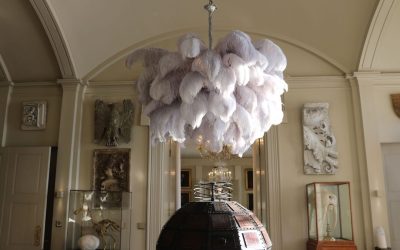

















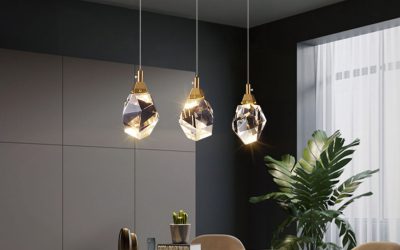

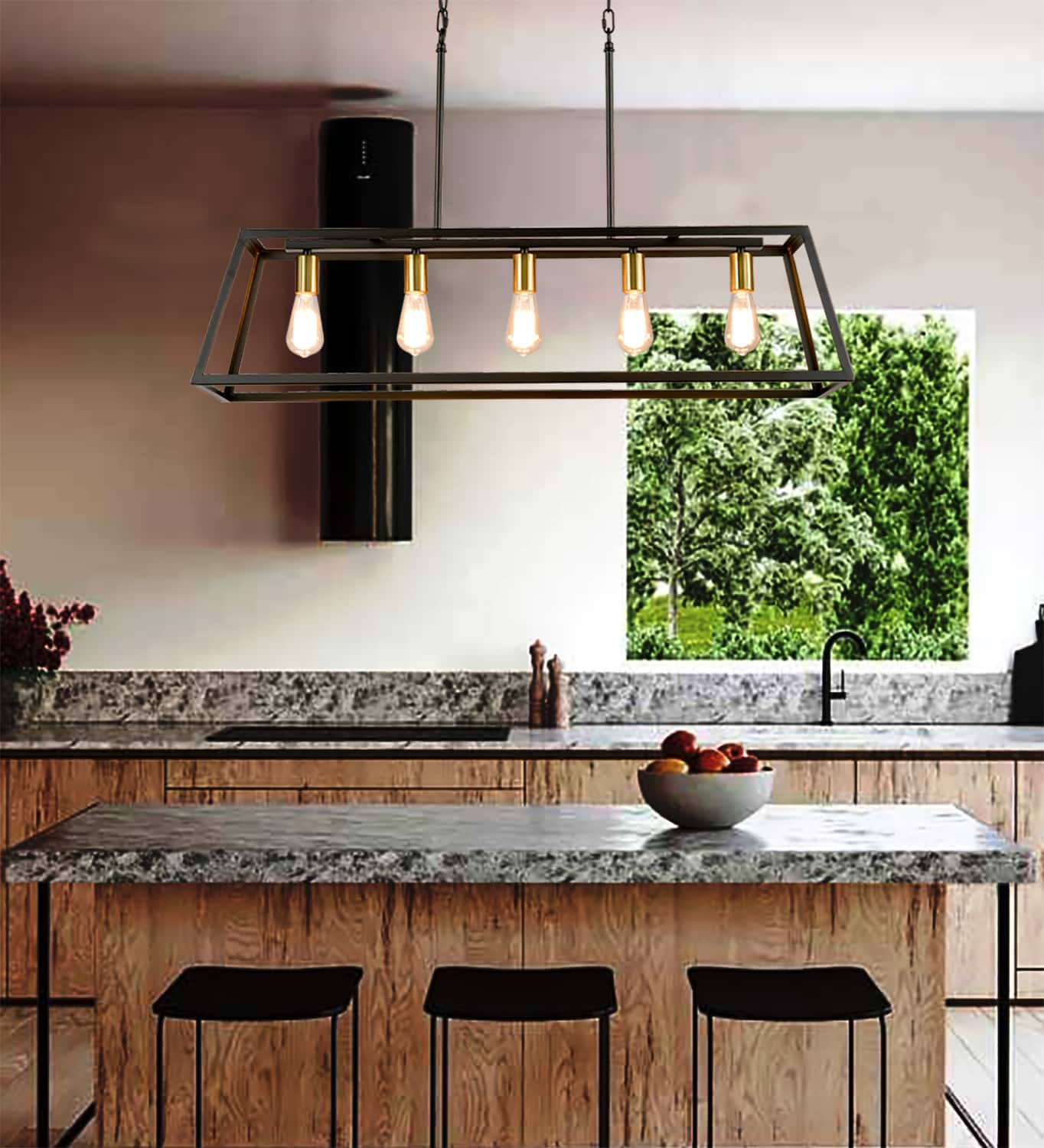

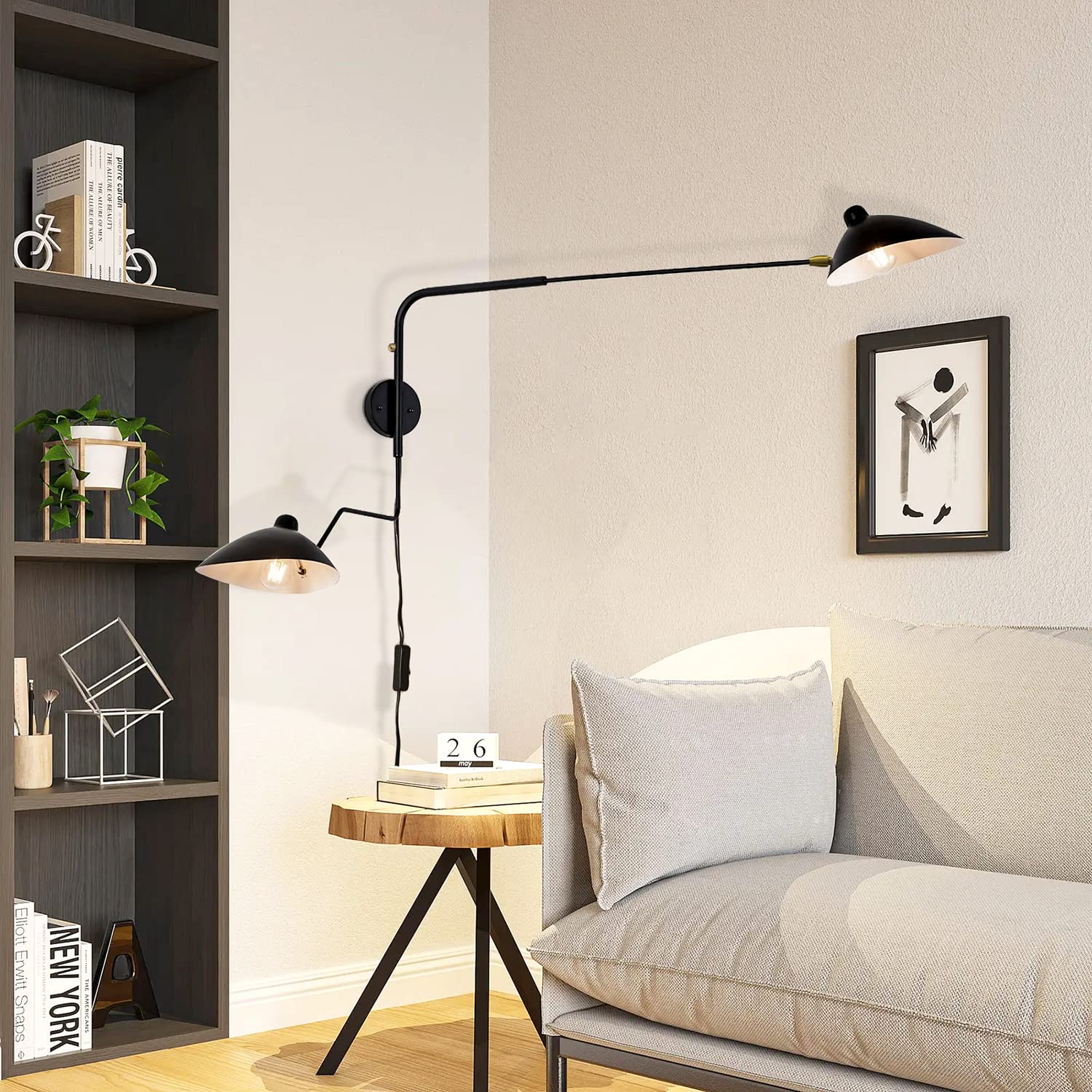










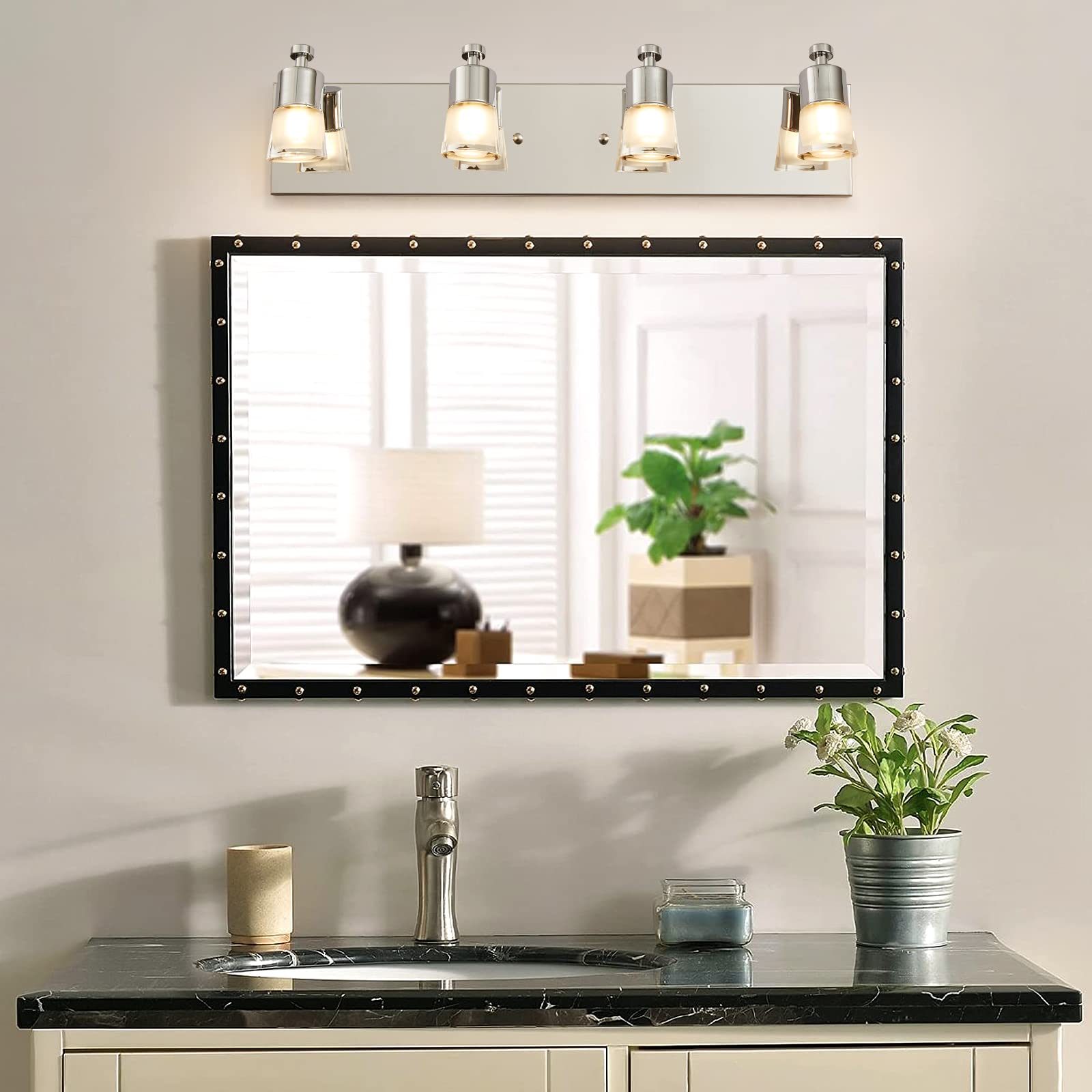
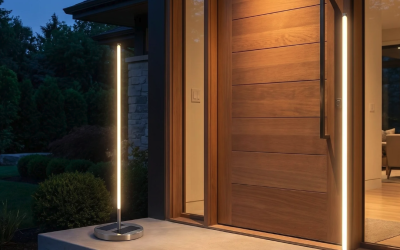





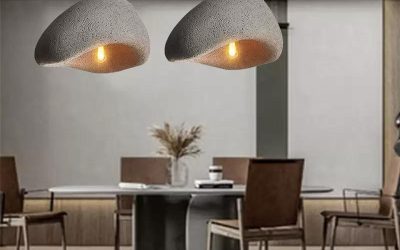





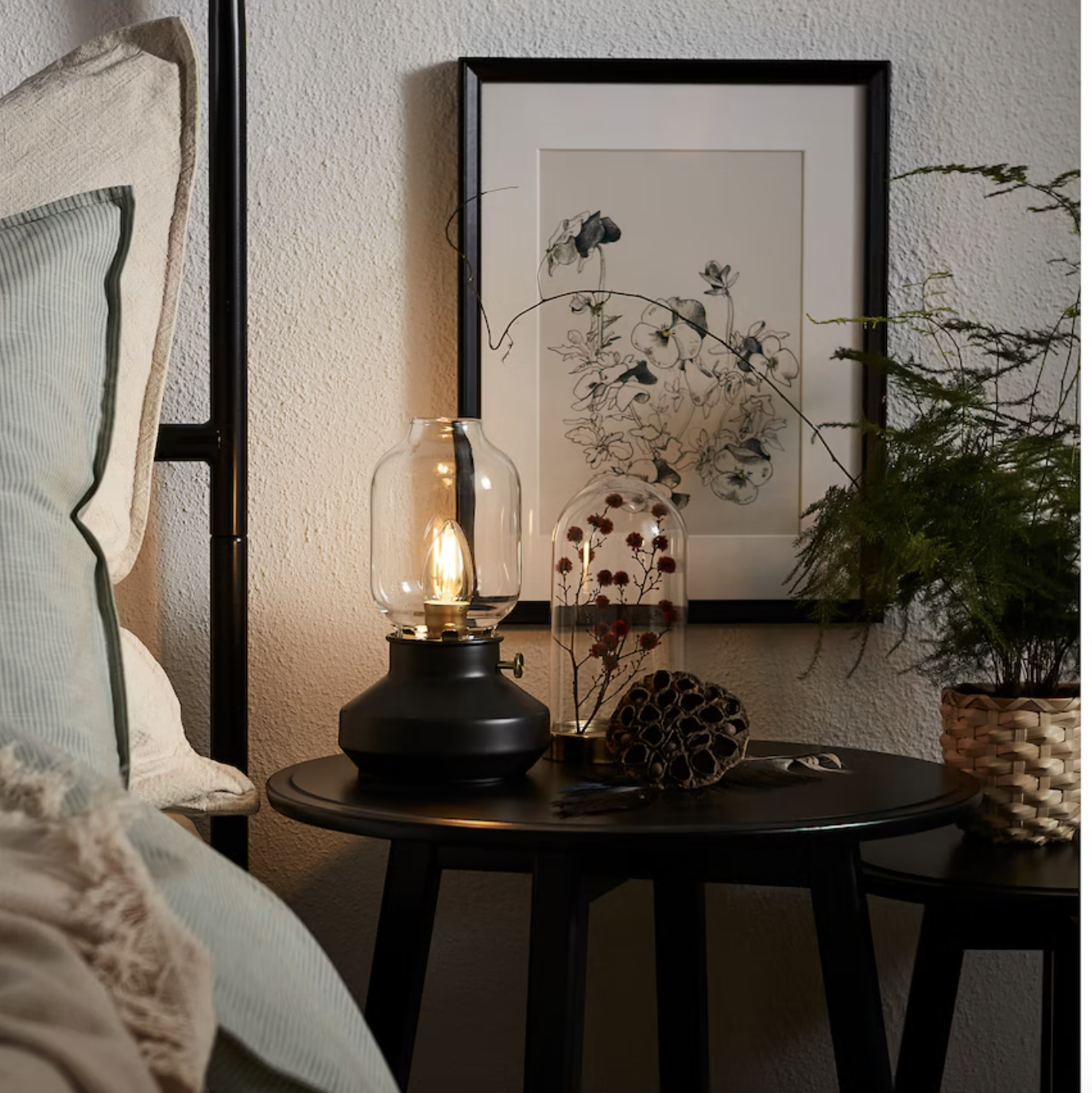
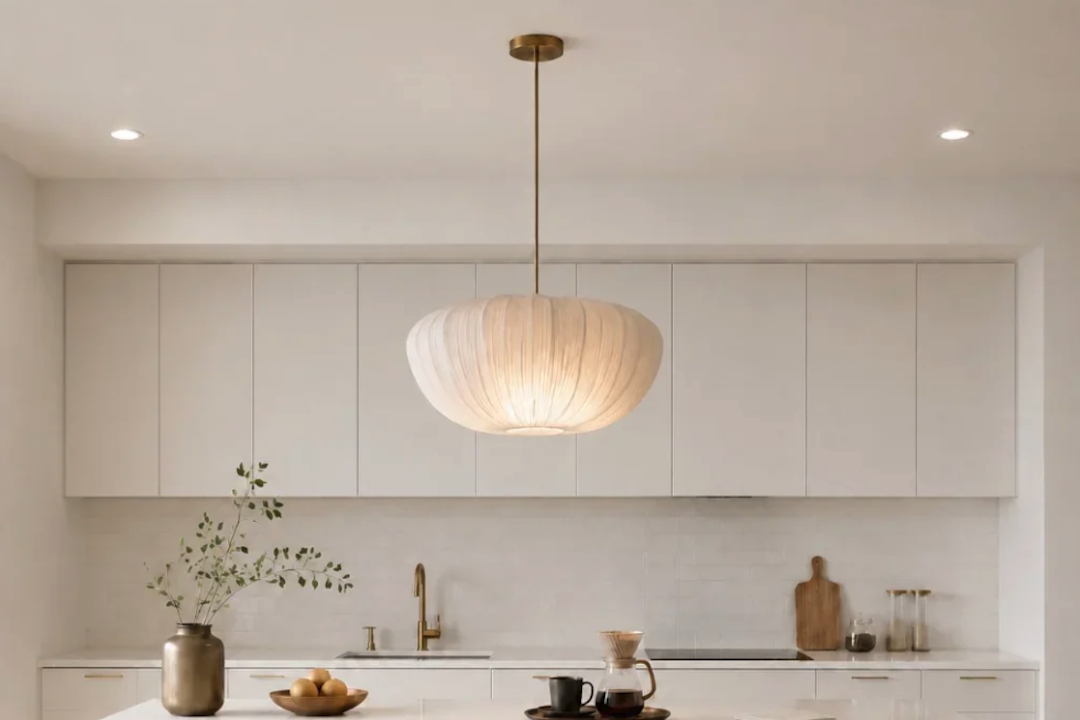
Thinking about how to light up your linen pieces for that sophisticated, understated vibe? Cream lighting is your answer. It’s not just a trend; it’s a smart choice for creating a soft, inviting atmosphere that perfectly complements the natural textures of linen. We’re talking about a glow that enhances without overpowering, giving your space a polished yet relaxed feel.
Linen, with its organic weave and subtle variations, has a unique character. It’s not shiny or overtly luxurious, but it exudes a quiet elegance. Pairing it with the right lighting is crucial to bringing out its best.
The Gentle Embrace of Cream Tones
Unlike stark white light Deepap which can feel sterile, or warm yellow light which can sometimes look dated, cream lighting strikes a beautiful balance. It’s soft and inviting, much like the inherent qualities of linen itself. This color temperature doesn’t just illuminate; it warms the fabric, making it feel even more welcoming.
Enhancing Texture and Depth
Linen’s beauty lies in its slubby texture and natural drape. Cream light plays beautifully with these features. It casts subtle shadows that highlight the fabric’s natural imperfections, adding depth and dimension. This creates a visual richness that flatters the material without making it look heavy or artificial.
Creating a Serene Atmosphere
There’s something inherently calming about linen. When you combine that with the gentle glow of cream lighting, you create a space that feels instantly serene. It’s ideal for bedrooms, living rooms, or any area where you want to foster a sense of peace and relaxation. This combination helps to dial down the visual noise and create a harmonious environment.
Choosing the Right Cream Light Bulbs
It’s not just about the fixture; the bulb itself makes a world of difference. Getting this right is key to achieving that effortless elegance.
Understanding Color Temperature (Kelvin)
This is where the rubber meets the road. Light bulbs are measured in Kelvin (K), which indicates their color temperature.
- For that perfect cream glow, aim for bulbs in the 2700K to 3000K range. This range is often labeled as “soft white” or “warm white.” Anything lower might lean too yellow, and anything higher will start to look more white or even blue, losing that desired cream effect.
- Avoid bulbs above 3500K. These will start to counteract the warmth you’re trying to create with linen. They can make the fabric appear cooler than it is, diminishing its inviting quality.
LED vs. Incandescent: A Practical Look
While incandescent bulbs have a classic warm glow, LEDs offer a more practical and energy-efficient solution.
- LEDs are the modern choice. They come in a wide range of color temperatures, making it easy to find that perfect cream. They also last significantly longer and use less electricity, saving you money in the long run.
- Look for “dimmable” LEDs. This gives you even more control over the ambiance, allowing you to adjust the brightness to suit different moods and times of day. A dimmer can transform a room from functional to cozy in an instant.
The Importance of CRI (Color Rendering Index)
CRI measures how accurately a light source renders colors compared to natural daylight.
- Aim for a CRI of 90 or higher. This ensures that the cream light shows your linen in its true, beautiful colors, without making it look dull or washed out. A low CRI can distort colors, making your carefully chosen linen look off.
- High CRI makes everything look better. Not just your linen, but also your skin tones, artwork, and other decor elements will appear more vibrant and natural under high CRI lighting.
Lighting Fixtures that Complement Linen
The fixture itself should enhance, not detract from, the linen and the light it casts. Think about materials and forms that align with linen’s natural aesthetic.
Natural Materials and Textures
Lean into the organic feel. Materials that have a similar tactile quality to linen will create a cohesive look.
- Wood: Light, unstained wood or whitewashed finishes can beautifully complement linen. The grain adds another layer of natural texture.
- Ceramics and Pottery: Unglazed or matte ceramic lamps can bring an earthy, artisanal touch. Their slightly irregular surfaces echo linen’s natural weave.
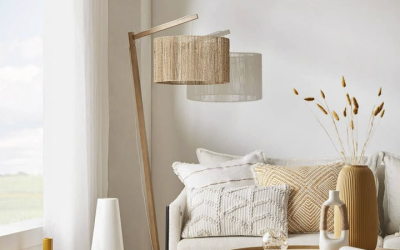
- Woven Materials: Rattan, bamboo, or even textured paper shades can introduce another layer of softness and light diffusion. They create interesting patterns when lit.
Simple and Unfussy Designs
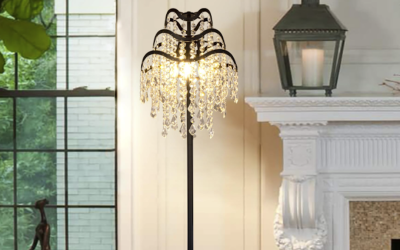
Linen’s elegance is often in its simplicity. Overly ornate or glossy fixtures can clash.
- Clean Lines: Choose lamps with straightforward shapes – cylinders, simple domes, or classic tapered forms. These don’t compete with the fabric.
- Matte Finishes: Instead of shiny metals or high-gloss plastics, opt for matte finishes in metal, ceramic, or painted wood. These absorb light, contributing to the soft ambiance.
- Minimalist Aesthetic: Fixtures that are functional and beautiful without being overly decorative will allow the linen to take center stage.
Diffused Lighting for Softness
How the light is dispersed is just as important as its color.
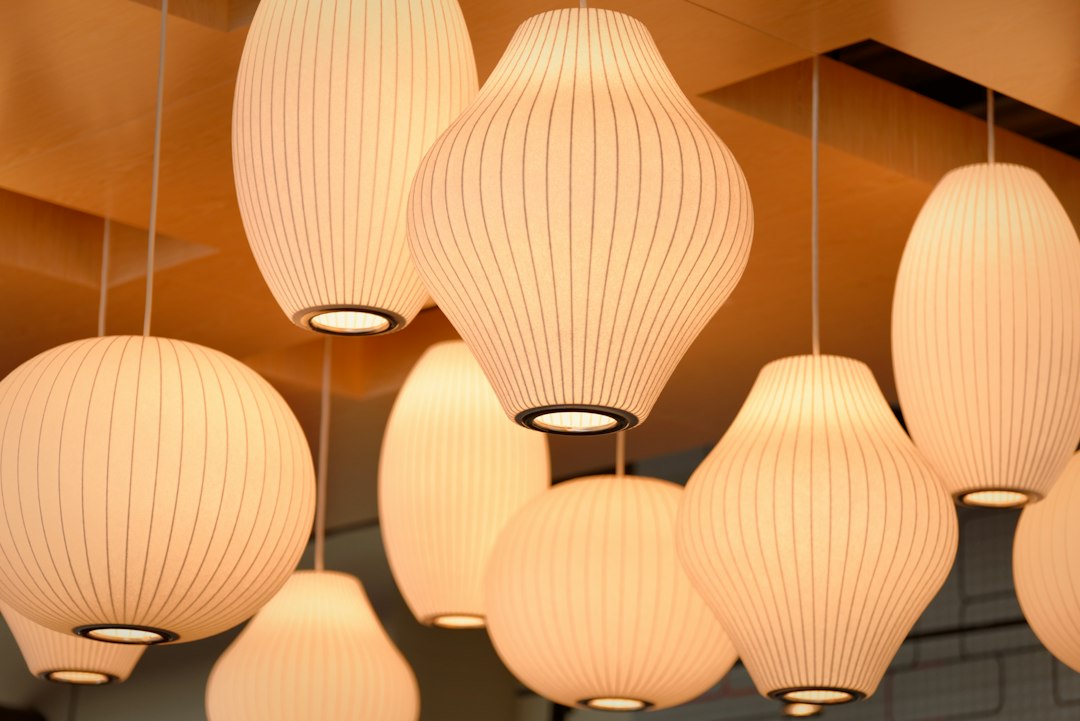
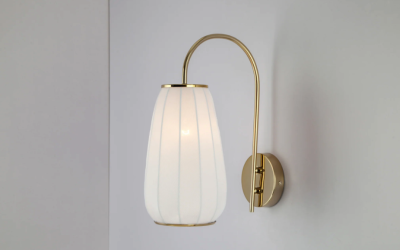
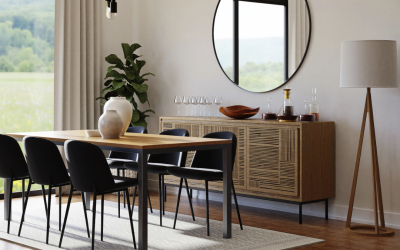
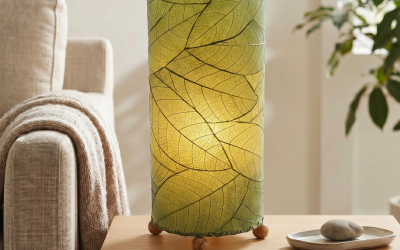
- Fabric Shades: Linen or cotton shades are an obvious choice, as they further diffuse the cream light, creating an even softer glow. Look for shades with a slightly open weave to allow a gentle spread of light.
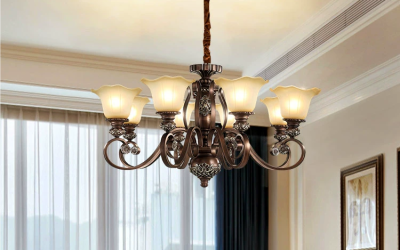
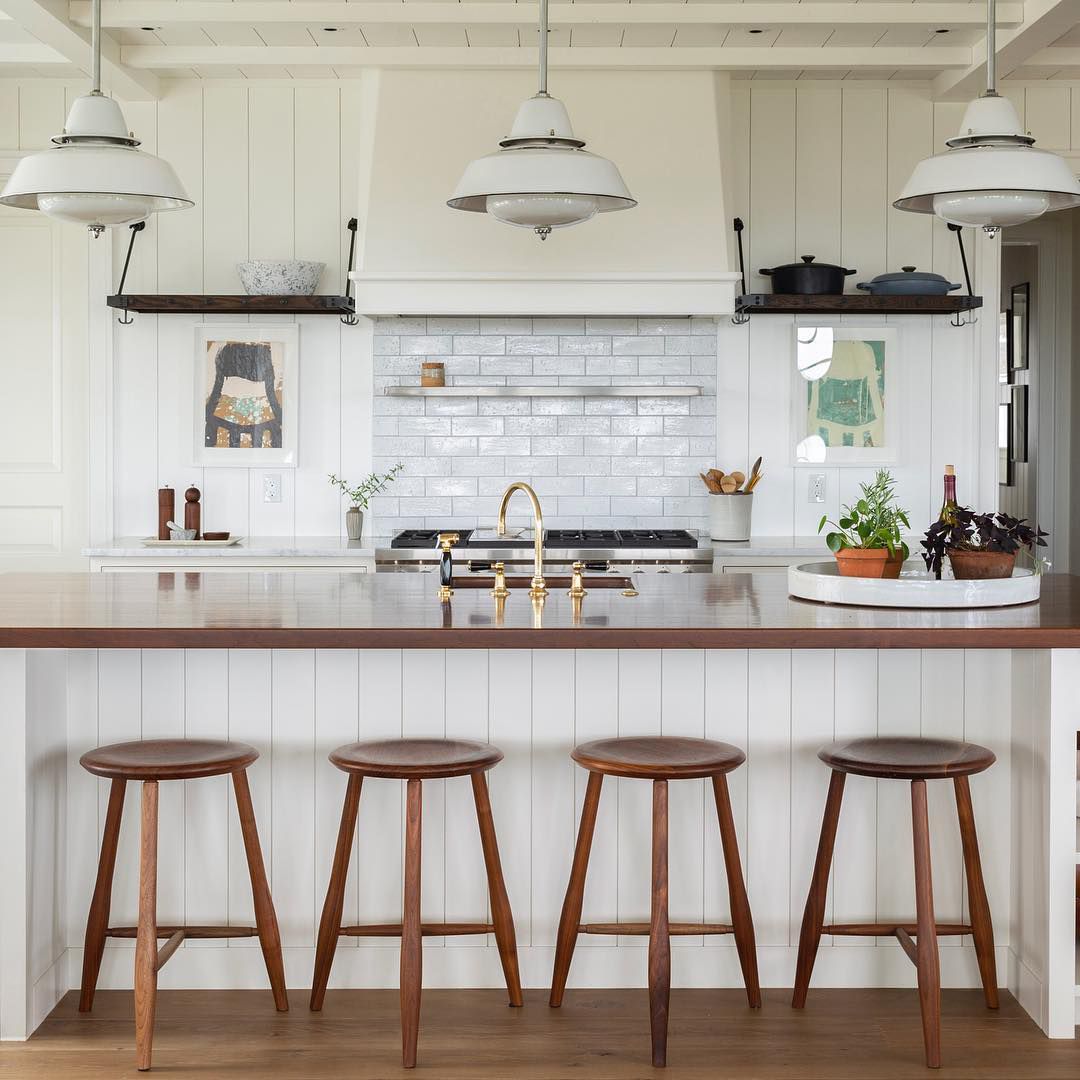
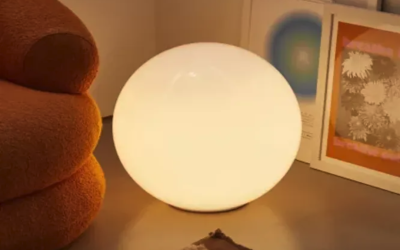
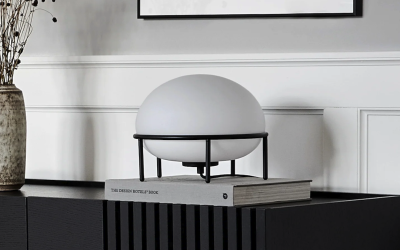
- Opal Glass or Frosted Diffusers: For ceiling lights or pendants, a matte or opal glass diffuser will prevent harsh glare and spread the cream light evenly throughout the space.
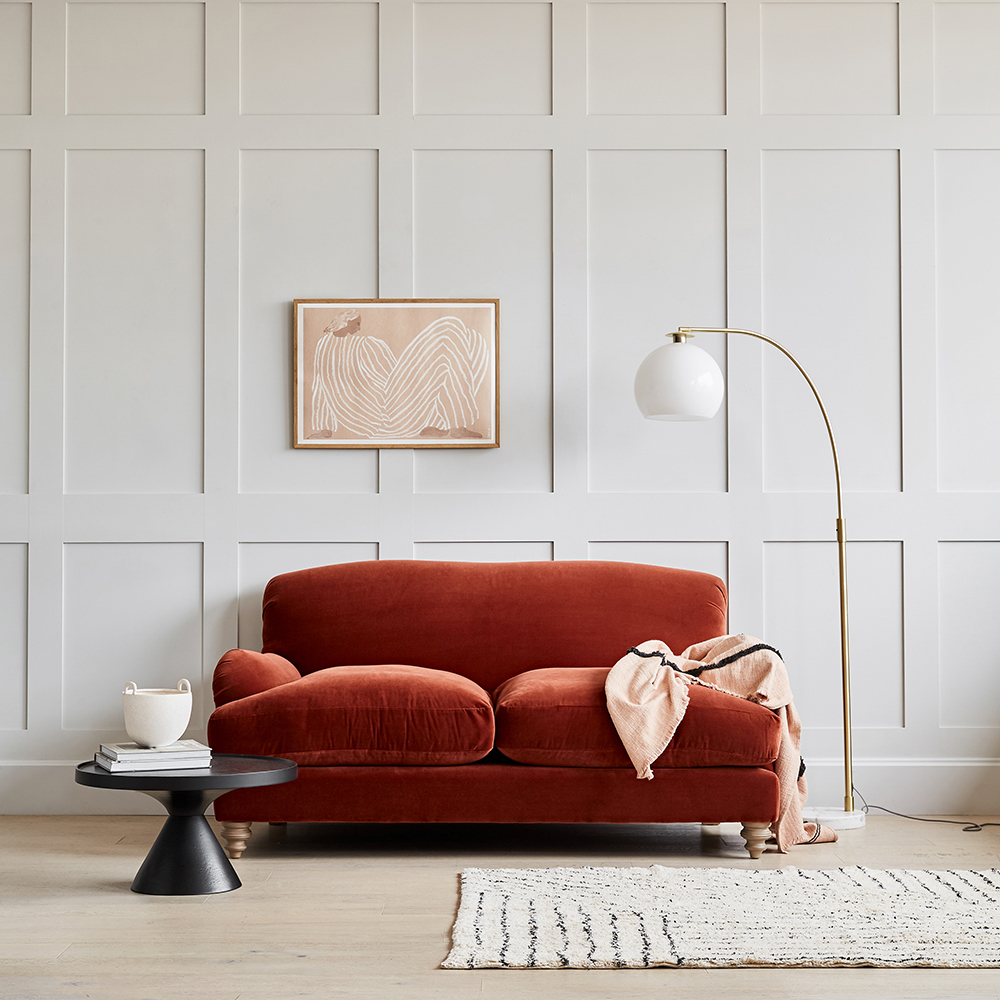
- Indirect Lighting: Wall sconces that cast light upwards or downwards, or floor lamps with bowl diffusers, can bounce cream light off walls and ceilings, creating a subtle, ambient glow that feels incredibly natural.
Strategic Placement for Optimal Effect
Where you put your cream lighting fixtures can dramatically impact how your linen – and your entire room – looks and feels. It’s about more than just filling a corner.
Layering Light Sources
Don’t rely on just one light source. A layered approach allows for versatility and depth.
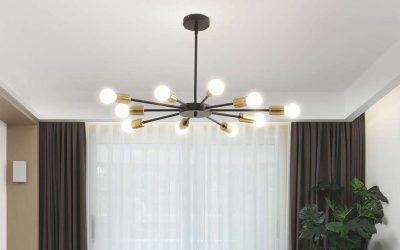
- Ambient Lighting: This is your general, overall illumination. Think ceiling fixtures with soft cream light, or large floor lamps. This establishes the base warmth.
- Task Lighting: For reading or specific activities, add a focused cream light. A bedside lamp or a floor lamp next to a reading chair ensures functionality without sacrificing ambiance.
- Accent Lighting: Use cream light to highlight specific features, like an interesting piece of linen art or the texture of a linen curtain. Small spotlights or picture lights can work wonders here.
Enhancing Linen Features
Consider how light interacts with the linen itself.
- Curtains and Drapes: Position cream light sources (like wall sconces or recessed lighting) near your linen curtains. The light will filter through the fabric, enhancing its texture and creating a beautiful, soft glow around your windows. This makes the curtains feel like a natural part of the room’s lighting scheme.
- Bedding and Upholstery: Use bedside lamps with cream light to illuminate linen bedding, making it appear even more inviting. For linen-covered sofas or chairs, a nearby floor lamp can highlight the fabric’s weave and bring out its depth.
Avoiding Glare and Harsh Shadows
The goal is softness, not drama.
- Position Away from Eye Level: Avoid placing direct, unshaded cream light sources directly in your line of sight. This prevents glare and keeps the atmosphere gentle.
- Bounce Light Off Walls and Ceilings: Indirect lighting techniques, where light is directed towards a surface to reflect, are excellent for creating a soft, shadow-free illumination that flatters linen beautifully. This mimics natural daylight more closely.
Everyday Elegance: Practical Tips and Maintenance
Keeping that effortless look means a bit of thoughtful consideration, both in setup and ongoing care.
Dimmer Switches are Your Friends
We can’t stress this enough. A dimmer switch for your cream lighting is a game-changer.
- Mood Management: Easily transition your room from a brightly lit functional space to a cozy, intimate retreat simply by adjusting the light intensity. This allows you to adapt the cream glow to any activity or time of day.
- Energy Saving: Dimming lights also reduces energy consumption, extending the life of your bulbs and saving on electricity bills. It’s a win-win.
Cleanliness and Light Diffusion
Dust and dirt are the enemies of good lighting and clean linen.
- Regular Dusting of Fixtures: Dust on light bulbs and lampshades will significantly reduce light output and alter the desired cream hue. Make it a habit to gently dust your light fixtures regularly.
- Cleaning Linen Shades: If your fixtures have linen shades, follow the care instructions. Many can be gently vacuumed with a brush attachment or spot-cleaned. A clean shade allows the cream light to diffuse properly.
- Linen Care: Similarly, keeping your linen fabrics clean and well-maintained will ensure they look their best under any light. Follow the specific care instructions for your linen items.
Experiment with Reflective Surfaces
While linen itself is not reflective, other elements in your room can enhance the cream light.
- Mirrors: Strategically placed mirrors can bounce cream light around the room, making it feel brighter and more expansive, without adding more fixtures.
- Light-Colored Walls: Walls painted in soft whites, creams, or very pale pastels will reflect cream light beautifully, enhancing the overall warmth and brightness of the space. Darker walls will absorb more light.
- Metallic Accents (Subtle): A few subtle metallic accents in matte brass or brushed gold can catch the cream light in a sophisticated way, adding a touch of quiet glamour without being overpowering. Avoid highly polished, reflective chrome.
Consider Seasonal Adjustments
While cream lighting is timeless, you might want to make subtle tweaks with the seasons.
- Winter Warmth: In colder months, you might lean towards the warmer end of the cream spectrum (closer to 2700K) and keep lights dimmed slightly more to enhance coziness.
- Summer Brightness: During brighter seasons, you might opt for the slightly cooler end of the cream spectrum (closer to 3000K) and keep lights at a higher intensity to complement the longer daylight hours.
By paying attention to these details, you can ensure your cream lighting continues to enhance your linen pieces beautifully, creating a home that feels both effortlessly elegant and deeply comfortable.