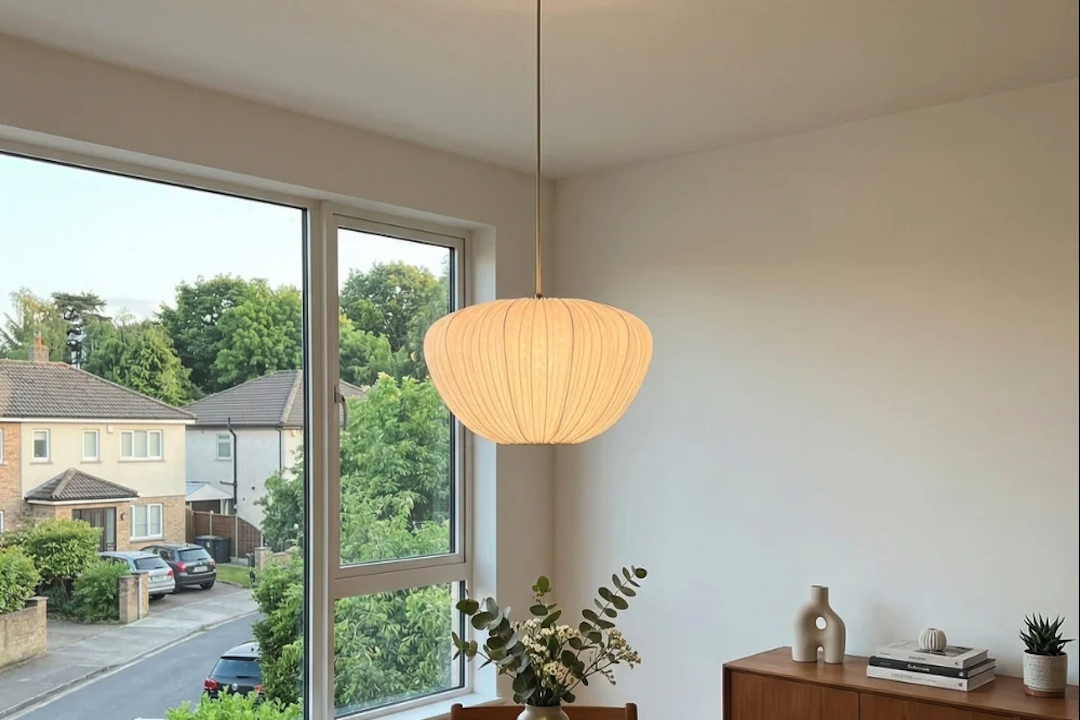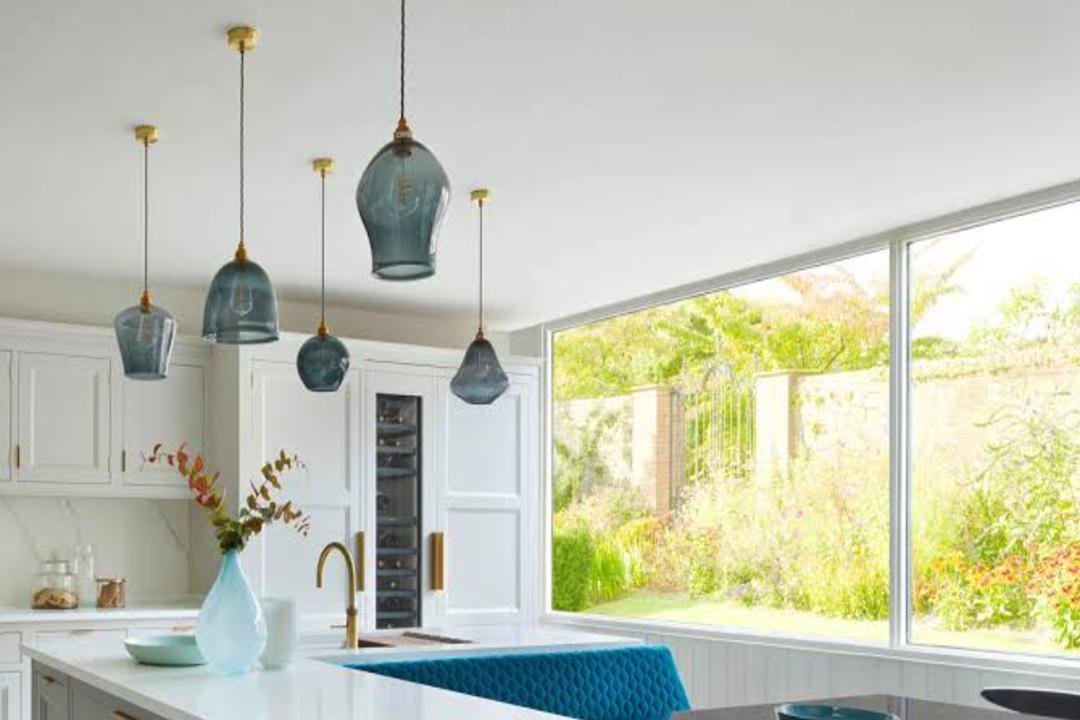
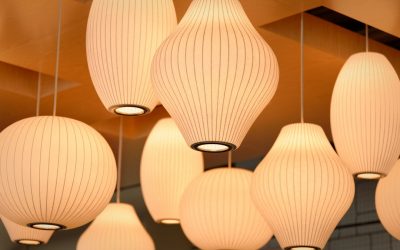
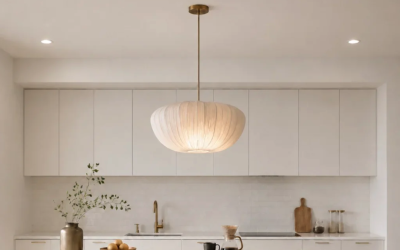
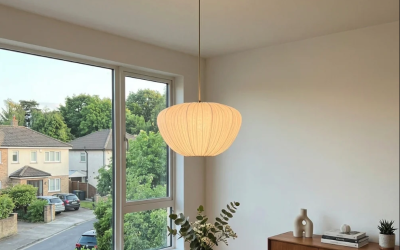


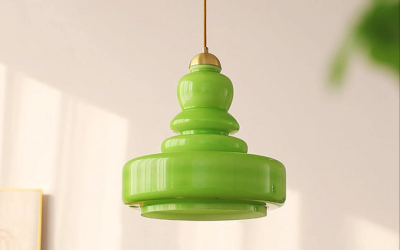
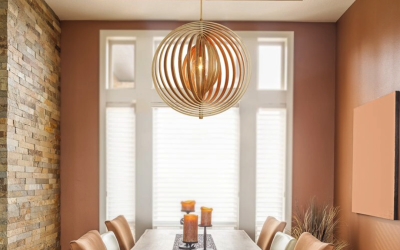
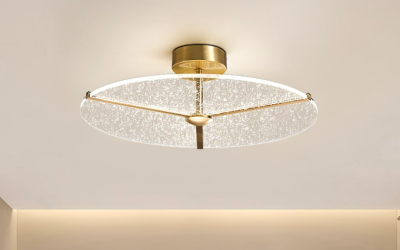
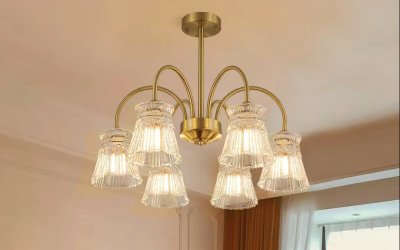









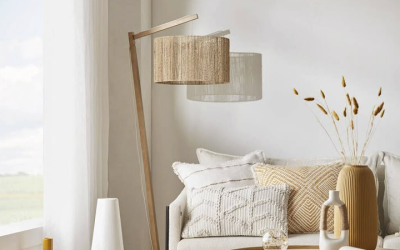
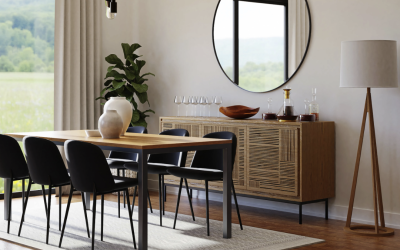
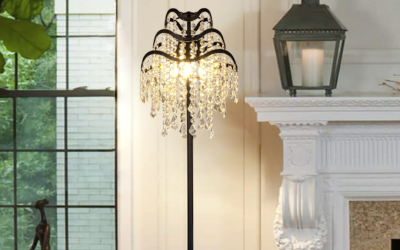
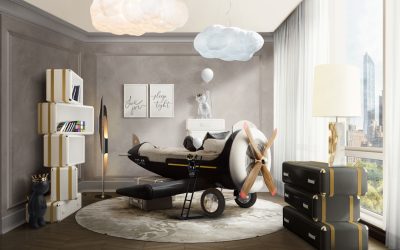

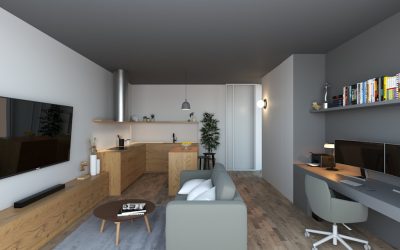

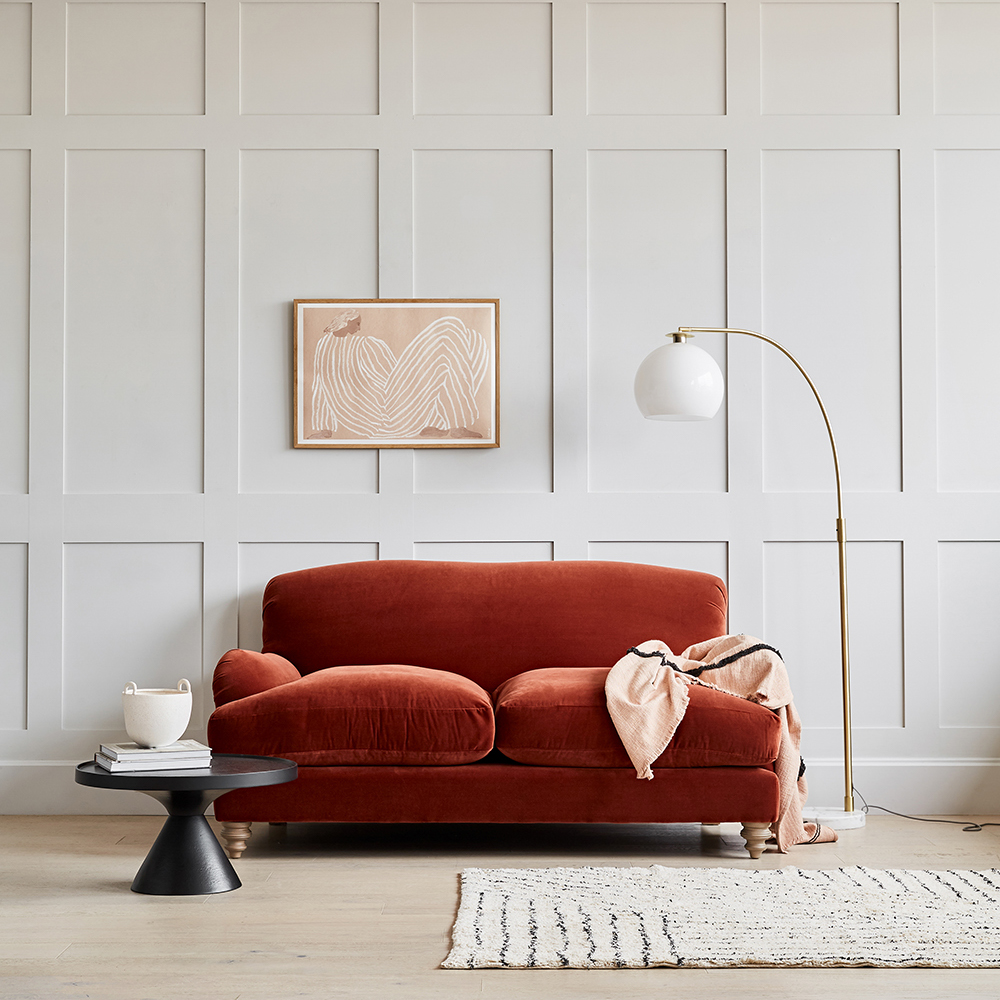
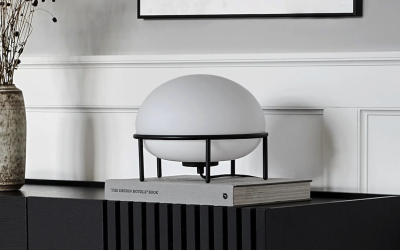
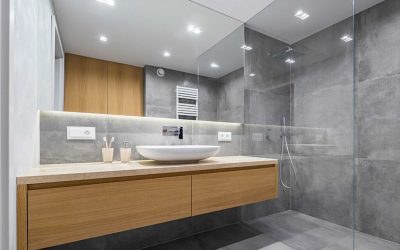

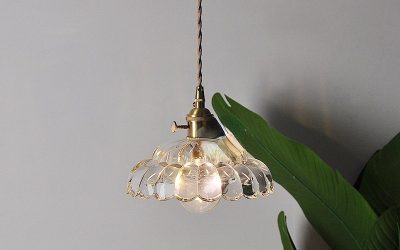
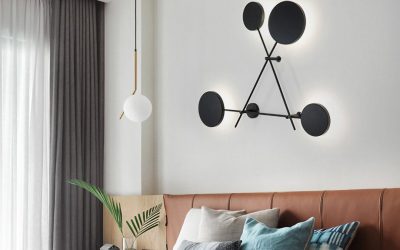

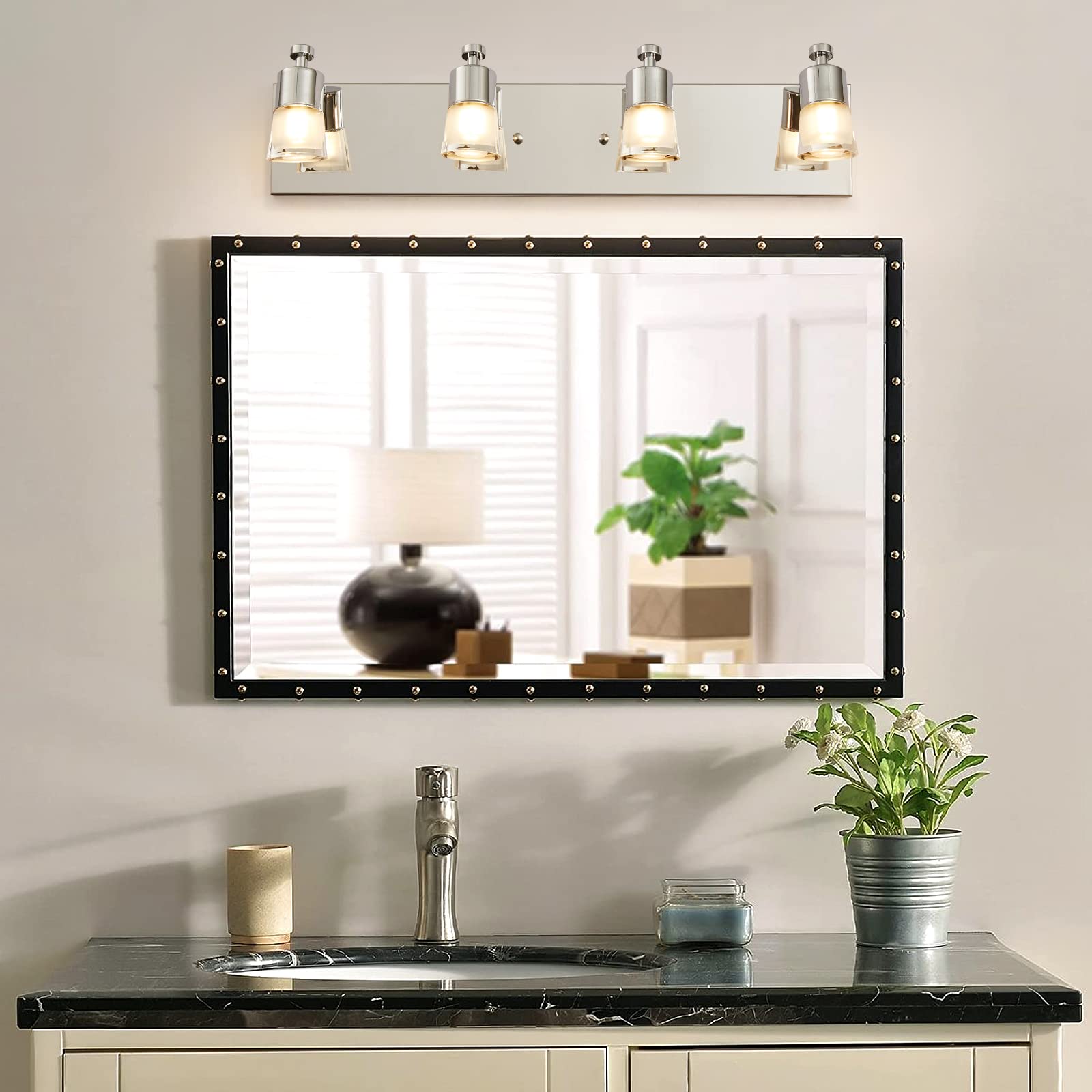
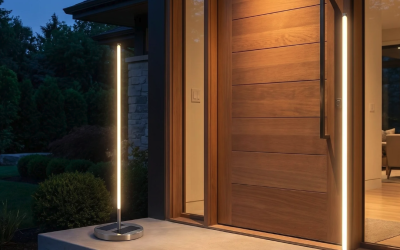


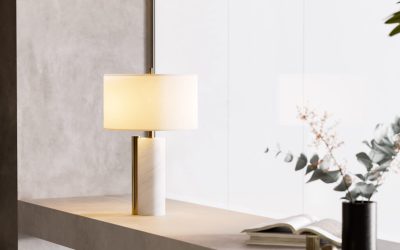
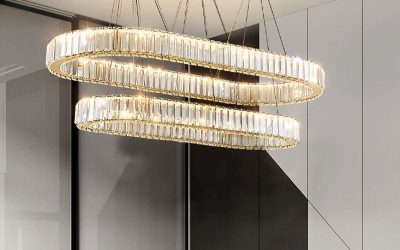
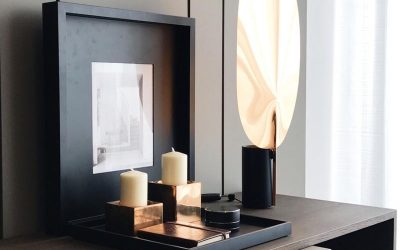
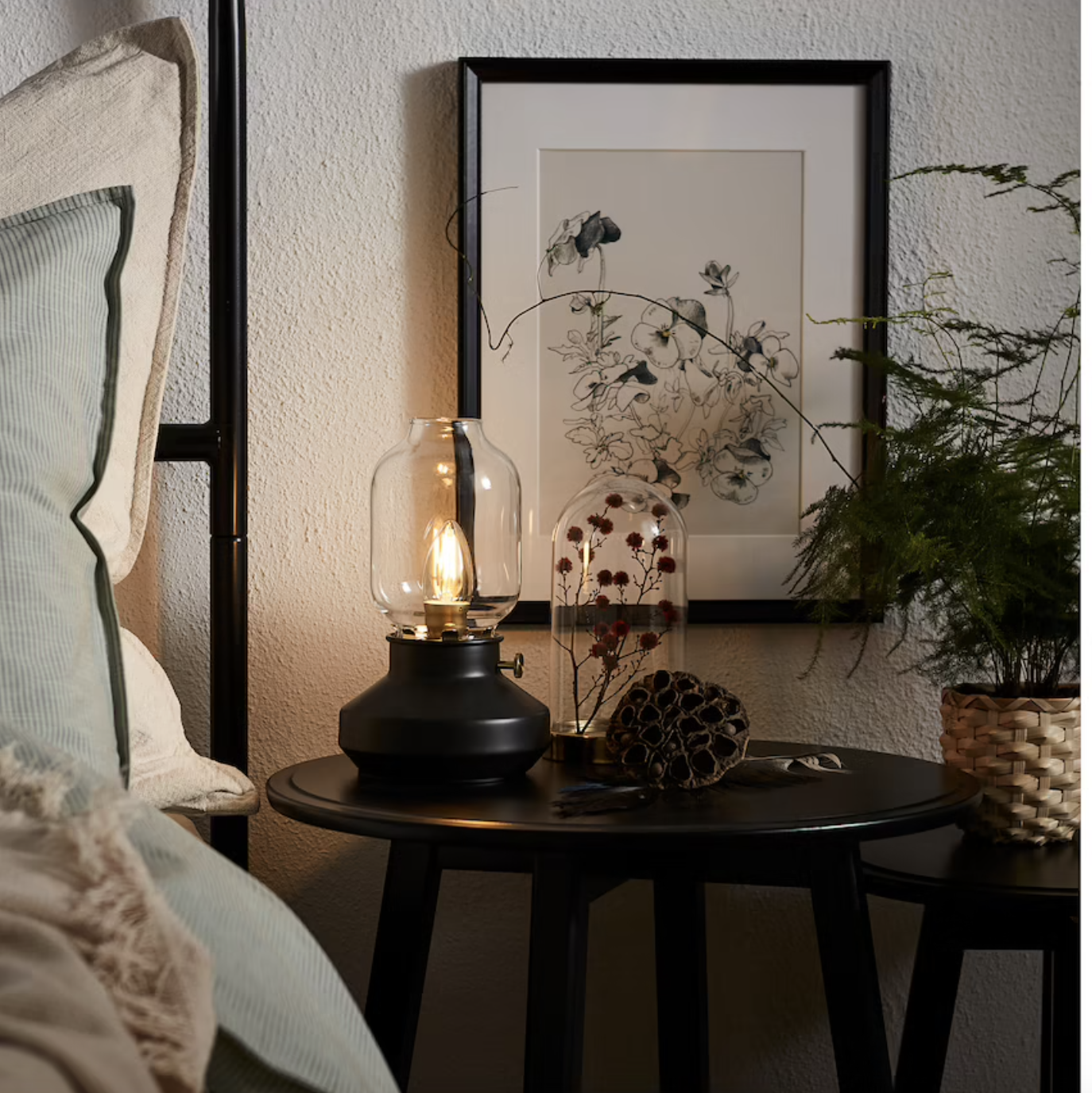
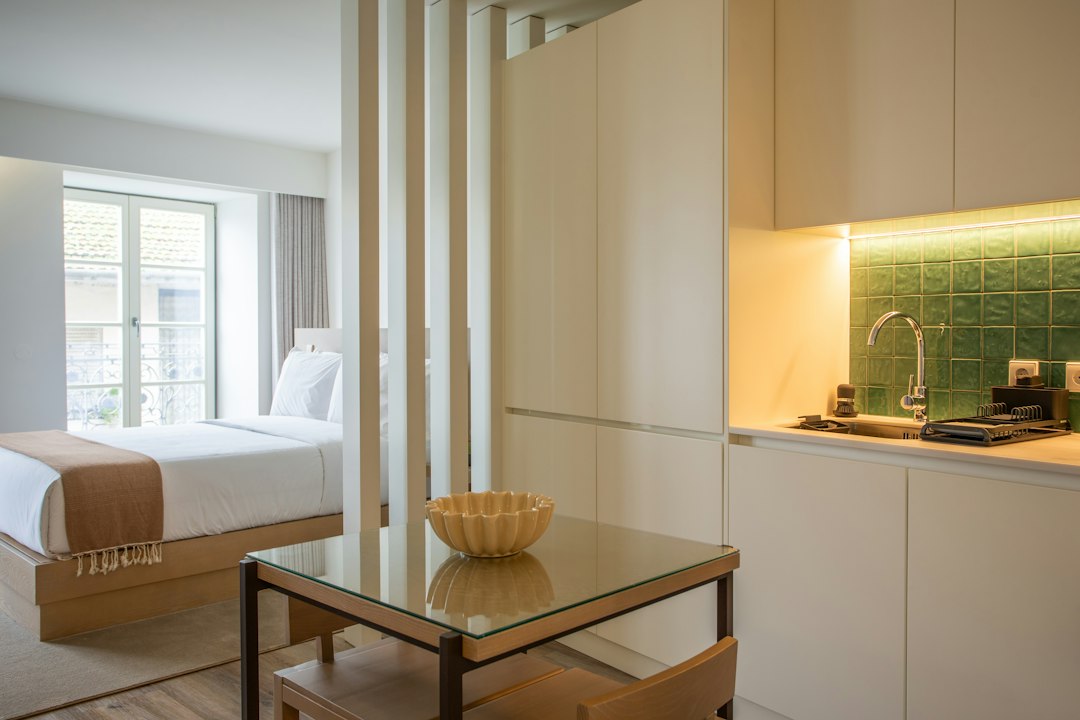
Looking for a pendant light that actually makes sense in a studio apartment? The answer is often an organic modern cordless pendant light. These lights combine a natural, comfortable aesthetic with the ultimate in practicality for smaller spaces. Think soft lines, natural materials, and – crucially – no wires to fuss with or hide. They offer focused, ambient lighting without the commitment or installation headaches of traditional wired fixtures, making them ideal for renters or anyone who likes to rearrange their space frequently.
Why Cordless Pendants Win in Studio Apartments
Studio apartments, by their very nature, demand smart solutions. Every inch counts, and anything that reduces visual clutter or simplifies installation is a massive bonus. Traditional pendant lights, while beautiful, come with a baggage of wires, electrical boxes, and often, professional installation. This is where cordless options shine, especially when paired with an organic modern design.
The Cordless Advantage: Freedom and Flexibility
The most obvious benefit of a cordless pendant is, well, the lack of a cord. This isn’t just about aesthetics; it’s about unparalleled flexibility. You’re not tied to an existing electrical box or forced to hire an electrician to install a new one.
Easy Installation, No Electrician Needed
Most cordless pendants are incredibly simple to install. Often, it’s a matter of screwing a hook into the ceiling, hanging the light, and turning it on. Some come with adhesive mounts, offering an even less invasive option for renters. This means you can get the look of a sophisticated pendant light in minutes, without a hefty installation bill or needing to patch holes when you move out.
Dynamic Placement for Changing Needs
Studio living often means one space serves many purposes. Your dining area might become your workspace, or your reading nook could transform into an entertainment zone. A cordless pendant can move with you. Need focused light over your craft project tonight? Hang it there. Want a softer glow over your bed tomorrow? Reposition it. This adaptability is invaluable in a space where function often shifts.
Visual Cleanliness Without Wiring Woes
Exposed wires are a common bugbear in small apartments. They look messy, draw attention, and can be a trip hazard. Cordless pendants eliminate this entirely, contributing to a much cleaner, more streamlined aesthetic. This visual tidiness helps a small space feel larger and more organized.
Organic Modern Aesthetic: Comfort and Style
Beyond the practicalities of being cordless, the ‘organic modern’ style offers specific advantages for studio apartments. It’s a design philosophy that prioritizes natural materials, soft forms, and a sense of calm – all highly desirable in a compact living environment.
Bringing Nature Indoors in a Subtle Way
Organic modern design often incorporates elements like wood, rattan, linen, or ceramic. These materials bring a touch of the natural world indoors, creating a comforting and grounded atmosphere. In a studio, where outdoor access might be limited, this connection to nature can be particularly impactful, promoting a sense of well-being without overwhelming the space.
Soft Lines for a Calmer Environment
Unlike harsh industrial or minimalist designs, organic modern favors curves, gentle angles, and flowing forms. These soft lines contribute to a more relaxed and less rigid feel, which is crucial in a small apartment. Sharp edges can sometimes make a space feel cramped, while softer contours invite the eye to flow, making the room feel more expansive and less confined.
Versatility with Existing Decor
The beauty of organic modern is its ability to blend seamlessly with various decor styles. Whether your studio leans bohemian, Scandinavian, minimalist, or even a bit industrial, an organic modern piece can act as a warm, grounding element. Its neutral palette and natural textures make it an easy addition that won’t clash or overpower your existing furnishings.
Decoding the Organic Modern Aesthetic
To truly appreciate why these lights are perfect, it’s helpful to understand what ‘organic modern’ actually entails. It’s not just a buzzword; it’s a deliberate design approach that combines two distinct but complementary philosophies.
The ‘Organic’ Part: Natural Forms and Materials
The “organic” aspect draws inspiration directly from nature. Think of flowing rivers, weathered wood, woven nests, or the smooth texture of river stones.
Emphasis on Natural Materials
Materials are key here. Look for pendants made from wood (light or dark, often unstained or lightly treated), rattan, wicker, bamboo, linen, cotton, terracotta, or unglazed ceramic. These materials offer tactile warmth and visual interest through their inherent textures and imperfections. They tell a story of their origin, rather than being mass-produced and uniform.
Soft, Imperfect Shapes
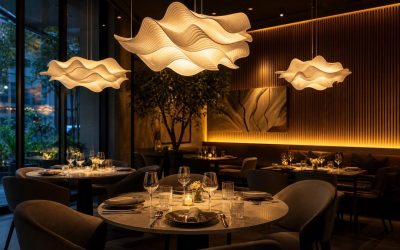
Organic shapes are rarely perfectly symmetrical or geometrically precise. They are often irregular, curved, or free-flowing, echoing forms found in nature. This could mean a pendant with a gently undulating shade, a woven form that isn’t perfectly round, or a base that mimics a branch or a stone. These imperfections are celebrated, adding character and uniqueness to each piece.
Earthy and Muted Color Palettes
The color scheme typically revolves around earth tones: creams, whites, grays, soft greens, muted blues, and natural wood shades. These colors are calming and serene, contributing to a sense of tranquility. They allow the texture and form of the light to take center stage, rather than relying on vibrant hues.
The ‘Modern’ Part: Simplicity and Functionality
The “modern” component brings in the principles of modernism – clean lines, functionality, and a lack of unnecessary ornamentation.
Streamlined Silhouettes
While the shapes might be organic, the overall silhouette tends to be clean and uncluttered. There’s a focus on the essential form, without excessive embellishment or fussy details. This simplicity allows the natural beauty of the materials and the organic shapes to truly shine.
Function Over Ornamentation
Every element serves a purpose. The design isn’t just about looking good; it’s about providing effective lighting in an aesthetically pleasing package. This means thoughtful consideration of how the light diffuses, how it casts shadows, and how it integrates into the living space. There’s no adornment for adornment’s sake.
Understated Elegance
The combination of natural elements and modern simplicity results in an understated elegance. These lights don’t shout for attention; they subtly enhance the environment, adding warmth and sophistication without being ostentatious. This quiet sophistication is particularly effective in smaller spaces, where overt grandeur can feel overwhelming.
Practical Considerations for Choosing Your Light
While the aesthetic is important, the practical aspects of a cordless pendant light are what make it truly functional in a studio apartment. Here’s what to look for and think about.
Battery Life and Charging Solutions
Since these lights are cordless, their power source is a crucial factor. Most operate on rechargeable batteries.
Understanding Run Time and Brightness Settings
Check the advertised battery life. It often varies significantly depending on the brightness setting you use. A light might last 10 hours on its lowest setting but only 3 hours on its brightest. Think about how long you typically need the light on each day and choose accordingly. Some higher-end models offer very long battery life, but this usually comes at a higher cost.
Charging Methods and Convenience
How does it charge? USB-C is becoming standard, offering widespread compatibility. Is the charging port easily accessible? Do you need to take the entire light down to charge it, or can you simply plug in a cable while it’s hanging? Magnetic charging can be a very convenient feature, as can a removable battery pack that can be charged separately. Consider if you want to leave it plugged in overnight, or if you prefer to charge it less frequently.
Smart Features and Energy Efficiency
Some cordless pendants come with smart features like timers, dimming capabilities, or even motion sensors. Dimmable options are particularly useful for adjusting the mood and also for extending battery life. Timers can help save energy by automatically turning the light off when you don’t need it.
Light Output and Direction
A pendant light isn’t just a decorative object; it’s a light source. How it illuminates your space is key.
Lumens and Color Temperature (Kelvin)
For a studio apartment, you’ll likely want enough light to perform tasks but also the ability to dim it for ambiance. Look at the lumen output. For a general ambient light in a small area, 300-500 lumens might be sufficient. If it’s for reading or a specific task, you might want more, or consider having multiple light sources.
Color temperature, measured in Kelvin (K), dictates whether the light appears warm or cool. 2700K-3000K provides a warm, inviting glow, similar to incandescent bulbs. 3500K-4000K is more neutral, good for tasks, while 5000K and above is a cooler, bluer light, often associated with daylight. For an organic modern aesthetic in a living space, warmer temperatures are generally preferred.
Downward vs. Diffused Lighting
Consider the shade design. Does it direct light primarily downwards, creating a focused pool of light perfect for a dining table or reading nook? Or does it diffuse light more broadly, providing general ambient illumination? Many organic modern designs feature open weaves or translucent materials that offer a soft, diffused glow, which is excellent for creating a cozy atmosphere in a studio.
Size, Weight, and Mounting Options
These physical attributes directly impact how easily the light integrates into your studio.
Scale for Small Spaces
A common mistake in studio apartments is choosing lighting that is too large or too small. A pendant that’s too big can overwhelm the space, while one that’s too small gets lost. Measure your space and consider the visual impact. Many organic modern pendants have an airy, open feel due to their materials (like rattan), which can make them seem less imposing even if they have a decent diameter.
Lightweight Materials for Easy Hanging
Since you’re likely using non-invasive mounting (hooks, adhesive), the weight of the light is critical. Organic modern materials like rattan, bamboo, and fabric are typically very lightweight, making them much easier to hang securely without needing heavy-duty anchors.
Diverse Mounting Solutions
Look for versatility in how the light can be hung. Does it come with a simple hook? Can it be hung from an adhesive ceiling plate? Does it offer an optional pole attachment for a more permanent look if you later decide to go that route? The more options, the better for adapting to different apartment rules or your changing preferences.
Integrating Your Pendant into Your Studio Design
Once you’ve chosen your organic modern cordless pendant, the next step is figuring out where and how to best use it to enhance your studio.
Strategic Placement for Maximum Impact
Where you hang your light can dramatically change the feel and functionality of your studio.
Over a Dining Nook or Small Table
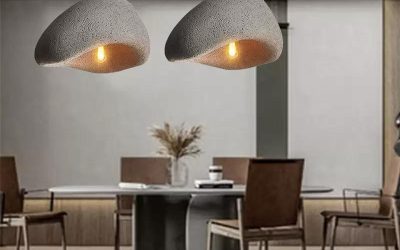
This is a classic pendant placement. Even if your “dining table” is just a small bistro set or a convertible console, a pendant light hung about 28-32 inches above the tabletop can define the space, making it feel like a dedicated dining zone. The warm, focused light from an organic modern fixture will create an inviting atmosphere for meals.
Defining a Reading Corner
A comfortable armchair or a small daybed can be transformed into a cozy reading nook with the addition of a pendant light. Hang it slightly off-center and at a height that provides good illumination for reading without being in your direct line of sight. The soft, natural glow will encourage relaxation.
Enhancing the Bedside Area
For studios where space is at a premium, a cordless pendant can replace bulky bedside lamps. Hang one or two (depending on the size of your bed) on either side of the bed, freeing up precious nightstand space. This creates a sophisticated, hotel-like feel and provides ambient light for winding down.
Adding Ambiance to a Lounge Area
If you have a small sofa or a comfortable seating arrangement, a strategically placed pendant can enhance the general ambiance. Hang it in a corner or slightly above a coffee table to provide a warm, inviting glow that makes the area feel more intimate and complete.
Complementary Decor and Textures
An organic modern pendant works best when the surrounding elements support its aesthetic.
Layering Natural Materials
Don’t let the pendant be the only natural element. Echo its materials and textures throughout the space. Think linen throw pillows, a jute rug, a wooden side table, or a ceramic vase. This layering creates a cohesive, natural look and prevents the pendant from feeling out of place.
Bringing in Greenery
Plants are a natural companion to organic modern design. A few well-placed plants – whether a large fiddle leaf fig, a trailing pothos, or a small succulent arrangement – will enhance the connection to nature and add freshness to your studio.
Softening with Textiles
Textiles like wool, cotton, and linen can add softness and warmth. Choose throws, curtains, and cushions in muted, earthy tones that complement the natural palette of your pendant light. These textures contribute to the cozy, inviting feel that organic modern aims for.
Avoiding Common Mistakes
Even with the perfect light, a few missteps can detract from its impact in a studio.
Over-cluttering the Space
The clean lines of modern design work best in an uncluttered environment. While organic modern isn’t minimalist in the stark sense, it still benefits from thoughtful curation. Avoid filling your studio with too many small decorative items. Let key pieces, like your pendant light, have room to breathe.
Ignoring Scale
As mentioned earlier, getting the scale right is vital. A pendant that’s too small will look insignificant, while one that’s too large will dominate and shrink the room. Hold up a piece of cardboard cut to the pendant’s approximate size to visualize its impact before committing.
Inconsistent Lighting Zones
A studio apartment often requires different lighting for different activities. While your cordless pendant can contribute significantly, don’t rely solely on it. Combine it with task lighting (like a small desk lamp) and other ambient sources (like floor lamps or sconces) to create a layered lighting scheme that addresses all your needs and moods. Your pendant can be the star, but it needs a supporting cast.
Maintaining Your Cordless Organic Modern Pendant
Like any cherished item, a little care goes a long way in ensuring your pendant light continues to look great and function optimally. Since these lights often use natural materials and rechargeable batteries, their maintenance has a few specific points.
Cleaning Natural Materials
The beauty of natural materials comes with specific cleaning needs to preserve their look and integrity.
Dusting Woven and Textured Shades
Shades made from rattan, wicker, bamboo, or textured fabrics can accumulate dust. The best way to clean these is usually with a soft brush, a dry microfiber cloth, or even a vacuum cleaner with a brush attachment on a low setting. Gently brush or vacuum along the grain or weave to remove dust without damaging the material. Avoid harsh chemicals or excessive moisture, as these can stain, warp, or weaken natural fibers.
Wiping Down Wood or Ceramic Elements
For solid wood or ceramic parts, a simple wipe-down with a slightly damp (not wet) cloth is usually sufficient. Follow immediately with a dry cloth to ensure no moisture lingers. For wood, occasionally using a wood-friendly polish or oil can help maintain its luster, but this is usually not necessary for raw or lightly finished woods common in organic modern pieces.
Handling Fabric Shades
Linen or cotton shades may require spot cleaning if they get stained. Use a mild soap and water solution applied with a clean cloth, dabbing gently. Always test on an inconspicuous area first. For deeper cleaning, some fabric shades might have removable covers that can be gently hand-washed or dry-cleaned, but check the manufacturer’s instructions carefully.
Battery Care and Longevity
The rechargeable battery is the heart of your cordless pendant. Proper care ensures it lasts as long as possible.
Following Manufacturer’s Charging Guidelines
Always stick to the charging instructions provided by the manufacturer. This includes using the correct charger (if one is provided and specific), and avoiding overcharging or letting the battery completely drain too frequently. Many modern lithium-ion batteries prefer to be kept between 20% and 80% charge rather than constantly fully discharged and recharged.
Avoiding Extreme Temperatures
Batteries perform best at moderate temperatures. Avoid leaving your pendant light in direct sunlight for extended periods or in very cold environments, as extreme temperatures can degrade battery performance and lifespan over time.
Replacing Batteries When Necessary
Eventually, all rechargeable batteries will lose some capacity. If you notice a significant decrease in run time, it might be time to replace the battery. Check if the manufacturer offers replacement battery packs, or if the light is designed to be easily serviced in this regard. This extends the life of the entire fixture, making it a more sustainable choice.
General Care Tips
A few universal maintenance practices can help keep your light looking its best.
Regular Inspections for Wear and Tear
Periodically check the hanging mechanism, the shade, and any electrical connections (even low-voltage ones) for signs of wear. For woven materials, look for loose threads or damage. Addressing small issues early can prevent bigger problems down the line.
Protecting from Direct Sunlight (for some materials)
While natural light is great for plants, some natural materials, especially untreated wood or certain fabrics, can fade or degrade if exposed to intense direct sunlight day after day. If your pendant is in a particularly sunny spot, consider rotating it occasionally or using window treatments to filter the light.
Storing Properly if Not in Use
If you ever take your pendant down for an extended period, store it in a clean, dry place, ideally in its original packaging or a protective bag to prevent dust and damage. Ensure the battery is partially charged (around 50%) before storing, as this is typically recommended for long-term battery health.
By following these practical tips, your organic modern cordless pendant light won’t just be a stylish addition to your studio apartment; it will be a durable, functional, and beautiful source of light for years to come, truly earning its place in your carefully curated small space.