
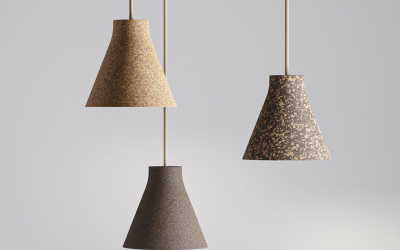



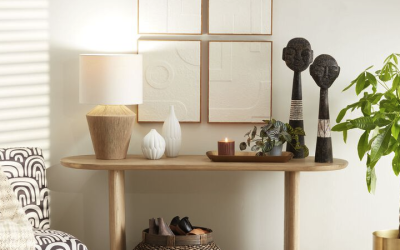
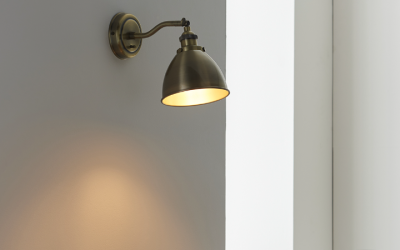
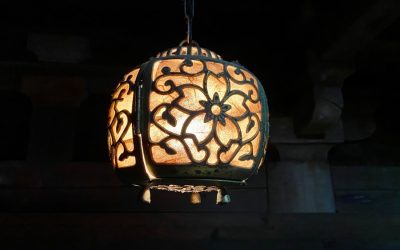
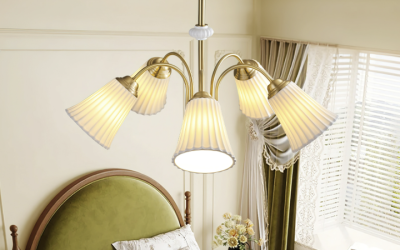




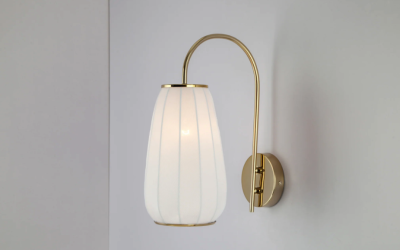


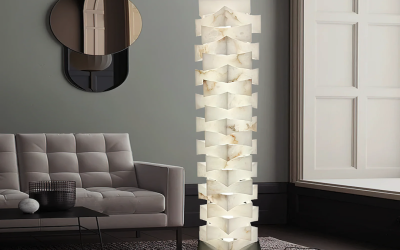
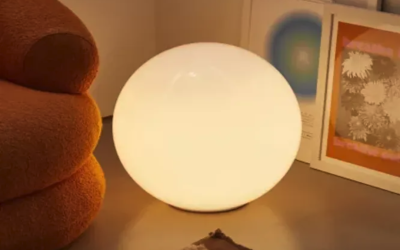
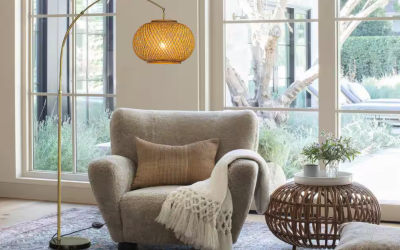
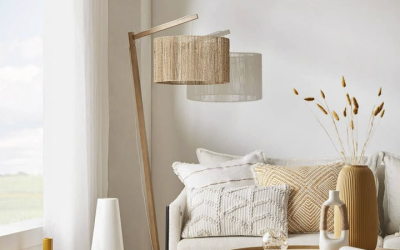



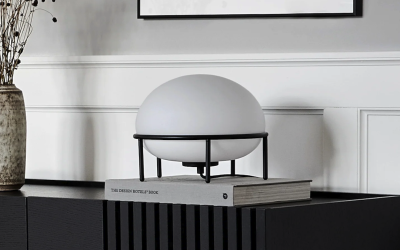

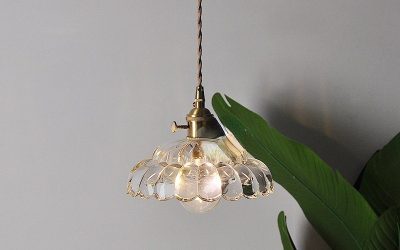



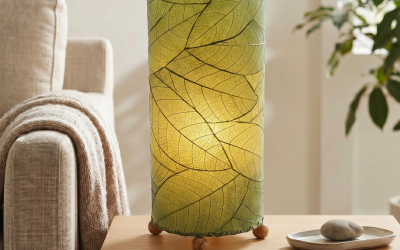

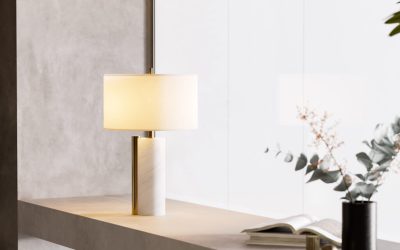
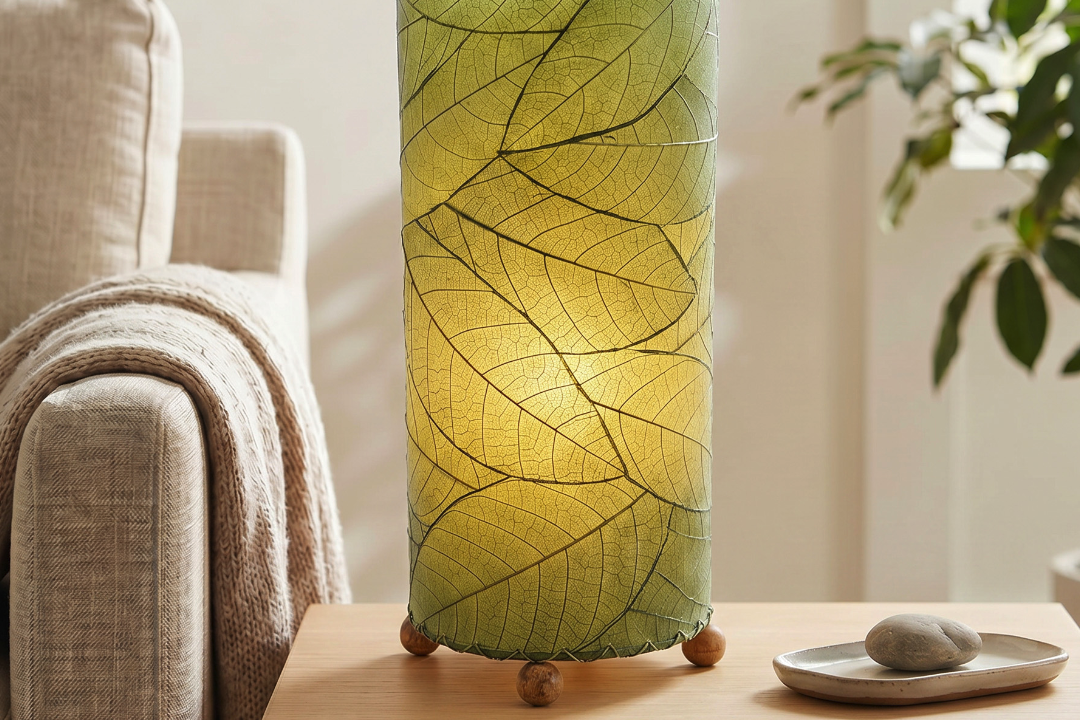
Let’s talk about bringing a little more eco-friendliness into your home, specifically with a green living approach to lighting. You’re asking about eco-friendly cork base fabric table lamps, and the short answer is yes, they’re a fantastic way to add warmth, style, and sustainability to your space. They’re not just a pretty face; they offer a thoughtful alternative to more conventional lamp materials.
When we think about “green living,” our minds often go to recycling bins and reusable bags. But it extends way beyond that, touching every aspect of our homes, including the furniture and decor we choose. Lighting is a big one. We use lamps Fohof constantly, so the materials they’re made from can have a real impact. This is where materials like cork come into play, offering a natural and renewable option.
What Makes Cork So Special?
Cork isn’t just for wine bottles. It’s a material harvested from the bark of the cork oak tree. This is a pretty neat process.
Harvesting Cork: A Tree-Friendly Process
The amazing thing about cork is that when the bark is harvested, the tree itself isn’t cut down. Instead, strips of bark are carefully removed, much like peeling an orange. The tree then regenerates its bark over time, usually within nine years. This makes it a highly renewable resource. It’s a sustainable practice that allows the trees to continue growing and absorbing carbon dioxide.
The Lifespan of a Cork Oak Tree
Cork oak forests are incredibly important ecosystems. They can live for hundreds of years, and over their lifetime, they produce a significant amount of cork. This means that a well-managed cork forest can provide a consistent supply of this natural material for generations without depleting the resource.
Beyond the Tree: Cork’s Natural Properties
Cork itself has a lot going for it. It’s naturally lightweight, which is great for furniture design, making lamps easier to move around. It’s also fire-resistant, which is an appealing safety feature, especially for lighting. Plus, it has a unique, tactile quality that many people find very appealing.
The Allure of Natural Materials in Home Decor
The trend towards natural materials in home decor isn’t just a fleeting fad; it’s a conscious shift towards bringing the outdoors in and choosing items that have a lower environmental footprint. Cork fits perfectly into this movement.
The “Biophilic Design” Connection
You might have heard of “biophilic design.” It’s about incorporating elements of nature into our built environments to improve our well-being. The use of natural materials like wood, stone, and cork is a core part of this approach. A cork lamp, with its earthy texture and origin, can contribute to a calming and more connected atmosphere in your home.
Bringing the Outdoors In: Beyond Just Aesthetics
It’s more than just liking the look. Natural materials often have inherent qualities that can make our homes feel more comfortable and welcoming. They can add warmth and depth that synthetic materials sometimes struggle to replicate. Cork’s visual appeal is undeniable, but its connection to nature also plays a significant role in why people are drawn to it.
Texture and Touch: Engaging Your Senses
The tactile experience of cork is often highlighted. It’s not smooth and cold like plastic or metal. It has a subtle texture that feels warm and organic to the touch. This sensory engagement can make a significant difference in how we perceive and interact with our home environment.
The Unique Grain and Color Palette
Every piece of cork has its own distinct grain pattern and subtle variations in color. This means that no two cork lamps will be exactly alike, offering a truly unique piece of decor for your home. It’s this individuality that sets natural materials apart.
Fabric Shades: The Perfect Complement to Cork
A table lamp isn’t just about its base; the shade plays a crucial role in both the aesthetic and how the light is diffused. When paired with a cork base, fabric shades offer a fantastic combination of style and sustainability.
Choosing Eco-Conscious Fabrics
Just as the cork base makes an eco-friendly choice, so too can the fabric of the lampshade. There are many options available that align with green living principles.
Recycled and Upcycled Fabrics
Many manufacturers are now using fabrics made from recycled materials, such as recycled polyester or cotton. These materials give new life to waste that would otherwise end up in landfills. Upcycled fabrics, which are repurposed from existing textiles, are another great option for reducing waste.
Natural and Organic Fiber Choices
When opting for new fabrics, look for natural fibers like organic cotton, linen, or hemp. These materials are often grown with fewer pesticides and chemicals, making their production more environmentally friendly. They also tend to be more biodegradable than synthetic alternatives.
The Importance of Dyeing Processes
The way a fabric is dyed also matters. Some dyeing processes use harsh chemicals that can be harmful to the environment. Look for lamps where the fabric shade is dyed using natural dyes or low-impact, eco-friendly dyeing methods.
How Fabric Shades Diffuse Light
The material and weave of a fabric shade significantly impact the quality of light. This is where the synergy with a cork base truly shines.
Softening and Warming the Glow
Fabric shades are excellent at diffusing light, creating a softer, warmer glow compared to bare bulbs or harsh material shades. This creates a more inviting ambiance, perfect for reading nooks, bedside tables, or living room side tables.
Creating Ambiance With Light Transmission
The thickness and weave of the fabric will determine how much light passes through. A denser weave will create a more subdued light, ideal for mood lighting, while a looser weave might allow more light to escape, offering brighter illumination. This flexibility allows you to tailor the light to your specific needs and the mood you want to create.
Visual Harmony: Texture and Light Interaction
The interplay between the natural texture of the cork base and the fabric shade can be quite beautiful. The light catching the subtle weave of the fabric can create interesting shadows and patterns, adding another layer of visual interest to your lamp.
Practical Considerations for Your Cork Lamp
Beyond the eco-friendly credentials, there are practical aspects to consider when choosing and using a cork base fabric table lamp that make them a smart choice for everyday living.
Durability and Maintenance: Keeping it Looking Good
Cork is surprisingly durable, but like any natural material, it benefits from a little care. Understanding how to look after your cork lamp ensures it stays a beautiful fixture in your home for years to come.
Cleaning Your Cork Base
For routine cleaning, a soft, dry cloth is usually sufficient to remove dust. If you encounter a spill or a slightly more stubborn mark, you can use a slightly damp cloth. Avoid harsh chemicals or abrasive cleaners, as these can damage the natural surface of the cork. For deeper cleaning or if the cork becomes discolored, you might find specialized cork cleaners or even a gentle wood polish can work well. Always test in an inconspicuous area first.
Caring for the Fabric Shade
Fabric shades can generally be dusted with a soft brush attachment on your vacuum cleaner or a dry microfiber cloth. For more significant dust build-up or minor marks, you might be able to gently spot-clean with a mild soap and water solution, but always check the manufacturer’s recommendations first. Some shades may be removable and washable, but this is less common. If the shade is heavily soiled or damaged, it’s often easier and more eco-friendly to replace just the shade rather than the entire lamp.
Weight and Stability: Practical Placement
Cork’s lightweight nature is a benefit, but it’s also worth considering how this impacts the lamp’s stability, especially if you have children or pets.
Balancing the Design
Manufacturers are usually mindful of this. Many cork lamps will have a design that naturally adds weight to the base, or they might incorporate a heavier material within the base to ensure it’s sturdy and doesn’t tip over easily.
Considerations for High-Traffic Areas
If you’re placing your lamp in a busy area of your home, like a hallway or a child’s play area, take a moment to assess its stability. A wider base or a heavier overall construction will generally offer more security.
Bulb Choice and Energy Efficiency
The eco-friendly aspect extends to how much energy your lamp uses. When choosing a bulb for your new lamp, it’s a great opportunity to make another green choice.
The Rise of LED Bulbs
LED (Light Emitting Diode) bulbs are the clear winners when it comes to energy efficiency and longevity. They use a fraction of the electricity of traditional incandescent bulbs and last significantly longer, meaning fewer replacements and less waste.
Matching Bulb Wattage to Shade
Consider the wattage of the bulb you choose in relation to the fabric shade. A shade designed for a softer, ambient light might not be suitable for a very high-wattage bulb, which could overheat the shade or create too harsh a light. Always adhere to the maximum wattage recommendations provided for the lamp to ensure safety and optimal lighting.
The Environmental Benefits of Choosing Cork
Let’s dive a little deeper into why choosing a cork base table lamp is a good move for the planet. It’s not just about feeling good; it’s about tangible positive impacts.
Renewable Resources: A Sustainable Cycle
As we touched on earlier, cork’s renewability is its superpower. Unlike materials that are finite or require extensive resource extraction and processing, cork provides a natural cycle of growth and harvest.
Carbon Sequestration Benefits
Cork oak forests play a vital role in combating climate change. The trees absorb significant amounts of carbon dioxide from the atmosphere throughout their lives. By choosing cork products, you’re indirectly supporting the continued existence and health of these carbon-sequestering forests.
Reduced Deforestation and Habitat Preservation
Because cork bark can be harvested without harming the tree, it significantly reduces the pressure to cut down forests for timber. This helps preserve natural habitats for diverse flora and fauna, a crucial aspect of biodiversity conservation.
Biodegradability and End-of-Life
What happens to your lamp when it eventually reaches the end of its useful life? This is a key consideration in sustainable design.
The Natural Decomposition of Cork
Cork is a natural, organic material, meaning it is biodegradable. This is a stark contrast to many synthetic materials used in manufacturing that can persist in the environment for hundreds of years. When a cork lamp is eventually disposed of responsibly, the cork component will naturally break down.
The Fabric Shade’s Fate
The biodegradability of the fabric shade will depend on the material. Natural fibers like organic cotton or linen will biodegrade much more readily than synthetic materials. When selecting a lamp, if the shade specification is available, opting for natural or recycled fabrics further enhances its eco-friendly profile.
Lower Manufacturing Impact
The processing of cork also tends to have a lower environmental impact compared to many other materials used in furniture and lighting.
Energy and Water Usage
Harvesting and processing cork generally requires less energy and water than the manufacturing of plastics, metals, or even some processed woods. The natural properties of cork mean that it often requires minimal chemical treatment after harvesting.
Reduced Pollution and Waste
The manufacturing processes for cork are often less polluting. There are fewer by-products and less toxic waste generated compared to the production of many synthetic materials. This makes the overall lifecycle of a cork lamp more environmentally conscious from start to finish.
Where to Find Eco-Friendly Cork Table Lamps
So, you’re convinced and want to bring one of these beauties home. Where do you start looking? Fortunately, many retailers and brands are offering more sustainable options these days.
Seeking Out Dedicated Eco-Brands
Some companies are built around sustainability as their core principle. These are often the best places to start as they prioritize ethical sourcing and eco-friendly materials across their entire product range.
Researching Brand Commitments
Before you buy, take a moment to look into the brand’s website. Do they talk about their materials sourcing? Do they have certifications related to sustainability? This research can help you make informed choices.
Understanding Certifications
Look for certifications like FSC (Forest Stewardship Council) for wood products, which can sometimes extend to cork, or certifications related to organic textiles if you’re looking at specific fabric shades. While not always directly applicable to lamps, understanding these can guide you.
Considering Independent Retailers and Artisans
Many smaller businesses and individual artisans are creating beautiful, handcrafted items using sustainable materials. These often offer a truly unique and personal touch.
The Charm of Handmade
There’s something special about owning a piece that’s been thoughtfully made by hand. Artisans often have a deep connection to their materials and a strong commitment to sustainable practices.
Supporting Small Businesses
By shopping with independent retailers and artisans, you’re not only getting a unique product but also supporting local economies and smaller, often more environmentally conscious, businesses.
Recognizing “Green” Features in Mainstream Retail
Even larger retailers are increasingly offering products with sustainable features. You might find cork lamps or lamps with eco-friendly fabric shades interspersed within their broader collections.
Reading Product Descriptions Carefully
Sometimes, the “eco-friendly” aspect might be highlighted in the product description. Look for keywords like “sustainable,” “natural materials,” “recycled,” or “eco-conscious.”
Checking Material Specifications
If specific material information isn’t readily available, don’t hesitate to reach out to the retailer for clarification. The more informed consumers are, the more likely retailers are to prioritize and highlight sustainable options.
The Importance of Longevity and Repairability
When thinking about sustainability, consider the lifespan of the product and if it can be repaired. A well-made lamp that can be repaired is more sustainable than one that needs to be discarded after a minor issue.
Investing in Quality
Sometimes, paying a little more upfront for a well-crafted, durable item from a brand that values sustainability can be more economical and environmentally sound in the long run.
Seeking Repair Services
If your lamp’s electrical components fail, consider if local electricians can repair them. If a fabric shade is damaged, can it be replaced? Thinking about these aspects can prolong the life of your lamp and reduce waste.
By making conscious choices, from the base material to the fabric of the shade and the type of bulb you use, you can ensure your table lamp not only illuminates your space but also upholds your commitment to a more sustainable lifestyle. Eco-friendly cork base fabric table lamps are a beautiful and practical way to achieve just that.