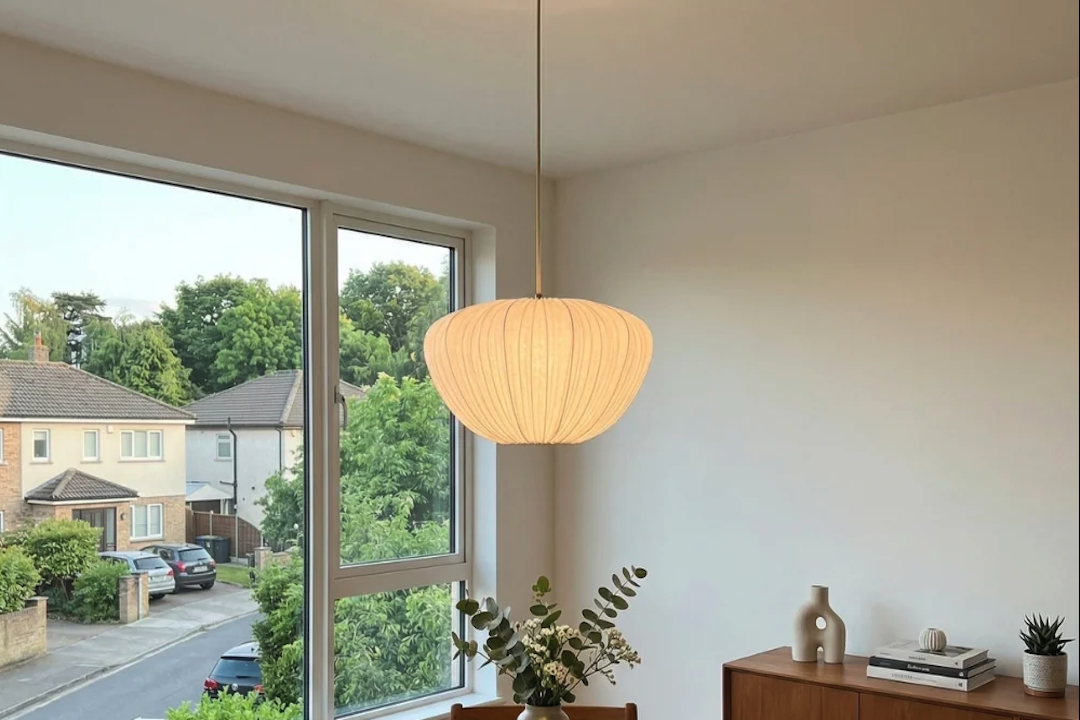
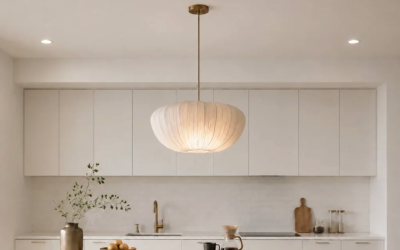
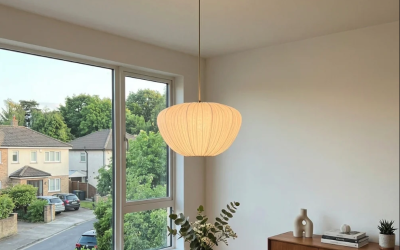
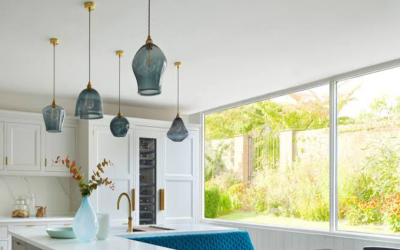
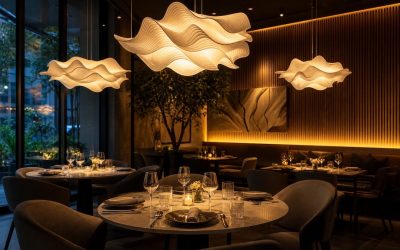


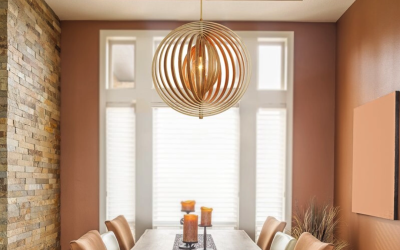

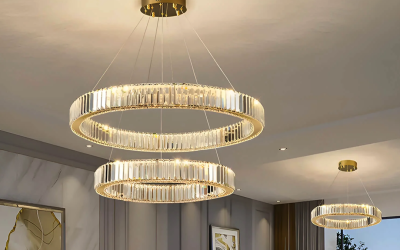
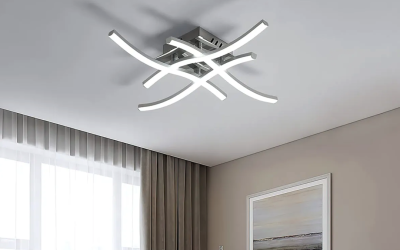
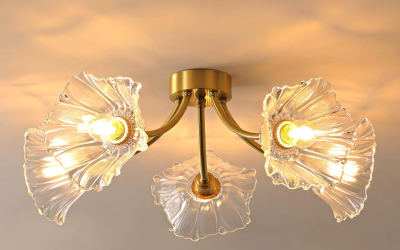
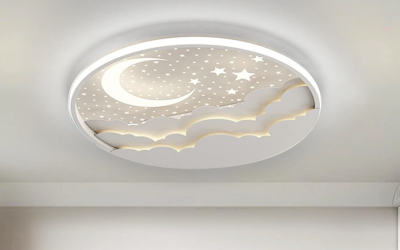



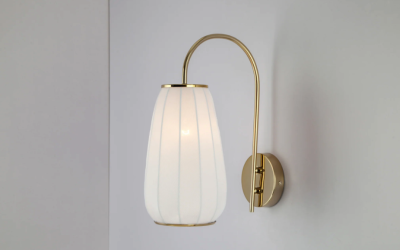
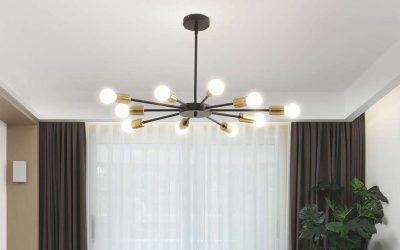

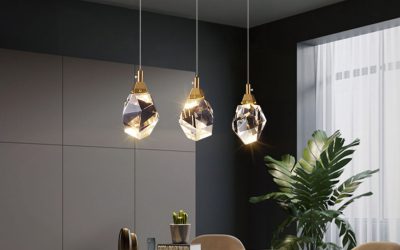
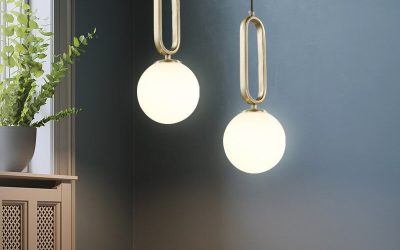

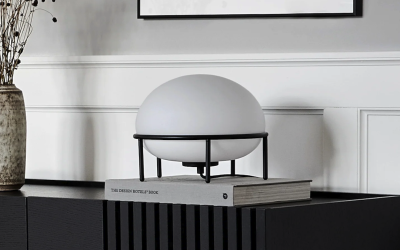



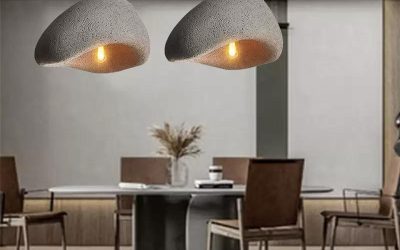

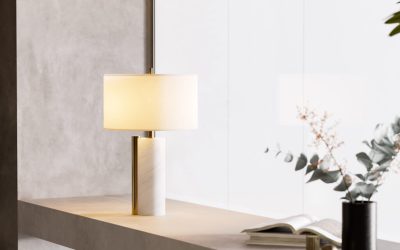
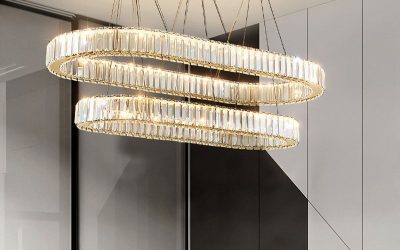
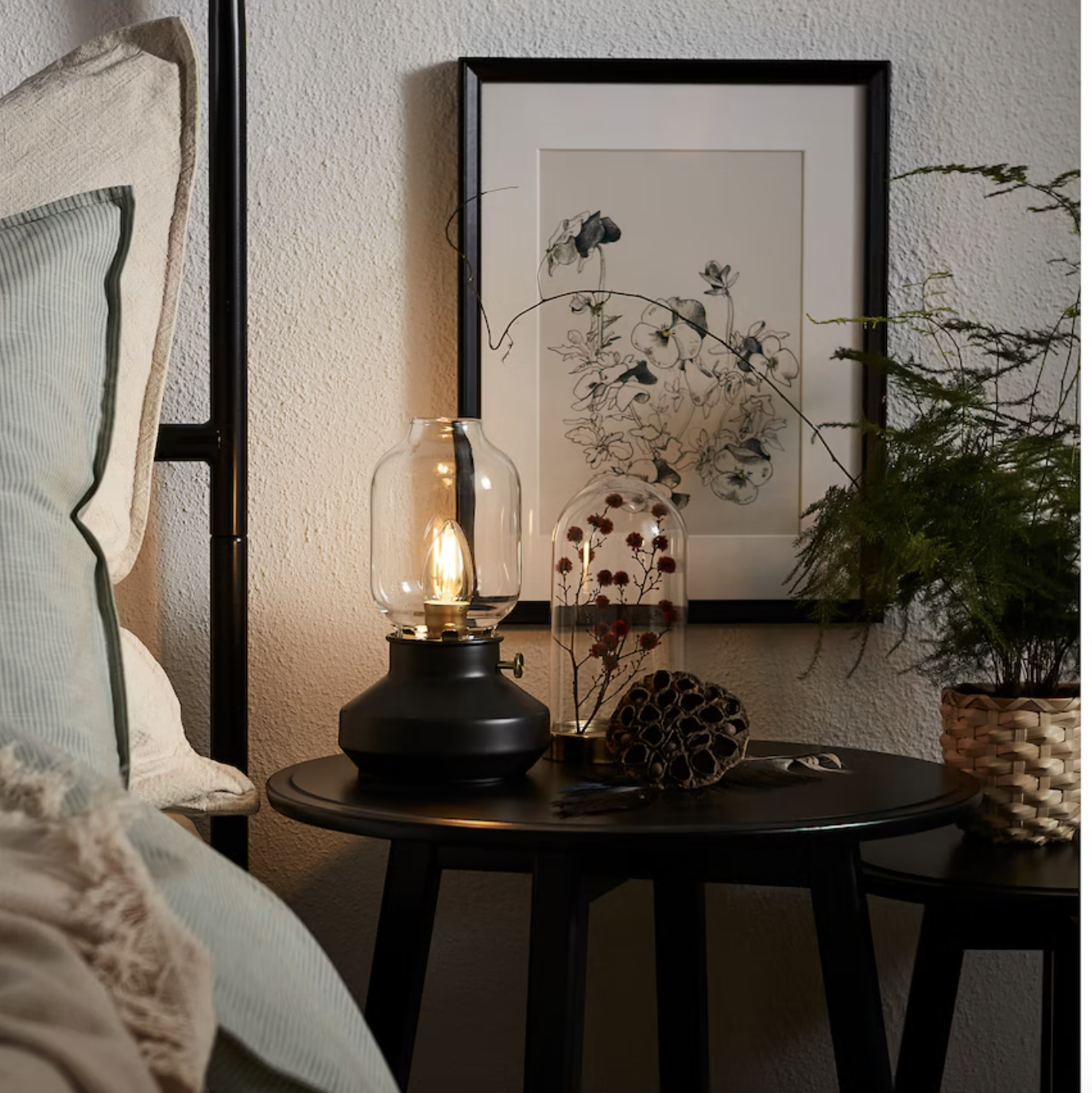
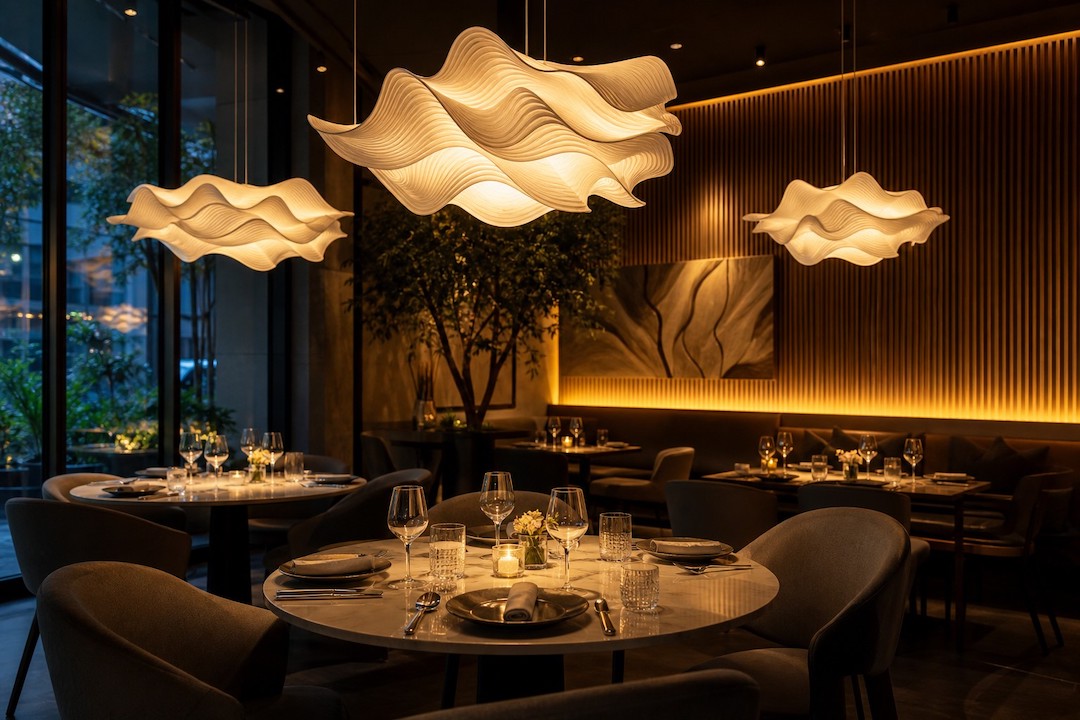
Let’s talk about how restaurants are shaking up their lighting, specifically with these cool 3D printed wavy pendant lamps. Think of them as more than just bulbs hanging from the ceiling; they’re becoming a design statement, a mood-setter, and even a talking point. Basically, they offer a fresh and modern way to illuminate your dining space, moving beyond the usual fixtures.
When you walk into a restaurant, you feel the atmosphere before you even look at the menu. Lighting plays a massive role in that. These 3D printed wavy pendants are changing the game because they bring a unique blend of artistry and functionality. They’re not just functional light sources Zweedo; they actively contribute to the overall aesthetic and dining experience.
Beyond Basic Illumination: It’s About the Experience
Forget the days of just needing enough light to read the bill. Modern restaurant design is all about creating an immersive experience. Wavy pendant lamps add a dynamic visual element that can sculpt the space, create focal points, and guide the diners’ gaze. The undulating forms can evoke a sense of movement, flow, and even natural elements, depending on the design and material.
The Aesthetic Appeal of Organic Forms
The “wavy” aspect isn’t just a random descriptor; it refers to the organic, flowing shapes that are easily achievable with 3D printing. This allows designers to break away from rigid geometric forms and introduce a softer, more natural feel into the restaurant. Think of the gentle curl of a wave, the soft drape of fabric, or the natural curves found in nature. These lamps bring that organic sensibility indoors.
Customization: A Designer’s Dream
One of the biggest advantages of 3D printing is its ability to create highly customized pieces. This means restaurants aren’t limited to off-the-shelf options. They can collaborate with designers to create lamps that perfectly match the restaurant’s branding, interior theme, or even the specific mood they want to cultivate in different zones of the dining area.
The 3D Printing Advantage: How It’s Done
The technology behind these lamps is just as fascinating as their appearance. 3D printing, or additive manufacturing, is fundamentally different from traditional fabrication methods. It’s like building something layer by intricate layer, which opens up a world of design possibilities.
Layer by Layer: The Additive Manufacturing Process
Instead of carving away material or molding it, 3D printing builds objects by depositing material in thin layers, guided by a digital design. For pendant lamps, this typically involves extruding heated plastic filament through a nozzle or using photopolymerization processes. The precision and control offered by this method are what allow for those complex wavy geometries that would be difficult or impossible to achieve otherwise.
Material Matters: What Are They Made Of?
The materials used in 3D printing are constantly evolving, and for lighting, a few stand out. Most commonly, you’ll find durable and lightweight plastics like PLA (polylactic acid) or ABS (acrylonitrile butadiene styrene). These can be printed in a variety of colors and finishes, and some are even translucent, allowing light to diffuse beautifully.
PLA: The Eco-Friendly Choice
PLA is a biodegradable thermoplastic derived from renewable resources like corn starch. It’s a popular choice for its ease of printing and its lower environmental impact, which can be a significant selling point for restaurants aiming for a sustainable image.
ABS: Durability and Flexibility
ABS offers greater strength and heat resistance compared to PLA, making it suitable for situations where the lamp might be exposed to more wear and tear or higher temperatures. It also has a degree of flexibility, which can be advantageous for certain intricate designs.
Beyond Plastics: Emerging Materials
Researchers and designers are also exploring other materials, including composite filaments that incorporate wood particles or metals, and even some ceramic or concrete-like materials for a more industrial or earthy aesthetic. These advancements offer even more creative avenues for restaurant lighting.
Design Possibilities: Shaping the Ambiance
The “wavy” design isn’t a single look; it’s a spectrum of possibilities. Designers can manipulate the amplitude, frequency, and form of the waves to achieve vastly different effects. This allows for a highly tailored approach to lighting design.
Flowing Forms: Mimicking Nature
Many wavy designs draw inspiration from natural patterns. Think of the gentle undulation of desert sand dunes, the rhythmic movement of ocean waves, or the delicate curl of a blooming flower. These organic forms can bring a sense of calm and tranquility to a dining space, making it feel more inviting and relaxing.
Capturing Light: The Play of Shadows and Shine
The curves and contours of these lamps are not just for show; they actively interact with light. The way light bounces off and passes through the wavy surfaces creates dynamic shadow patterns and highlights that add depth and visual interest to the room. This can make an otherwise plain ceiling feel more engaging.
Sculpting the Space: Directing Light and Focus
The shape of the pendant can also influence how light is distributed. Some designs might focus light downwards, creating intimate tablescapes, while others might spread light more broadly, illuminating a larger area. The flexibility of 3D printing allows for precise control over light direction and diffusion, enabling designers to sculpt the illuminated zones within the restaurant.
Integration and Installation: Practical Considerations
It’s not all about looks; these lamps need to function reliably and integrate seamlessly into the restaurant’s infrastructure. While 3D printing offers a lot of design freedom, there are practical aspects to consider.
Wiring and Fixturing: Standard Practices Meet Innovation
The electrical components of these lamps – the sockets, wiring, and power cords – are generally standard. The novel aspect lies in how they are integrated into the 3D printed structure. Designers need to ensure that there’s adequate space for wiring, heat dissipation, and secure mounting points. The wavy form itself can sometimes dictate how the wiring is routed, adding another layer to the design process.
Pendant vs. Track: Choosing the Right System
Whether these wavy pendants are hung individually, in clusters, or as part of a track lighting system, depends on the restaurant’s layout and desired effect. Individual pendants can create strong focal points above tables, while a series of them might trail across a bar or accent a long dining hall. Track systems offer more flexibility for adjusting placement and direction.
Weight and Durability: Ensuring Longevity
The materials used, typically plastics, are generally lightweight, which simplifies installation and reduces stress on ceilings and mounting hardware. However, durability is also key in a high-traffic environment like a restaurant. Quality printing and appropriate material selection are crucial for ensuring these lamps can withstand daily use without cracking or degrading.
Beyond the Dining Room: Applications in Hospitality
While the focus is on restaurant dining areas, the concept of 3D printed wavy pendant lamps extends to other hospitality spaces. Think about the diverse needs for lighting in bars, lounges, hotel lobbies, and even private dining rooms.
Bar and Lounge Vibes: Setting the Mood
Bars and lounges often require a more intimate and sophisticated lighting scheme. Wavy pendant lamps can be used to create dramatic overhead features above the bar itself, or to cast a soft, inviting glow over seating areas. Their unique forms can add a touch of artistry and personality to these less formal spaces.
Hotel Lobbies: Welcoming Guests with Style
A hotel lobby is often the first impression a guest has of a property. Well-designed lighting, including statement pendant lamps, can immediately convey a sense of luxury, style, and comfort. Wavy pendants can serve as artistic installations that draw the eye and create a memorable entry experience.
Private Dining and Event Spaces: Tailored Ambiance
For restaurants with private dining rooms or spaces dedicated to events, lighting can be a critical element in customizing the atmosphere for each occasion. 3D printed wavy pendants offer the flexibility to design unique lighting solutions that can be adapted to suit different themes and guest preferences, enhancing the overall event experience.
The Future of Restaurant Lighting: A Wave of Innovation
The integration of 3D printed wavy pendant lamps is just one example of how technology is revolutionizing restaurant design. As 3D printing becomes more accessible and material science advances, we can expect to see even more innovative and personalized lighting solutions emerge.
Smart Lighting Integration: Beyond the Static
The next frontier will likely involve integrating these lamps with smart lighting systems. Imagine being able to adjust the color temperature, brightness, and even dynamic patterns of the wavy lights through an app, allowing staff to instantaneously change the mood of the restaurant based on the time of day, the occasion, or even the preferences of a VIP guest.
Sustainability and Circularity: Printing for Tomorrow
As the industry continues to prioritize sustainability, 3D printing offers exciting possibilities for circular design. This could involve using recycled materials for printing, designing lamps that are easily repairable or upgradable, or even implementing take-back programs to recycle old lamps and use the material for new creations. This approach minimizes waste and aligns with a growing consumer demand for eco-conscious businesses.
Biomimicry and Bio-Integration: Nature-Inspired Design
Looking further ahead, expect to see designs that more closely mimic natural forms and even integrate biological elements. Imagine lamps that subtly shift in color like chameleon skin or that incorporate self-healing materials inspired by natural processes. The wavy aesthetic is a great starting point for exploring these deeper connections with the natural world.
The impact of these 3D printed wavy pendant lamps is clear: they’re moving restaurant lighting from a purely functional element to a powerful design tool that shapes the dining experience. They offer a blend of aesthetic appeal, customization, and technological innovation that’s setting a new standard for how restaurants illuminate their spaces.