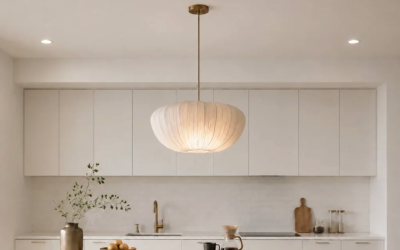
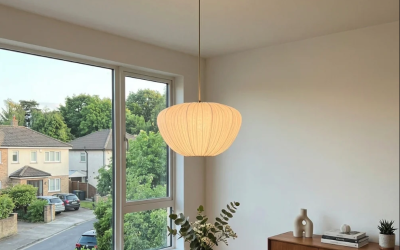
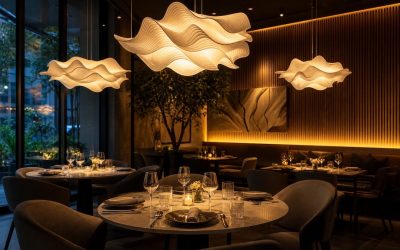
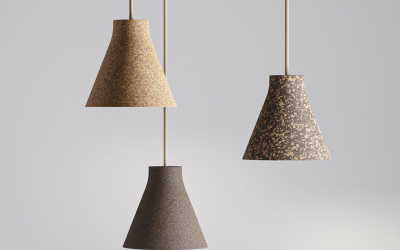
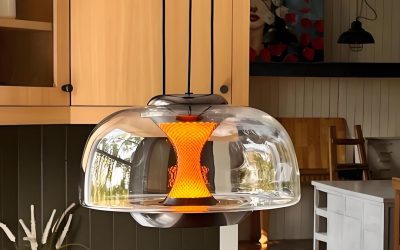


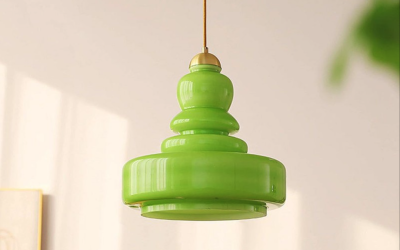
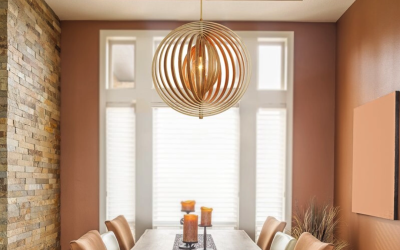

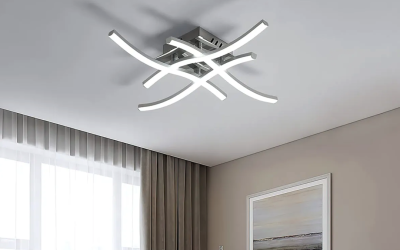
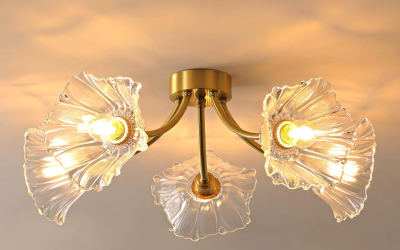
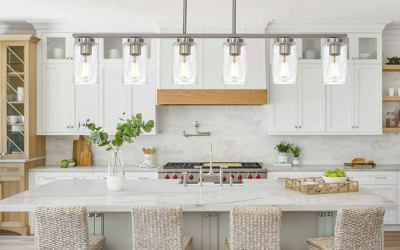
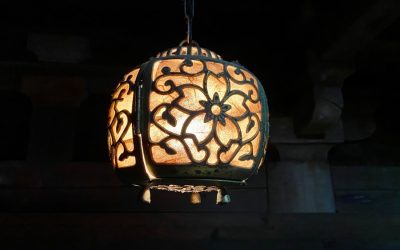
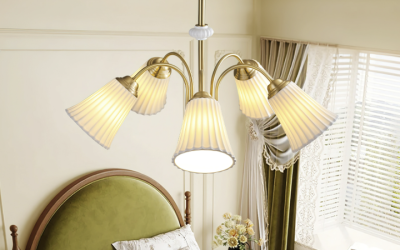






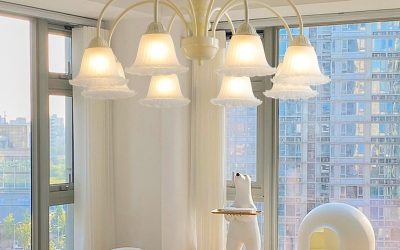
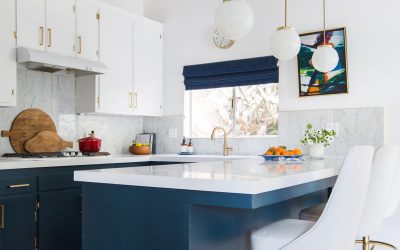
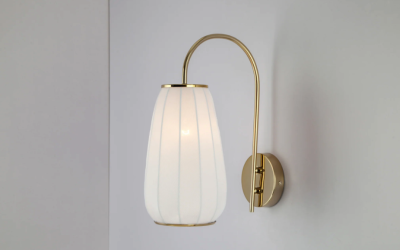
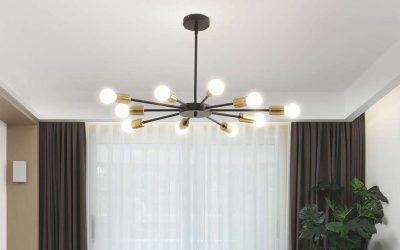

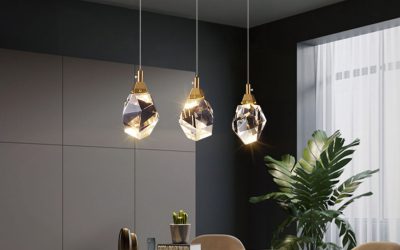
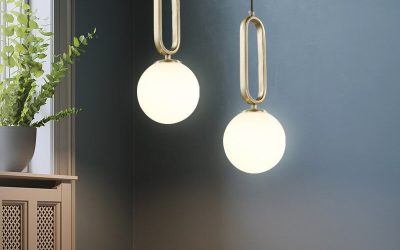



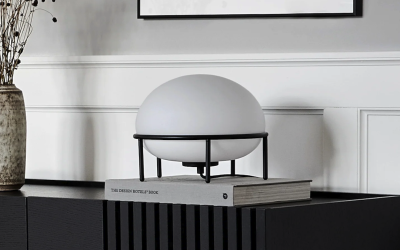

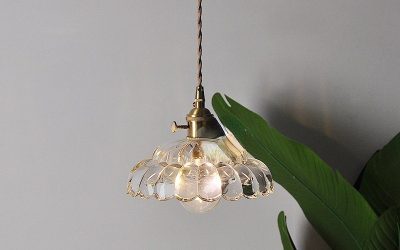



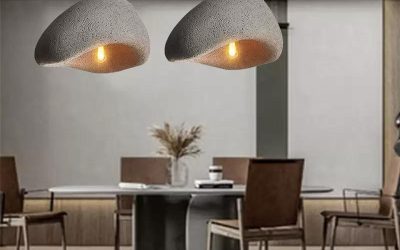


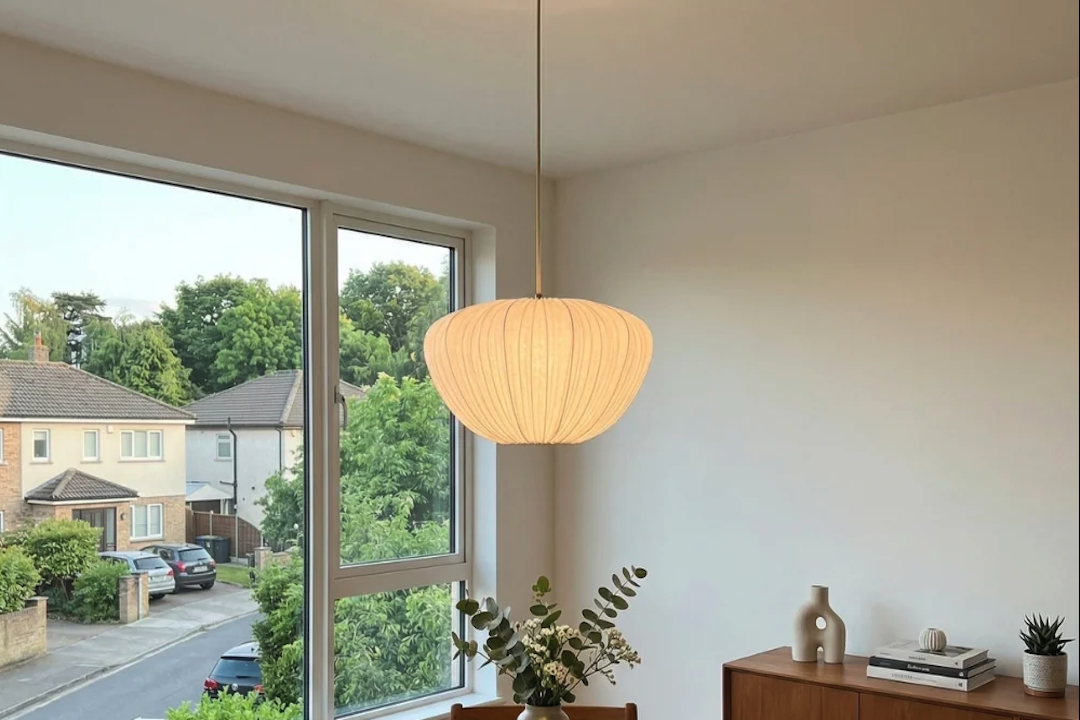
So, you’re looking for a pendant light for your dining room, and you’ve heard a bit about these “elegant scalloped fabric” ones. What exactly are they? Simply put, these are light fixtures, often designed to hang over a dining table, that feature a lampshade made from fabric with a distinctive scalloped edge. This scalloping isn’t just for show; it adds a layer of visual interest and a softer, more refined aesthetic compared to a plain straight edge. They’re typically chosen to bring a touch of vintage charm, gentle texture, and diffused light to a space, making them a popular choice for those wanting to create a warm and inviting dining atmosphere.
You might be thinking, “A lampshade is a lampshade, right?” Not entirely. Scalloped fabric pendants offer a unique blend of benefits that can really elevate a dining space beyond what a standard fixture might provide. It’s about achieving a certain feel in the room, not just illumination.
Softening the Edges
Dining rooms, especially modern ones, can sometimes feel a bit angular with all the straight lines of tables and chairs. A scalloped pendant works wonders in breaking up that visual rigidity. The gentle curves of the scallops introduce a softness that instantly makes the room feel more welcoming and less stark. It’s a subtle detail, but one that contributes significantly to the overall perceived comfort of the space. Think of it as visual comfort food for your eyes.
Adding Textile Warmth
There’s something inherently cozy about fabric. Unlike metal or glass fixtures, a fabric shade brings a tactile quality that suggests warmth and home. This is particularly effective in a dining room, where you want people to feel relaxed and ready to linger. The fabric softens the light Minxmoon itself, creating a warm glow rather than a harsh beam, which is ideal for conversations and enjoying meals. It’s like wrapping your light source in a comforting blanket.
A Nod to Nostalgia
Scalloped designs often evoke a sense of vintage style or classic elegance without being overtly old-fashioned. They can harken back to art deco influences, mid-century modern design, or even more traditional aesthetics, depending on the specific fabric, color, and overall lamp shape. This touch of nostalgia can add character and depth to a dining room, making it feel more established and thoughtfully designed, rather than just freshly decorated. It tells a story without needing to say a word.
Diffused, Flattering Light
One of the best practical benefits of a fabric shade is its ability to diffuse light. Instead of a direct, sometimes harsh, beam, the light filters gently through the fabric. This creates a softer, more ambient illumination that is incredibly flattering for both food and faces. Nobody wants to eat under unflattering, stark lighting. This diffused glow makes meals more enjoyable and conversations more comfortable, as people aren’t squinting or feeling like they’re under a spotlight. It’s the kind of light that makes everyone look good and every dish appear inviting.
Choosing Your Scalloped Companion: What to Look For
Okay, you’re sold on the idea. Now, how do you pick the right one? There are several key factors to consider to ensure your scalloped fabric pendant light perfectly complements your dining room and meets your practical needs.
Size and Scale: Don’t Go Too Big or Too Small
This is crucial. A pendant light should be proportionate to your dining table and the room itself. A good general rule of thumb is that the fixture’s diameter should be roughly two-thirds to three-fourths the width of your dining table. If it’s too small, it will look lost and insignificant. If it’s too large, it will overwhelm the space and might even get in the way.
Table Length Matters Too
For long, rectangular tables, a single large pendant might work, but often, two or even three smaller pendants spaced evenly along the table create a more balanced and effective lighting scheme. Think about the visual weight – a single massive pendant over a dainty table just won’t work aesthetically or practically.
Room Height Considerations
Also, factor in your ceiling height. You want the bottom of the pendant to be roughly 30-36 inches (76-91 cm) above the table surface. This allows for clear sightlines across the table and prevents people from bumping their heads, while still providing adequate light. Adjust this slightly if you have very high or low ceilings, aiming for visual balance.
Fabric Type: Texture and Translucency
The fabric choice is where much of the “elegant” factor comes into play. Different fabrics offer varying levels of texture, opacity, and light diffusion.
Linen: The Classic Choice
Linen is a perennial favorite for a reason. It offers a beautiful, slightly textured weave that looks natural and sophisticated. It diffuses light wonderfully, creating a warm, inviting glow. Linen shades often come in natural, earthy tones, but can also be dyed to achieve a wide range of colors. It’s durable and has a timeless appeal.
Cotton: Versatile and Affordable
Cotton is another excellent option. It’s versatile, available in numerous weaves (from smooth to subtly textured), and generally more affordable than linen. Cotton shades can be quite opaque or semi-translucent, depending on the weave and thickness, offering different levels of light diffusion. They are easy to dye, so you’ll find a vast array of color options.
Silk or Faux Silk: A Touch of Luxe
For a more luxurious feel, silk or good-quality faux silk can be stunning. These fabrics have a subtle sheen that catches the light beautifully, adding a touch of glamour. They tend to diffuse light more softly than linen or cotton, creating a richer, more opulent glow. However, they can be more delicate and require careful handling.
Blends: Best of Both Worlds
Often, you’ll find fabric blends (like linen-cotton or polyester-linen). These can offer the desirable qualities of different fibers, such as the softness of cotton combined with the durability of polyester, or the texture of linen with improved wrinkle resistance.
Color and Pattern: Setting the Mood
The color and any pattern on your fabric shade will significantly impact the mood and style of your dining room.
Neutrals: Timeless and Adaptable
White, cream, beige, or light grey shades are incredibly versatile. They blend seamlessly into almost any decor scheme, provide a clean, fresh look, and allow other elements in the room (like artwork or tableware) to take center stage. They also tend to create the brightest, cleanest light.
Subdued Hues: Adding Character
Soft blues, greens, terracottas, or blush pinks can introduce a gentle pop of color without overwhelming the space. These colors can complement existing decor without competing. They can also influence the warmth of the light – a warm-toned fabric will tint the light slightly, adding to the cozy atmosphere.
Patterns: A Statement Piece
While less common for scalloped fabric pendants, a subtle pattern (like a tone-on-tone stripe, a small geometric, or a floral print) can turn the light into a true focal point. If you choose a patterned shade, make sure it harmonizes with other patterns in the room and doesn’t create visual clutter. The scalloped edge itself is a strong design element, so a busy pattern might be too much.
Hardware and Finish: The Finishing Touch
Don’t overlook the metal components – the canopy (the part that attaches to the ceiling), the rod or cord, and any finials. These details contribute to the overall aesthetic.
Brass/Gold: Warm and Classic
Polished brass or antique gold finishes add a traditional, warm, and sophisticated touch. They pair beautifully with linen or silk shades, enhancing that vintage or elegant feel.
Black/Bronze: Modern or Industrial Edge
Matte black or oil-rubbed bronze can provide a more contemporary or even industrial edge, especially when paired with natural linen or cotton shades. This creates an interesting contrast between the soft fabric and the harder metal.
Nickel/Chrome: Sleek and Contemporary
Brushed nickel or polished chrome offers a sleek, modern look. These finishes work well in minimalist or contemporary dining rooms, providing a subtle metallic accent that doesn’t overpower the fabric.
Installation and Placement: Getting It Just Right
Once you’ve chosen your perfect pendant, getting it installed correctly is just as important as the selection itself. Poor installation can ruin the look and hinder its functionality.
The Art of Hanging: Height is Key
As mentioned earlier, the sweet spot for the bottom of the pendant is typically 30-36 inches (76-91 cm) above your dining table. This range allows for comfortable conversation without the light obstructing views, and provides ample light on the table surface.
Test It Out
If you’re unsure, have someone hold the light at different heights while you sit at the table. This “real-world” test can make a huge difference in confirming the ideal hanging height for your specific setup and personal preferences. What looks good standing up might feel entirely different when seated.
Dimmer Switch: Your Best Friend
For a dining room, a dimmer switch is practically essential. It allows you to adjust the light intensity to suit different occasions: brighter for everyday meals or homework, and softer for an intimate dinner party or atmospheric gathering.
Setting the Mood
The ability to dim the light transforms the room’s ambiance. It lets you transition from functional task lighting to a warm, inviting glow, maximizing the versatility of your pendant and your dining space. You can’t truly create an “elegant” atmosphere with a single, unchangeable brightness setting.
Centering and Symmetry
Ideally, your pendant light should be centered over your dining table. This creates visual balance and ensures even light distribution. If you have a particularly long table and opt for multiple pendants, ensure they are spaced evenly along the table’s length.
Off-Center Solutions
What if your electrical box isn’t centered? Don’t despair. You can use a swag hook to re-route the pendant cord and center it over the table. Alternatively, some pendants come with off-center canopy options or adjustable arms that can achieve the desired placement without moving the electrical box. Don’t let an off-center junction box prevent you from achieving the perfect look.
Care and Maintenance: Keeping It Pristine
Fabric can be a bit more delicate than metal or glass, so knowing how to care for your pendant will keep it looking elegant for years to come.
Regular Dusting: The First Line of Defense
Fabric shades are dust magnets. A light, weekly or bi-weekly dusting with a soft brush attachment on your vacuum cleaner or a micro-fiber cloth is usually sufficient to keep dust from building up. If you let it accumulate, it can dull the fabric and even affect the light quality.
Gentle Approach
Always be gentle when dusting. Rough handling can distort the shape of the shade or damage the fabric. Avoid using feather dusters, as they often just spread dust around rather than removing it.
Spot Cleaning: Dealing with Spills
Accidents happen, especially in a dining room. For small spots or spills, prompt spot cleaning is key.
Test, Then Clean
Always test any cleaning solution on an inconspicuous area first to ensure it doesn’t discolor or damage the fabric.
Mild Soap and Water
Generally, a damp cloth with a small amount of mild, diluted dish soap is effective. Blot the stain gently; do not rub, as this can spread the stain or damage the fabric fibers. Work from the outside of the stain inwards. Rinse the area by blotting with a clean, damp cloth (water only) to remove any soap residue, and then allow it to air dry completely.
Professional Help
For stubborn stains or more significant spills, it might be best to consult a professional fabric cleaner, especially if the shade is made from delicate materials like silk. Attempting to deep clean some fabric shades yourself can cause shrinkage, watermarks, or damage to the internal frame.
Bulb Replacement: A Simple Swap
Replacing light bulbs is straightforward. Always ensure the light fixture is off and bulbs have cooled before attempting a replacement. Use the wattage and bulb type recommended by the manufacturer. LED bulbs are often an excellent choice as they are energy-efficient and produce less heat, which is gentler on fabric shades.
Blending In (or Standing Out): Styling Your Pendant
Your scalloped fabric pendant doesn’t exist in a vacuum. How it interacts with the rest of your dining room decor will define its impact.
Harmonizing with Existing Decor
Consider the overarching style of your dining room. Is it farmhouse, modern, traditional, or eclectic? A scalloped fabric pendant can surprisingly blend with many styles.
Modern Spaces
In a modern dining room, a simple, unadorned scalloped pendant in a neutral linen or cotton with black or nickel hardware can introduce softness without clashing with sleek lines. It provides a warm contrast to potentially minimalist furniture.
Traditional or Farmhouse
For more traditional or farmhouse aesthetics, a cream or off-white linen shade with brass or bronze hardware would feel right at home. It reinforces the cozy, comforting vibe.
Eclectic Mixes
In an eclectic space, you have more freedom. A bold color, a textured fabric, or even a subtle patterned scalloped shade could be a fantastic statement piece that ties together various design elements.
Complementary Elements: Pulling it All Together
Think about other elements in the room that can echo or complement the pendant’s features.
Textiles: Curtains, Upholstery, and Rugs
If your pendant has a linen shade, consider linen drapery or upholstered dining chairs. Soft textures in rugs or throw blankets can reinforce the inviting feel. Avoid too many competing patterns if your pendant is visually soft.
Art and Accessories
Framed artwork with soft curves or naturalistic themes can tie into the scalloped shape. Ceramic bowls or vases on the dining table can also pick up on the textile warmth and organic forms. Don’t be afraid to add a small, subtle detail that visually “speaks” to the pendant.
The Overall Ambiance: More Than Just a Light
Ultimately, the goal of an elegant scalloped fabric pendant light in your dining room is to contribute to a cohesive, comfortable, and beautiful dining experience. It’s not just about providing light; it’s about crafting an atmosphere. The soft light, the gentle curves, and the tactile warmth of the fabric all work together to create a space where people want to gather, share meals, and make memories. It’s a design choice that prioritizes warmth and hospitality, making your dining room feel more like a true home.