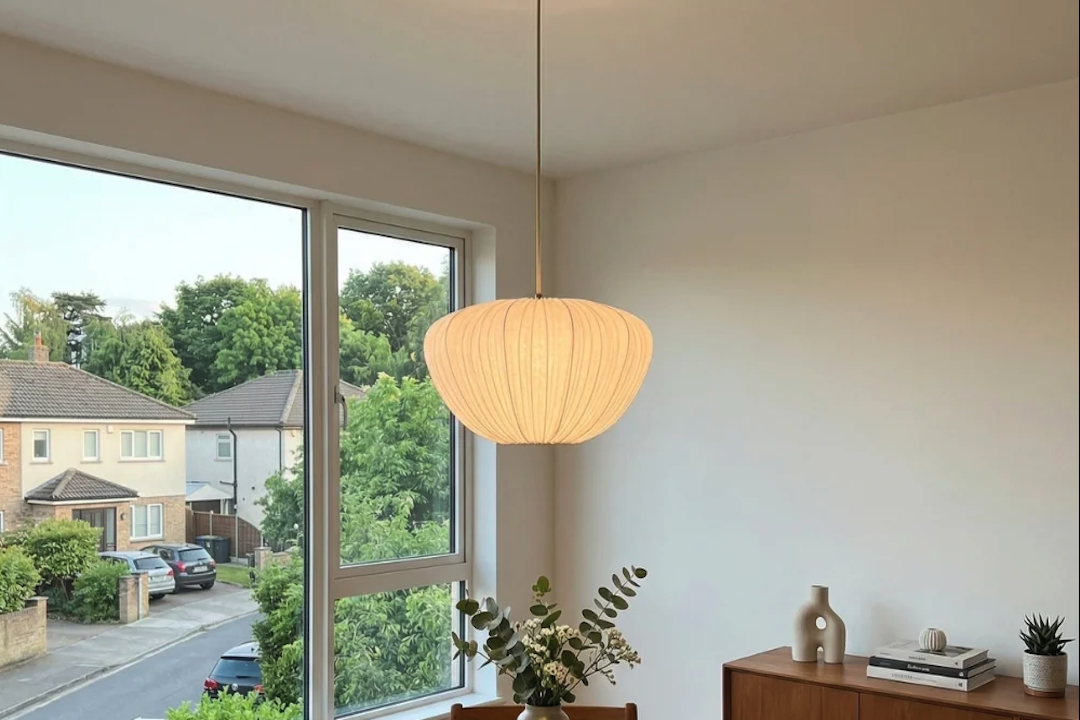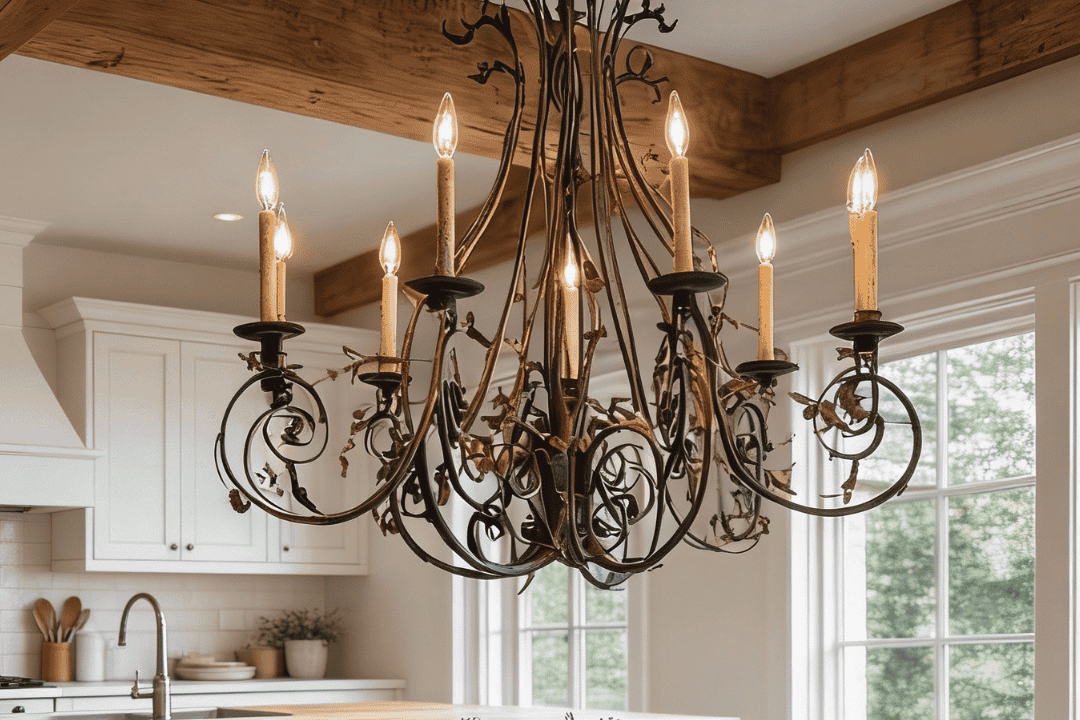
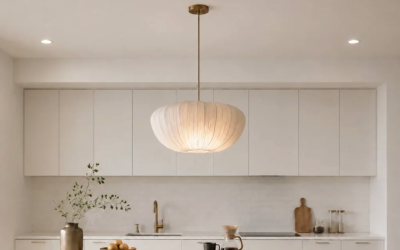
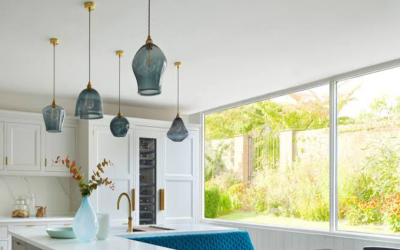
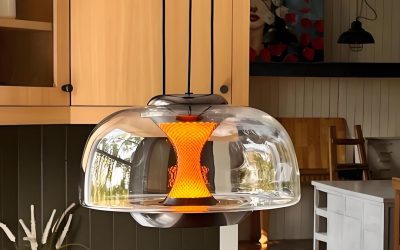


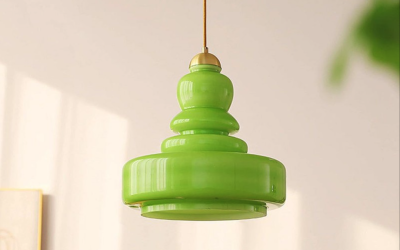
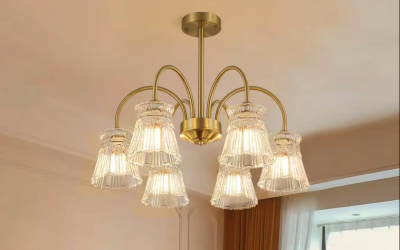

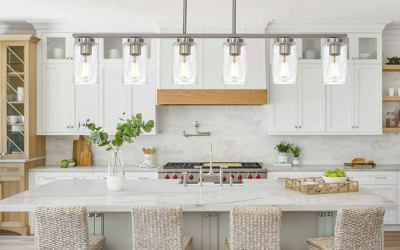
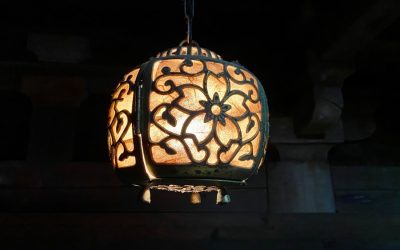
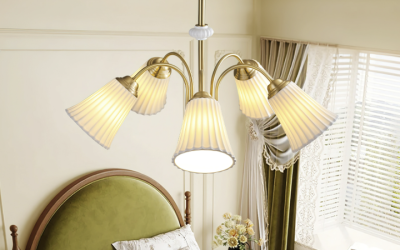
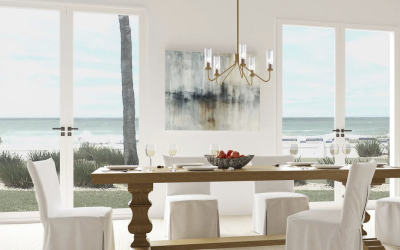

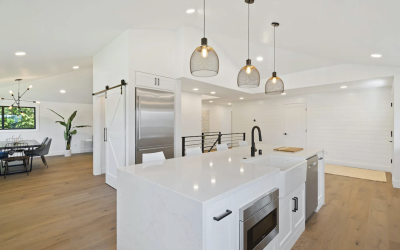






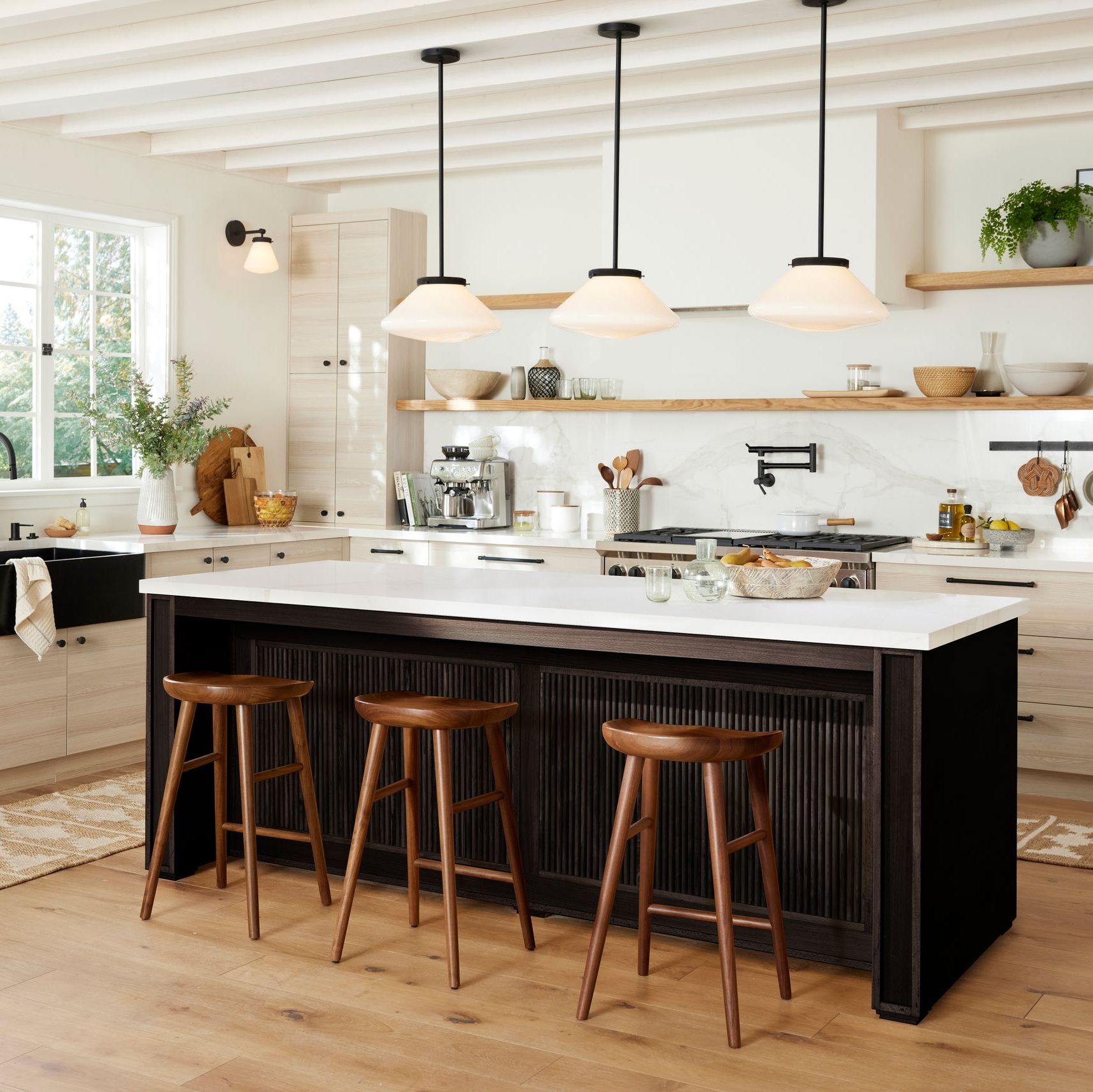

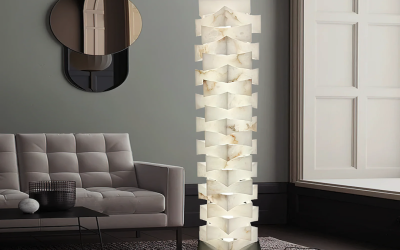
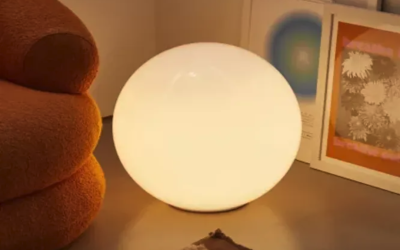
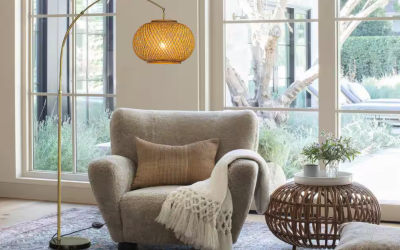
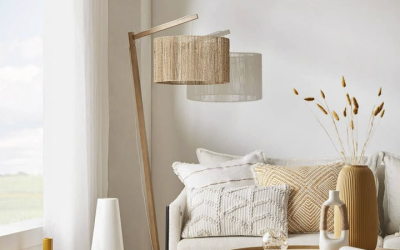





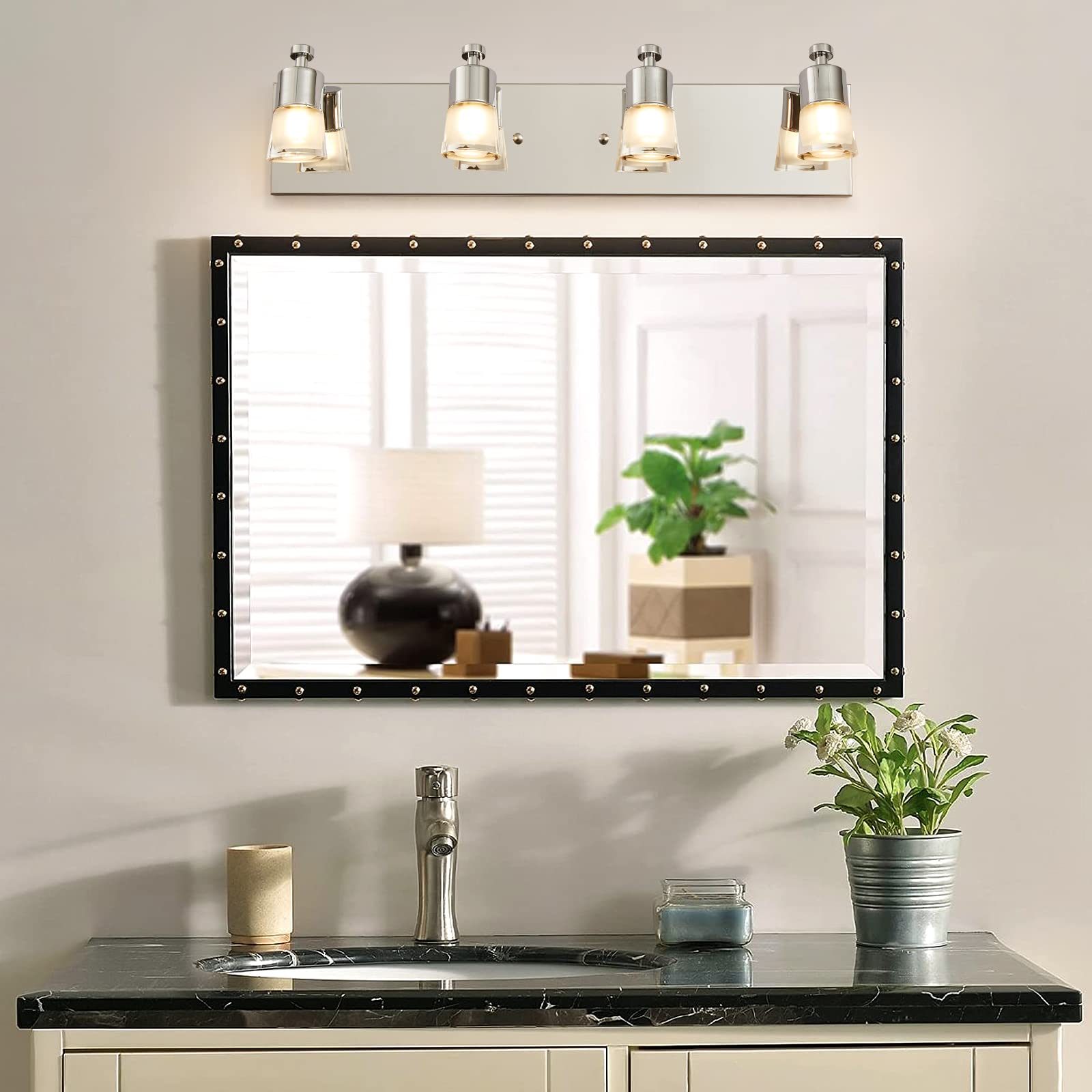

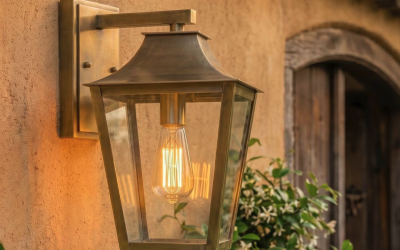
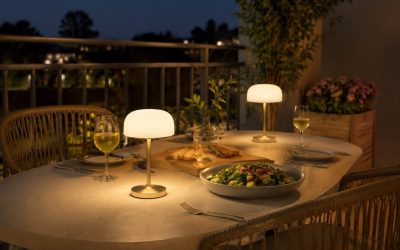

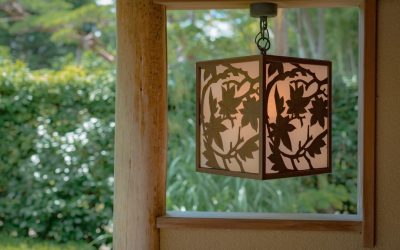
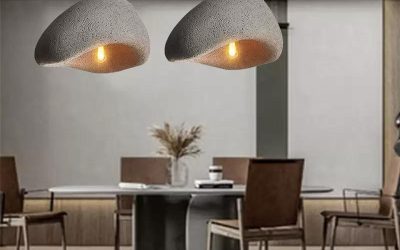

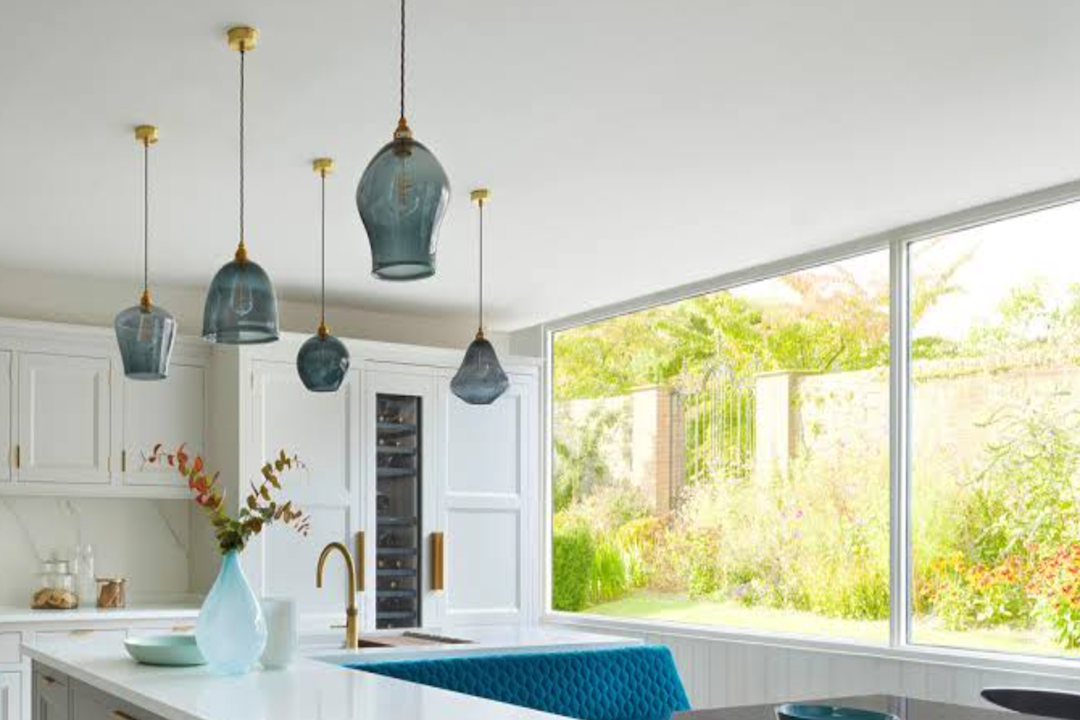
Glass bell pendant lights can absolutely transform your kitchen, and quickly too. They’re a fantastic choice for adding both style and focused illumination, making your space feel more open, brighter, and just generally more appealing. Think of them as a versatile workhorse that brings a touch of elegance without being overly fussy.
So, why are these particular lights consistently popping up in kitchens everywhere? It’s not just a passing trend; they offer a winning combination of aesthetics and practicality that few other fixtures can match.
The Allure of Transparency
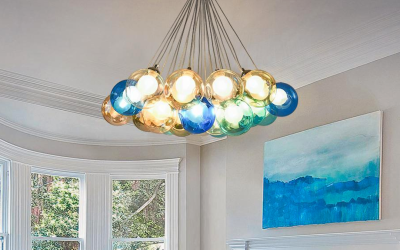
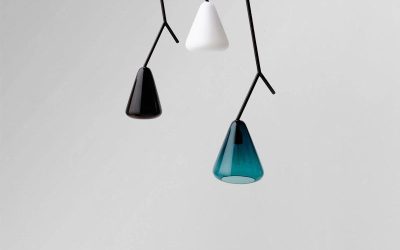
One of the biggest draws of Luck111 glass bell pendant is its transparency. Unlike solid fixtures that block light and create visual weight, glass allows light to pass through unimpeded. This means a brighter, airier feel in your kitchen. It’s like adding a light source without adding bulk, which is especially beneficial in smaller kitchens or those with lower ceilings.
Versatility in Design
You might think “glass bell” is a very specific look, but the truth is, there’s a surprising amount of variety. From sleek, minimalist designs to more ornate, vintage-inspired options, you can find a glass bell pendant to complement almost any kitchen aesthetic. Whether your style leans modern industrial, cozy farmhouse, or classic traditional, there’s a glass bell out there for you.
Focused Illumination
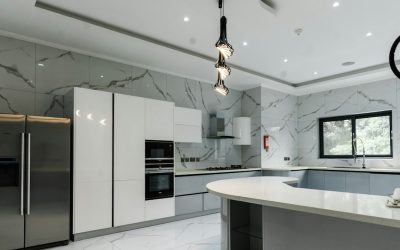
Beyond their good looks, these pendants are excellent at providing task lighting. The bell shape naturally directs light downwards, making them perfect for illuminating countertops, kitchen islands, or breakfast nooks. This focused light is crucial for activities like meal prep, reading recipes, or even just having a casual breakfast.
Choosing the Right Size and Quantity
Getting the scale right is crucial when it comes to lighting. Too small, and they’ll look lost; too large, and they’ll overwhelm the space. The quantity is equally important for both aesthetics and functionality.
Sizing Up Your Space
The general rule of thumb is to consider the size of the area you’re lighting. For an island, measure its length and width. A good starting point for a single pendant above an island is one that’s about 1/3 to 1/2 the width of the island. However, if you’re using multiple pendants, you’d adjust that down a bit for each individual light. It’s more about how they look together.
The Rule of Three (or Two, or Four)
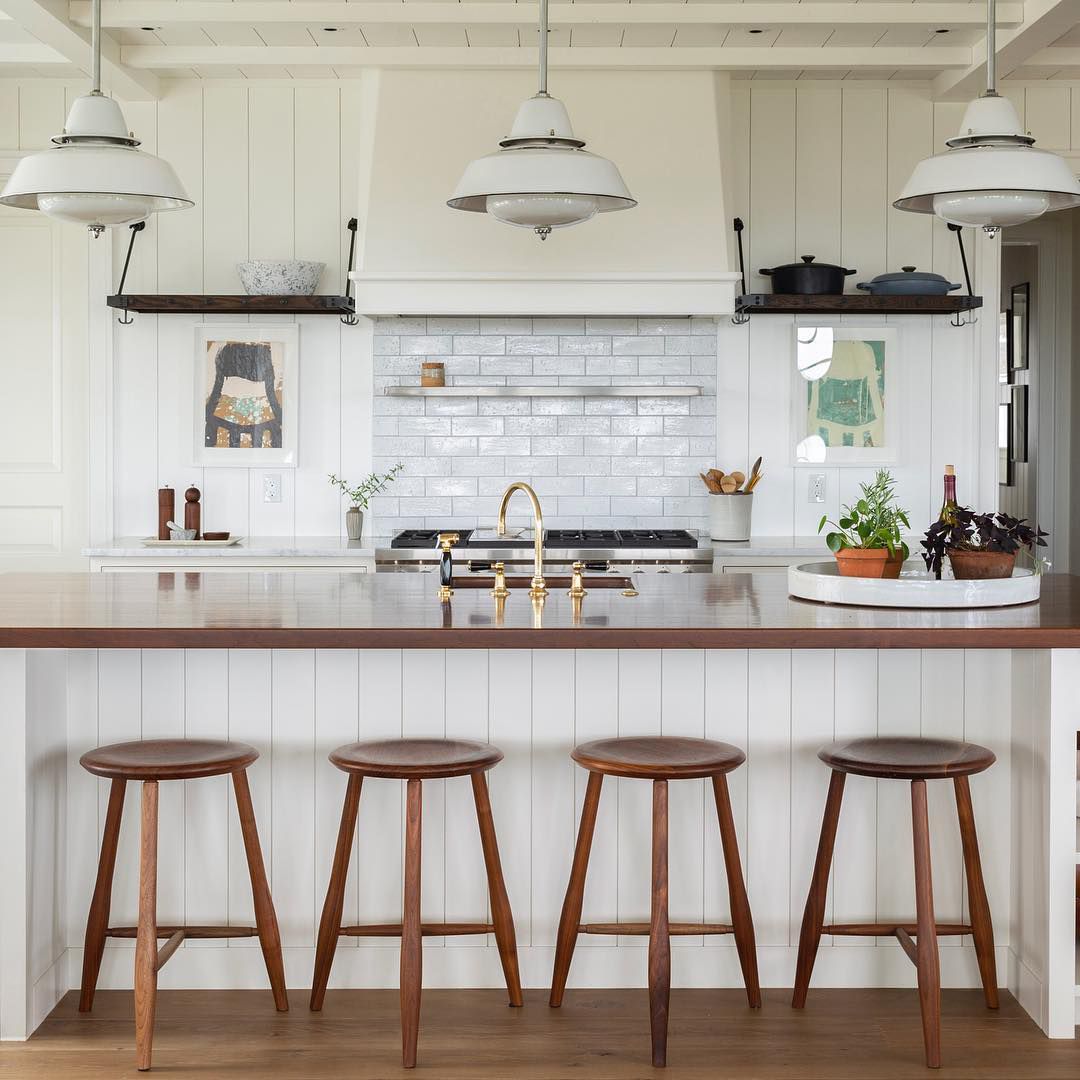
For most kitchen islands, two or three pendants often work best. An odd number (like three) can create a more dynamic, visually interesting arrangement. However, if you have a very long island, four evenly spaced pendants might be more appropriate. For smaller islands or peninsulas, a single, slightly larger pendant can be a stunning focal point.
Spacing Them Out
When using multiple pendants, aim for consistent spacing. A good starting point is to divide the length of your island by the number of pendants plus one. This gives you the ideal distance between each pendant and from the ends of the island. For instance, if your island is 6 feet long and you want two pendants, you’d divide 6 by 3 (2 pendants + 1), giving you 2 feet. So, place a pendant 2 feet from each end, leaving 2 feet in the middle. This creates a balanced and symmetrical look.
Installation Considerations
Even if you’re hiring an electrician, it’s helpful to understand the practical aspects of installing these fixtures. Knowing what’s involved can help you make informed decisions and communicate effectively with your professional.
Ceiling Height Matters
The height at which you hang your pendants is really important for both safety and aesthetics. Generally, the bottom of the pendant should be about 30-36 inches above the countertop or island surface. This allows for clear sightlines, prevents people from bumping their heads, and ensures the light is effective for task lighting without being too harsh in your eyes.
Wiring and Junction Boxes
If you’re replacing existing fixtures, you likely already have junction boxes in place. If not, or if you’re relocating lights, you’ll need new wiring and boxes installed. This is definitely a job for a qualified electrician, as it involves working with your home’s electrical system. They’ll ensure everything is up to code and safe.
Dimmer Switches are Your Friend
Seriously, if you don’t have dimmer switches in your kitchen, you’re missing out. A dimmer allows you to adjust the light intensity, which is incredibly useful. Bright light for food prep, softer light for a casual dinner, or just a gentle glow in the evening – a dimmer makes your glass bell pendants far more versatile and enjoyable.
Types of Glass and Finishes
The “glass bell” isn’t a monolith; there’s a surprisingly rich variety in both the glass itself and the metal finishes that hold it all together. These choices significantly impact the overall look and feel.
Clear Glass for Maximum Brightness
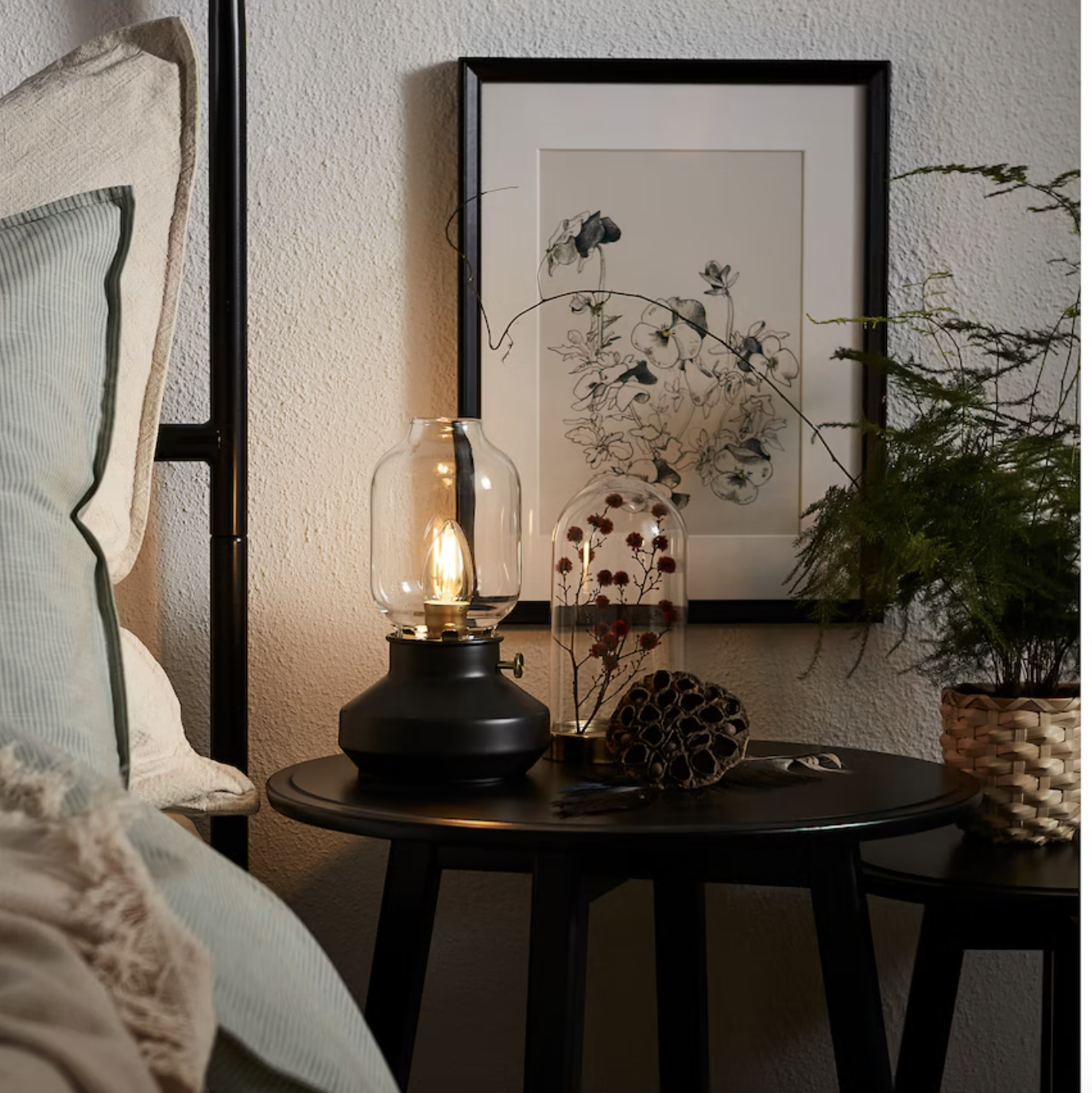
Clear glass is perhaps the most classic choice. It maximizes light output and creates a crisp, clean aesthetic. It also allows the light bulb itself to be visible, so choosing an attractive bulb (like an Edison-style LED) can become part of the design. Clear glass works well in almost any kitchen but is particularly suited for modern, minimalist, or industrial spaces.
Frosted or Seeded Glass for Softness
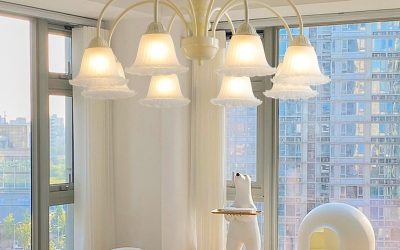
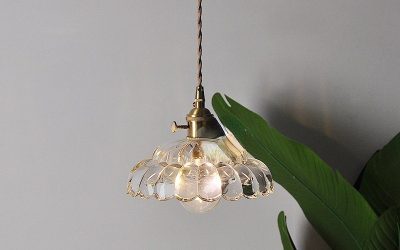
If you prefer a softer, diffused light, frosted or seeded glass is an excellent option. Frosted glass gently blurs the bulb, reducing glare and creating a more ambient glow. Seeded glass, with its tiny bubbles, adds a subtle texture and vintage charm, diffusing light while still offering a hint of the bulb within. Both are great for creating a cozier atmosphere.
Smoked or Colored Glass for a Statement
For a more dramatic or unique look, consider smoked or subtly colored glass. Smoked glass creates a moodier, sophisticated vibe, often seen in more contemporary or industrial designs. Tinted glass (think amber, grey, or even a very light blue-green) can add a pop of color and personality, but use it sparingly to avoid overwhelming the space.
Metal Finishes to Complement Your Decor
The metal components that hold the glass bell (the canopy, rod, and socket holder) are just as important as the glass itself.
- Matte Black: A popular choice for industrial, modern farmhouse, and contemporary kitchens. It provides a strong contrast and a bold statement.
- Brushed Brass/Gold: Adds warmth and a touch of elegance. Works beautifully in traditional, mid-century modern, and eclectic spaces.
- Polished Chrome/Nickel: A classic, clean look that complements modern, transitional, and even some traditional kitchens. It reflects light, adding to a brighter feel.
- Oil-Rubbed Bronze: Perfect for farmhouse, rustic, or traditional kitchens. It has a rich, deep finish that evokes a sense of age and warmth.
Lighting Beyond the Island
While typically seen over islands, glass bell pendants have other fantastic applications in the kitchen, helping to create a cohesive and well-lit space. Don’t limit their potential to just one spot!
Over Peninsulas and Breakfast Bars
If your kitchen features a peninsula rather than a full island, glass bell pendants are just as effective. They define the eating or prep area, providing essential task lighting and making the space feel more intentional. The same sizing and spacing rules generally apply here as they would for an island.
Highlighting a Sink Area
A single, well-placed glass bell pendant above your kitchen sink can be both practical and beautiful. It provides focused light for washing dishes or hands, and it can also serve as a stylish accent, drawing the eye to this often-used area. This is particularly effective if your sink is in front of a window, as the transparency of the glass won’t block the view.
Corner Nooks and Reading Spots
Does your kitchen have a cozy corner bench or a small seating area that could use a bit of extra light and charm? A smaller glass bell pendant, hung a little lower, can create an inviting atmosphere. It provides enough light for reading a cookbook or enjoying a cup of coffee, turning an unused corner into a delightful focal point.
Supplementing Overall Ambient Light
Even if you have plenty of recessed lighting, glass bell pendants can contribute to the overall ambient light of the kitchen. Their transparent design allows light to spread, subtly brightening the room without creating harsh shadows. When dimmed, they can provide a soft, welcoming glow that’s perfect for evening relaxation.
Maintenance and Bulb Choices
You’ve picked out the perfect lights, got them installed – now what? Keeping them looking good and choosing the right bulbs are the final steps to truly enhance your kitchen with glass bell pendants.
Keeping Them Sparkling
Glass gets dusty, and in a kitchen, it can also get greasy. Regular, gentle cleaning is key to keeping your pendants looking their best.
- Dusting: A quick wipe down with a microfiber cloth once a week or every couple of weeks will prevent dust buildup.
- Degreasing: For any greasy film, a spray of window cleaner (or a 50/50 mix of vinegar and water) on a microfiber cloth works wonders. Avoid spraying directly onto the electrical components. Wipe with a clean, dry cloth immediately to prevent streaks.
- Frequency: Aim for a thorough clean every month or so, depending on how much cooking you do and how much grease ends up in the air.
The Right Bulb for the Right Vibe
The light bulb you choose is incredibly important, especially with clear glass pendants where the bulb is visible.
- LED is Your Best Friend: Seriously, go LED. They are energy-efficient, long-lasting, and don’t produce much heat. Plus, the technology has advanced so much that you can get LEDs in almost any color temperature and style.
- Color Temperature (Kelvin): This is crucial for kitchen lighting.
- 2700K-3000K (Warm White): This is a soft, yellowish light, similar to traditional incandescent bulbs. It creates a cozy, inviting atmosphere, perfect for a traditional or farmhouse kitchen. It’s also great for dining spaces.
- 3500K-4000K (Cool White/Bright White): This is a more neutral, brighter light. It’s excellent for task lighting as it helps with visibility and alertness, making it ideal for food prep areas and modern kitchens. Avoid anything higher than 4000K for general kitchen use, as it can start to look sterile.
- Dimmable Bulbs: To truly make the most of your dimmer switch, ensure your chosen LED bulbs are specifically labeled as “dimmable.” Not all LEDs are.
- Filament/Edison Style Bulbs: If you have clear glass pendants and want a touch of vintage charm, consider LED filament bulbs. They mimic the look of old incandescent Edison bulbs but offer all the benefits of LED technology. They emit a warm glow and look fantastic even when turned off.
- Brightness (Lumens): Don’t focus solely on watts (which measure energy consumption) but on lumens (which measure brightness). For task lighting over an island, you’ll want sufficient lumens, but remember that multiple pendants will collectively provide illumination. You can always dim them down if they’re too bright.
By paying attention to these details, your glass bell pendant lights won’t just be a beautiful addition but a functional, well-maintained part of your enhanced kitchen for years to come.