







































































A well-lit exterior provides a measure of deterrence against unwanted visitors. Among the various outdoor lighting options, motion-activated porch lamps have become a prevalent choice. These fixtures offer a combination of convenience and security, illuminating an area when movement is detected.
Motion-activated porch lamps operate on a relatively straightforward principle. They incorporate sensors designed to detect changes in their immediate environment, triggering the light Yilop to switch on.
Passive Infrared (PIR) Sensors
PIR sensors are the most common type found in these devices. They detect heat emitted by objects, including people and animals.
How PIR Sensors Work
PIR sensors contain a specialized array of lenses and pyroelectric sensors. These sensors are sensitive to infrared radiation. When a warm body moves across the sensor’s field of view, it causes a change in the infrared energy detected, which the sensor interprets as motion.
Range and Angle of Detection
The range and angle at which a PIR sensor can detect movement vary significantly between models. Typical ranges can span from 10 feet to 70 feet. The detection angle often falls between 110 and 240 degrees, allowing for broad coverage of a porch or entryway. Factors like sensor quality, ambient temperature, and the size of the moving object influence detection capabilities.
Sensitivity Adjustments
Many motion-activated lamps allow users to adjust the sensitivity of the PIR sensor. This feature helps prevent false triggers from small animals or foliage swaying in the wind. A higher sensitivity setting means the sensor will detect smaller movements, while a lower setting requires more substantial motion to activate the light.
Microwave Sensors
Less common but increasingly present, microwave sensors offer an alternative to PIR technology.
Principle of Operation
Microwave sensors emit continuous microwave signals and then detect changes in the reflected signals. When an object moves within the detection zone, it alters the microwave frequency, which the sensor interprets as motion. This is known as the Doppler effect.
Advantages Over PIR
Microwave sensors can detect motion through non-metallic materials like glass, drywall, and even thin walls, offering a broader and often more consistent detection field than PIR. They are also less affected by temperature changes, making them potentially more reliable in extreme weather conditions.
Disadvantages of Microwave Sensors
The primary drawback of microwave sensors is their higher propensity for false triggers. Because they can detect motion through walls, they might be activated by movement inside a house or by cars passing on a street if not properly configured. They also tend to consume more power than PIR sensors.
Dual Technology Sensors
Some advanced motion-activated lamps combine both PIR and microwave technologies.
Enhanced Reliability
Dual technology sensors aim to mitigate the weaknesses of each individual technology. Typically, both sensors must detect motion simultaneously to trigger the light. This reduces the likelihood of false alarms while maintaining robust detection.
Applications
Dual technology sensors are often employed in areas where high reliability is paramount, such as commercial buildings or specific residential security applications where precise motion detection is critical.
Installation and Placement Considerations
Proper installation and strategic placement are crucial for the effective operation of a motion-activated porch lamp. Missteps in either can lead to inadequate coverage or frequent false activations.
Power Source Requirements
Most motion-activated porch lamps are hardwired into a home’s electrical system, requiring an available junction box.
Hardwired Installation
Hardwired units provide a continuous power supply and do not require battery replacements. This ensures consistent operation and eliminates the need for periodic maintenance. Installation generally involves connecting the lamp’s wires to existing electrical wiring according to local codes. If existing wiring is not present, an electrician may be required.
Solar-Powered Options
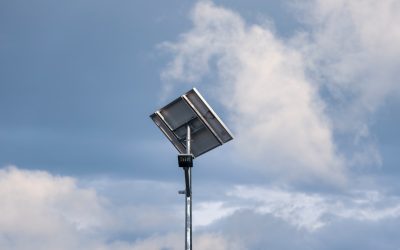
Solar-powered motion lamps offer an alternative where running electrical wires is impractical or undesirable. They harness sunlight during the day to charge an internal battery, powering the light after dark.
Solar Panel Efficiency
The effectiveness of solar-powered lamps depends on the efficiency of their solar panels and the amount of direct sunlight they receive. Shady locations or consistently overcast weather can diminish charging capacity, leading to reduced operating times or dimmer light output.
Battery Life and Replacement
Solar lamps rely on rechargeable batteries, typically lithium-ion or NiMH. The lifespan of these batteries varies, and they will eventually require replacement, usually every 1-3 years depending on usage and environmental factors.
Battery-Operated Units
Some motion-activated lights are entirely battery-operated, providing maximum flexibility in placement.
Ease of Installation
Battery-operated units are simple to install, often requiring only screws or adhesive. They do not need direct sunlight or electrical wiring, making them suitable for temporary lighting or areas without power access.
Battery Dependence
The primary disadvantage is the ongoing need to replace batteries, which can be inconvenient and costly over time. Battery performance can also degrade in cold temperatures, potentially affecting light output.
Optimal Mounting Height
The height at which a motion-activated lamp is mounted significantly impacts its detection range and efficacy.
General Guidelines
Manufacturers typically provide recommended mounting heights, often between 8 and 12 feet from the ground. Mounting too low can restrict the sensor’s field of view, while mounting too high can reduce its sensitivity to smaller movements, such as a person walking directly underneath.
Effect on Detection Zone
At the correct height, the sensor’s detection pattern forms a broad cone or fan shape. Incorrect height can create blind spots or cause the sensor to “overshoot” the intended detection area.
Avoiding False Triggers
False triggers occur when the motion sensor is activated by non-threatening sources, leading to unnecessary energy consumption and potential annoyance.
Proximity to Heat Sources
PIR sensors are susceptible to heat. Avoid placing lamps near air conditioner exhaust vents, furnaces, or large appliances that can emit heat, as these can cause unintended activations.
Foliage and Moving Objects
Overhanging tree branches, dense bushes, or objects like bird feeders that sway in the wind can trigger motion sensors, especially PIR types. Trimming foliage or repositioning the lamp can mitigate this issue.
Traffic and Pedestrian Pathways
If the porch lamp is located near a public sidewalk or street, passing vehicles or pedestrians can constantly activate the light. Adjusting the sensor’s angle or reducing its sensitivity can help limit detection to your private property.
Light Output and Functionality
Beyond motion detection, the light output and additional features of these lamps contribute to their overall effectiveness.
Brightness (Lumens)
The brightness of a motion-activated porch lamp is measured in lumens, which indicates the total amount of visible light emitted.
Adequate Illumination
For a standard porch or entryway, a light output of 700 to 1500 lumens is often sufficient to deter intruders and provide clear visibility. Brighter lights, such as those exceeding 2000 lumens, might be suitable for larger areas or where security is a paramount concern.
LED Technology
Most modern motion-activated lamps utilize LED (Light Emitting Diode) technology. LEDs offer high efficiency, long lifespan, and various color temperatures.
Energy Efficiency
LEDs consume significantly less power than traditional incandescent or halogen bulbs, resulting in lower electricity bills.
Lifespan
LED bulbs typically last for tens of thousands of hours, reducing the need for frequent bulb replacements.
Color Temperature
LED lights are available in various color temperatures, measured in Kelvin (K). Warmer temperatures (2700K-3000K) produce a yellowish light, often preferred for aesthetics. Cooler temperatures (4000K-5000K) emit a whiter or bluish light, which some find more effective for security purposes as it enhances contrast.
Timers and Duration Settings
Most motion-activated lamps include adjustable timers that control how long the light remains on after activation.
Customizable On-Time
Common duration settings range from a few seconds to several minutes, typically 30 seconds to 10 minutes. A shorter duration conserves energy, while a longer duration might be preferred for convenience if an individual needs more time to unlock a door or navigate steps.
Importance for Energy Saving
Adjusting the timer to the shortest practical duration ensures that the light is not unnecessarily on, leading to energy savings.
Dusk-to-Dawn Feature
Some motion-activated lamps incorporate a dusk-to-dawn sensor, often called a photocell.
Automatic Operation
This feature allows the light to automatically switch on at dusk and off at dawn, ensuring it only operates during hours of darkness. This prevents the motion sensor from activating during daylight hours when illumination is not needed.
Integration with Motion Control
In lamps with both dusk-to-dawn and motion-sensing capabilities, the motion sensor typically only becomes active after the dusk-to-dawn sensor detects darkness. This prevents the light from turning on unnecessarily during the day, even if motion is detected.
Enhancing Home Security
Motion-activated porch lamps play a role in a multi-layered home security strategy.
Deterrent Effect
The sudden illumination of an area when motion is detected can startle potential intruders, acting as a visual deterrent.
Psychological Impact
Many burglars prefer to operate under the cover of darkness. A sudden flood of light makes them more visible and increases their perceived risk of being caught. This psychological factor can be enough to make them retreat.
Visibility for Neighbors and Cameras
When the light is activated, it increases the visibility of the area, making it easier for neighbors to notice suspicious activity or for security cameras to capture clearer footage.
Preventing Accidents
Beyond security, these lamps improve safety after dark.
Illumination of Pathways
Automatically lighting up a dark porch, steps, or pathway helps residents and guests navigate safely, reducing the risk of trips and falls.
Keyhole and Doorway Visibility
The illumination makes it easier to locate keyholes, unlock doors, or manage packages in the dark.
Integration with Smart Home Systems
Modern motion-activated lamps can often be integrated into existing smart home ecosystems.
Remote Control and Monitoring
Through smart home hubs or apps, users can often remotely control the lamp, adjust settings, and receive notifications when motion is detected. This allows for increased awareness even when away from home.
Automation and Routines
Integration allows for the creation of automated routines. For example, the porch light could turn on at half brightness from dusk till dawn, then immediately switch to full brightness upon motion detection. It could also trigger other actions, such as internal lights turning on or a security camera beginning to record.
Maintenance and Troubleshooting
While generally robust, motion-activated porch lamps require occasional maintenance and troubleshooting to ensure consistent performance.
Regular Cleaning
Dust, dirt, spiderwebs, and insect nests can accumulate on the sensor lens, impeding its ability to detect motion accurately.
Sensor Lens Care
Gently wiping the sensor lens with a soft, damp cloth can often resolve issues related to reduced sensitivity or false triggers caused by obstructions. Avoid abrasive cleaners that could scratch the lens.
Bulb Replacement (if applicable)
While LEDs have long lifespans, some older models or less common types might use replaceable bulbs.
Accessing Bulb Compartment
Follow the manufacturer’s instructions for safely accessing the bulb compartment. Always ensure the power is off before attempting to replace a bulb.
Correct Bulb Type
Use the correct type and wattage of bulb to ensure proper operation and prevent damage to the fixture.
Addressing False Triggers
If a lamp is frequently activating without apparent cause, systematic troubleshooting can help identify the issue.
Adjusting Sensitivity and Duration
Start by adjusting the sensitivity setting downwards. If false triggers persist, try reducing the “on” duration.
Re-aiming the Sensor
Carefully adjust the angle of the sensor to reduce its field of view towards known culprits like trees, bushes, or busy pathways.
Inspect for Environmental Factors
Check for new heat sources, reflective surfaces, or objects that might have been introduced into the sensor’s detection zone since installation.
Power Fluctuations and Wiring Issues
Intermittent operation or complete failure can sometimes be attributed to power supply issues.
Checking Circuit Breakers
Ensure the circuit breaker supplying power to the lamp has not tripped.
Inspecting Wiring
If comfortable and knowledgeable, visually inspect the wiring connections within the lamp and at the junction box for any loose or corroded connections. If uncertain, consult a qualified electrician.
Professional Assistance
For persistent issues beyond basic troubleshooting, engaging a professional electrician is advisable to diagnose and repair more complex electrical or sensor malfunctions.
Motion-activated porch lamps offer improvements in home security and convenience. Understanding their technology, proper installation, and maintenance can ensure they serve their intended purpose effectively.