


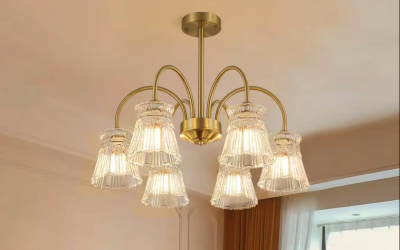

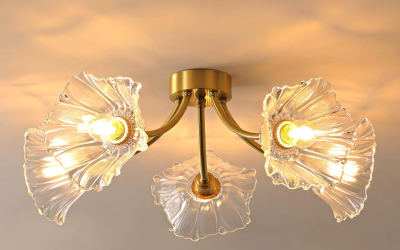







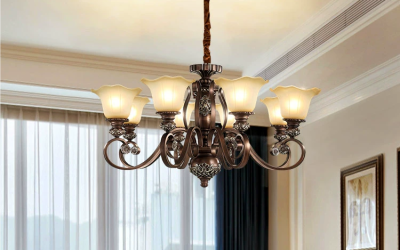














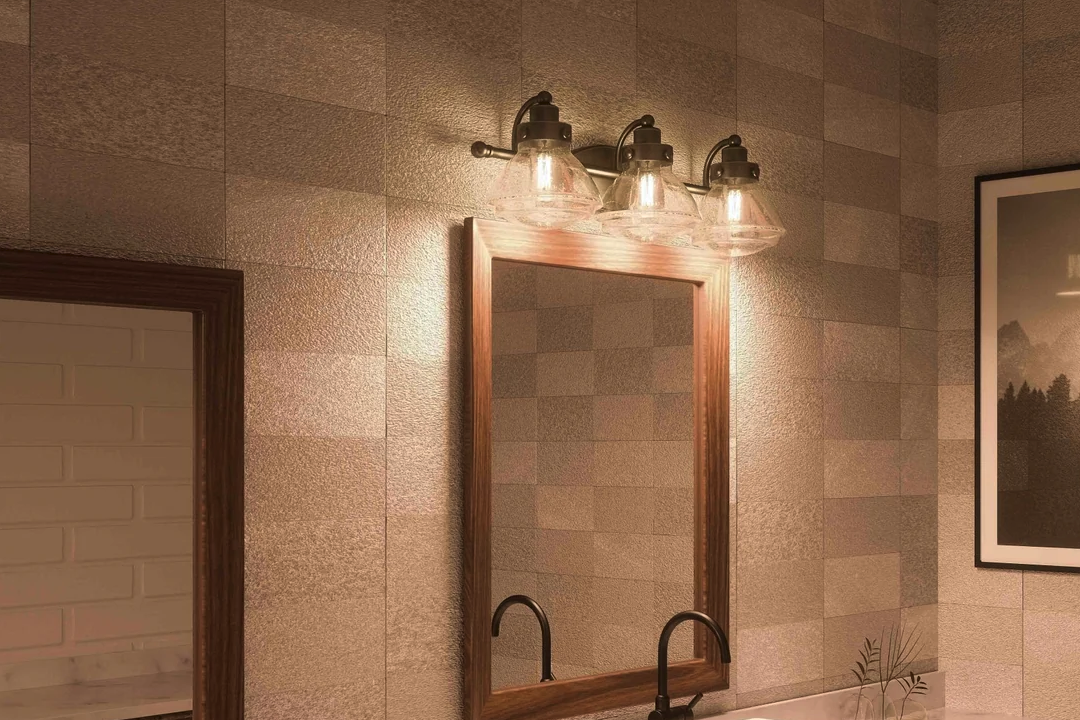
So, you’re thinking about sprucing up your bathroom vanity lights and have stumbled upon the “transitional seeded glass” kind. That’s a smart move. These lights offer a fantastic blend of classic style and modern appeal, making them a versatile choice for almost any bathroom. They’re not quite vintage, not quite ultra-contemporary, but hit that sweet spot that feels both timeless and fresh. You get a soft, diffused light thanks to the seeded glass, which is much easier on the eyes in the morning than harsh, glaring bulbs. Plus, that seeded texture adds a touch of visual interest without being over the top. It’s a practical upgrade that can genuinely change the feel of your bathroom, making it more inviting and functional.
Let’s break down what makes “transitional seeded glass” so special for your bathroom vanity. It’s really about hitting that middle ground in design.
The “Transitional” Aspect
Think of “transitional” as your design chameleon. It’s the style that takes the best elements from traditional and contemporary design and marries them together.
- Bridging Eras: Traditional designs often lean towards ornate details, classic shapes, and richer materials. Contemporary styles favor clean lines, minimalist aesthetics, and often more industrial or sleek materials. Transitional design takes cues from both, opting for simpler forms than traditional pieces but with a bit more warmth and character than purely modern ones.
- Versatility is Key: This is why transitional fixtures are so popular. They don’t demand a specific decor style. If your bathroom has some classic subway tiles and you’re leaning towards a modern floating vanity, a transitional light can tie it all together beautifully. It fits in without screaming for attention or clashing with existing elements.
- Focus on Functionality: While it has aesthetic appeal, transitional design also prioritizes practicality. This translates to fixtures that are well-made, offer good illumination (especially important for a vanity), and are easy to maintain.
The “Seeded Glass” Element
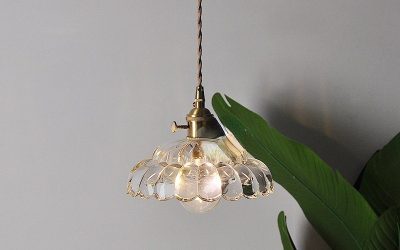
Now, the “seeded” part refers to the unique texture of the glass itself. It’s not just smooth and clear.
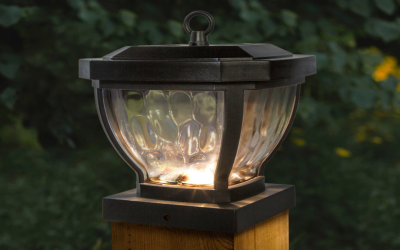
- What are the “Seeds”? These aren’t actual seeds, of course. They’re tiny air bubbles intentionally trapped within the glass during the manufacturing process. This is often achieved by adding a small amount of carbon to the molten glass, which releases gas and creates these small, irregular bubbles as it cools.
- The Visual Effect: The bubbles scatter light in a subtle, pleasing way. Instead of a direct, harsh beam, the light is diffused, creating a softer, warmer glow. This is incredibly beneficial for a bathroom vanity, where you need good light for grooming but don’t want to feel like you’re under a spotlight.
- Adding Depth and Interest: The seeded texture also adds a layer of visual depth and a touch of artisanal charm. It’s a subtle detail that elevates the fixture beyond a simple glass shade. It can mimic the look of antique glass without the fragility or extreme cost.
- Hiding Imperfections: On a practical note, the seeded texture can also help mask minor imperfections or dust on the glass itself, making it a bit more forgiving in terms of regular cleaning compared to perfectly clear glass.
Combining the Two: The Perfect Harmony
When you put transitional style and seeded glass together, you get a fixture that’s:
- Understated Elegance: It’s refined without being fussy. The seeded glass adds a touch of organic texture, while the transitional design ensures a clean silhouette.
- Warm Illumination: The diffused light Xyzlightings is perfect for applying makeup, shaving, or just generally improving the ambiance of your bathroom.
- Adaptable to Your Space: Whether your bathroom is leaning more traditional with clawfoot tubs, or more modern with clean-lined cabinetry, a transitional seeded glass light will likely fit right in.
Why Seeded Glass Lights Are a Smart Choice for Bathrooms
Bathrooms are functional spaces, but they’re also places where we want to feel relaxed and put together. The right lighting plays a huge role in achieving both. Seeded glass vanity lights offer specific benefits that make them a particularly good fit.
Softening the Glare for a Better Experience
Let’s be honest, harsh lighting in the bathroom is the enemy of a good morning routine.
- Morning Light Blues: Waking up and being hit with a blinding light can be jarring. Seeded glass diffuses that direct beam, making the light much gentler on your eyes as you start your day.
- Reducing Harsh Shadows: Direct, unshaded bulbs can cast strong, unflattering shadows on your face, making tasks like applying makeup or shaving more difficult and less precise. The diffusion from seeded glass minimizes these harsh shadows.
- Creating a Soothing Atmosphere: Evenings or after a long day, you want your bathroom to be a place of calm. The softer light cast by seeded glass contributes to a more relaxing and spa-like ambiance, rather than a sterile, clinical feel.
Enhancing the Aesthetic Without Being Overbearing
The visual appeal of seeded glass goes beyond just the light it emits.
- Subtle Texture and Character: The tiny bubbles give the glass a tactile and visual quality that’s more interesting than plain smooth glass. It adds a unique character to the fixture without being too loud or distracting.
- Mimicking Vintage Charm: For those who love the look of antique glass but don’t want the fuss or expense, seeded glass offers a fantastic approximation. It brings a sense of history and craftsmanship into your bathroom.
- A Touch of “Handcrafted” Feel: Even in mass-produced fixtures, seeded glass can give the impression of a more artisanal, handcrafted element, adding a layer of sophistication to your bathroom’s decor.
Practicality and Maintenance
Beyond the looks and light quality, seeded glass fixtures are often a sensible choice for everyday living.
- Forgiving with Dust and Smudges: While you’ll still need to clean them, the texture of seeded glass can be more forgiving when it comes to showing minor dust or fingerprints compared to perfectly clear, smooth glass. This means they might look good for a little longer between deep cleans.
- Durable Construction: Transitional fixtures, in general, are designed with longevity in mind. They are typically made from robust materials like metal for the housing and are designed to be securely mounted.
- Easy to Clean Surfaces: Most seeded glass shades are relatively easy to wipe down with a damp cloth and a mild cleaner. Again, the texture can help camouflage water spots while they’re drying.
Design Styles That Pair Well with Transitional Seeded Glass Lights
The beauty of transitional design, especially with the added texture of seeded glass, is its incredible adaptability. It doesn’t lock you into one specific aesthetic.
Classic and Traditional Bathrooms
For those who love the timeless charm of traditional bathrooms, transitional seeded glass lights can feel like a natural extension.
- Complementing Timeless Elements: If your bathroom features classic subway tiles, a pedestal sink, or a clawfoot tub, transitional fixtures can bridge the gap between historical elements and modern updates. They provide a touch of vintage appeal without being overly ornate.
- Adding Softness to Richer Materials: Traditional bathrooms often incorporate darker woods, marble, or brass accents. The soft glow from seeded glass can bring a welcome warmth and break up richer, heavier materials, preventing the space from feeling too somber.
- Maintaining a Cohesive Look: Instead of jarringly modern fixtures, transitional lights maintain a sense of continuity, respecting the original design intent of a classic bathroom while incorporating updated lighting.
Modern Farmhouse and Rustic Bathrooms
This popular style effortlessly welcomes the character and warmth that transitional seeded glass provides.
- Embracing Textured Elements: Farmhouse and rustic styles celebrate natural textures and a slightly lived-in feel. The inherent texture of seeded glass aligns perfectly with this aesthetic, adding depth and visual interest.
- Balancing Clean Lines with Warmth: Modern farmhouse often combines the simplicity of modern design with the coziness of rustic elements. Transitional seeded glass lights bring a touch of warmth and detail that balances the cleaner lines often found in these bathrooms.
- Evoking a Sense of Comfort: The diffused, inviting light from seeded glass fixtures enhances the welcoming and comfortable atmosphere that is central to the farmhouse aesthetic.
Contemporary Bathrooms Seeking Organic Touches
Even in a sleek, minimalist contemporary bathroom, transitional seeded glass can add a much-needed element of surprise and warmth.
- Breaking Monotony: If your contemporary bathroom relies heavily on straight lines, neutral colors, and smooth surfaces, seeded glass can introduce organic texture and visual intrigue, preventing the space from feeling too sterile or predictable.
- Adding a Subtle “Wow” Factor: The unique bubbling within the glass provides a subtle yet captivating detail that can elevate a contemporary design from functional to fashionable. It’s a way to add personality without veering into overly decorative territory.
- Softening Harsh Materials: In contemporary bathrooms often featuring concrete, metal, or high-gloss finishes, the softer, diffused light and textured glass can create a more inviting and comfortable environment.
Eclectic Bathrooms
For those who love to mix and match styles, transitional seeded glass lights are a dream come true.
- The Ultimate Connector: Transitional pieces are designed to be compatible with a wide range of styles. This makes them ideal for eclectic bathrooms where you might have a vintage mirror, a modern sink, and a mix of decorative elements.
- Adding Depth and Interest: The seeded glass provides a visual texture that can stand up to and complement other varied elements in an eclectic design without dominating the space.
- Anchoring a Mix-and-Match Approach: A well-chosen transitional fixture can act as an anchor, bringing a sense of cohesion to a room filled with diverse pieces, preventing it from feeling chaotic.
Installation Considerations: Making the Switch Smoothly
Upgrading your vanity lights is often a straightforward DIY project, but a few things are worth keeping in mind to ensure it goes off without a hitch.
Safety First: Always Work De-Energized
This is non-negotiable. Electricity is not something to be casual about.
- Locate Your Circuit Breaker: Find the breaker that controls your bathroom lights and switch it off. It’s good practice to then flip the light switch in the bathroom itself to double-check that the power is indeed off.
- Consider a Voltage Tester: If you’re not entirely confident or want an extra layer of security, a non-contact voltage tester is a handy tool to ensure the wires are dead before you touch them.
- Work in Good Light: Ironically, you need good light to work on your lights! Use a flashlight or headlamp if the room is dark after you’ve turned off the breaker.
Mounting and Wiring: The Core Steps
Most vanity lights are designed for relatively standard installations.
- Remove the Old Fixture: This usually involves unscrewing mounting screws, disconnecting wires (typically black to black, white to white, and ground to ground), and carefully detaching the old fixture. Keep track of any mounting hardware that might be reusable.
- Install the New Mounting Bracket: Your new transitional seeded glass light will come with a mounting bracket. Align this bracket with the electrical box in your wall and secure it using the provided screws.
- Connect the Wires: Following the instructions that come with your new fixture is crucial here. Generally, you’ll connect the fixture’s wires to the corresponding wires from the electrical box. Ensure connections are secure with wire nuts.
- Attach the Fixture and Shades: Carefully tuck the wires back into the electrical box. Then, attach the main body of the new fixture to the mounting bracket according to the manufacturer’s instructions. Finally, install the seeded glass shades. Be gentle with the glass during this step.
Types of Fixtures and Their Mounting
Vanity lights come in various configurations, and understanding these can help with installation.
- Up-facing vs. Down-facing: Decide whether you want the light to shine upwards or downwards from the vanity. Some fixtures are specifically designed for one orientation, while others can be mounted either way. Consider the diffusion of the seeded glass and how you want the light to spread. Up-facing lights can bounce ambient light off the ceiling, creating a softer overall room light, while down-facing lights can provide more direct task lighting over the sink.
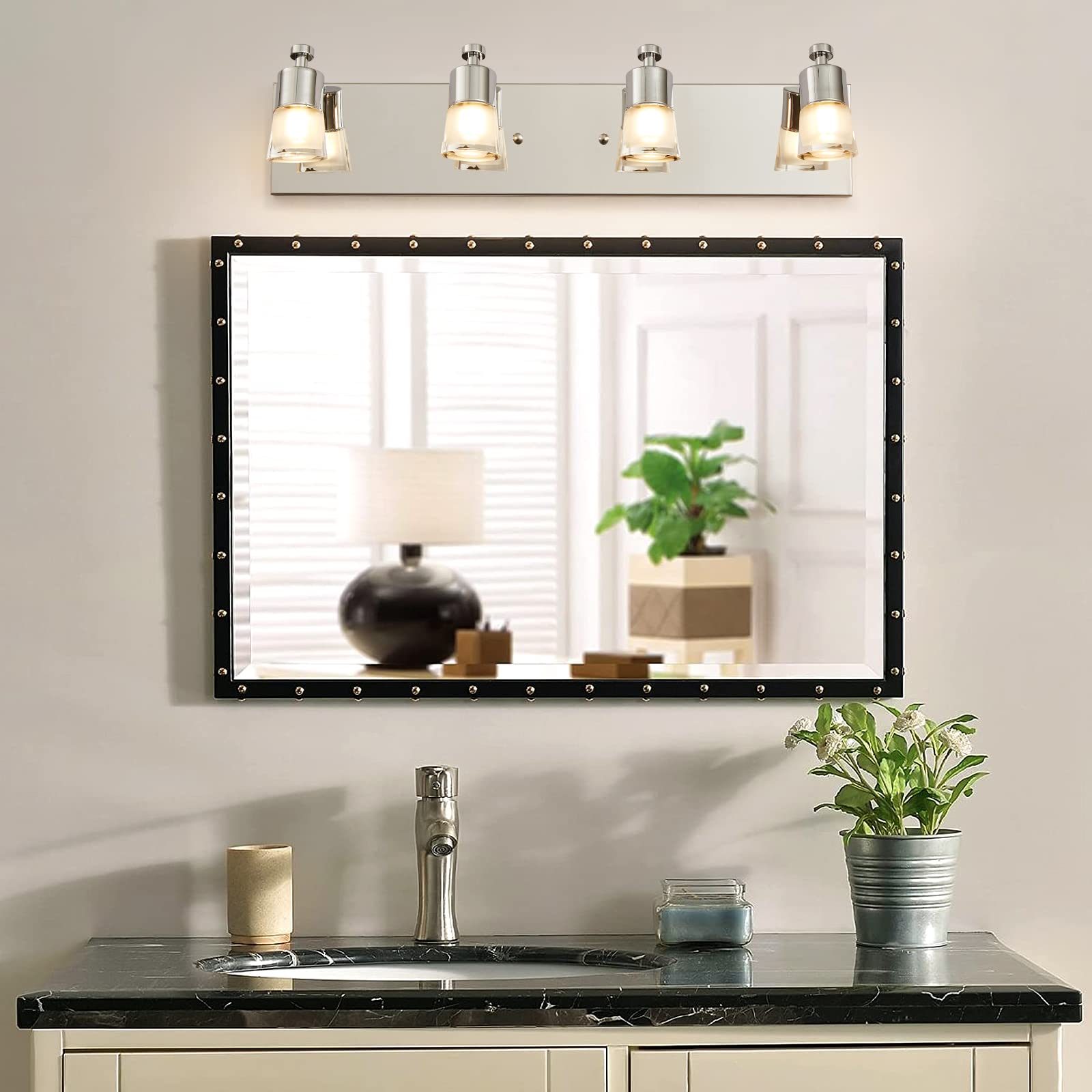
- Number of Bulbs: Vanity lights typically have 2, 3, or 4 bulbs. This will affect the overall brightness and the physical size of the fixture. Ensure the size of the fixture is proportionate to your vanity and mirror.
- Arm Styles: Transitional lights often feature arms that extend from a central plate. These can vary in length and style, from simple straight arms to gently curved ones. Make sure the arm length won’t obstruct your mirror or create too much shadow.
Important Additions to Consider
A few extra steps can make a big difference.
- Check for Proper Grounding: Ensure the fixture is properly grounded. This is a critical safety feature. Most fixtures will have a green or bare copper wire for grounding.
- Seal Around the Base (Optional but Recommended): For a clean look and to prevent dust from getting behind the fixture, you can apply a thin bead of paintable caulk around the edge where the fixture meets the wall. Wipe away any excess immediately.
- Consider Bulb Type and Wattage: Use the recommended bulb type and wattage for your fixture. LED bulbs are a great energy-efficient option and come in various color temperatures to suit your preference. A warmer Kelvin temperature (around 2700K-3000K) often works well for bathrooms for a more relaxing feel.
Maximizing Style and Function with Your New Lights
Once your transitional seeded glass vanity lights are installed, it’s time to think about how they truly enhance your bathroom beyond just providing illumination.
The Art of Bulb Selection
The bulb is more than just a light source; it’s a key component in achieving the desired ambiance.
- Color Temperature Matters: As mentioned, Kelvin (K) is the unit for color temperature.
- Warm White (2700K-3000K): This is the most common choice for bathrooms, offering a cozy, inviting glow that’s very similar to incandescent bulbs. It’s great for relaxation and creates flattering light.
- Cool White or Daylight (4000K+): While some prefer this for a very bright, alert feel, it can sometimes feel a bit too sterile or harsh in a bathroom setting, especially with evening use. Use with caution.
- Brightness (Lumens): Lumens measure the total amount of light produced. For a vanity, you want sufficient brightness for tasks. For a 2-3 bulb fixture, aim for a combined output that feels comfortable for grooming. LED bulbs often provide excellent brightness while consuming less energy.
- Form Factor: Consider the shape of the bulb. Standard A19 bulbs are common, but some fixtures might accommodate smaller torpedo or globe-shaped bulbs. Within the seeded glass, a slightly decorative bulb with a visible filament (if using an LED version designed to mimic this) can add another layer of visual interest.
- Dimmability: If your light switch is a dimmer, ensure your bulbs are also rated as dimmable. This gives you ultimate control over the mood and brightness of your bathroom.
Complementary Hardware and Finishes
Your new lights should harmonize with the rest of your bathroom’s hardware.
- Matching Metals: If your faucet is brushed nickel, look for a fixture with a similar brushed nickel or satin nickel finish. If you have oil-rubbed bronze, opt for that. While a perfect match isn’t always necessary, a cohesive metal finish can tie the room together beautifully.
- Contrasting for Impact: Sometimes, a contrasting metal can create a stylish statement. For example, a matte black fixture could pop against chrome faucets, or a warm brass finish could add a touch of glamour to a grey and white bathroom.
- Consider the Style of Other Fixtures: Think about your cabinet hardware, towel bars, and even the frame of your mirror. Your vanity lights are a significant visual element, so ensure they feel like part of the overall design scheme.
Mirror Magic: The Synergy with Your Reflection
The mirror you place above your vanity is intimately linked to your vanity lights.
- Size and Shape Harmony: Ensure the size and shape of your mirror complement the scale and style of your new light fixture. A very large, ornate mirror might overwhelm a delicate light, and vice versa.
- Framed vs. Frameless: A framed mirror can add another element of style that should coordinate with your lighting and hardware. Frameless mirrors offer a cleaner, more minimalist look that often pairs well with transitional designs.
- The Reflection Effect: The seeded glass itself will be reflected in your mirror. This can create a beautiful, repeating pattern of texture and light, enhancing the overall visual appeal of the vanity area.
Beyond the Obvious: Creating Layers of Light
While the vanity light is primary, think about how it works with other bathroom lighting.
- Ambient Lighting: If you have overhead ceiling lights, consider how their brightness and color temperature compare to your vanity lights. You might want to be able to dim the ceiling lights when the vanity lights are on to create a more intimate atmosphere.
- Accent Lighting: Consider if any subtle accent lighting could enhance your bathroom. This could be small LED strips under a counter or in a niche. These are typically much dimmer and more focused than vanity lights.
- Task vs. Mood: Your vanity lights are primarily for task lighting, but by selecting the right bulbs and potentially a dimmer, they can also contribute significantly to the mood of your bathroom.
By considering these points, your transitional seeded glass vanity lights will become more than just fixtures; they’ll be integral components that elevate the style, functionality, and overall experience of your bathroom.