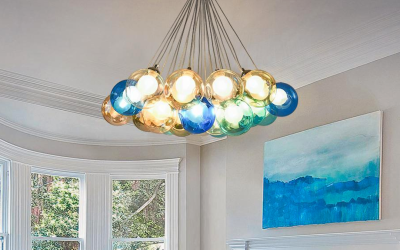


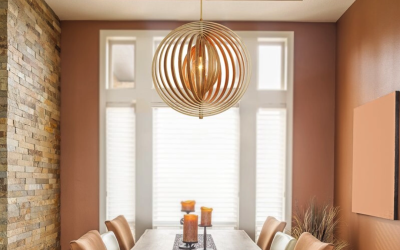
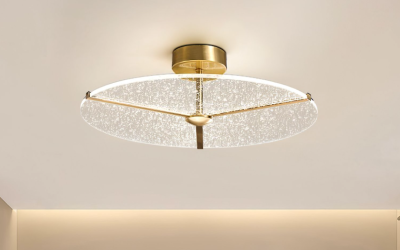
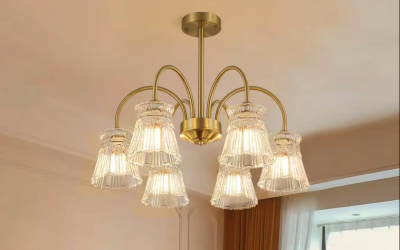

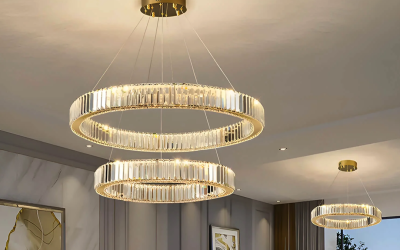
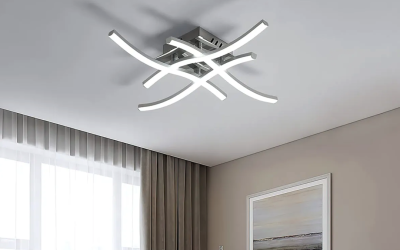
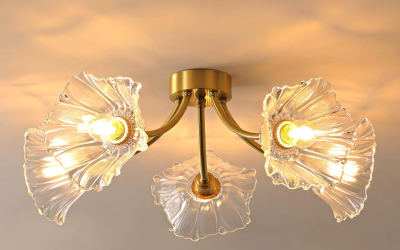
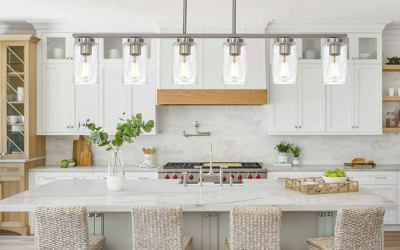
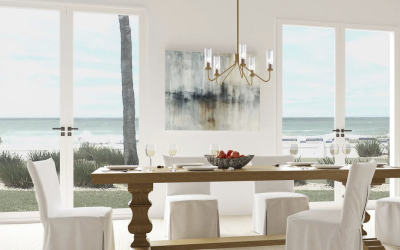
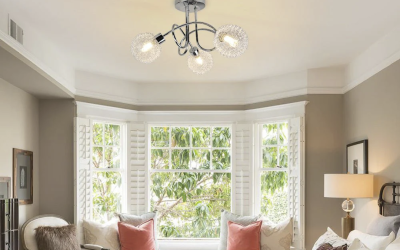




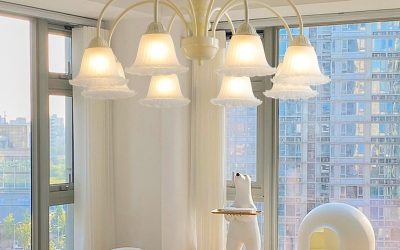
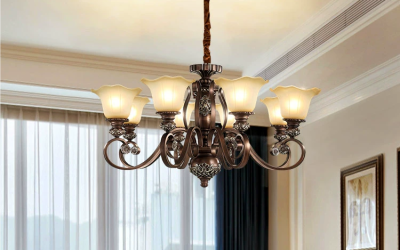
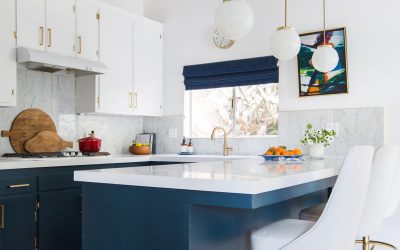


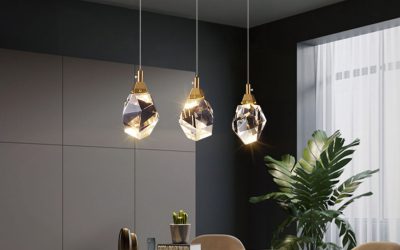
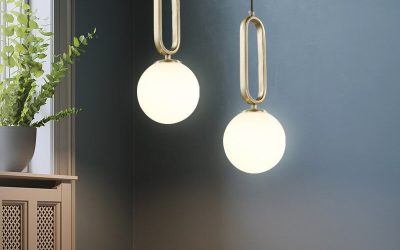
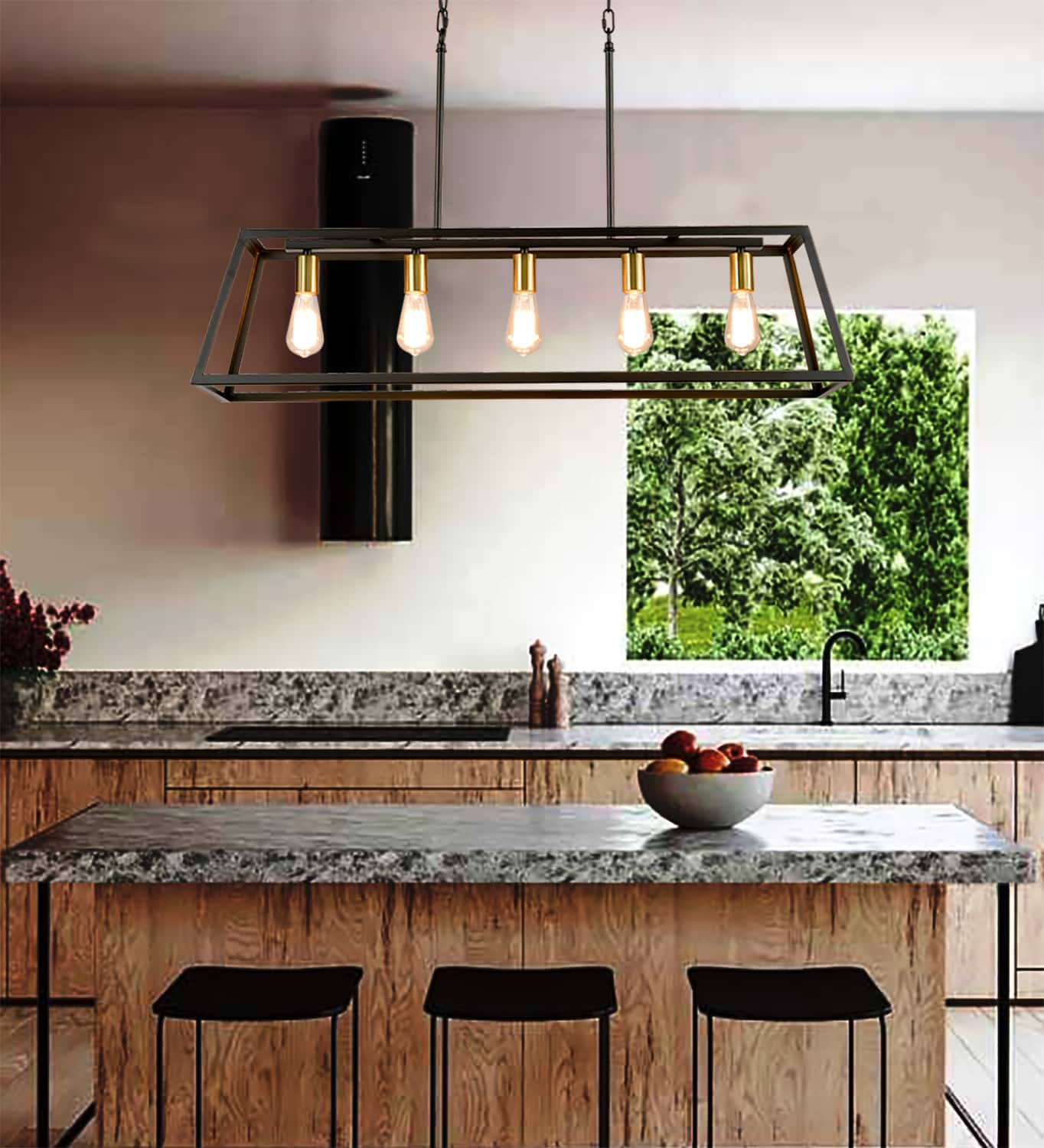






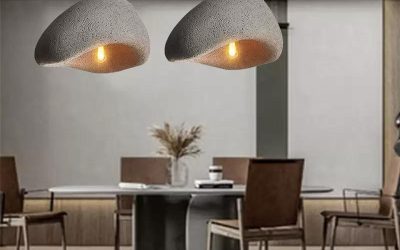

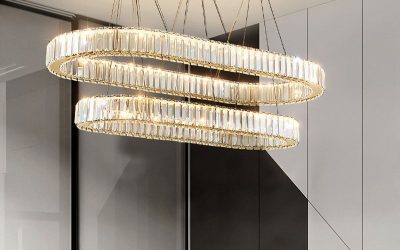
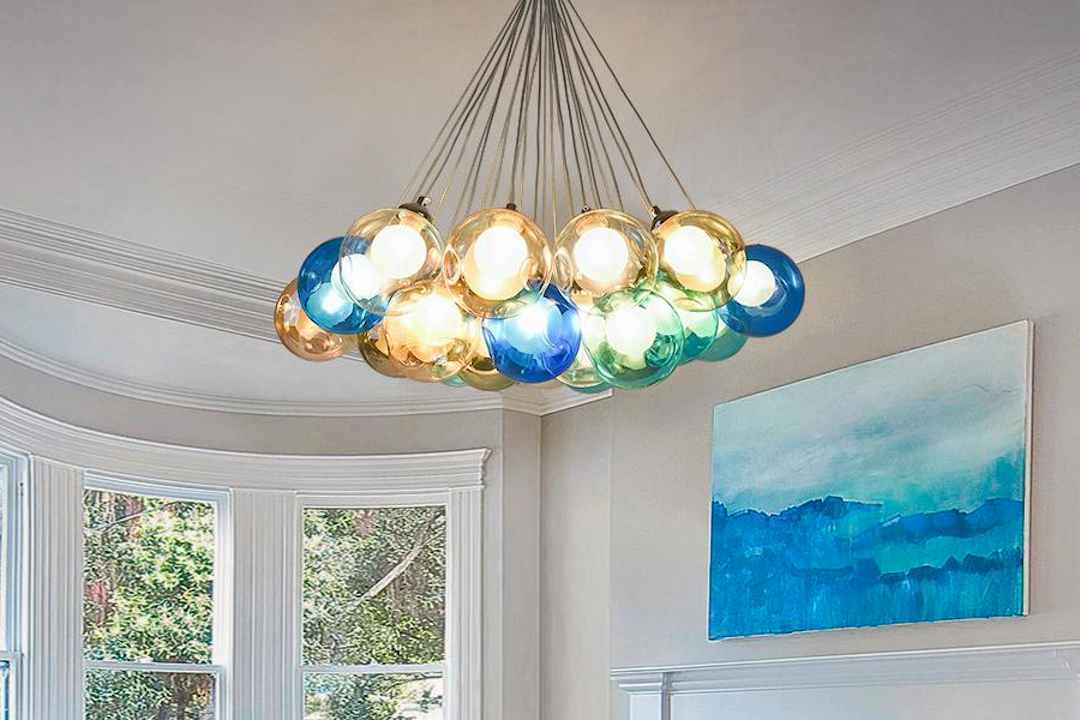
Thinking about upgrading your dining space with a touch of modern flair? A multi-light bubble glass chandelier can be a fantastic centerpiece. These aren’t your grandma’s crystal fixtures; they’re designed with a contemporary aesthetic, blending unique design with practical illumination to create a truly striking focal point above your dining table.
Ditching the Traditional: Why Go Bubble Glass?
Traditional chandeliers Jopoke often lean towards ornate, intricate designs. While beautiful in their own right, they don’t always mesh with modern interiors. Bubble glass, on the other hand, offers a lighter, more sculptural feel. It’s about combining light and form in a fresh way.
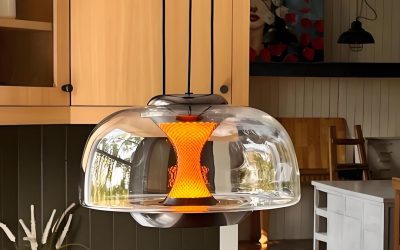
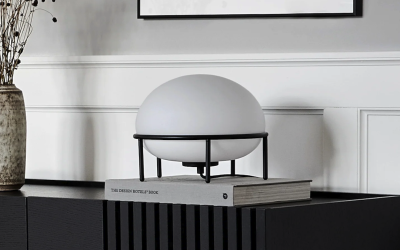
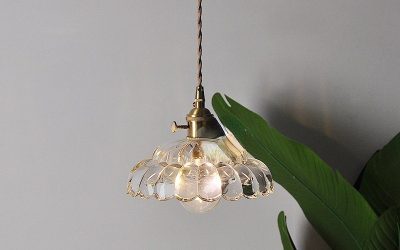
The “bubble” effect, whether it’s embedded within solid glass globes or created by the texture of the glass itself, adds a playful yet sophisticated element. It refracts light in interesting patterns, creating a dynamic visual experience that can transform the whole ambiance of your dining area.
When you picture a modern dining room, you often imagine clean lines, open spaces, and thoughtful accents. A bubble glass chandelier fits right into this vision, offering both exceptional lighting and a significant artistic statement. It’s about more than just shedding light; it’s about casting a mood.
A Nod to Mid-Century Modern and Beyond
Many bubble glass designs draw inspiration from mid-century modern aesthetics, particularly the use of spherical forms and clean, unadorned materials. Think Sputnik chandeliers but with a softer, more organic touch due to the glass. However, the versatility of bubble glass allows it to transcend specific eras.
Blending with Various Decor Styles
- Minimalist: The simplicity of form and transparency of the glass can complement a minimalist design, adding visual interest without clutter.
- Contemporary: This is its natural home. The innovative use of materials and geometric or organic shapes aligns perfectly with contemporary interiors.
- Industrial Chic: When combined with black or brushed metal finishes, bubble glass can add a touch of refined industrialism.
- Eclectic: In an eclectic space, a bubble glass chandelier can serve as a modern anchor, contrasting with antique or bohemian elements.
The Play of Light and Shadow
The inherent quality of bubble glass is its ability to interact uniquely with light. The embedded bubbles, or the textured surface, act like tiny prisms, dispersing light in scattered patterns. This isn’t just about brightness; it’s about creating an atmosphere.
Diffused vs. Directed Light
Unlike a traditional fixture with exposed bulbs, bubble glass often diffuses the light, creating a softer, more ambient glow. This is ideal for a dining setting where you want conversations to flow easily and faces to be lit warmly without harsh glare. However, some designs incorporate clear glass segments alongside the bubbly ones, offering a mix of diffused and more direct illumination for tasks like plating food.
Creating Visual Interest
The way light passes through and reflects off the bubbles adds texture and depth to the room. It can cast interesting shadows on the ceiling and walls, making the dining area feel more dynamic and less static. It’s an artistic element in itself.
Practical Considerations for Your Dining Space
Beyond its captivating looks, a dining chandelier needs to be functional. Modern bubble glass fixtures are designed with both aesthetics and practicality in mind, ensuring they not only look good but also serve their primary purpose: illuminating your meals and gatherings.
Sizing and Scale: Getting it Right
One of the most common mistakes people make with chandeliers is choosing the wrong size. Too small, and it feels insignificant; too large, and it overwhelms the space. For a dining room, there are a few rules of thumb.
The Diameter Rule
- For rectangular tables: A good starting point is a chandelier whose diameter (or width, for linear designs) is approximately one-half to two-thirds the width of your dining table. This ensures the fixture feels substantial without extending beyond the table’s edges, preventing head bumps.
- For round tables: The diameter should be about half the table’s diameter.
Ceiling Height Matters
The height of your ceiling also plays a crucial role. In general, the bottom of the chandelier should hang approximately 30-36 inches (76-91 cm) above the dining table. For higher ceilings (over 8 feet), you might want to add 3 inches (7.6 cm) for every additional foot of ceiling height to maintain scale.
Illumination Needs: More Than Just Brightness
A dining chandelier’s job isn’t just to make the room bright. It’s about setting the mood, ensuring food looks appealing, and allowing for comfortable conversation.
Lumens and Wattage Equivalents
- General Dining: For ambient lighting over a dining table, you’ll generally want a total lumen output of around 2000-4000 lumens, depending on room size and other light sources. If the fixture uses LED bulbs, check the lumen output for clarity.
- Dimmability: This is a crucial feature for dining. Being able to dim the lights from bright for children’s homework to soft for a romantic dinner provides immense flexibility. Look for fixtures that are dimmer-compatible and use dimmable bulbs.
Bulb Choices and Color Temperature
- LEDs: Most modern fixtures use or are compatible with LED bulbs. They’re energy-efficient, long-lasting, and offer various color temperatures.
- Color Temperature (Kelvin):
- Warm White (2700K-3000K): Creates a cozy, inviting atmosphere, perfect for dining.
- Neutral White (3500K-4000K): Brighter and more energetic, sometimes preferred in contemporary spaces, but can feel a bit sterile for dining if not mixed with warmer tones.
- Avoid anything above 4000K for dining as it can appear harsh and clinical.
Installation and Maintenance
While often a task for a professional electrician, understanding the basics of installation and long-term care can save headaches.
Wiring Requirements
Most multi-light chandeliers connect to standard household wiring. However, if you’re upgrading from a single pendant or recessed light, you might need to ensure your electrical box is rated for the chandelier’s weight. Heavier fixtures often require additional ceiling reinforcement.
Cleaning and Care
Bubble glass, while beautiful, does show dust and fingerprints. Regular, gentle cleaning is key to maintaining its sparkle.
- Dusting: A microfiber cloth or static duster can effectively remove surface dust.
- Wiping: For fingerprints or more stubborn marks, use a soft, lint-free cloth dampened with a mild glass cleaner or a mixture of water and a tiny bit of dish soap. Avoid harsh chemicals that could damage metal finishes or the glass itself.
- Safety First: Always turn off the power at the breaker before cleaning any light fixture.
Varieties of Bubble Glass Chandeliers
The term “bubble glass” covers a surprisingly wide range of designs. From carefully crafted individual spheres to more organic clusters, there’s a style to suit virtually any modern dining room.
Individual Spheres: Structured Elegance
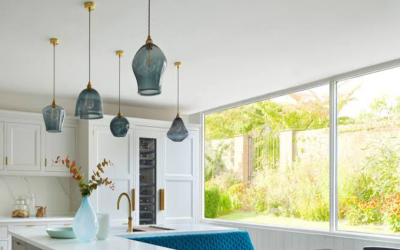
Many designs feature individual glass spheres, each often containing the ‘bubble’ effect, meticulously arranged on a frame. This approach tends to be more structured and architectural.
Symmetrical Arrangements
These chandeliers often have globes arranged in clean lines or perfectly spaced clusters. They create a sense of order and precision, making them ideal for more formal modern dining areas or spaces with strong geometric elements. Think linear arrangements over long rectangular tables or circular patterns for round tables.
Asymmetrical Designs
In contrast, some designs deliberately embrace asymmetry, with spheres appearing to float at varying heights or in seemingly random, yet balanced, configurations. This can lend a more artistic, sculptural feel, breaking away from rigid patterns and adding a dynamic visual flow.
Organic Clusters: Artistic and Whimsical
Emulating natural forms, these chandeliers often feature glass elements that appear to ‘bubble up’ or cluster together in a more fluid, less rigid fashion.
Blown Glass Techniques
Artisanal blown glass techniques are often employed here, creating unique imperfections and variations in each piece, which are then assembled into a cohesive fixture. This approach can lead to truly one-of-a-kind pieces that feel more like art installations than simple lighting.
Nature-Inspired Forms
Some designers draw inspiration from natural elements, such as bubbles in water or dew drops on a spiderweb, leading to forms that are soft, flowing, and almost ethereal. These can bring a touch of organic beauty into an otherwise stark modern space.
Linear vs. Round: Matching Your Table
The shape of your dining table is a primary factor in deciding the shape of your chandelier.
Linear Chandelier for Rectangular Tables
For long, rectangular dining tables or kitchen islands, a linear bubble glass chandelier is often the most suitable choice. It distributes light evenly across the length of the table and complements the table’s form. These often feature multiple globes suspended from a single, elongated canopy.
Round or Sputnik-Style for Round Tables
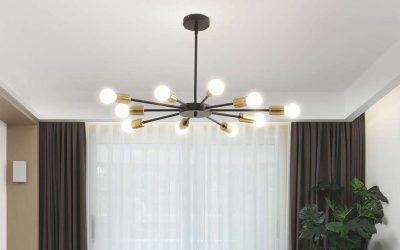
Round dining tables pair wonderfully with round or Sputnik-style chandeliers. These fixtures radiate light outward symmetrically, creating a central focal point above the table. The “Sputnik” style, with arms extending in various directions, is particularly common in bubble glass designs, offering a bold statement.
Pairing and Integration: Completing the Look
A chandelier doesn’t exist in a vacuum. Its impact is amplified when it harmonizes with the rest of your dining room’s design elements. Thinking about how it integrates with your furniture, wall colors, and other lighting will help create a cohesive and inviting space.
Furniture Harmony: Wood, Metal, and Glass
The materials and style of your dining table and chairs are key.
Complementing Wood Tones
If your dining table is made of warm wood (like oak, walnut, or teak), a bubble glass chandelier with brass, gold, or bronze accents can create a rich, inviting contrast. For cooler-toned woods or lighter finishes, chrome or matte black hardware on the chandelier might be a better fit, maintaining a crisp aesthetic.
Modern Metal Accents
Many modern dining sets feature metal legs or accents. Matching the chandelier’s metal finish (e.g., brushed nickel, matte black, polished chrome) to these existing elements can create a streamlined, sophisticated look.
Wall Colors and Textures
The color and texture of your dining room walls will influence how the chandelier’s light is perceived.
Light Reflectivity
- Lighter Walls (White, Cream, Pale Gray): These will reflect more light, amplifying the chandelier’s glow and making the room feel brighter and more expansive. The subtle patterns from the bubble glass will be more apparent.
- Darker Walls (Deep Blue, Forest Green, Charcoal): These will absorb more light, creating a cozier, more intimate atmosphere. The chandelier will stand out more dramatically as a source of light and visual interest.
Textured Walls
If you have textured wallpaper, exposed brick, or paneling, the refracted light from the bubble glass can play beautifully off these surfaces, highlighting their depth and character.
Layering Lighting: Beyond the Chandelier
While your bubble glass chandelier is the star, it shouldn’t be the only source of light. Layering different types of lighting creates a more functional and aesthetically pleasing dining environment.
Recessed Lighting
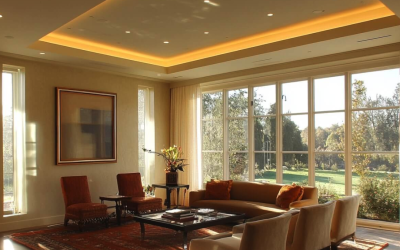
Often, recessed lights surrounding the dining area provide general ambient light or task lighting for other sections of the room. They act as a supportive cast, allowing the chandelier to shine without being the sole source of illumination for the entire space.
Sconces or Table Lamps
For added mood lighting or to highlight artwork or a buffet, consider wall sconces or a decorative table lamp on a side table. These can provide a softer, more intimate glow separate from the main fixture, giving you even more control over the ambiance.
Final Considerations and Why It May Be Right for You
Deciding on a major lighting fixture is an investment, both financially and in your home’s aesthetic. A modern bubble glass multi-light chandelier isn’t just a trend; it’s a design choice that speaks to a desire for contemporary elegance, practical illumination, and a touch of artistic flair.
Longevity and Timelessness
While modern in its design, the simplicity and beauty of glass, combined with its ability to diffuse light in an engaging way, give bubble glass chandeliers a surprising degree of timelessness. They move beyond fleeting fads by focusing on fundamental design principles – form, light, and material.
A Conversation Starter
Let’s be honest, a striking piece of decor often doubles as a fantastic conversation starter. Your Guests will notice it, and it provides an opportunity to express your personal style and appreciation for interesting design.
Enhancing Your Dining Experience
Ultimately, the goal of any dining room update is to enhance the experience of sharing meals and creating memories. A well-chosen chandelier, like a modern bubble glass fixture, transforms the space from merely functional to inviting, inspiring, and truly special. It creates an environment where food tastes better, conversations flow more freely, and every gathering feels a little more elegant. It’s about lighting up your dining room, yes, but also about lighting up your life within that space.