

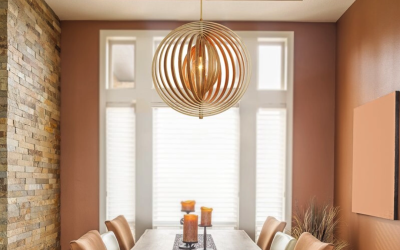
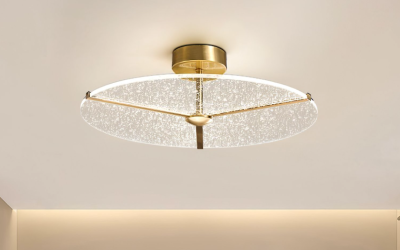
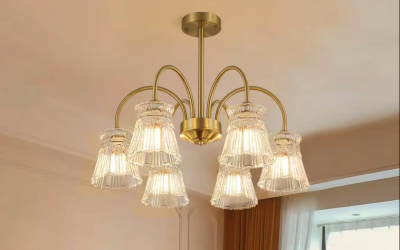

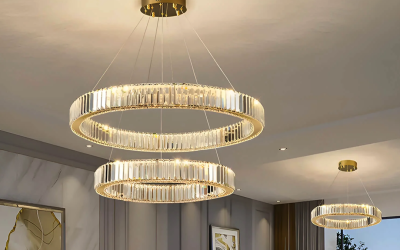
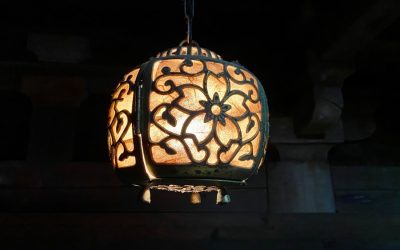
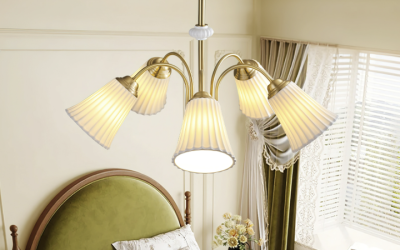
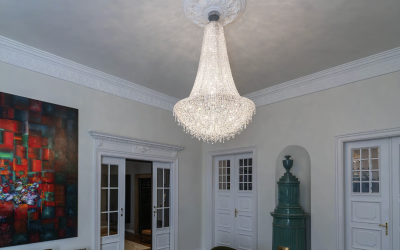
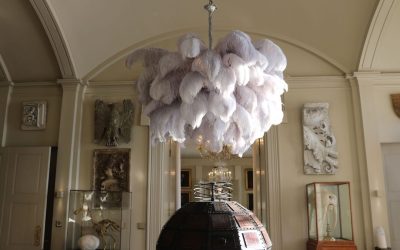
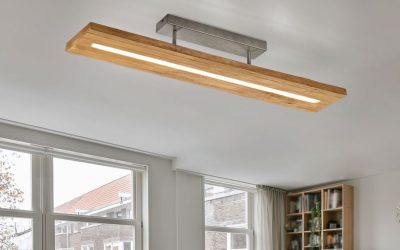
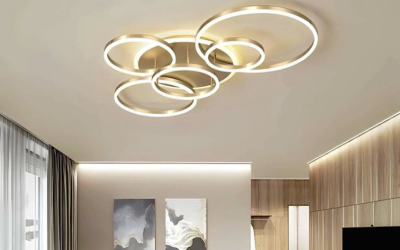
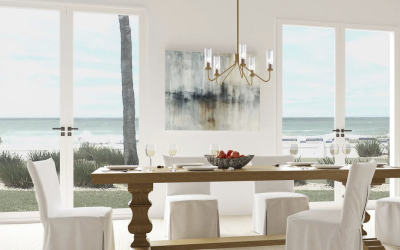
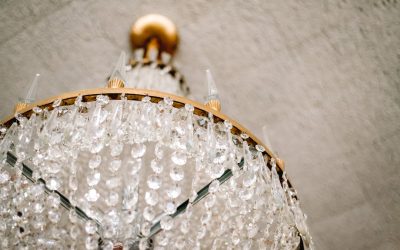





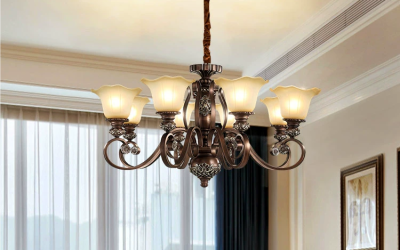
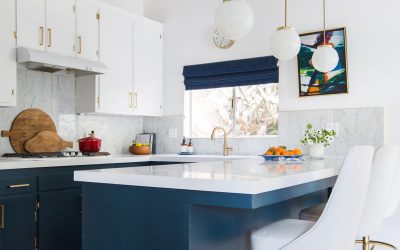
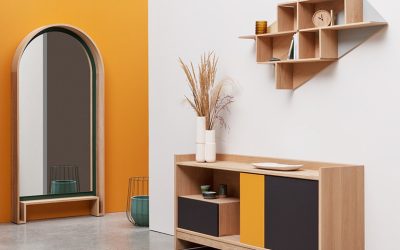

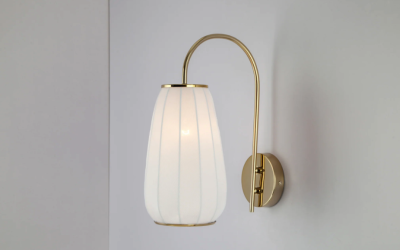
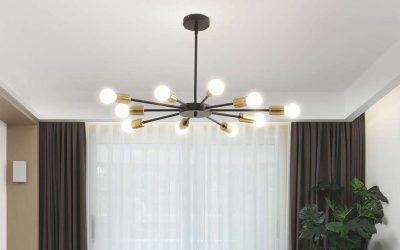

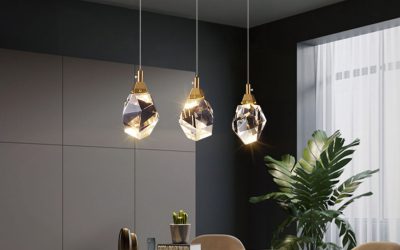
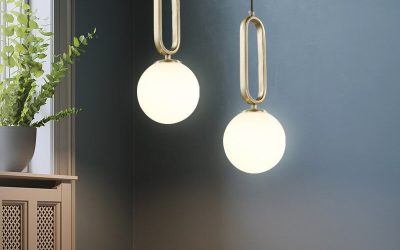

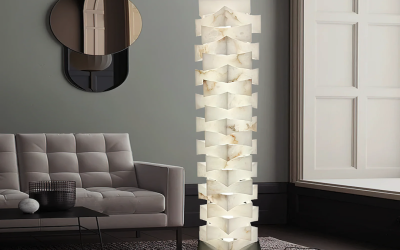
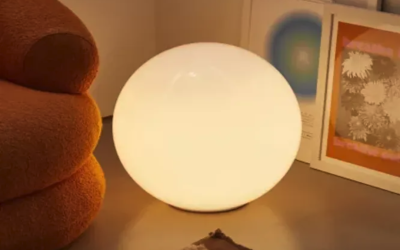
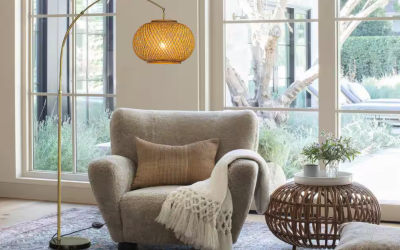
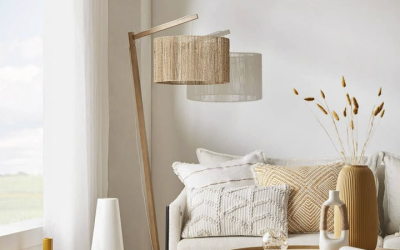



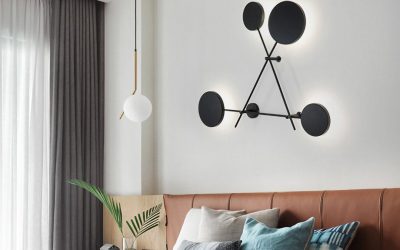

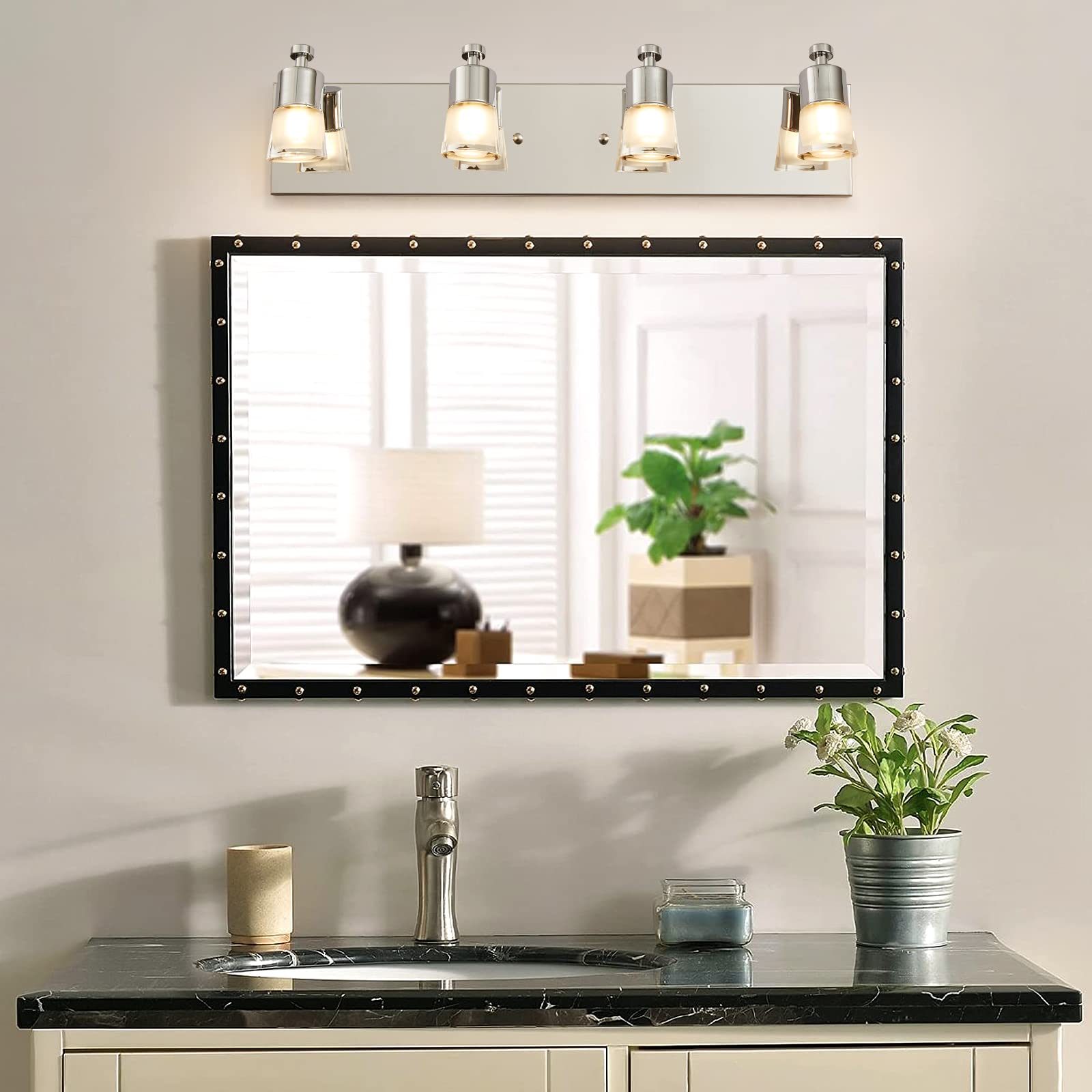
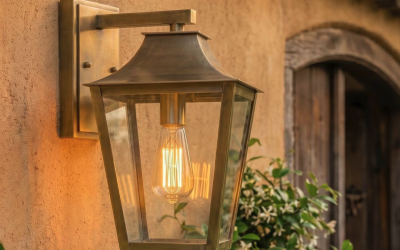
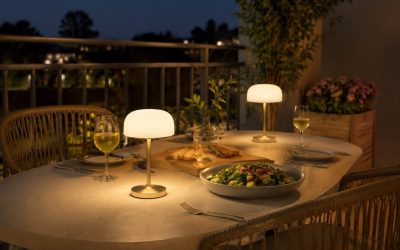



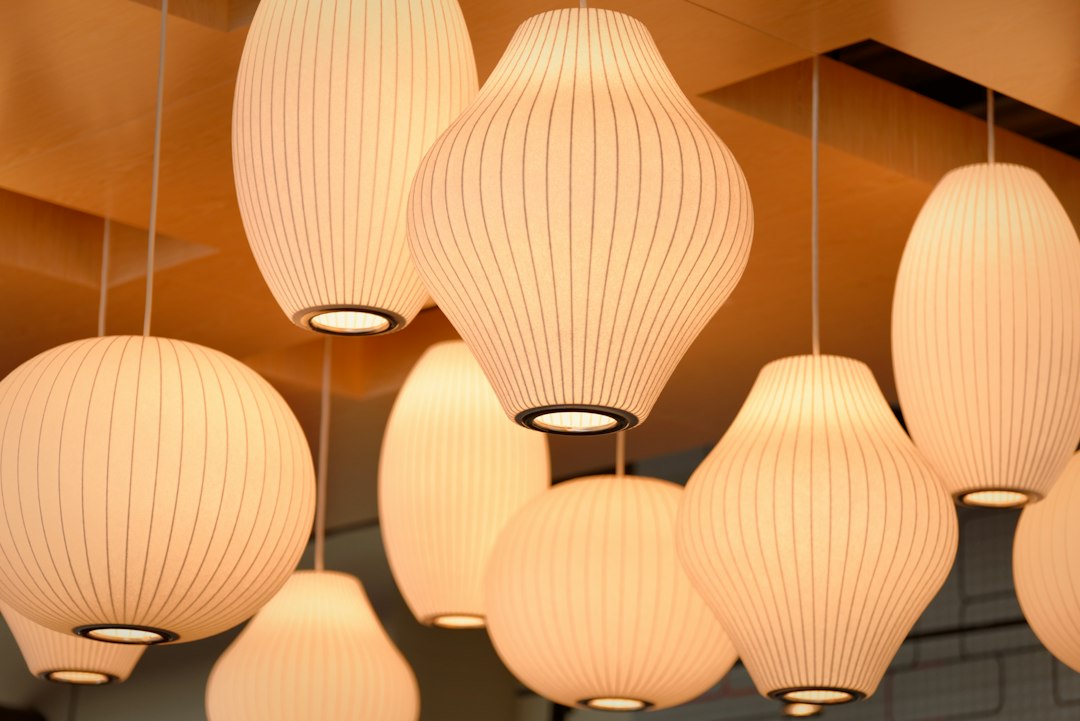
Statement lighting is far from a fleeting fad; it’s become a cornerstone of modern interior design, and it’s definitely here to stay. Think of it as the jewelry for your home – that one piece that catches the eye and pulls the whole look together. Designers are leaning into statement lighting more than ever because it’s such a powerful way to inject personality and define a space without needing a complete overhaul. It’s not just about illumination anymore; it’s about art, sculpture, and creating a focal point that speaks volumes.
It feels like a natural evolution, doesn’t it? For years, lighting was purely functional. You had your overhead light, maybe a task lamp, and that was that. But as we’ve become more attuned to the impact of design on our well-being and how we experience our homes, lighting has been elevated to an art form. Statement lighting allows us to move beyond the purely utilitarian and embrace pieces that are visually arresting and emotionally engaging.
Beyond the Bulb: What Defines a Statement Light?
So, what exactly makes a light fixture a “statement” piece? It’s not just about size, although scale often plays a role. It’s about design intent.
Unconventional Silhouettes
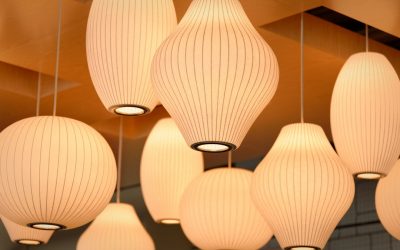
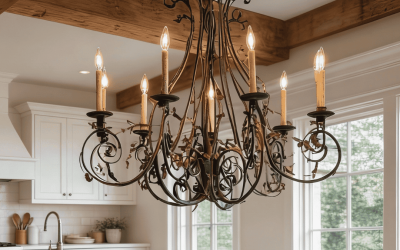
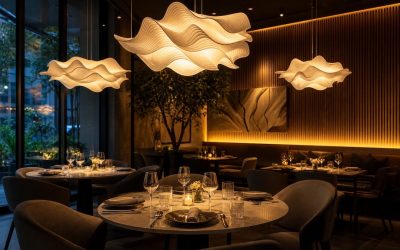
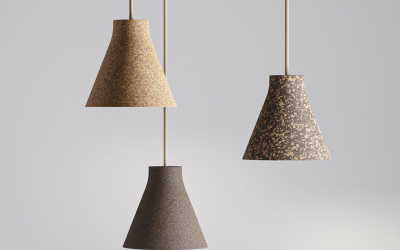
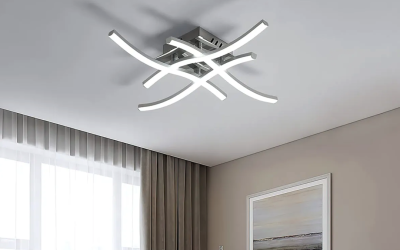
Forget the basic drum shade or the predictable chandelier. Today’s statement lights are breaking free from traditional forms. We’re seeing organic shapes inspired by nature, geometric constructions that play with angles and perception, and even pieces that look more like abstract sculptures than light fixtures. Think sweeping curves, asymmetrical designs, and forms that defy easy categorization. These unconventional silhouettes immediately grab attention and signal a departure from the ordinary.
Bold Materials and Finishes
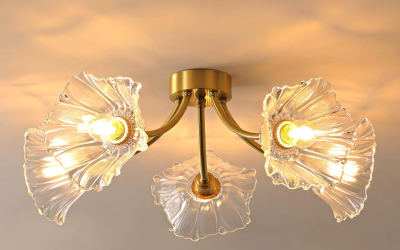
The materials used are just as crucial as the shape. Designers are experimenting with everything from textured metals like brushed brass and blackened steel to natural elements like wood, rattan, and even stone. Beyond that, unique finishes are a big trend. Think patinated bronze, iridescent glass, or even concrete. These materials and finishes add a tactile quality and a visual richness that makes the light fixture feel more substantial and artistic.
Dramatic Scale and Proportion
While not every statement light is massive, many do play with scale to create impact. A large pendant hanging over a dining table or a floor lamp with an expansive shade can command attention and become the undisputed focal point of a room. The key is that the scale feels intentional and appropriate for the space, rather than simply overwhelming. It’s about creating a sense of presence.
Integrated Artistry
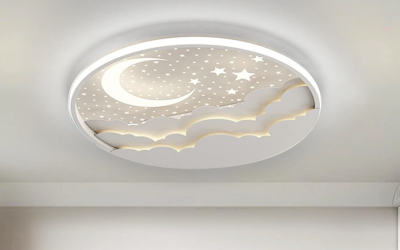
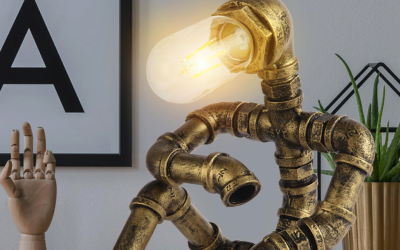
Many statement lights blur the lines between lighting and art. They are designed with an artistic sensibility, incorporating handcrafted elements, intricate detailing, or even incorporating LED technology in innovative ways that create unique lighting effects. They are pieces that could easily stand alone as sculptures even when unlit.
Sculptural and Organic Forms Take Center Stage
This trend is all about bringing the natural world, or at least its spirit, indoors. It’s a reaction against the sleek, minimalist designs that dominated for so long, offering a softer, more tactile, and visually interesting alternative.
Nature-Inspired Designs
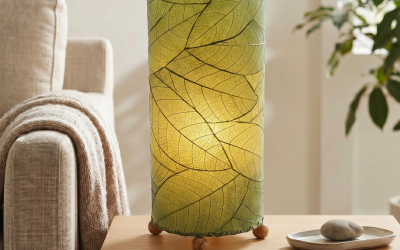
Think of light fixtures that mimic the organic curves of branches, the delicate structure of leaves, or the fluid movement of water. Designers are drawing inspiration from botanical elements, geological formations, and even celestial bodies.
Botanical Brilliance
Pendants that resemble blooming flowers, chandeliers with branching arms that mimic tree limbs, or wall sconces that evoke fern fronds are incredibly popular. These designs bring a sense of life and movement to a space, softening sharp edges and creating a more welcoming atmosphere. The use of natural materials like wood and rattan further enhances this connection to nature.
Geode and Crystal Influences
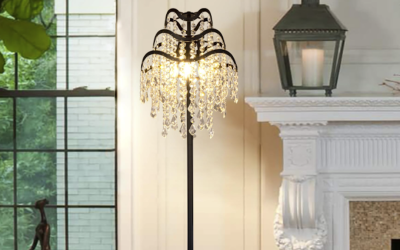
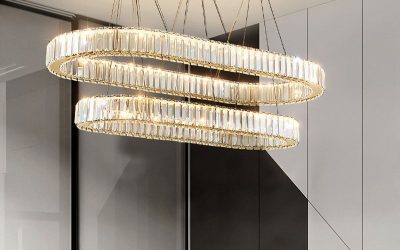
The allure of raw, natural crystal formations is also being translated into lighting. We’re seeing fixtures that mimic the rough, uneven surfaces of geodes or the sharp, angular facets of crystals. These designs often incorporate textured glass or metalwork to achieve a similar effect, offering a touch of raw, unpolished beauty.
The Rise of the “Sculptural” Luminaire
This is where lighting truly crosses over into the realm of art. These pieces are designed with form and aesthetic appeal as their primary drivers, with illumination being an integral, yet often secondary, consideration.
Abstract Expressions
Imagine a light fixture that looks like a carefully balanced arrangement of abstract shapes, or a piece that plays with negative space and shadow. These are lights that invite interpretation and conversation, adding a sophisticated and intellectual layer to the design. They’re less about a specific object and more about the overall visual experience.
Handcrafted and Bespoke Touches
There’s a growing appreciation for lighting that shows the hand of the maker. This can manifest in hand-blown glass, hand-hammered metal, or intricately carved wood. These handcrafted elements add a unique character and a sense of luxury that mass-produced items simply can’t replicate. They speak to quality and individuality.
The Boldness of the Statement Pendant
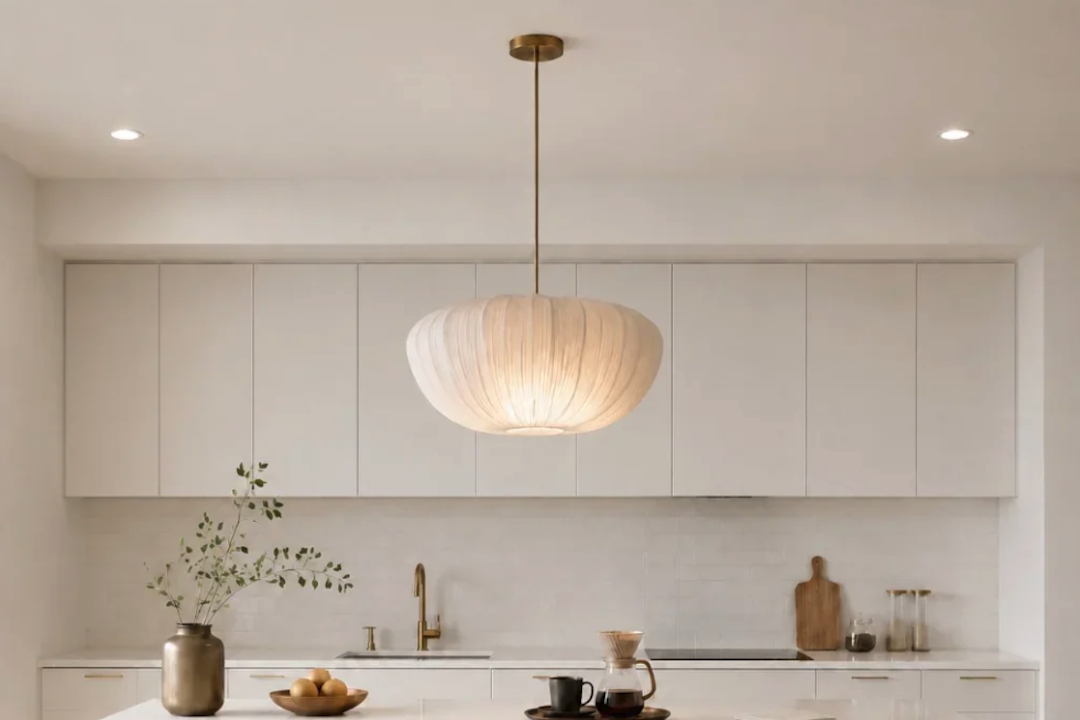
Pendants have always been a popular choice for dining rooms and kitchens, but the modern statement pendant is taking things to a whole new level. It’s no longer just about providing light; it’s about making a definitive design declaration.
Oversized and Dramatic Pendants
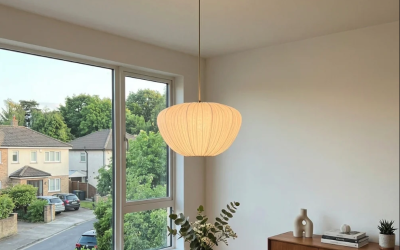
The days of subtle, undersized pendants are fading. Designers are embracing larger-than-life options that command attention and anchor a space.
Defining Dining Zones
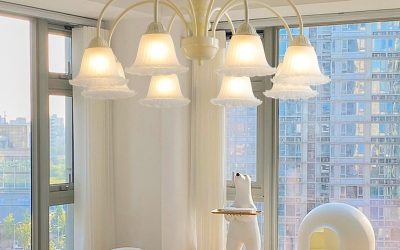
In open-plan living, a dramatic pendant above the dining table can clearly delineate the dining area from the rest of the space. It acts as a visual anchor, creating a sense of intimacy and occasion even in a larger room. The choice of pendant can also set the mood for the entire dining experience.
Kitchen Counter Complements
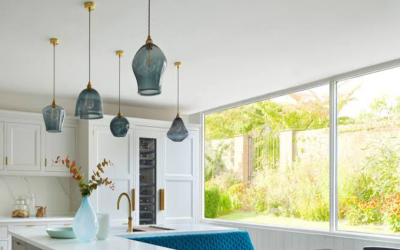
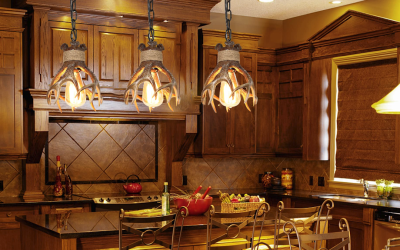
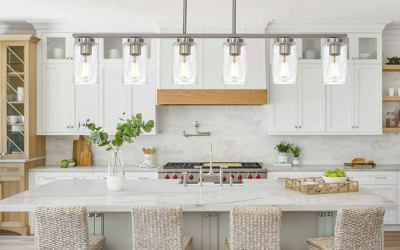
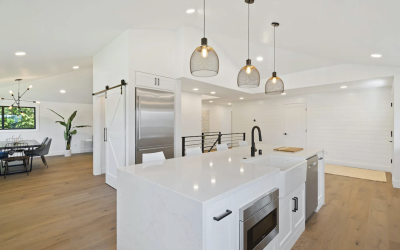
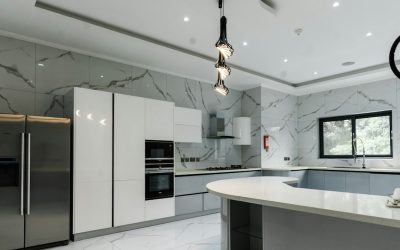
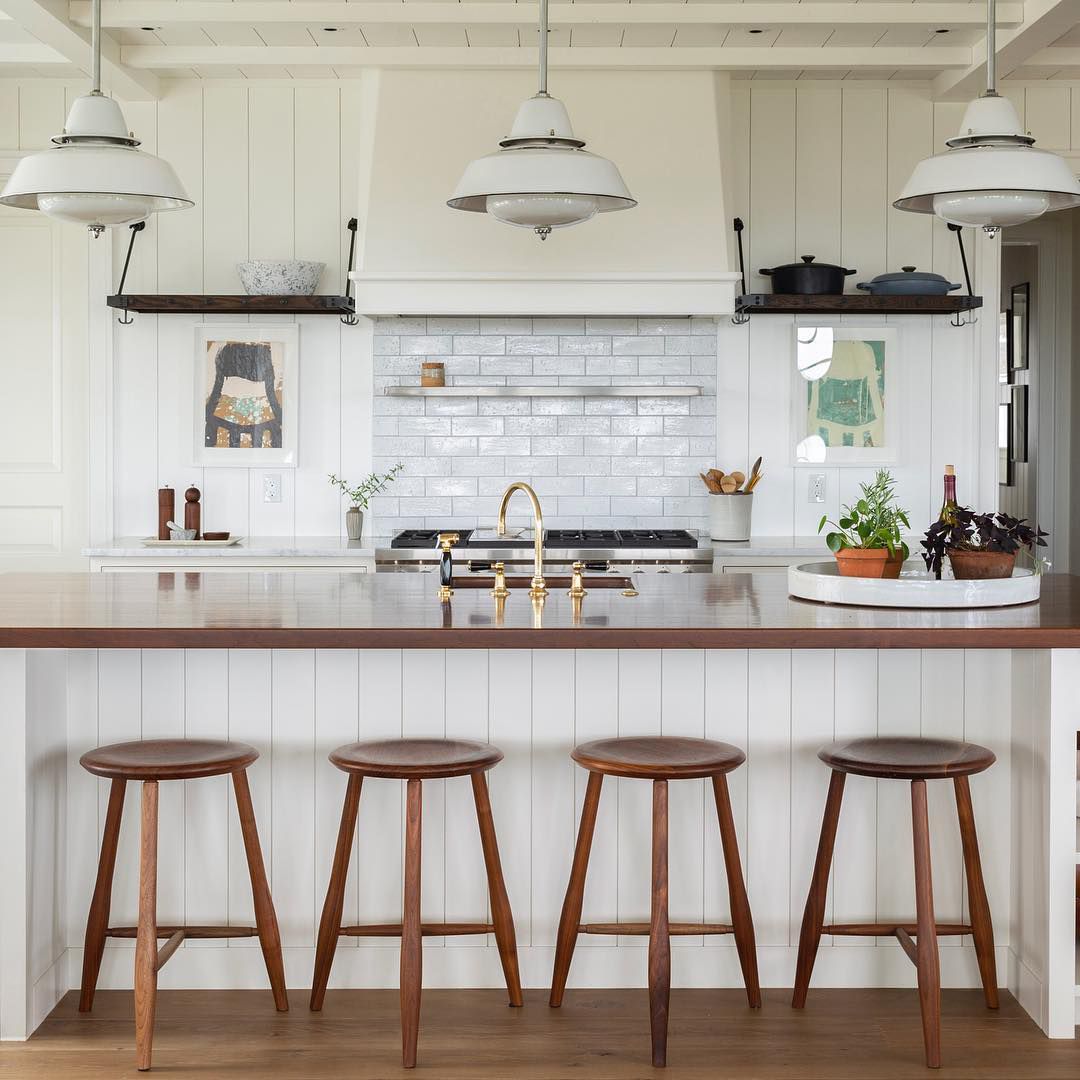
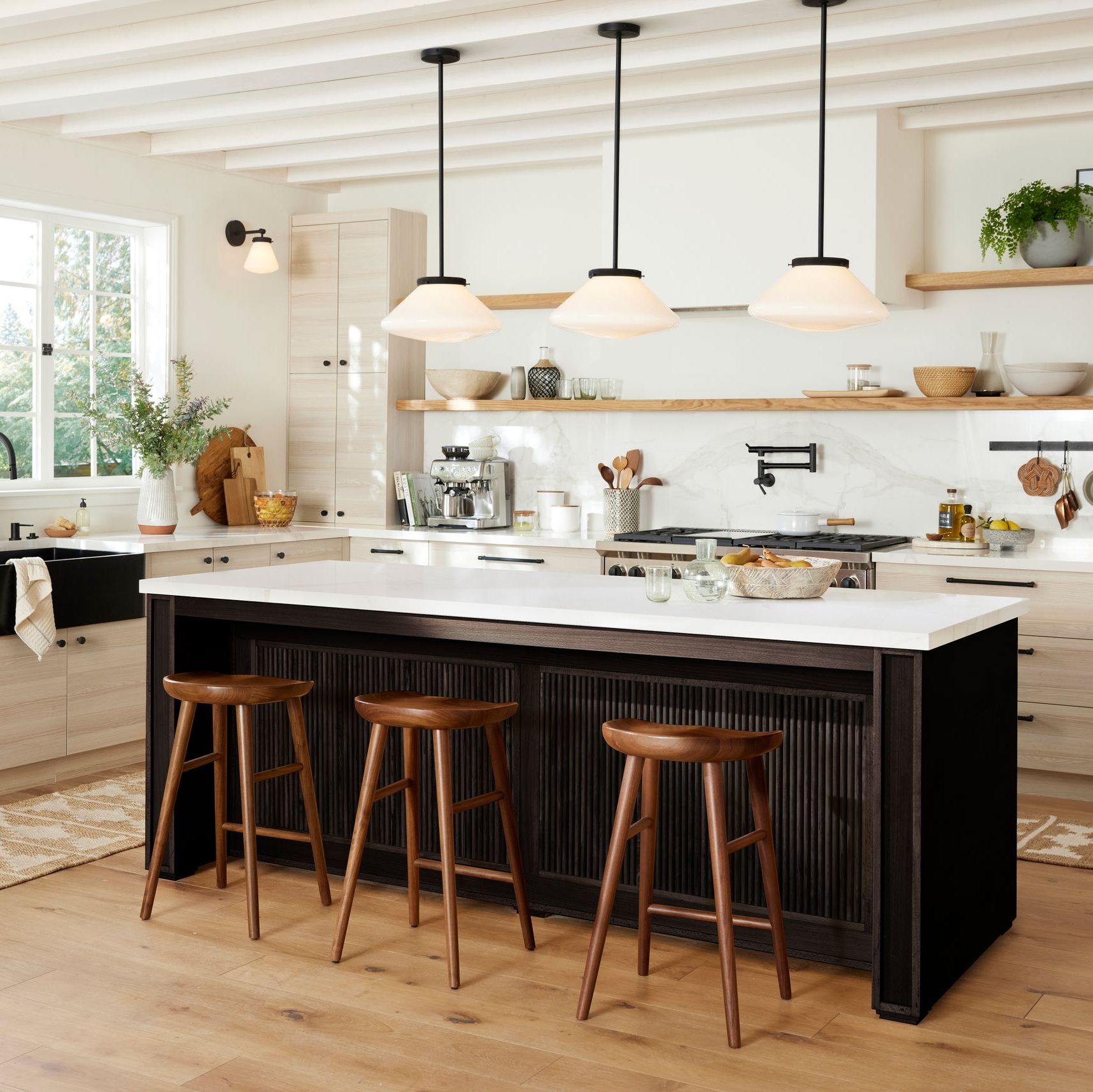
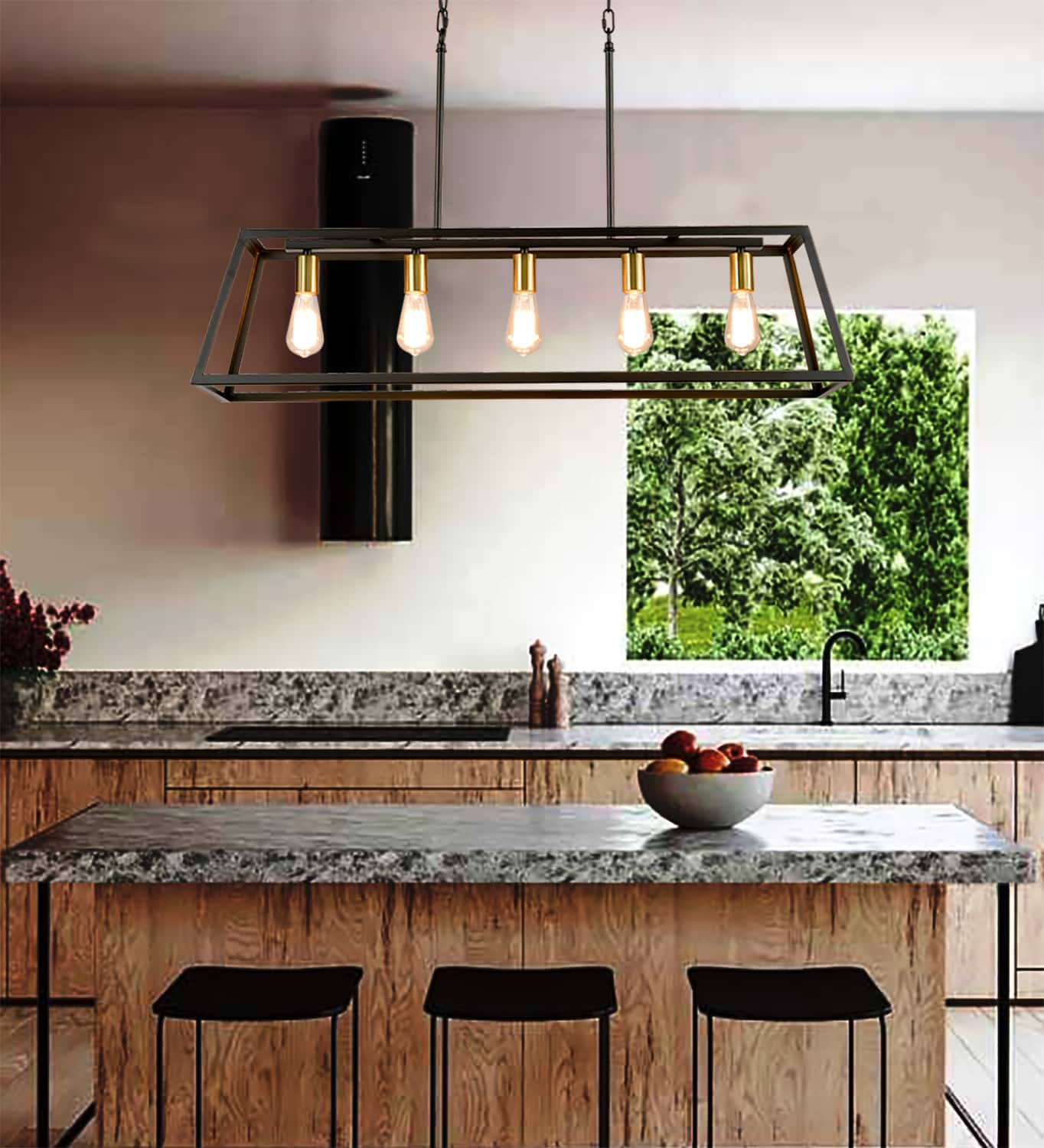
Similarly, a row of oversized pendants over a kitchen island can transform it from a mere workspace into a stylish focal point. They add a touch of glamour and can become a conversation starter for anyone gathered around. The key is to ensure the scale is right for the island and the kitchen as a whole.
Unique Material Combinations
The materials used in statement pendants are where designers really get to play. We’re seeing exciting and unexpected pairings that push the boundaries of what a pendant can be.
Metal Meets Material
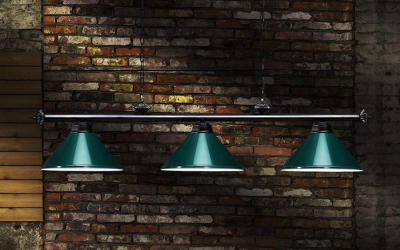
Think of brass or black metal frameworks combined with natural elements like rattan, wood, or even textured fabric. These contrasts create visual interest and add depth. A metal frame can provide structure and a modern edge, while the softer material introduces warmth and texture.
Glass in Every Form
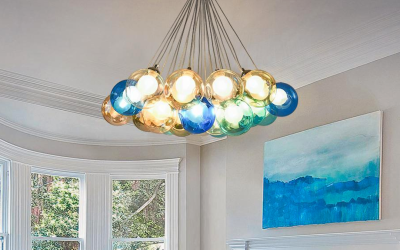
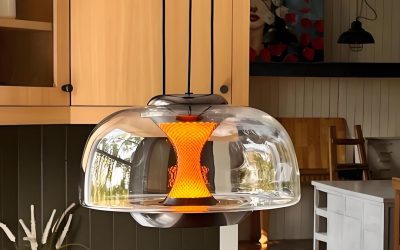
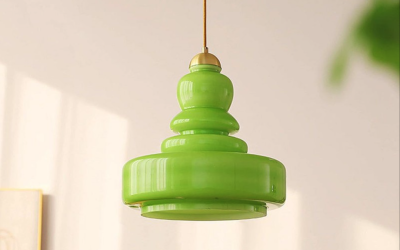
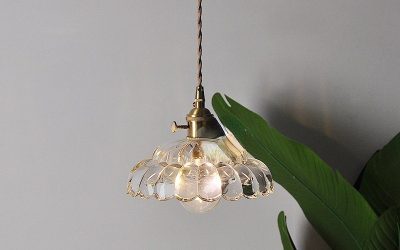
Beyond clear or frosted glass, we’re seeing pendants with colored glass, textured glass, and even glass that mimics natural stone. Iridescent finishes are also incredibly popular, creating a captivating play of light and color. These variations add a level of sophistication and visual complexity.
The Enduring Appeal of Architectural Lighting
While we often focus on the “jewelry” of a room, architectural lighting is the backbone that supports it. It’s the integrated, often subtle, lighting that shapes the very structure of a space, and it’s becoming increasingly sophisticated and intentional.
Integrated LED Technology
LEDs have revolutionized architectural lighting, allowing for incredibly sleek and adaptable designs.
Hidden Illumination
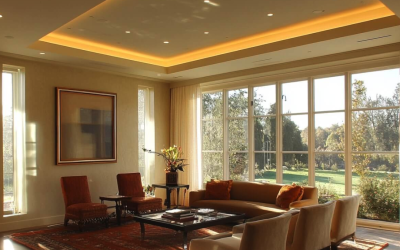
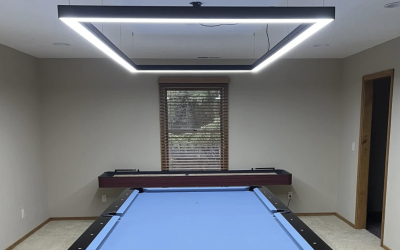
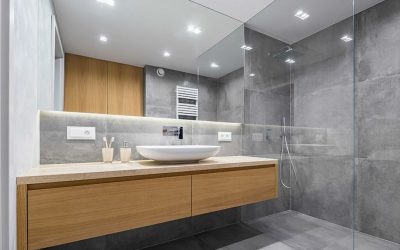
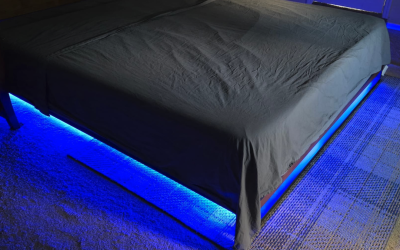
Think of cove lighting that washes walls with a soft glow, or linear LEDs integrated into ceiling coves or cabinetry. This type of lighting is about creating ambiance and highlighting architectural features without the fixture itself being the main focus. It provides a clean, sophisticated look.
Dynamic Lighting Solutions
Modern LED systems allow for dimming, color temperature adjustments, and even programmable lighting scenes. This means you can change the mood of a room with the flip of a switch or even an app. It’s about creating versatile spaces that can adapt to different activities and times of day.
Recessed and Track Lighting Reimagined
Recessed and track lighting used to be purely functional, but designers are finding new ways to make them more impactful and aesthetically pleasing.
Strategic Placement for Impact
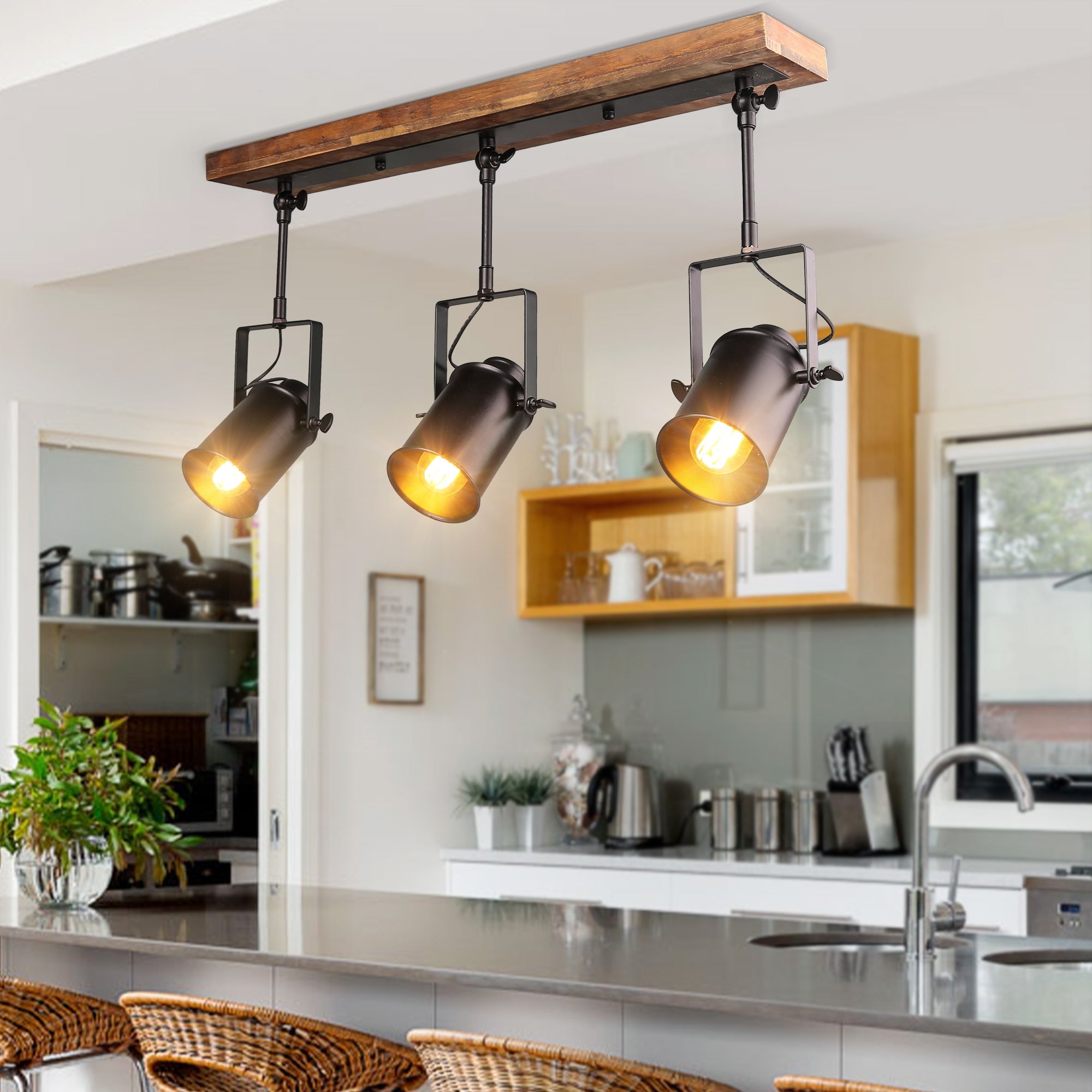
Instead of simply flooding a room with light, recessed and track lighting are now used strategically to highlight artwork, architectural details, or create specific pools of light. The aim is to draw the eye and create visual interest.
Sculptural Track Systems
Some track lighting systems are now designed with a more sculptural sensibility, with clean lines and elegant finishes that complement the overall design of the room. They are becoming less about being hidden and more about being a deliberate design element.
The Statement Table and Floor Lamp: Versatile Powerhouses
While pendants and chandeliers often steal the spotlight, statement table and floor lamps are proving to be just as impactful, offering flexibility and a chance to inject personality at a more accessible level.
Bringing Sculpture to the Surfaces
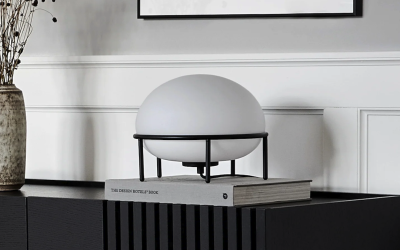
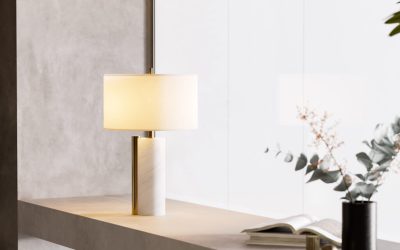
Table lamps are no longer just for bedside tables. They’re becoming deliberate design choices for consoles, side tables, and even kitchen counters.
Artful Bases
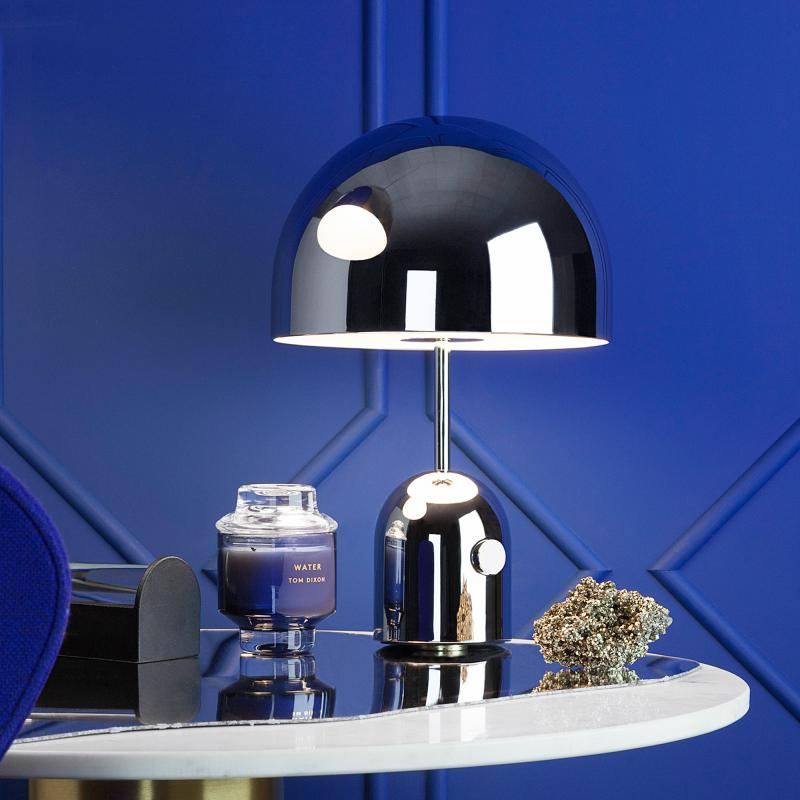
The base of a table lamp is where much of the statement can be found. We’re seeing sculptural ceramic bases, intricate metalwork, and even lamps with bases made from natural materials like stone or wood. These bases are designed to be admired, even when the lamp is off.
Unique Shades and Silhouettes
The shade, too, is a key element. Beyond traditional fabric shades, designers are experimenting with metal, glass, and even woven materials. The silhouette of the shade can also add a dramatic flair, from bell shapes to geometric forms.
Floor Lamps as Room Sculptures
Floor lamps are the towering figures of the lighting world, and they’re being used to make a serious design statement.
Dramatic Arches and Swings
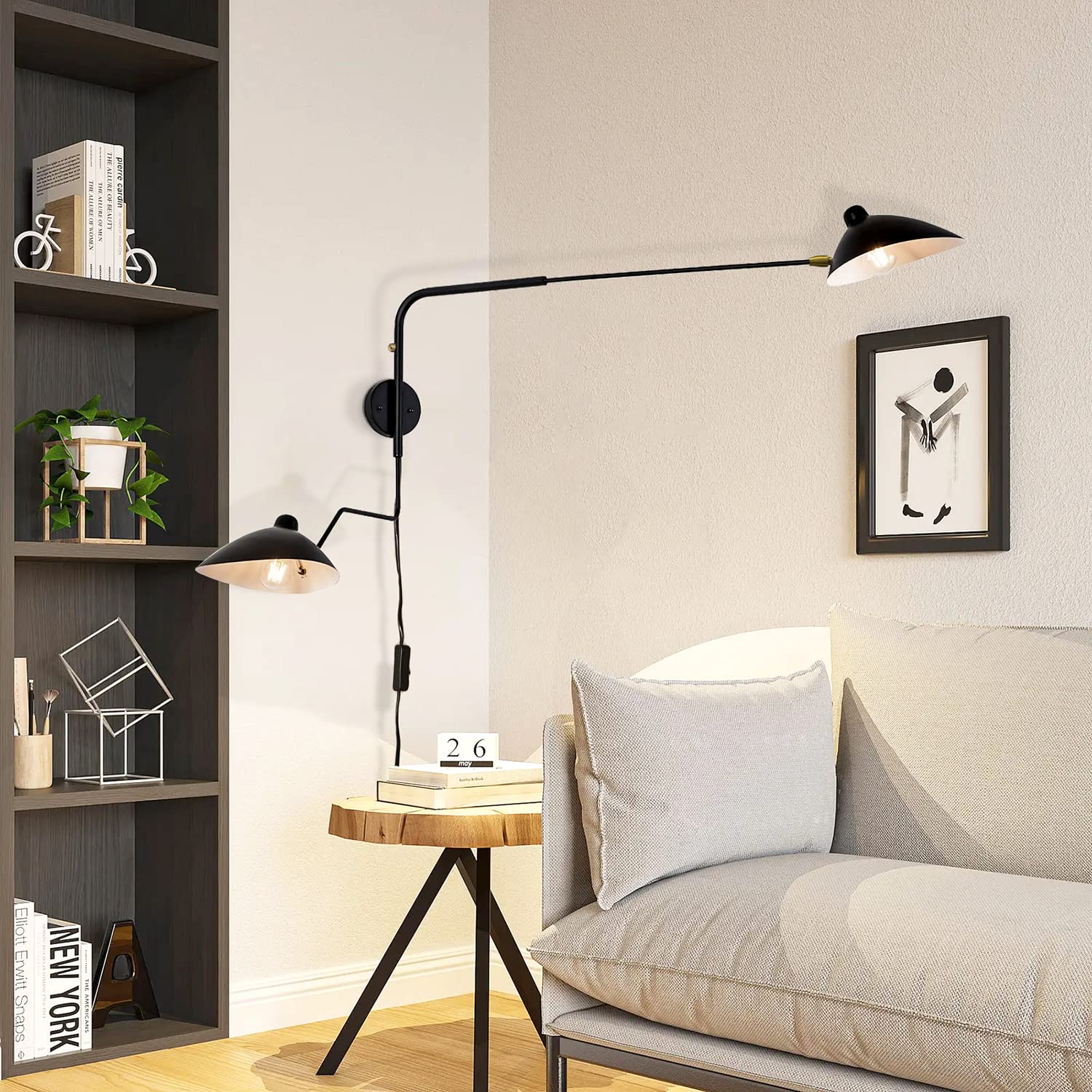
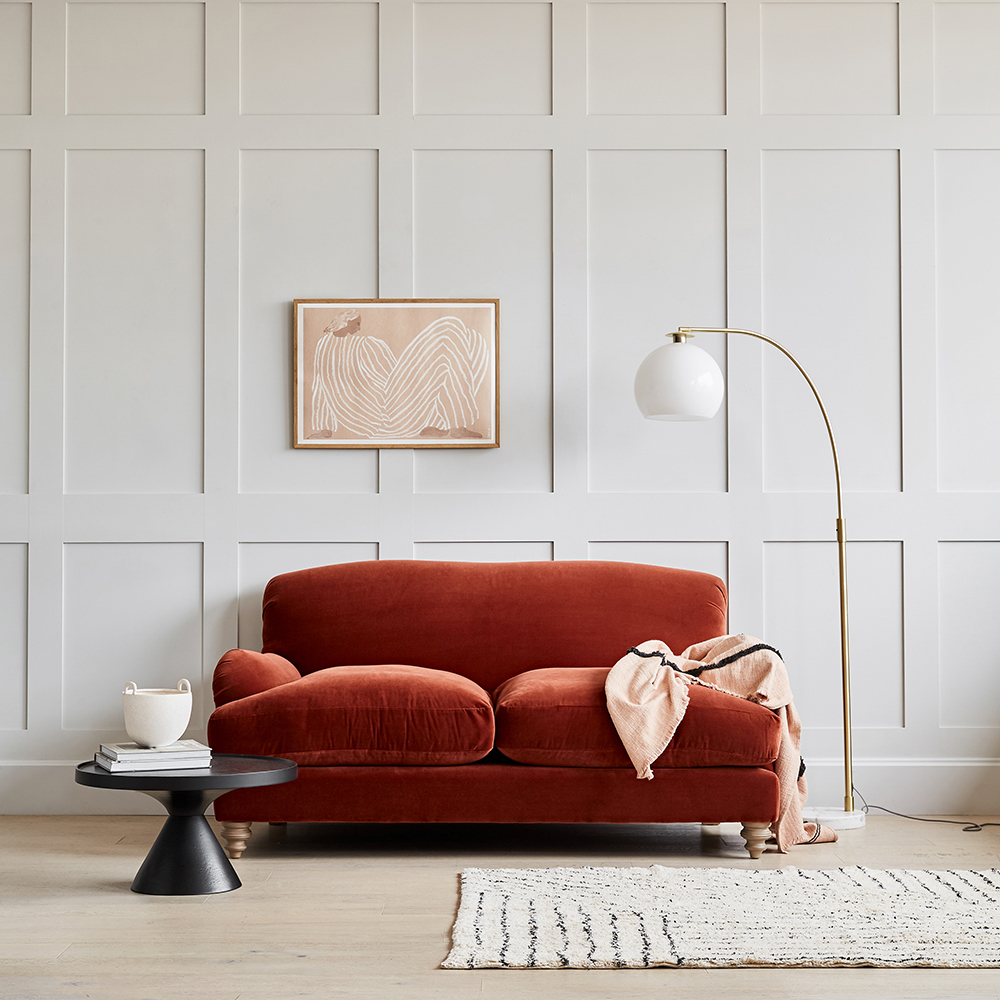
Arched floor lamps that extend over seating areas are a popular choice, offering both task lighting and a sculptural element. These can create a sense of drama and define a particular zone within a larger room.
Bold Forms and Textures
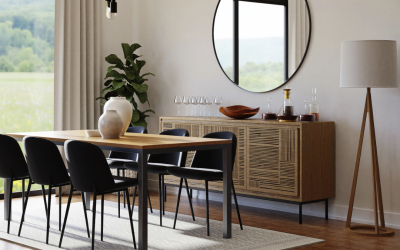
From lamps with oversized, textured shades to those with intricate metal bases, floor lamps are being designed to be noticed. They can add height, texture, and a unique visual element to any corner of a room. They are often the finishing touch that ties a space together.
The Return of the Switched-On Accent
Statement lighting isn’t just about the fixture itself; it’s about how it functions and interacts with the space.
Layering Light for Ambiance
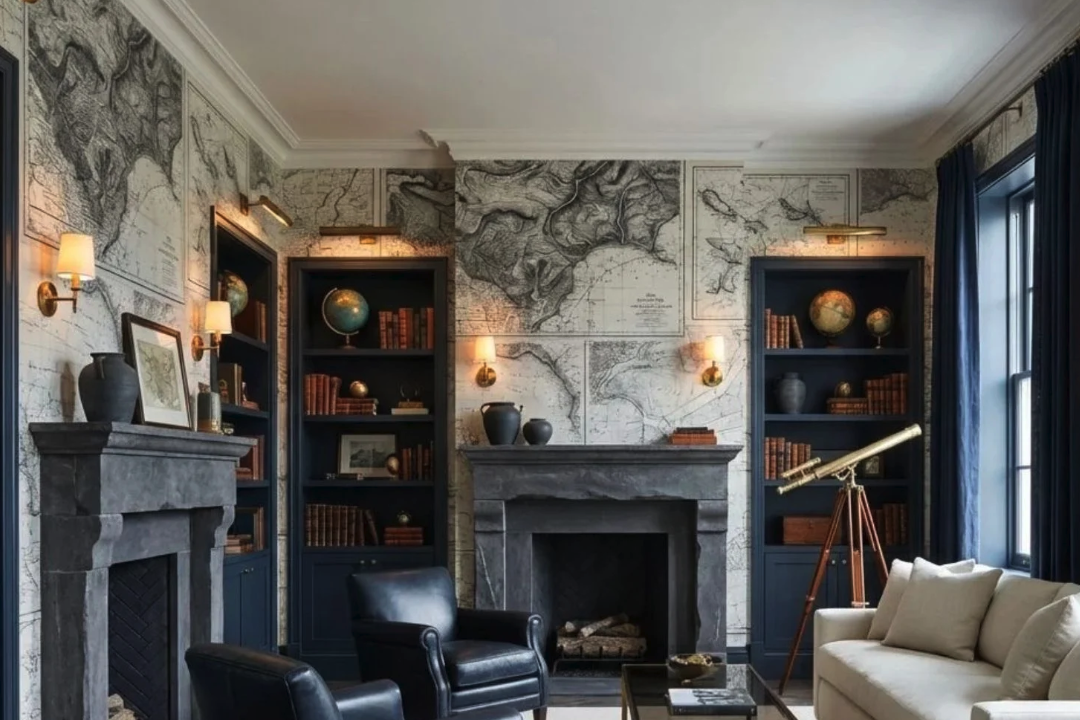
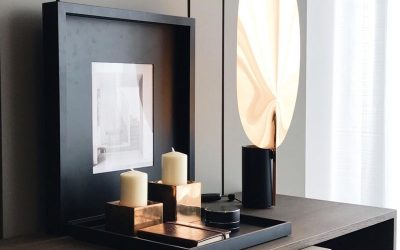
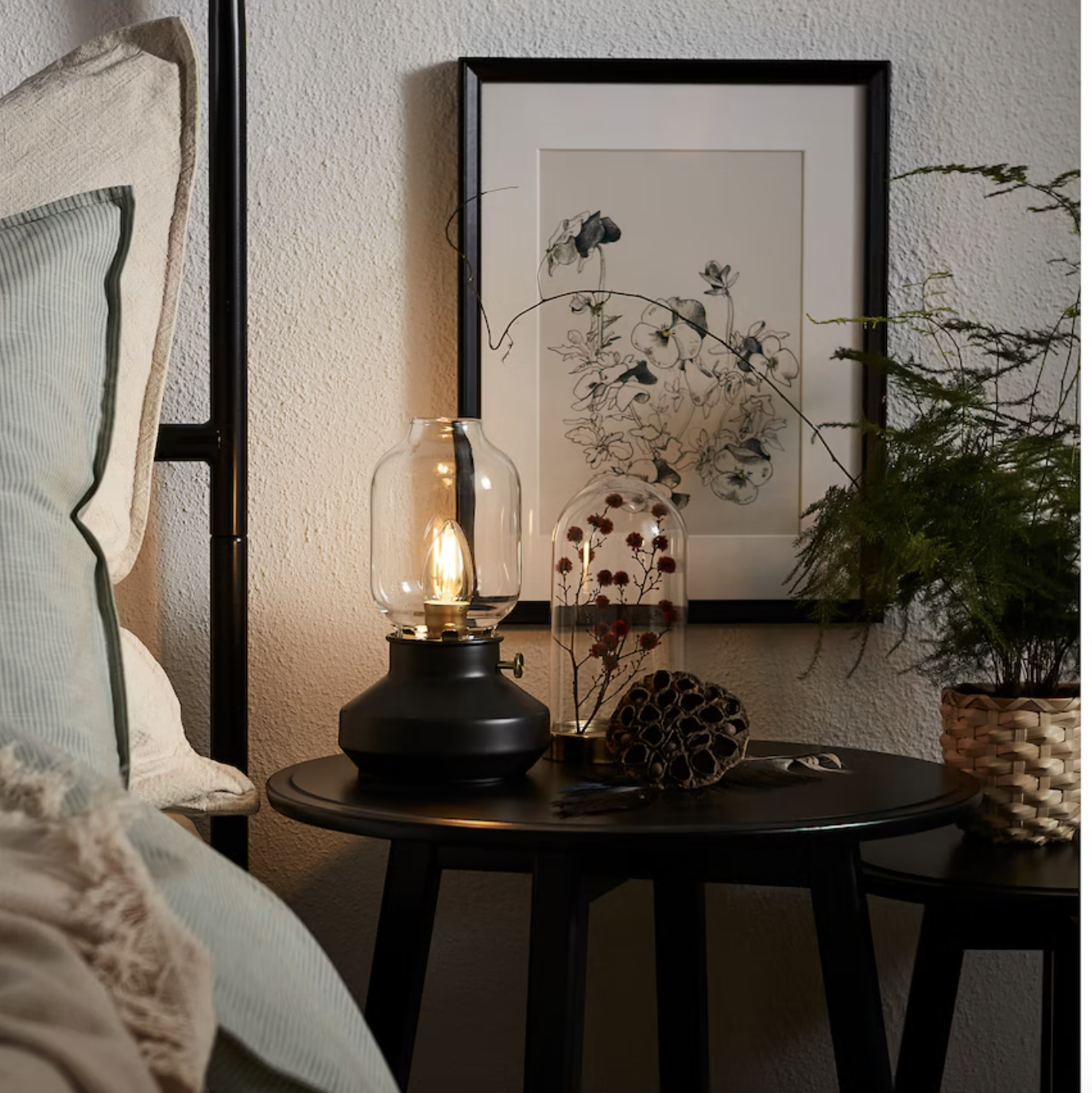
The trend is towards layering light sources. Statement fixtures are used in conjunction with ambient, task, and accent lighting to create a rich and dynamic atmosphere. A grand chandelier might be softened by the glow of strategically placed table lamps.
Smart Technology Integration
More and more statement fixtures are incorporating smart technology, allowing for remote control, dimming, and even integration with home automation systems. This adds a layer of convenience and functionality to even the most artful designs. It’s about making these beautiful pieces work for our modern lives.
A Shift Towards Individuality
Ultimately, statement lighting trends are a reflection of a broader shift in interior design towards greater individuality and personal expression. Designers are encouraging clients to move away from generic solutions and embrace pieces that truly resonate with them.
Curated Collections
It’s not just about one big, flashy piece anymore. Designers are curating collections of statement lighting that work in harmony with each other and the overall design. This might mean a dramatic pendant in the dining room complemented by sculptural table lamps in the living area.
The Power of Personality
Statement lighting is a powerful tool for infusing a space with personality. Whether it’s a bold color, an unusual material, or a striking form, these fixtures allow homeowners to express their style and create a home that feels uniquely their own. It’s about making a home that feels authentic.