























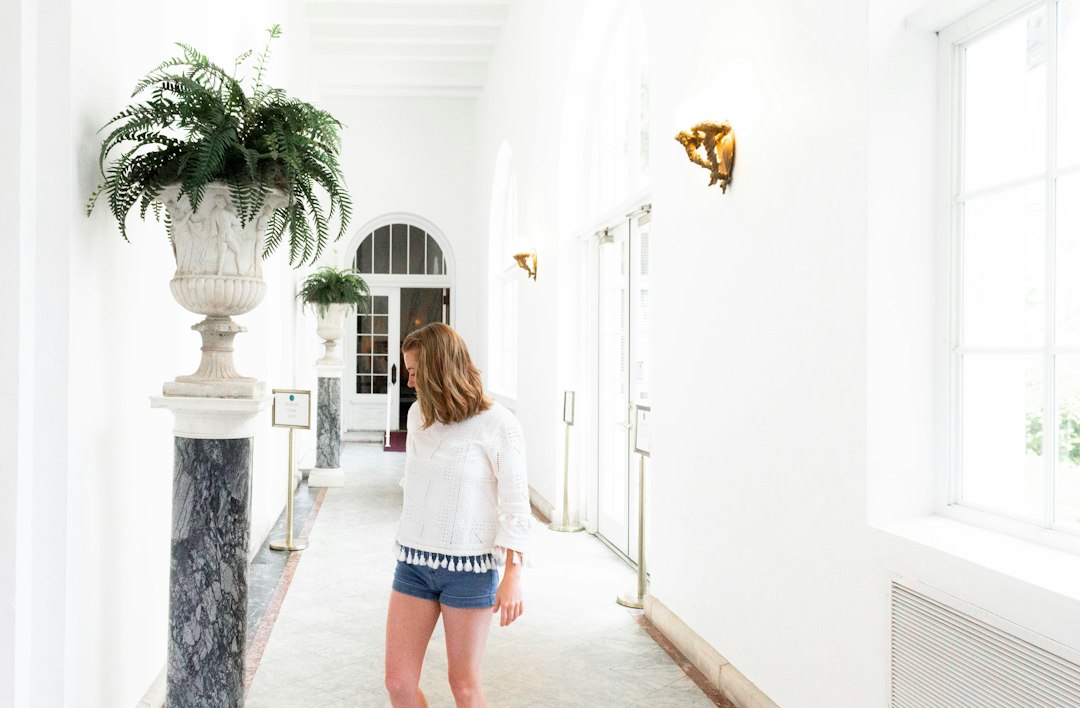
Getting the right wall lights for your hallway can really make a difference, transforming it from a mere pass-through to a welcoming part of your home. It’s not just about picking something pretty; it’s about choosing lights that work well with the space, provide the right illumination, and complement your home’s style. Skipping some basic considerations can lead to a dimly lit, unwelcoming, or even visually jarring hallway. We’re going to dive into common missteps people make when buying hallway wall lights and how you can sidestep them to achieve beautifully lit spaces.
Not Understanding Your Hallway’s Primary Purpose (Beyond Walking)
Your hallway isn’t just a conduit; it often serves multiple, subtle purposes that dictate the type of lighting needed. Overlooking these can lead to lighting that feels off or inadequate.
Ignoring Artwork or Decor Display
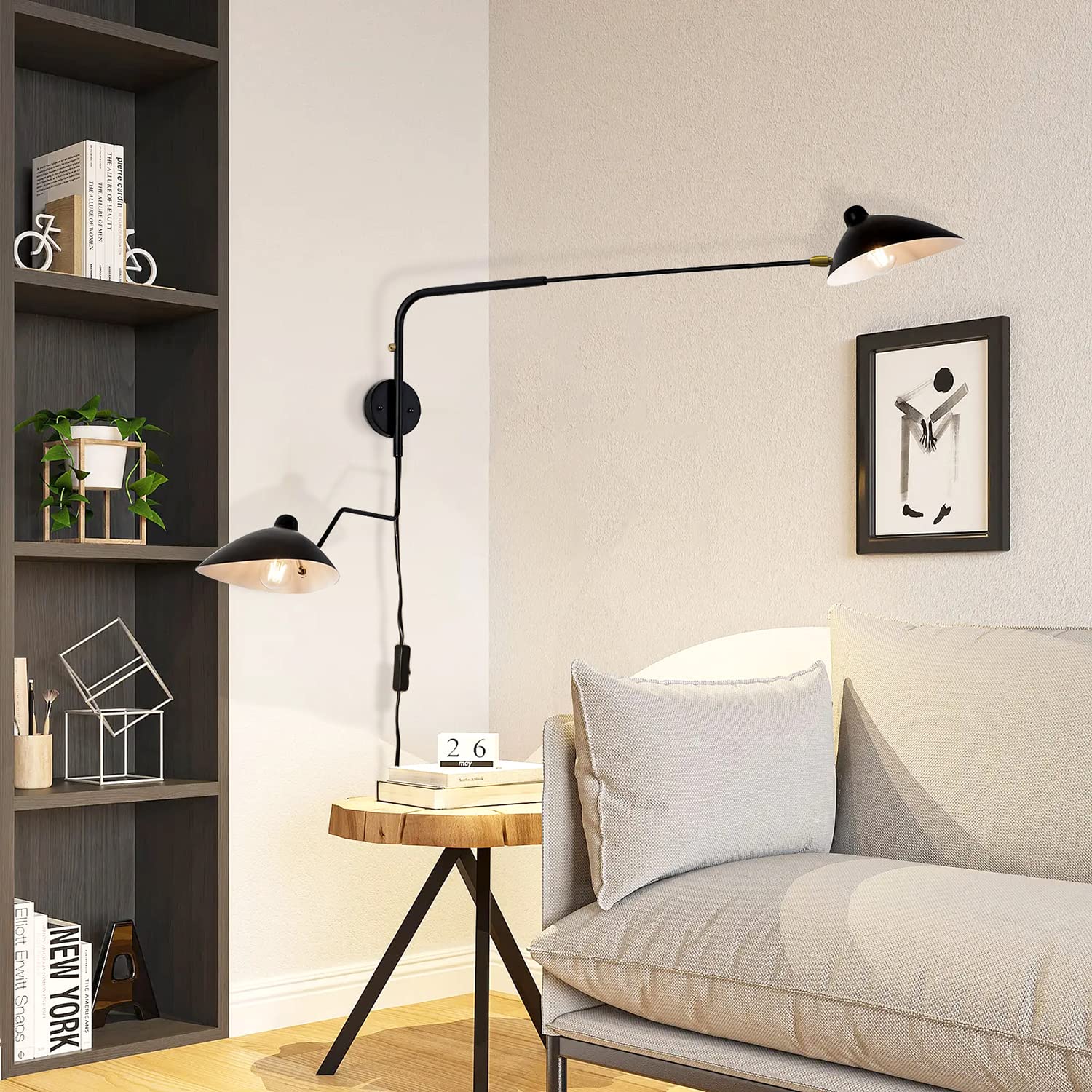
Many people use their hallways to display family photos, art pieces, or decorative mirrors. If this is the case, your wall lights aren’t just for general illumination; they need to highlight these features. A light fixture that casts a wide, even glow might be great for general brightness but terrible for showcasing a painting.
Consider lights with adjustable heads or those designed to “wash” a wall with light. The beam angle becomes crucial here. A narrow beam (think 15-30 degrees) is good for highlighting a specific item, while a wider beam (45-60 degrees) can illuminate a larger piece or a collection. Also, think about the color rendering index (CRI) of the bulbs. A high CRI (90+) will show off colors more accurately, which is especially important for artwork.
Overlooking Storage and Functional Areas
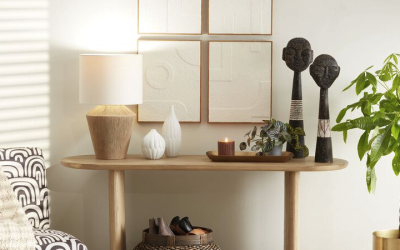
Does your hallway include a console table, a built-in bench, or coat hooks? These are functional areas that might require specific task lighting or at least well-placed ambient light. Trying to find keys on a dimly lit console table is frustrating.
If you have a console table, a wall light positioned above it can provide both general light and a subtle accent. For coat hooks or benches, ensure the light source is high enough not to be obscured by outerwear, yet low enough to provide effective light when someone is sitting or reaching for something. Sometimes, a smaller, focused wall sconce can be paired with a larger ambient fixture to cover both needs.
Forgetting About Mirrors and Their Reflection
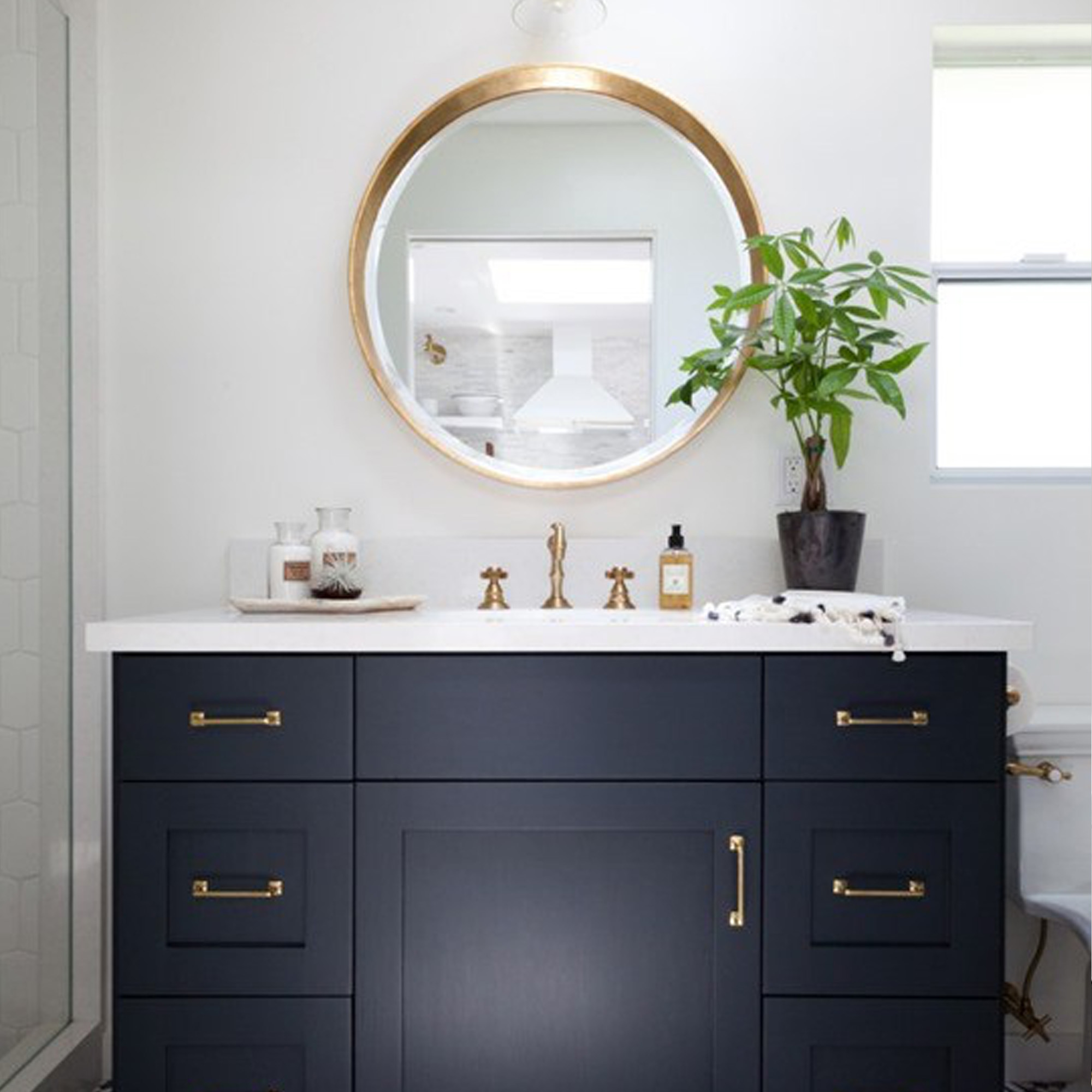
A mirror in a hallway can make the space feel larger and brighter, but only if the lighting is right. Poorly placed lights can create harsh glare or unflattering reflections.
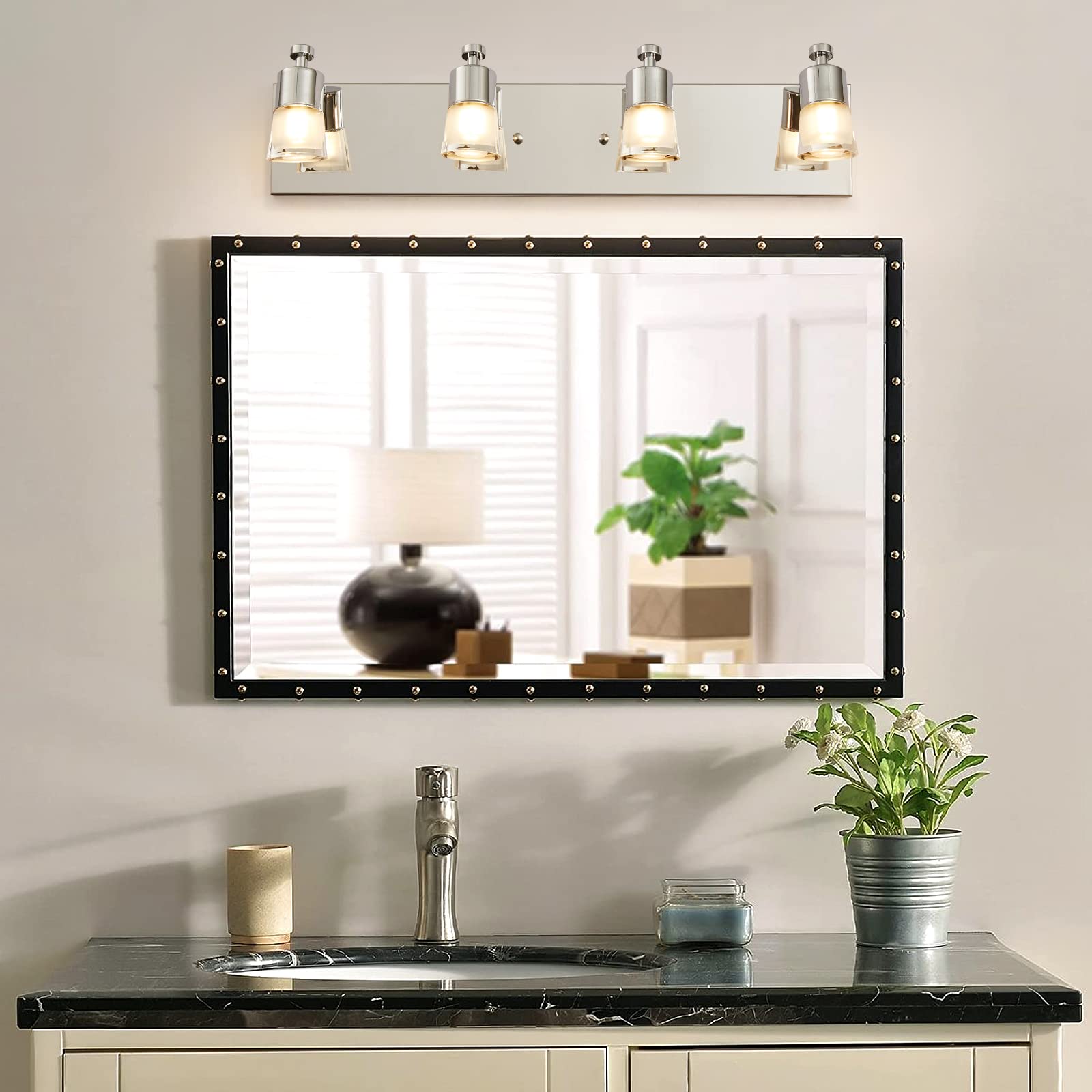
Avoid placing direct, intense light sources immediately opposite a mirror. This can create a blinding hotspot. Instead, consider placing wall lights flanking the mirror at eye level. This provides even illumination and can create a flattering glow. The light source itself should ideally be diffused to prevent harsh shadows on anyone checking their reflection.
Mismatching Light Output and Hallway Size
This is a common pitfall: either getting lights that are too dim, leaving your hallway feeling cave-like, or choosing ones that are too bright, creating an unwelcome glare.
Underestimating Lumens Needed
Many people still think in terms of wattage when buying bulbs, but lumens are the actual measure of brightness. A 60-watt incandescent bulb might provide around 800 lumens, but an LED equivalent uses far less wattage to achieve the same brightness. If your hallway is long or has dark finishes, you’ll need more lumens than you might expect.
As a general guideline, aim for about 10-20 lumens per square foot for ambient hallway lighting. However, this is just a starting point. Darker walls, flooring, and furniture will absorb more light, requiring you to err on the higher side. Conversely, light-colored surfaces will reflect more light, meaning you might need slightly fewer lumens. It’s often better to have dimmable lights so you can adjust the brightness to suit different times of day or moods.
Overdoing It with Excessive Brightness
While under-lighting is a problem, over-lighting can be just as bad. A hallway that’s too bright can feel clinical, unwelcoming, and can even cause eye strain, especially at night. It’s not just about the total lumens but also about the distribution and quality of the light.
If you find your hallway feels too bright, consider reducing the wattage/lumens of your bulbs, or, ideally, install a dimmer switch. Another factor is the color temperature of the light. Cooler temperatures (4000K+) can feel brighter and more stark, while warmer temperatures (2700K-3000K) create a cozier, softer ambiance. For a hallway, a warm to neutral white is generally preferred unless you’re specifically going for a modern, stark aesthetic.
Ignoring the Spread and Direction of Light
A single, powerful wall light might cast a bright spot, but it can leave the rest of a long hallway in shadow. The spread and direction of the light are just as important as the total output.
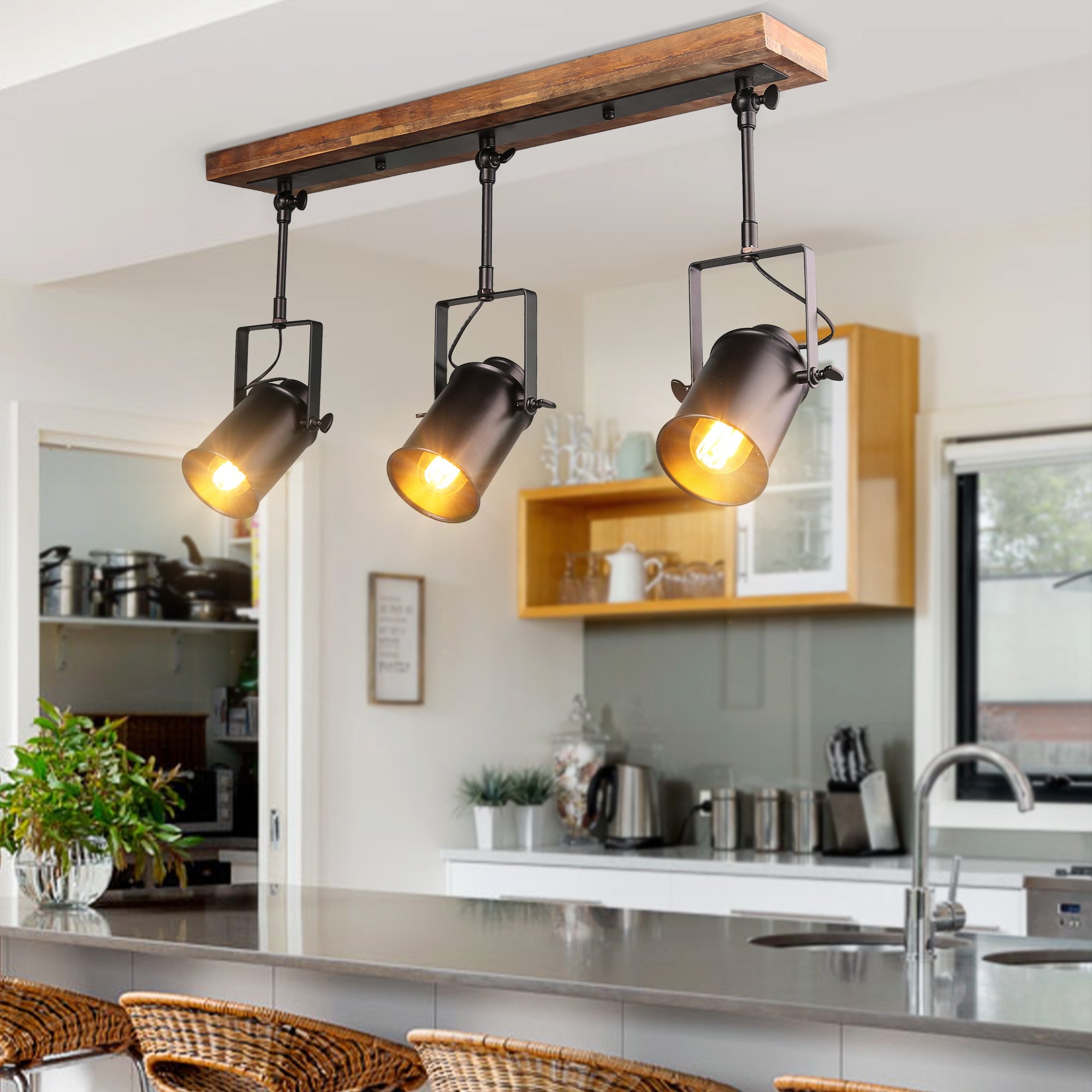
Think about how the light diffuses. Does it project light upwards and downwards (up/down sconce), creating a dramatic effect? Or does it cast a soft glow outwards from the fixture itself? For long hallways, multiple, evenly spaced fixtures that provide a consistent wash of light are usually more effective than one or two very bright ones. Consider the beam angle – a wider beam will cover more wall space, while a narrower beam is better for accentuating specific features.
Overlooking Practicality and Installation Details
Even the most beautiful light fixture can be a nightmare if it’s not practical for your space or difficult to install. Don’t let aesthetics completely overshadow functionality and ease of use.
Incorrect Mounting Height
The height at which you mount your wall lights drastically affects how the light is perceived and how well it illuminates the space. Too high, and the light might be lost or cast shadows from the ceiling. Too low, and it might be in the sightline or even risk being bumped into.
A common guideline for general hallway wall sconces is to mount them around 60-72 inches (152-183 cm) from the floor to the center of the fixture. This places them roughly at eye level or slightly above, preventing direct glare. However, this can vary based on your ceiling height and the specific design of the fixture. If you have very tall ceilings, you might go slightly higher. For shorter hallways or specific accent lighting, you might adjust it. Always do a “mock-up” with someone holding the light at different heights to visualize the effect before drilling.
Ignoring Clearance and Obstructions
Hallways can be narrow. A beautiful, grand wall sconce might look fantastic in a showroom but could protrude too much into your actual hallway, becoming a navigational hazard or making the space feel cramped.
Measure the depth of the light fixture you’re considering and compare it to the width of your hallway. As a rule of thumb, ensure there’s at least 3-4 feet of clear walking space, especially in main thoroughfares. Also, consider door swings, built-in furniture, or even artwork. You don’t want a wall light to block a door from opening fully or to be constantly hit by someone walking by. Always check the dimensions carefully before purchasing.
Forgetting About Wiring and Installation Complexity
Unless you’re planning a major renovation, you’re likely limited by existing electrical boxes. Choosing a fixture that requires significant rewiring or a different type of mounting than your current setup can lead to unexpected costs and delays.
Before falling in love with a particular fixture, take a look at your existing electrical boxes. Are they round, rectangular? Are they surface-mounted or recessed? Some wall lights require specific types of mounting hardware or junction boxes. Also, consider if you want to add new switches or dimmers, which might require additional electrical work. If you’re not comfortable with electrical work, factor in the cost of hiring an electrician. Choosing a fixture that easily replaces an existing one can save a lot of hassle.
Neglecting Aesthetic Cohesion and Style
Your hallway lights aren’t just functional; they’re an integral part of your home’s overall aesthetic. Choosing lights that clash with your existing decor can disrupt the flow and feel of your home.
Disregarding Overall Home Style
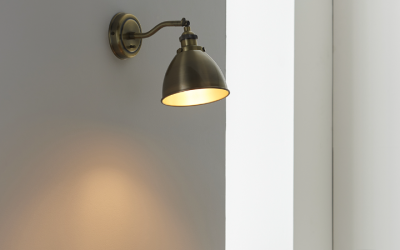
Throwing a sleek, ultra-modern chrome sconce into a rustic farmhouse hallway will look jarring. The light fixtures should complement the architectural style and interior design of your home, not fight against it.
Before you start browsing, take a moment to define your home’s style. Is it traditional, contemporary, industrial, minimalist, Scandinavian, or something else? Look at the finishes, colors, and textures prevalent in your home. Then, choose wall lights that echo these elements. For example, if your home has a lot of warm wood and brass accents, consider fixtures with similar finishes. If it’s minimalist, opt for simple, understated designs.
Overlooking Finish and Material Matching
It’s not just the style of the fixture but also its finish and materials that contribute to the overall look. Mixing too many different metal finishes or materials can make a space feel chaotic.
Try to coordinate the finish of your hallway wall lights with other metallic elements in your home, such as door hardware, picture frames, or other light fixtures visible from the hallway. You don’t need everything to be an exact match, but aim for a cohesive palette. For instance, if you have brushed nickel door handles, brushed nickel or chrome light fixtures would work well. If you have oil-rubbed bronze, continue that theme. Similarly, consider the materials – glass, fabric, metal – and how they interact with other textures in your hallway.
Ignoring the “Off” Appearance of the Fixture
A light fixture should look good even when it’s not turned on. In a hallway, where lights might only be on during certain hours, its daytime appearance is just as important as its illuminated effect.
Some fixtures are stunning when lit but appear bulky or uninspired when off. Pay attention to the design, silhouette, and proportions of the fixture itself. Does it add architectural interest? Does it recede subtly into the background? Imagine it as a decorative element even without its functional light. Look at photos of the fixture in different settings and consider how it will integrate into your hallway’s wall space and overall decor.
Underestimating the Impact of Bulb Choice
The perfect fixture can be ruined by the wrong bulb. The bulb’s type, color temperature, and dimmability are just as crucial as the fixture itself.
Choosing the Wrong Color Temperature (Kelvin)
The color temperature of a light bulb, measured in Kelvin (K), significantly impacts the mood and perceived warmth or coolness of your hallway. A bright, cool white light (high K) can feel sterile, while a very warm, yellow light (low K) might make the space feel dim or dated.
For most residential hallways, a warm white (2700K to 3000K) is a safe and popular choice. This range mimics the warm glow of incandescent bulbs and creates a welcoming, cozy atmosphere. If you prefer something a bit more neutral but still inviting, you might go up to 3500K. Anything above 4000K (cool white or daylight) is generally too harsh for a residential hallway unless you’re aiming for a very specific, modern, or task-oriented aesthetic. Always check the Kelvin rating on the bulb packaging.
Forgetting Dimmability
Not all light bulbs are dimmable, and using a non-dimmable bulb with a dimmer switch can lead to flickering, buzzing, or even damage to the bulb or switch. Dimmability offers incredible flexibility in a hallway, allowing you to adjust the ambiance.
Always check the bulb packaging for a “dimmable” label. If you plan to install a dimmer switch, ensure both the bulb and the switch are compatible. Dimmers allow you to transition from bright, functional lighting during the day to a softer, more atmospheric glow in the evenings or at night. This adaptability is invaluable in a high-traffic area like a hallway, especially if it leads to bedrooms where you might not want full brightness.
Ignoring Bulb Type and Energy Efficiency
With the phasing out of incandescent bulbs, LEDs are the most common and energy-efficient choice. However, not all LEDs are created equal in terms of light quality and aesthetics.
When choosing LED bulbs, consider their CRI (Color Rendering Index) as mentioned earlier. A higher CRI (90+) will make colors appear more vibrant and true to life. Also, consider the beam angle of the bulb itself if the fixture allows it. Some bulbs are designed for a wide flood of light, while others are more directional. Finally, ensure the bulb shape and size fit comfortably within your chosen fixture, especially if the fixture has a shade or enclosure. LEDs are generally a smart choice due to their long lifespan and low energy consumption, saving you money on electricity bills and the hassle of frequent bulb changes.